


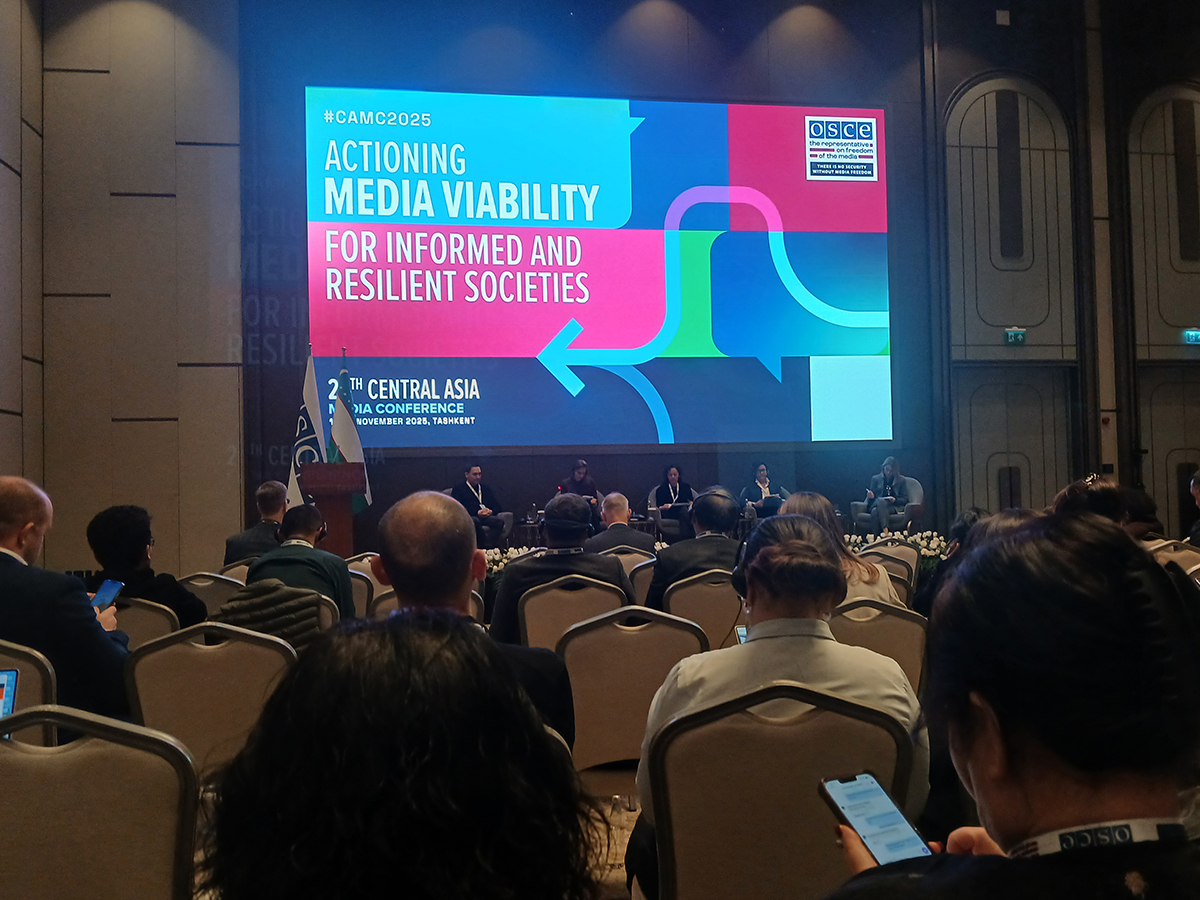
On the 13th to 14th of November, the delegation of Turkmenistan took part in the 25th Central Asian media conference of the organisation for security and cooperation in Europe, which was held in the capital of the Republic of Uzbekistan, Tashkent.
The main theme of forum of this year was «Ensuring viable media for an informed and sustainable society». The conference brought together participants from Central Asian countries and other regions, including journalists, representatives of government agencies, media organisations, civil society, and media freedom experts. The program of forum included discussions of current media issues, interactive workshops, and presentations of key new resources for journalists.
As is well known, in recent years, under the leadership of President Serdar Berdimuhamedov, Turkmenistan has been implementing extensive work to develop the information space, create independent media outlets, and actively utilise multimedia technologies. At the same time, great importance is attached to interaction with foreign partners and the exchange of experience in the most pressing areas of the information sphere. In this context, the participation of Turkmen journalists in this conference is of great importance for the further development of international cooperation in the information space.
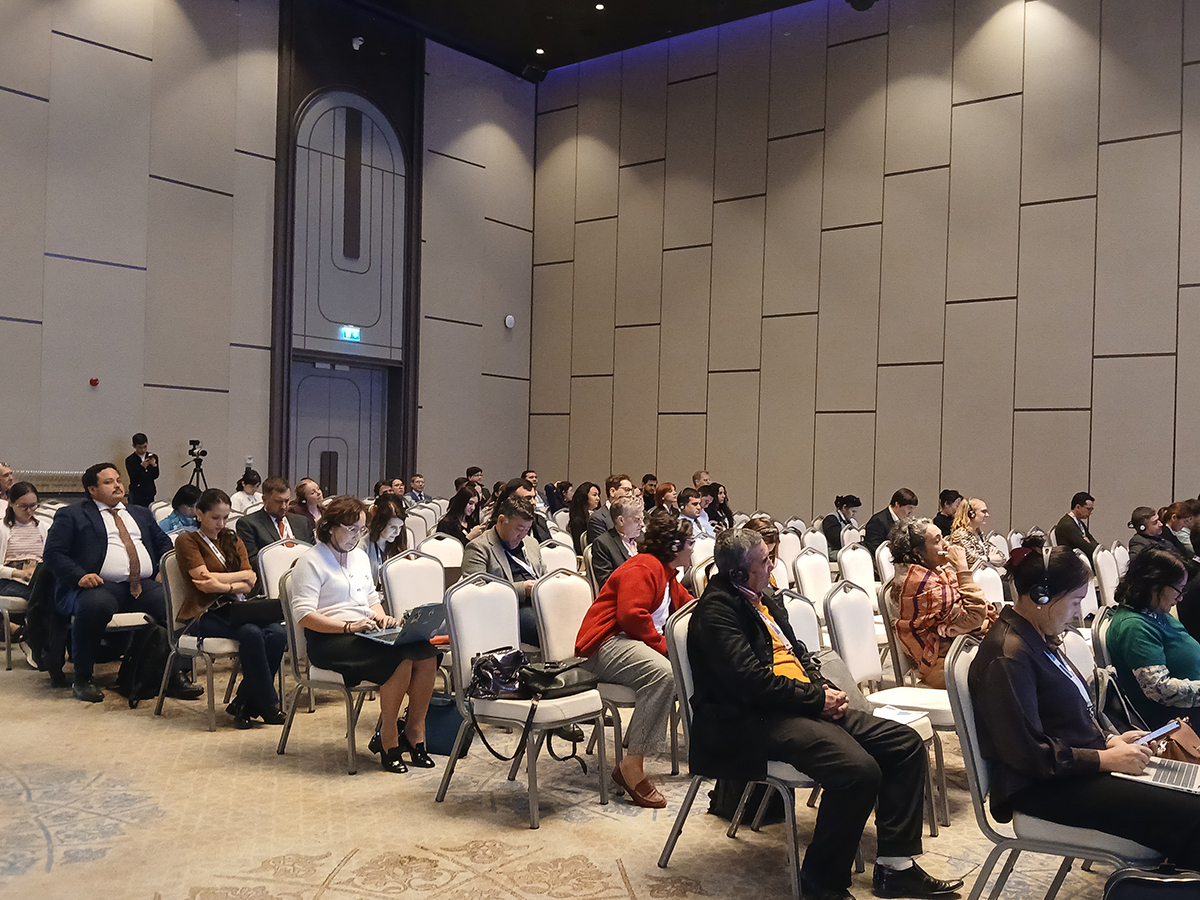
In their welcoming remarks, the organisers noted the timeliness of the current forum, as well as the importance of multilateral dialogue for achieving progress in addressing the issues facing media structures in the modern epoch.
According to the speakers, objective, comprehensive, and timely coverage of events and processes occurring in countries and around the world are fundamental to modern mass media, requiring the search for new approaches and methods of media operation using high-tech solutions. In this context, improving the legislative and legal framework for media activities, promoting education, and utilising the latest technologies, including AI, in media work are areas of great interest for professional discussion.
Particular attention was paid to the activities of national media resources in Central Asian countries, where digital innovation and expanded regional cooperation are contributing to the development of partnerships for sustainable development, stability, and strengthening good-neighbourly relations.
The plenary sessions featured presentations on overcoming contemporary challenges facing journalism in the epoch of advanced technology and artificial intelligence. Opportunities for actively implementing innovations and expanding media cooperation in Central Asia and beyond were also discussed.
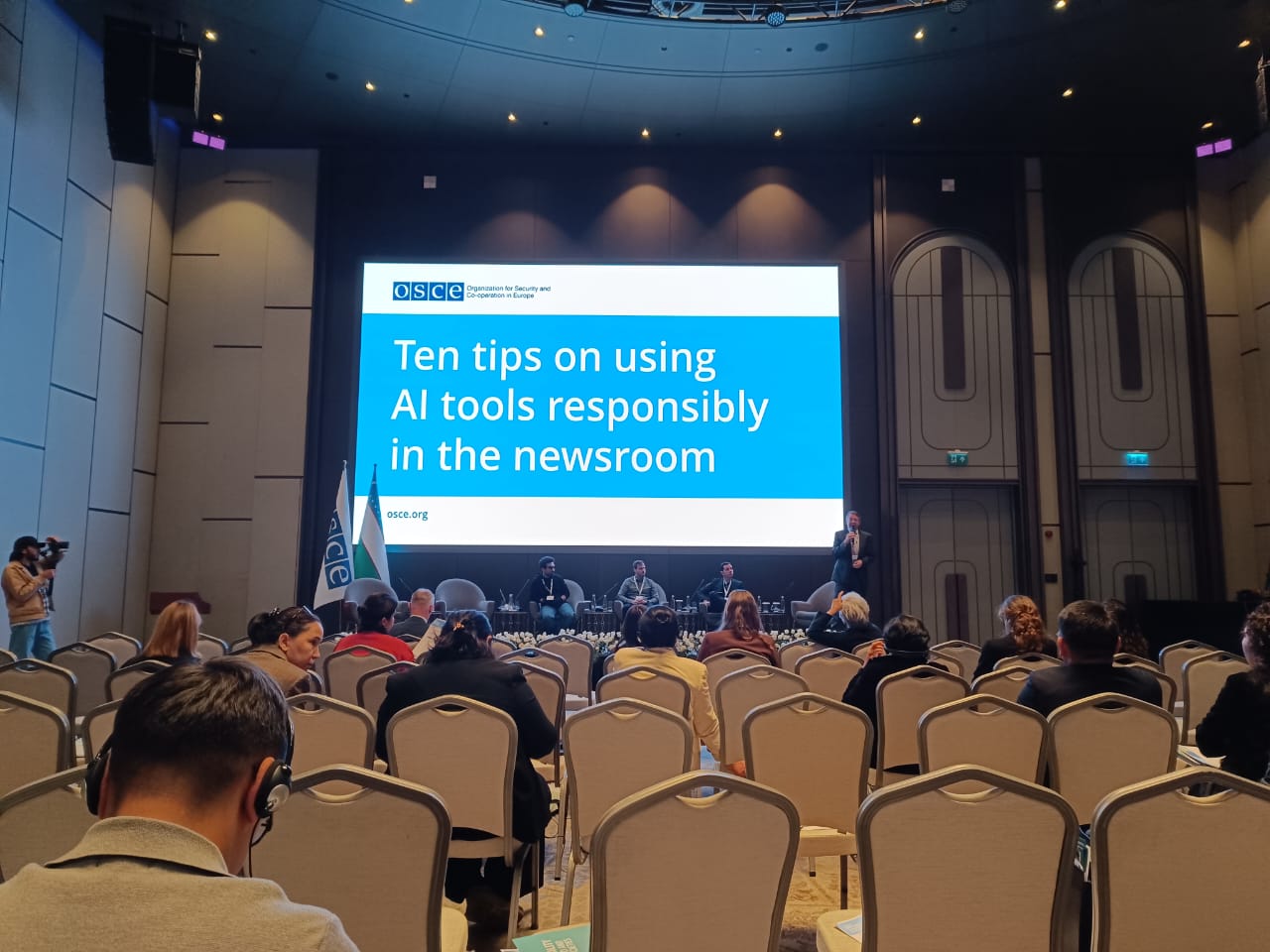
One session explored practical approaches to integrating AI into editorial processes. In this regard, the need to uphold journalistic standards, ethics, and public trust was emphasised. The discussions focused on the potential of using AI to support journalism.
The presentations also focused on issues related to the regulatory framework governing media activities in Central Asian countries. The discussion highlighted the importance of creating broader legal guarantees necessary to ensure a modern and independent media system.
Much attention was given to the topic of educating a media-literate public, which is a key condition for increasing social sustainability and maintaining trust in journalism.
The forum included a presentation prepared by the OSCE Representative on freedom of the media (RFoM) and UNESCO, «Reporting the environment: a practical guide for journalists». Discussions focused on the important role of journalism in covering this topic, which also holds a special place on the global agenda.
In addition, the Media viability Manifest, developed on the basis of extensive practical experience and dialogue with media representatives around the world, was discussed. In this context, ways to adapt its recommendations to local realities by strengthening business models and promoting cross-sector collaboration were discussed.
Forum participants unanimously agreed that the 25th Central Asian media-conference provided a valuable opportunity for all parties to exchange knowledge and best practices in the information sector. They also expressed confidence that the proposals and recommendations made would be implemented, and that outcomes of the conference would contribute to the further strengthening of partnerships between Central Asian media and the OSCE.