


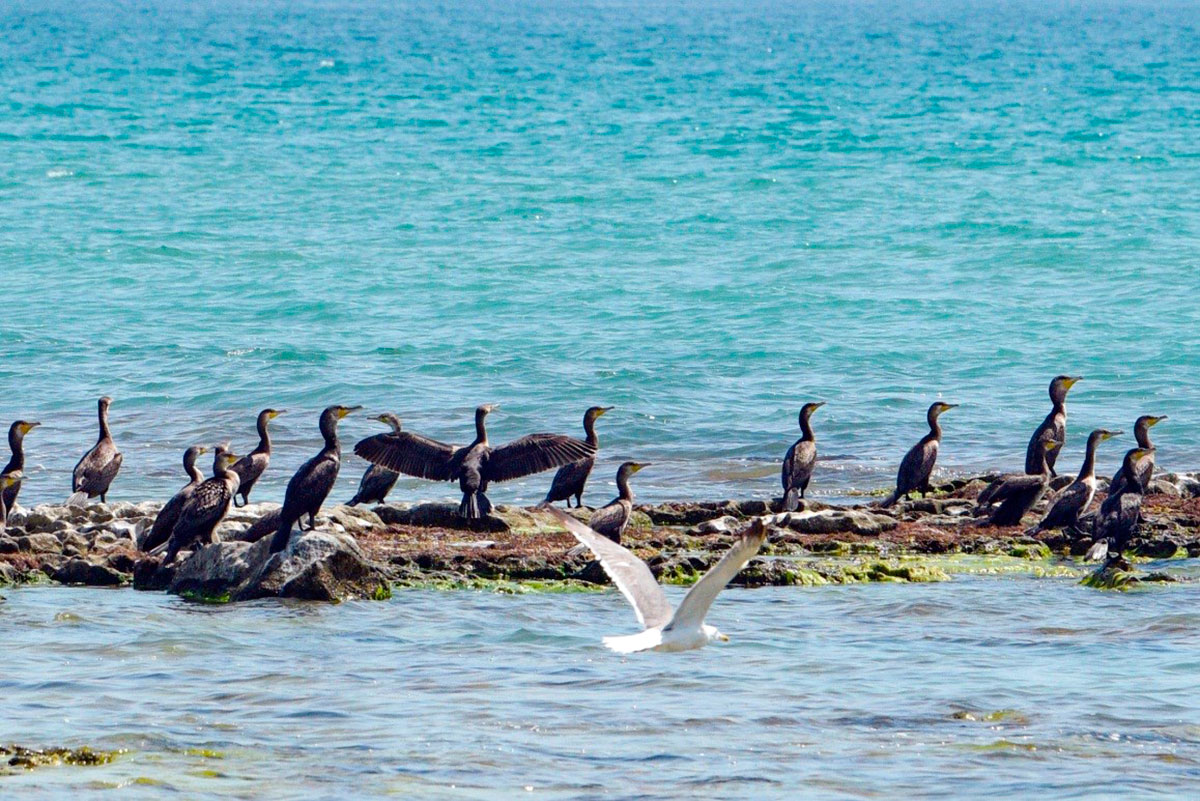
One of the most distinctive and unique corners of Turkmenistan in terms of its natural features is the southeastern part of the gray Caspian Sea, where the wetlands located there amaze the imagination with their beauty and wonders. Here, a close-knit team of experienced specialists from the Hazar State Nature Reserve successfully carries out efforts aimed at protecting the nature of this region and enriching its flora and fauna.
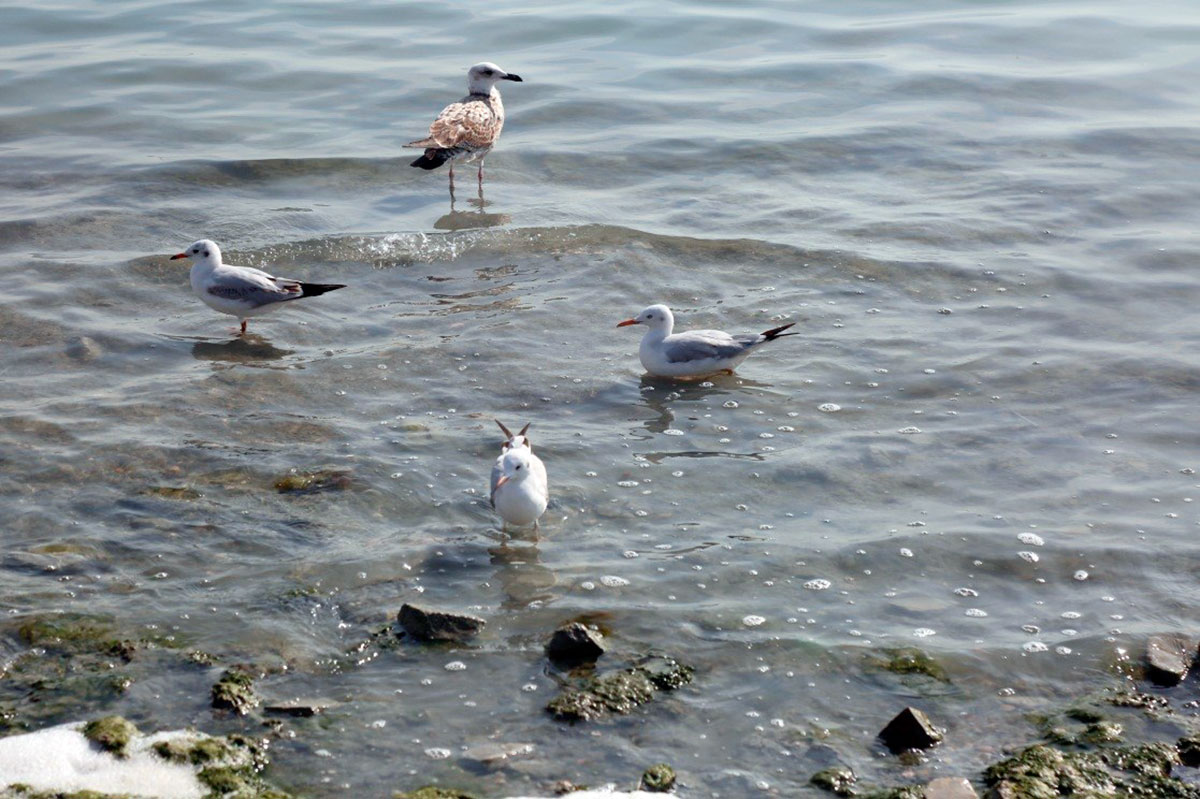
This time of year is notable for the fact that hundreds of bird species winter within the reserve. More than 300 species of various waterfowl are found in this largest reserve, recognized worldwide as a renowned ornithological center. Their habitats are closely linked to the historic date celebrated on February 2 as World Wetlands Day.
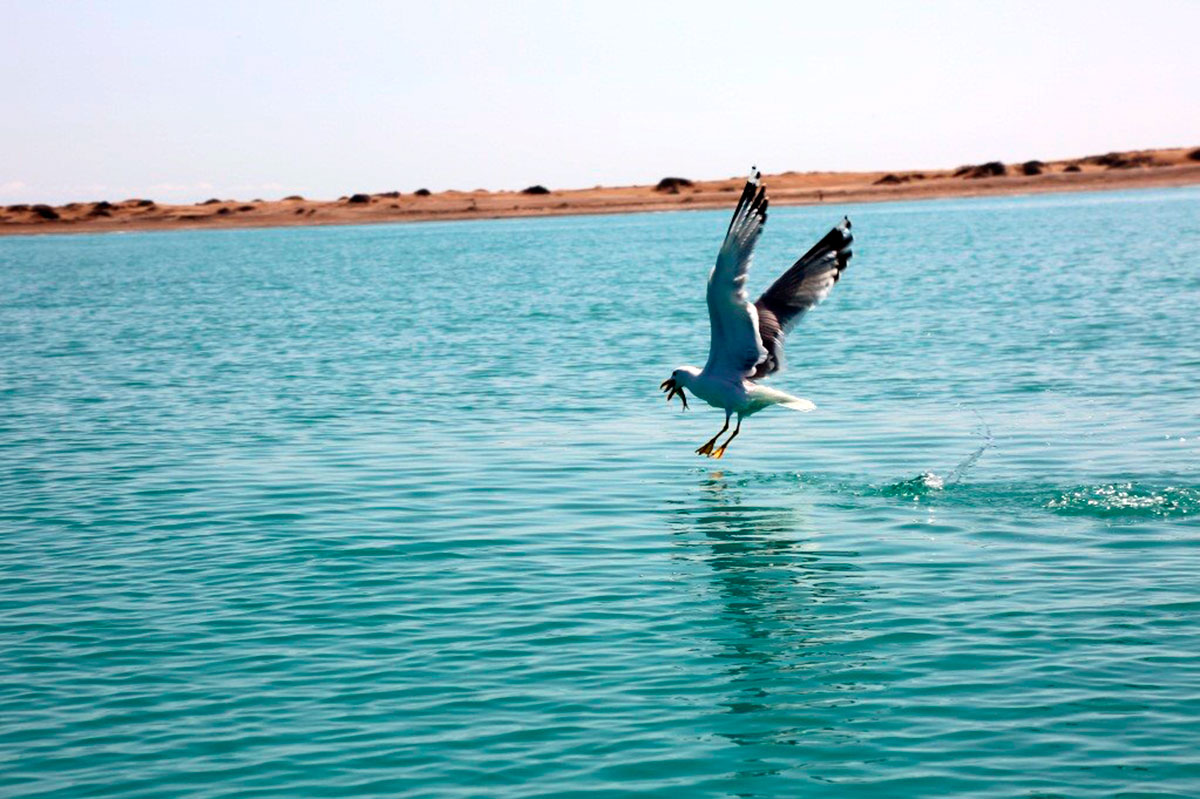
Since Turkmenistan acceded to the Ramsar Convention in 2008, the wetlands of the Turkmen part of the Caspian Sea have been included among the most important sites of international significance. Major migratory routes of birds flying from northern countries pass through these areas. Thus, the Caspian coast is an ideal place for their wintering. According to specialists, more than 70 percent of the birds listed in the Red Data Book of Turkmenistan are found here.
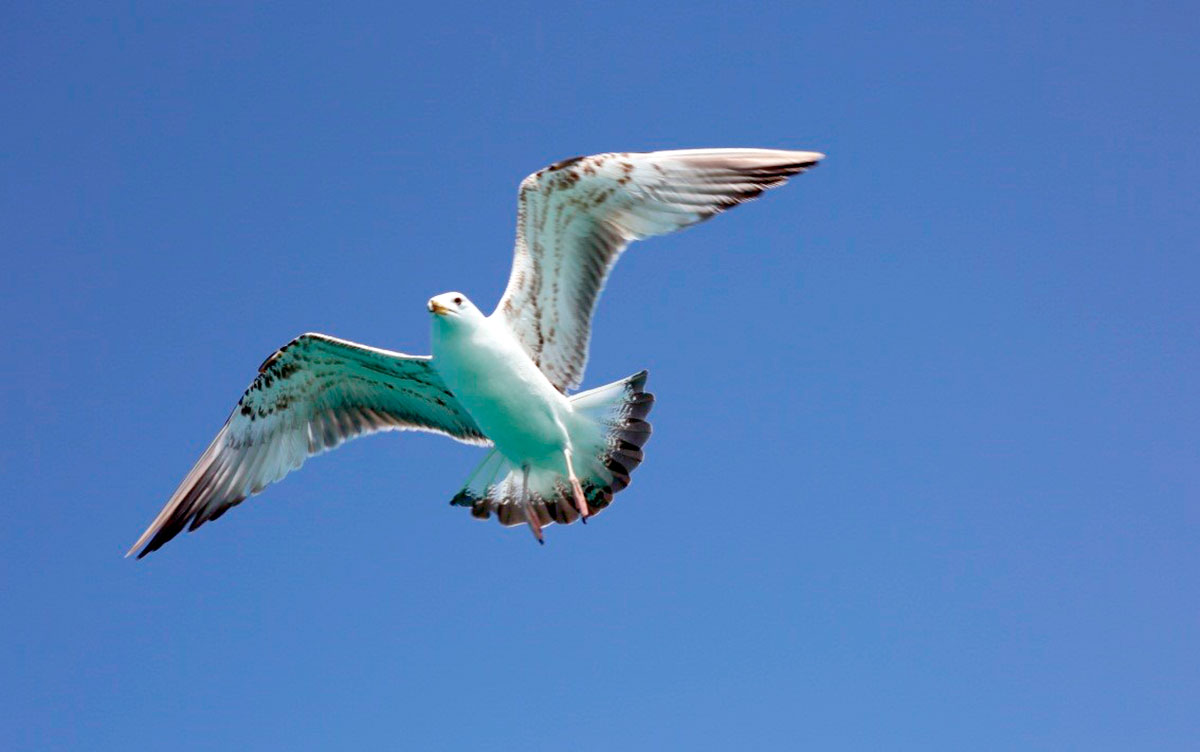
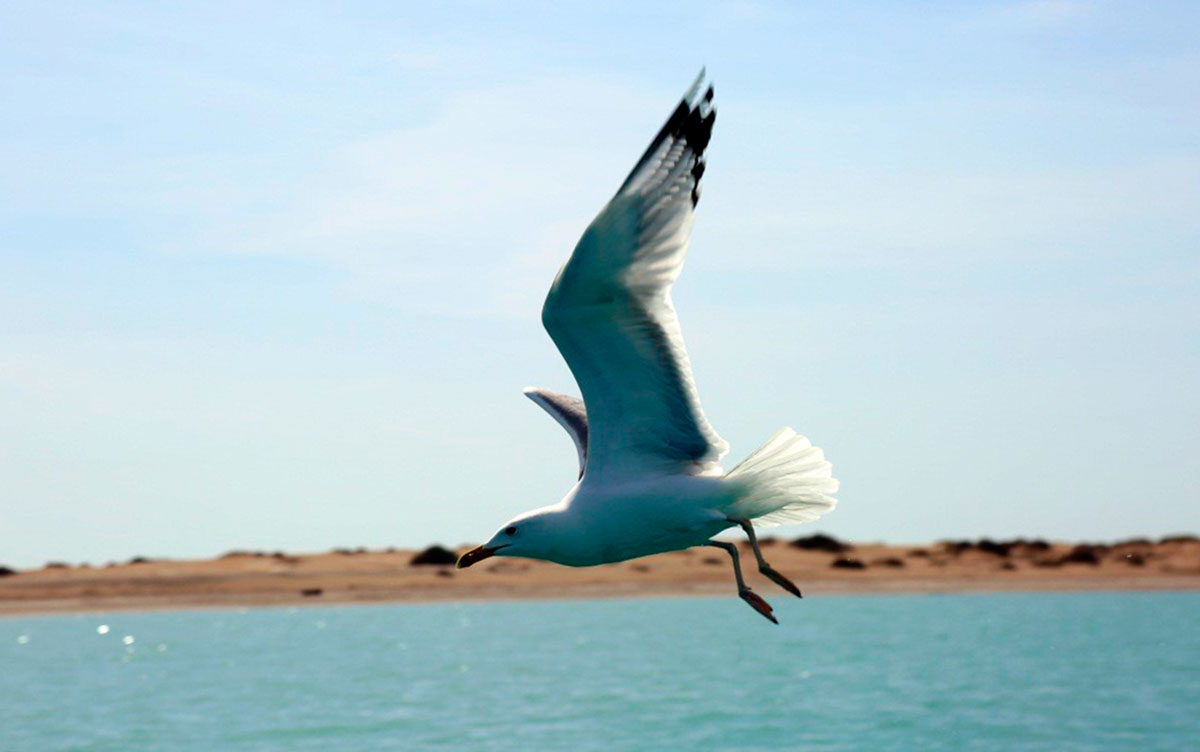
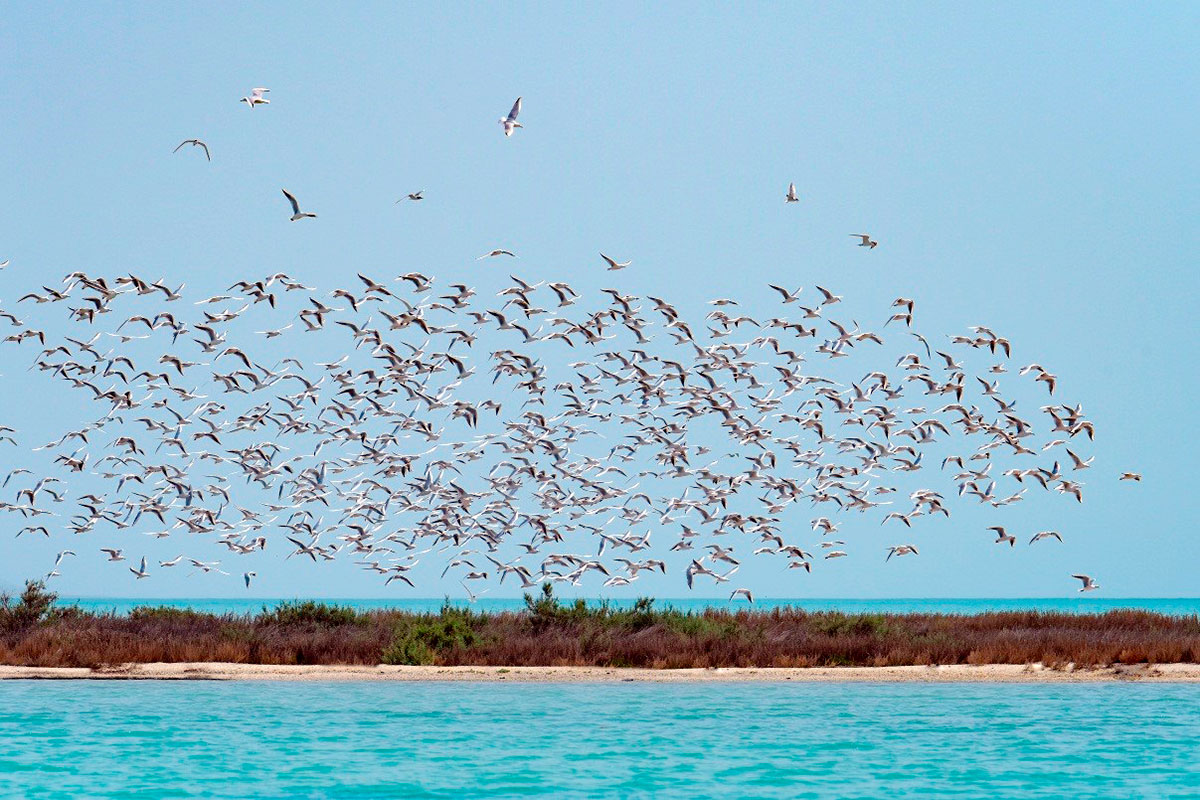
Birds arriving on the wonder-rich Turkmen coast of the Caspian Sea in early autumn, after resting briefly and regaining strength, continue their journey to southern countries. Those that arrive later remain here for the winter, which lasts from November to February. Birds spend several months of the year on the Turkmen Caspian coast. The warm, mild climate of Ogurjaly Island, which is part of the reserve, along with an abundance of food, attracts huge flocks of various birds here, especially gulls, terns, and great cormorants.
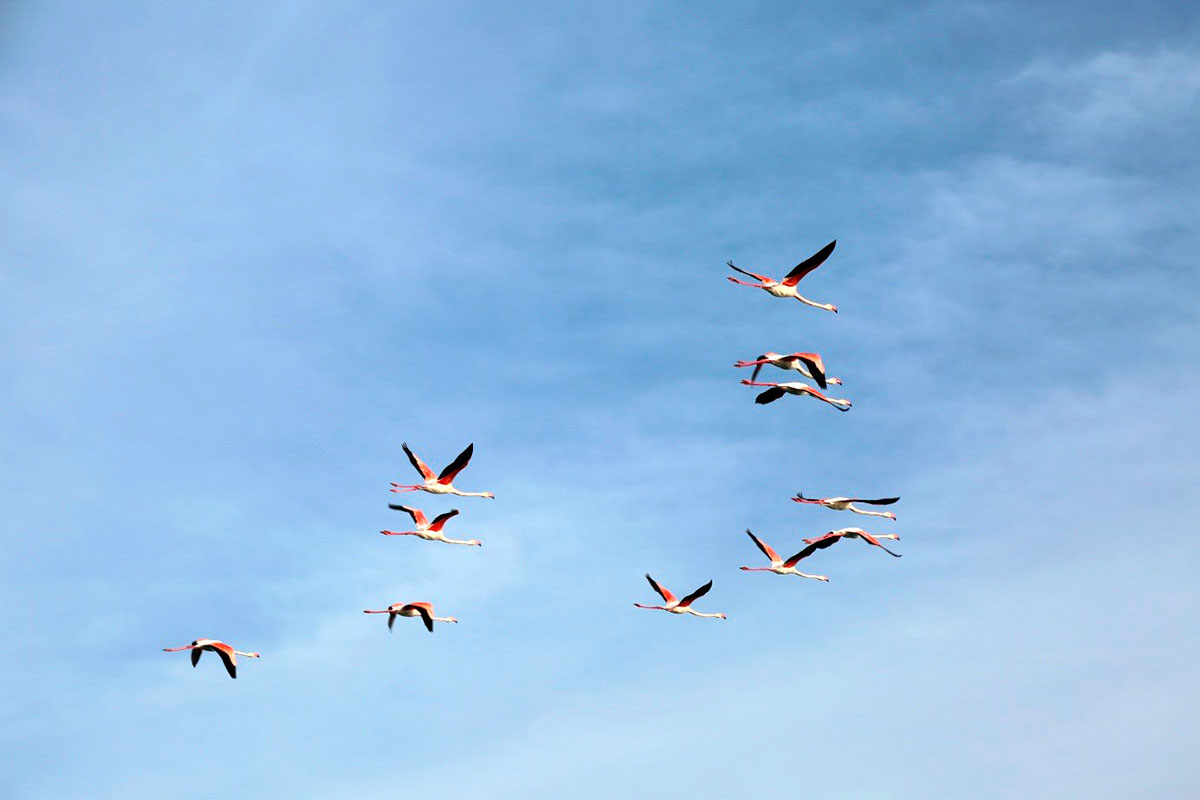
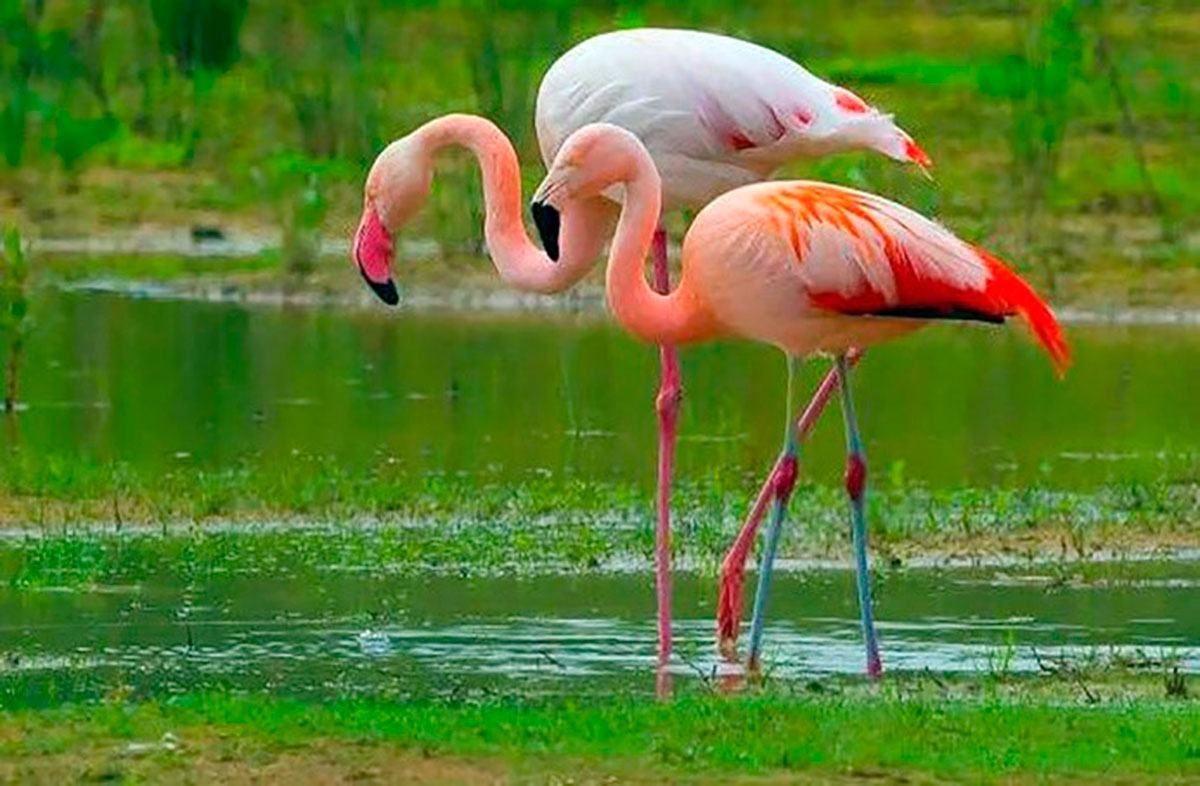
Even today, large numbers of birds continue to winter on the Caspian Sea. Particularly pleasing is the abundance of flamingos, which stand out for their delicate pink plumage. Flamingos, listed in the Red Data Book of Turkmenistan, are considered a symbol of the Hazar Reserve. According to official records maintained since 1971, despite natural changes in coastal zones, the Caspian Sea coast remains a place of mass bird habitation. Moreover, the results of bird counts in the Turkmen part of the Caspian have recorded record-high numbers of flamingos. The favorable, ecologically clean environment of the Caspian Sea, rich in various plant species and food resources, creates reliable conditions for wintering. The orderly lines of ducks, gulls, waders, coots, swans, and other birds stretching beyond the horizon lend the sea a special charm. Such picturesque and harmonious natural scenes are vivid evidence of the growing biodiversity of the Turkmen Caspian coast.