


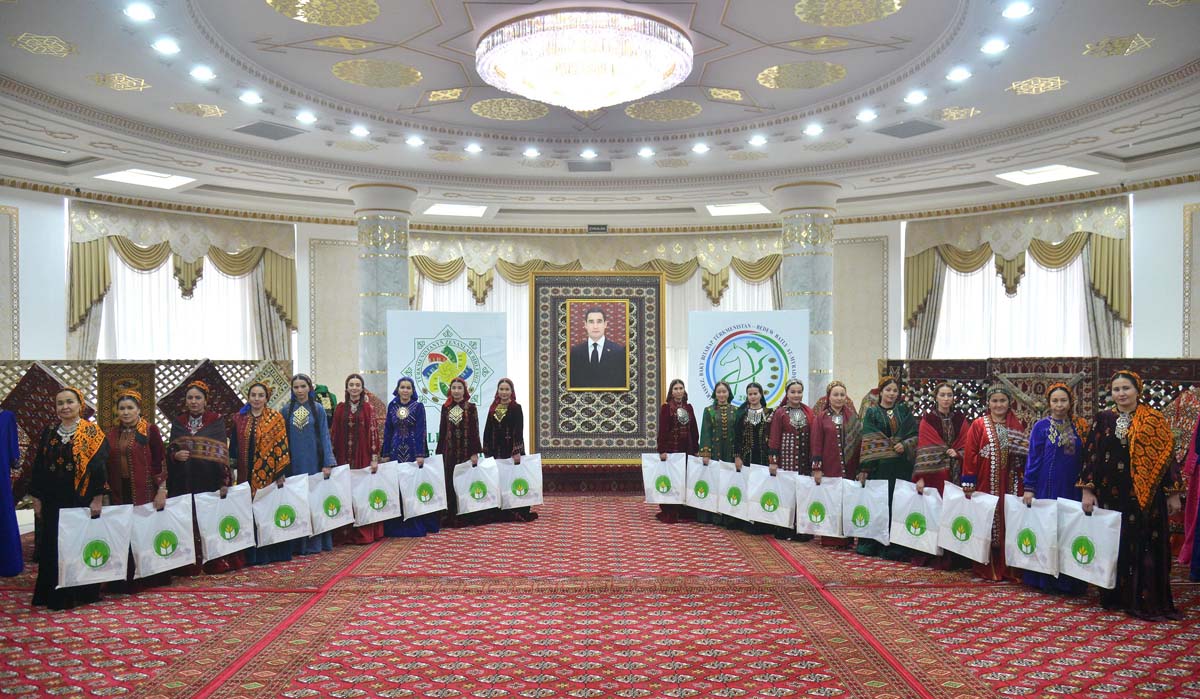
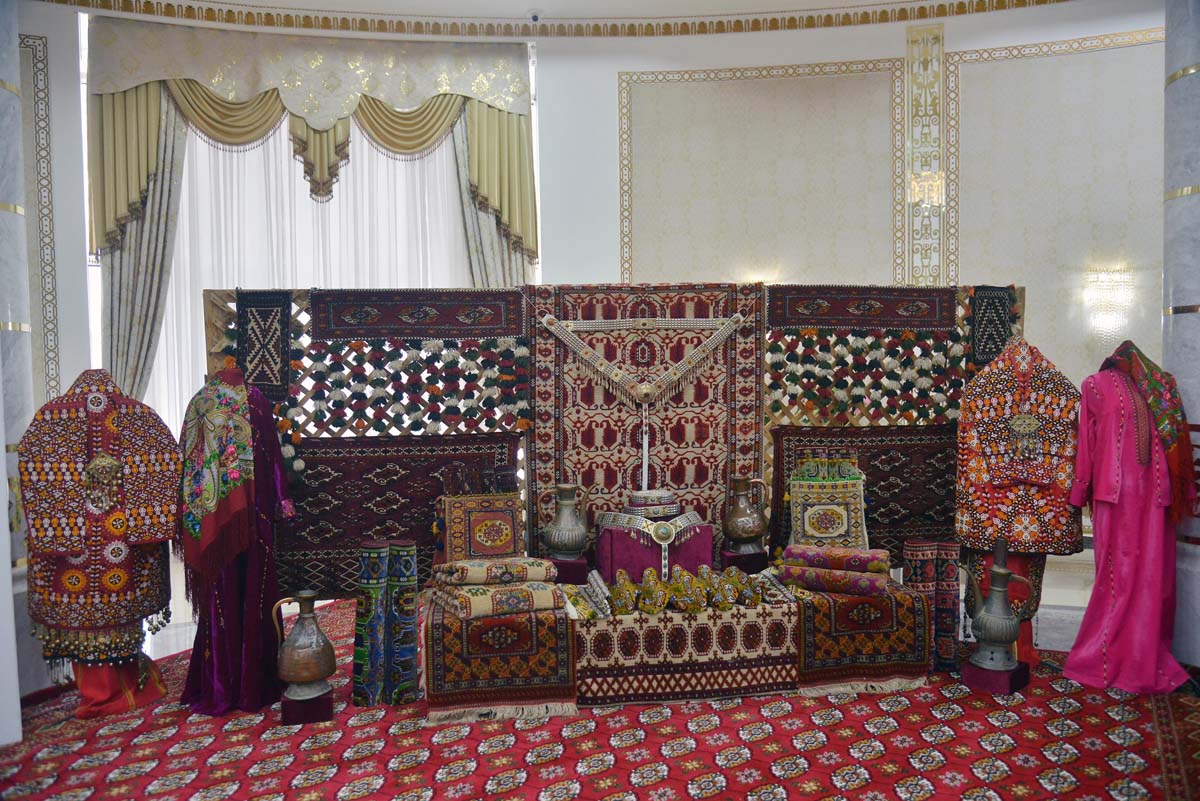
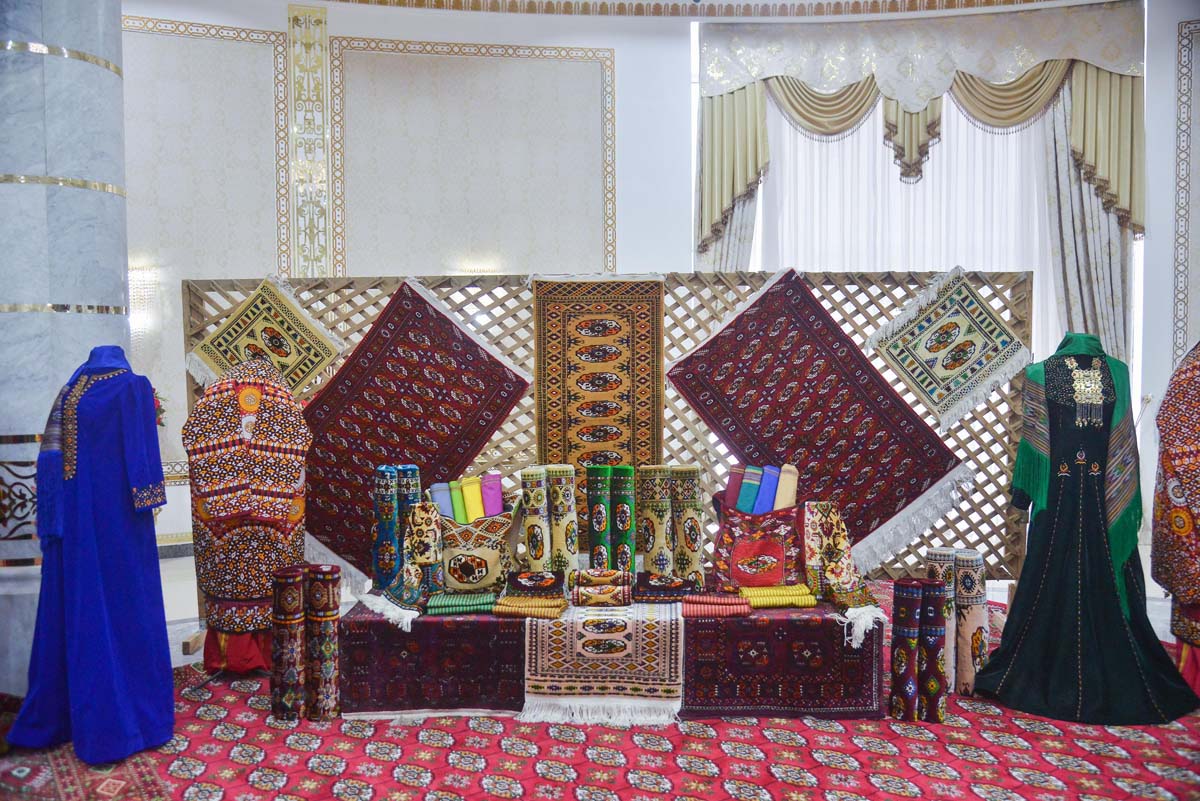
The regional stage of the “Hünärim bar – hormatym bar” competition, announced by the Central Council of the Women’s Union of Turkmenistan in cooperation with the National Trade Union Center of Turkmenistan, was held recently in the “Bagt köşgi” building in Turkmenabat. The creative showcase brought together dozens of skilled craftswomen from all corners of the region who had previously won qualifying rounds.
The competition, held in the era of the Revival of the New Epoch of the Powerful State, aims to popularize among the population the fundamentals of applied arts, inherited from our mothers. The main objectives of the event were to demonstrate the rich experience of master artisans, improve women’s professional skills, and promote the labor traditions of the older generation as a role model for youth.
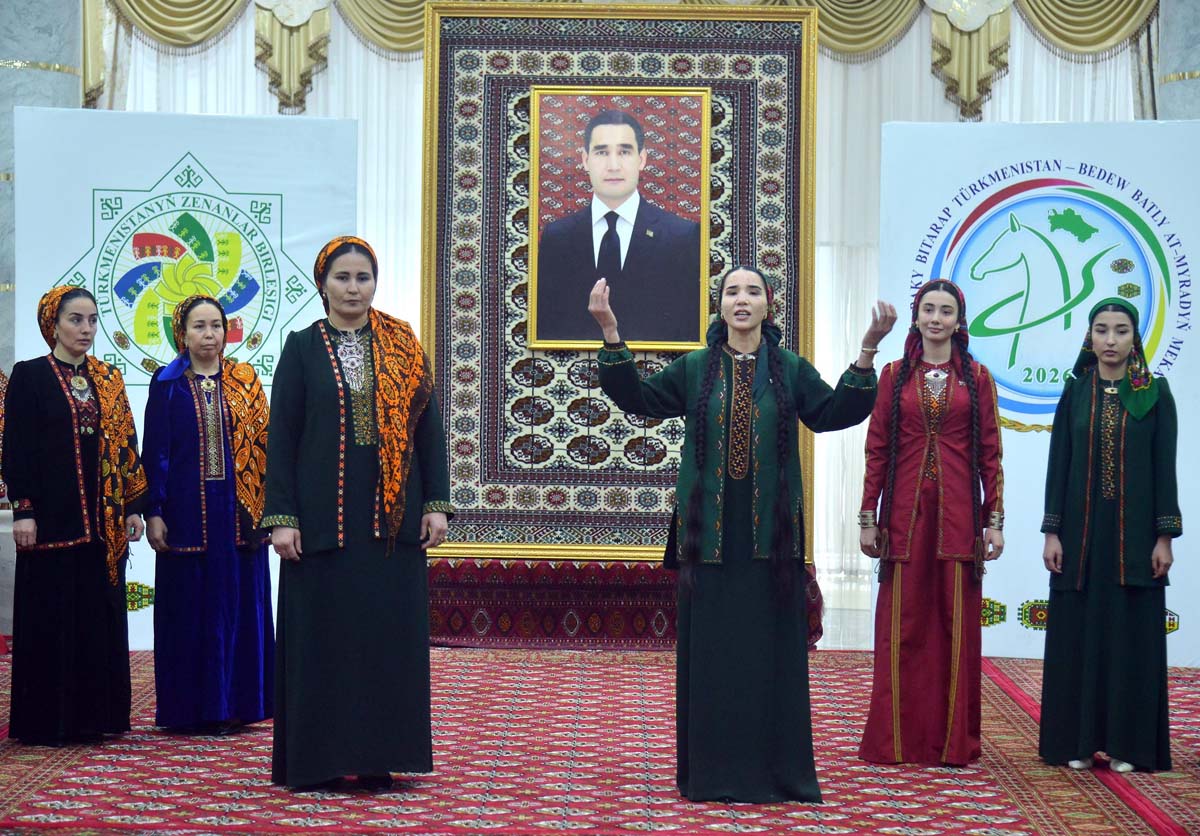
The first stage of the competition, conducted in a festive atmosphere, allowed participants to artistically express their pride in the high achievements of the nation. The speakers particularly emphasized the broad opportunities created in the country for women’s professional education, free labor, the development of entrepreneurship, and decorative and applied arts. The craftswomen also shared the successes of their enterprises, spoke about their fellow seamstresses, and described their activities aimed at promoting traditional handicrafts among the younger generation.
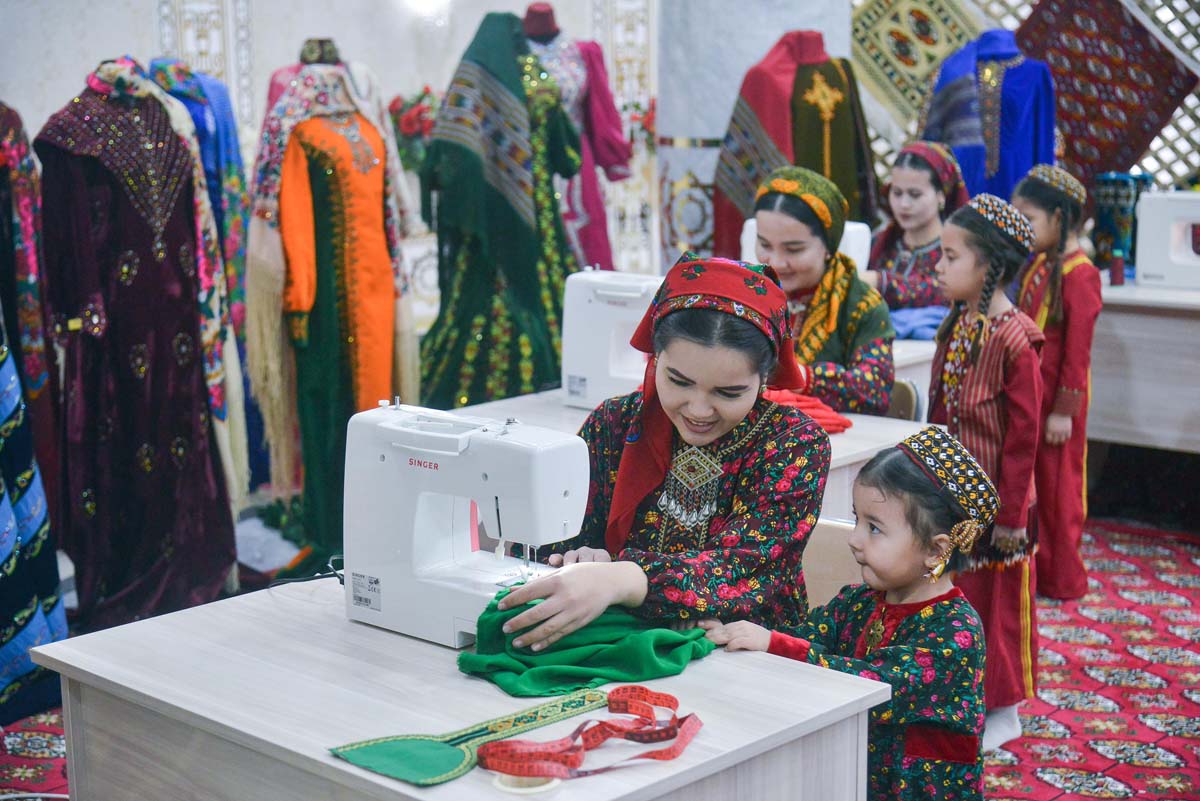
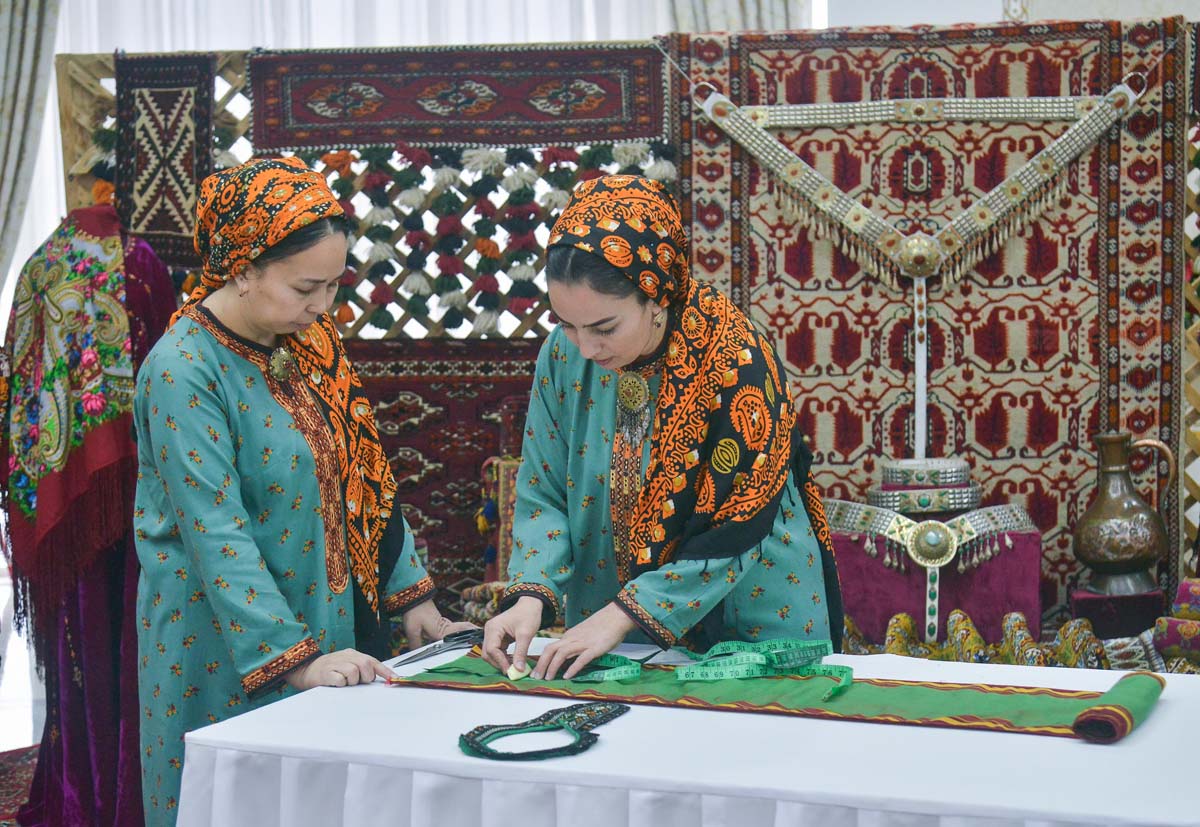
The second stage of the competition became a true test of professionalism: within thirty minutes, the seamstresses were required to cut and sew a dress for a 6–7-year-old girl. Alongside the practical task, the skilled artisans presented an informative overview of the history of the national costume, revealing the artistic features of traditional attire, the deep meaning of ancient ornaments, and the unique techniques used in their creation.
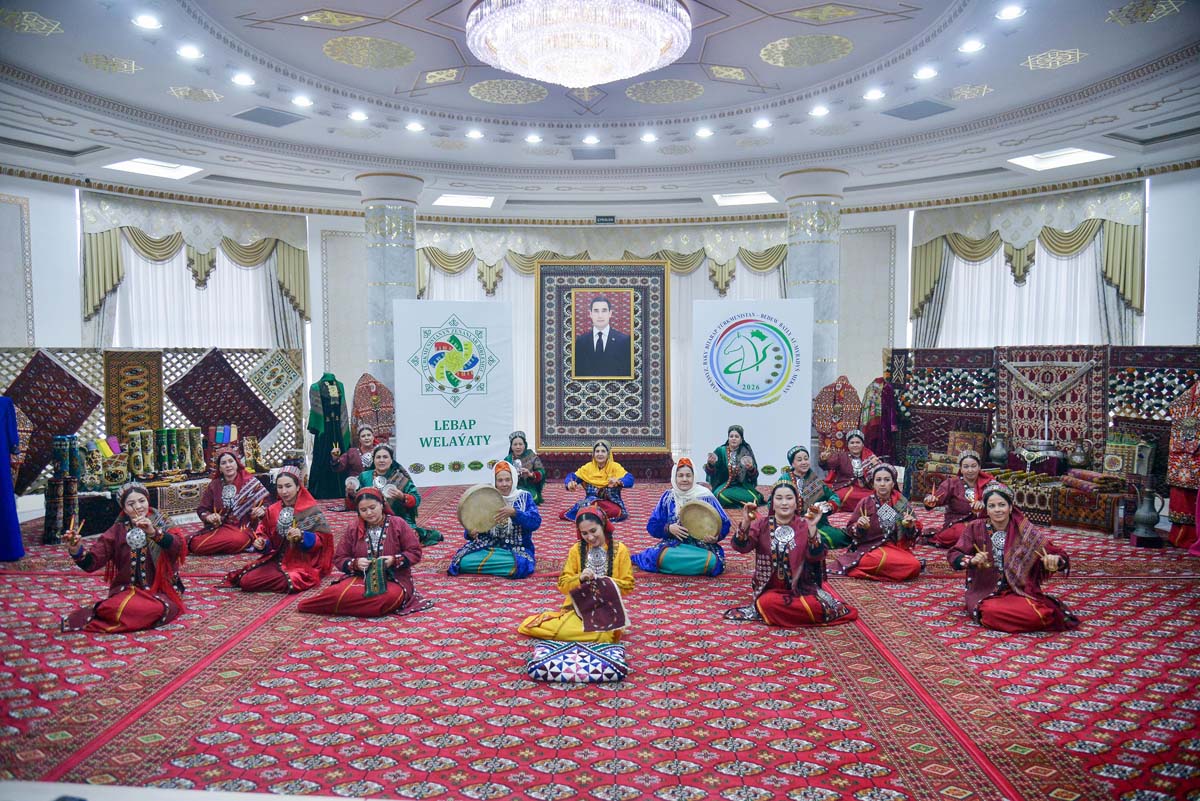
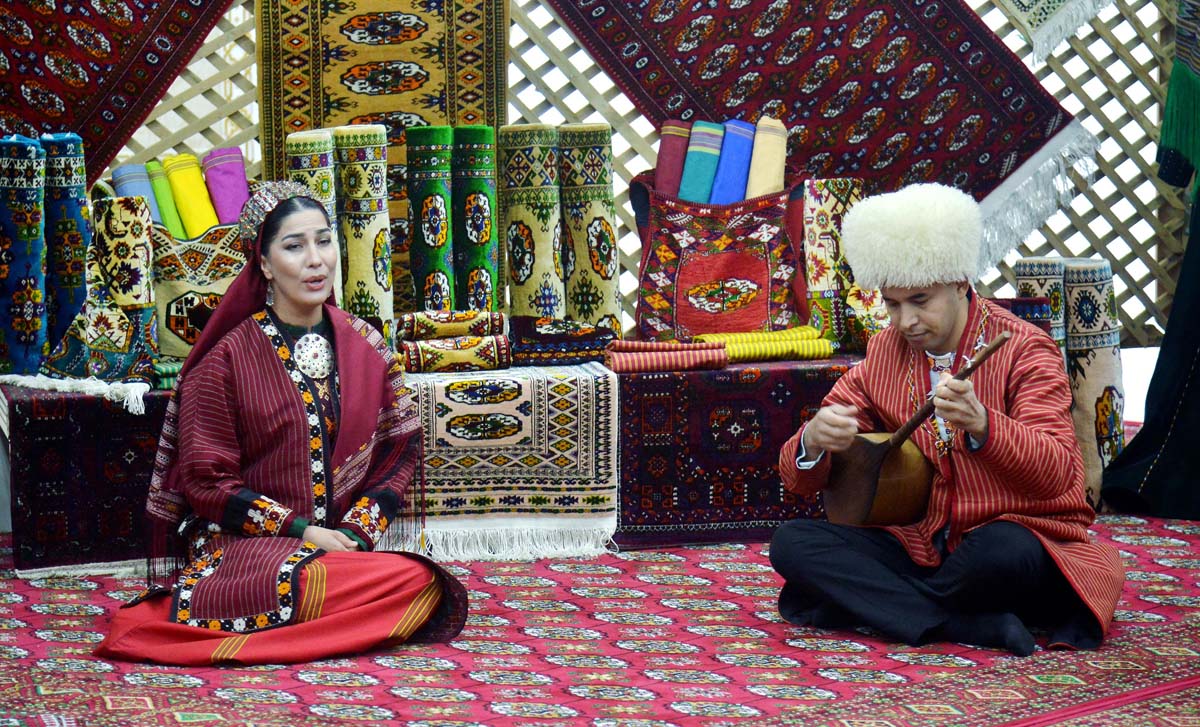
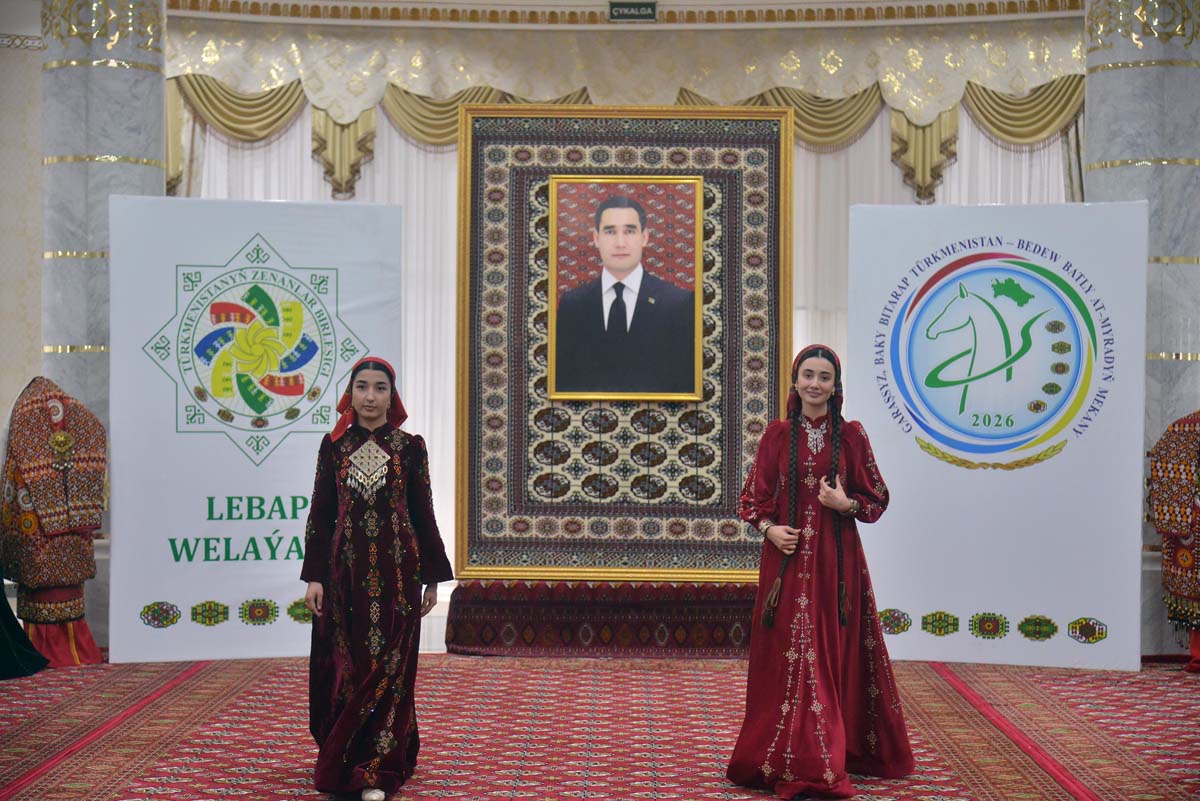
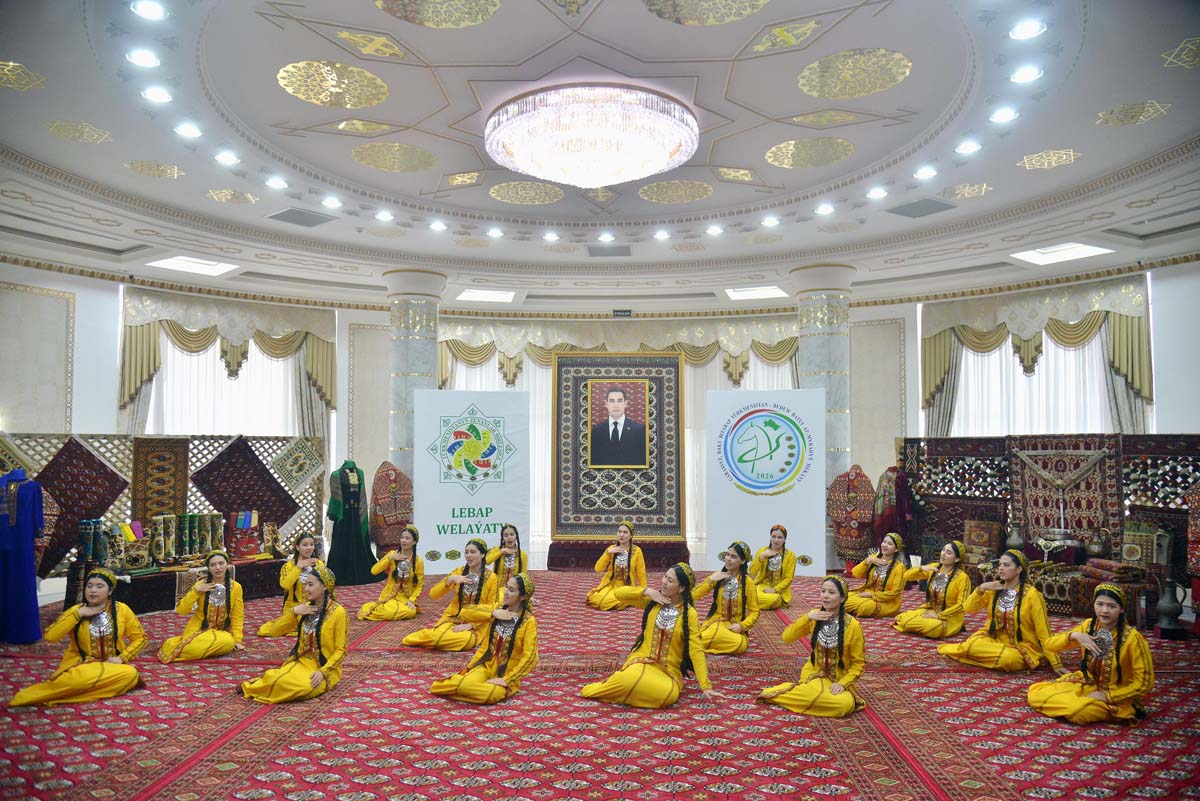
During the third round, participants presented modern outfits and jewelry of their own making, created in accordance with the canons of ancient applied art and harmonized with the spirit of the modern era. The creative display was accompanied by the celebration of national values: immortal poetic lines, legends, and ancient gazal songs echoed through the hall, emphasizing the inseparable connection between past and present.
By decision of the jury, the winner of the competition was Shirin Salykhova, head of a club at the House of Children and Youth of the Garabekewul etrap. Prize-winning places were awarded to Jeren Hojakulyeva, a teacher at Secondary School No. 20 of the Farap etrap, and Ogulsultan Yaryshova, a teacher at Secondary School No. 32 of the Danev etrap.
The winners were presented with gifts and earned the right to participate in the national stage of the competition.