



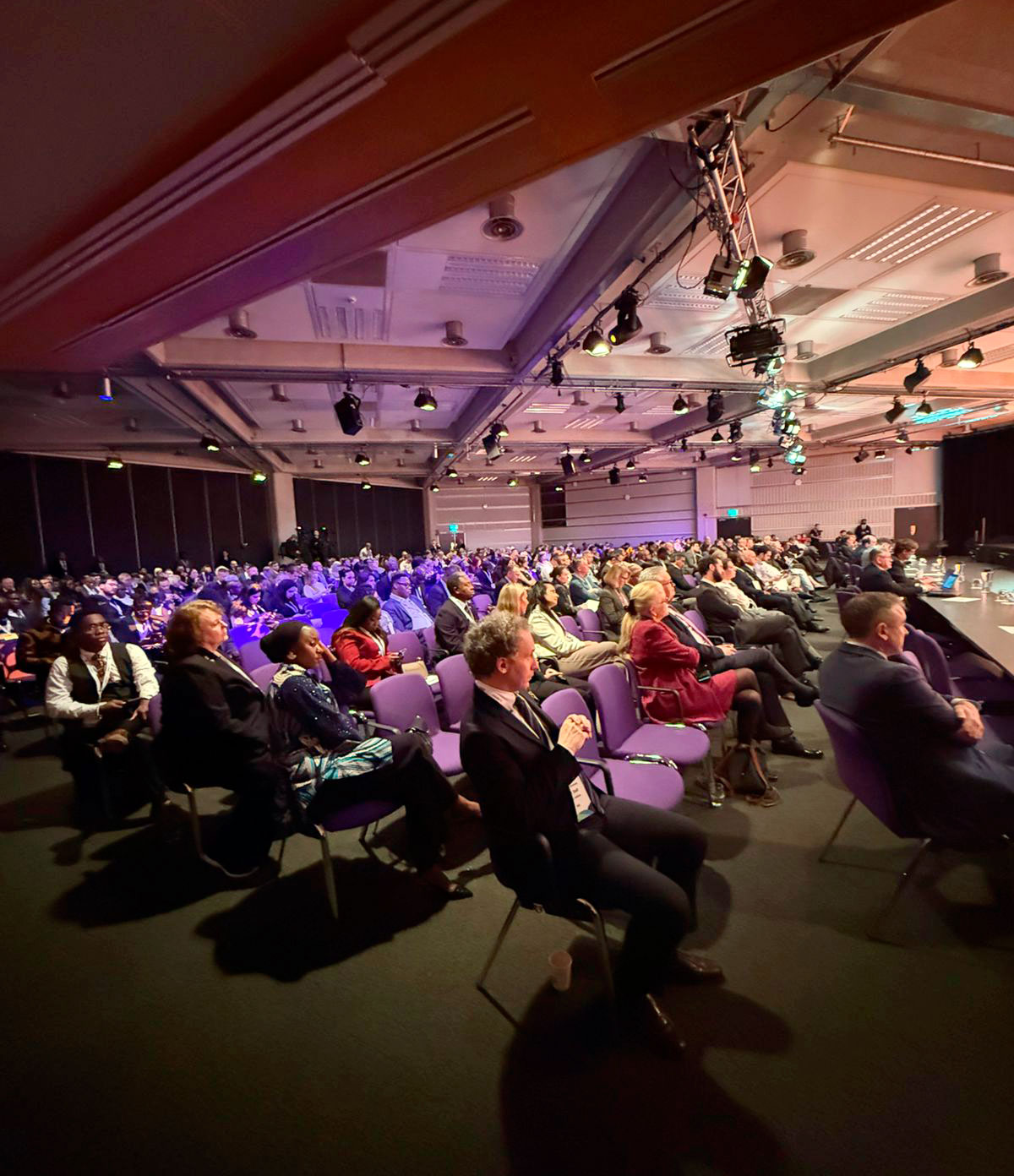
From 9 to 12 February, representatives of Turkmen Energy Forum participated in the International Energy Week and the London Energy Forum held in London. The events brought together leaders of global energy companies, financial institutions, technology organisations and policymakers to discuss the development of world energy markets, investment priorities and approaches to balancing energy security with decarbonisation.
The discussions reflected a growing international understanding that the global energy transition is entering a pragmatic stage in which reliability of supply and environmental responsibility must advance simultaneously. In this context, countries possessing significant natural resources while pursuing technological modernisation are increasingly regarded as important contributors to global energy stability.

Strategic keynote — balanced transition as a global necessity
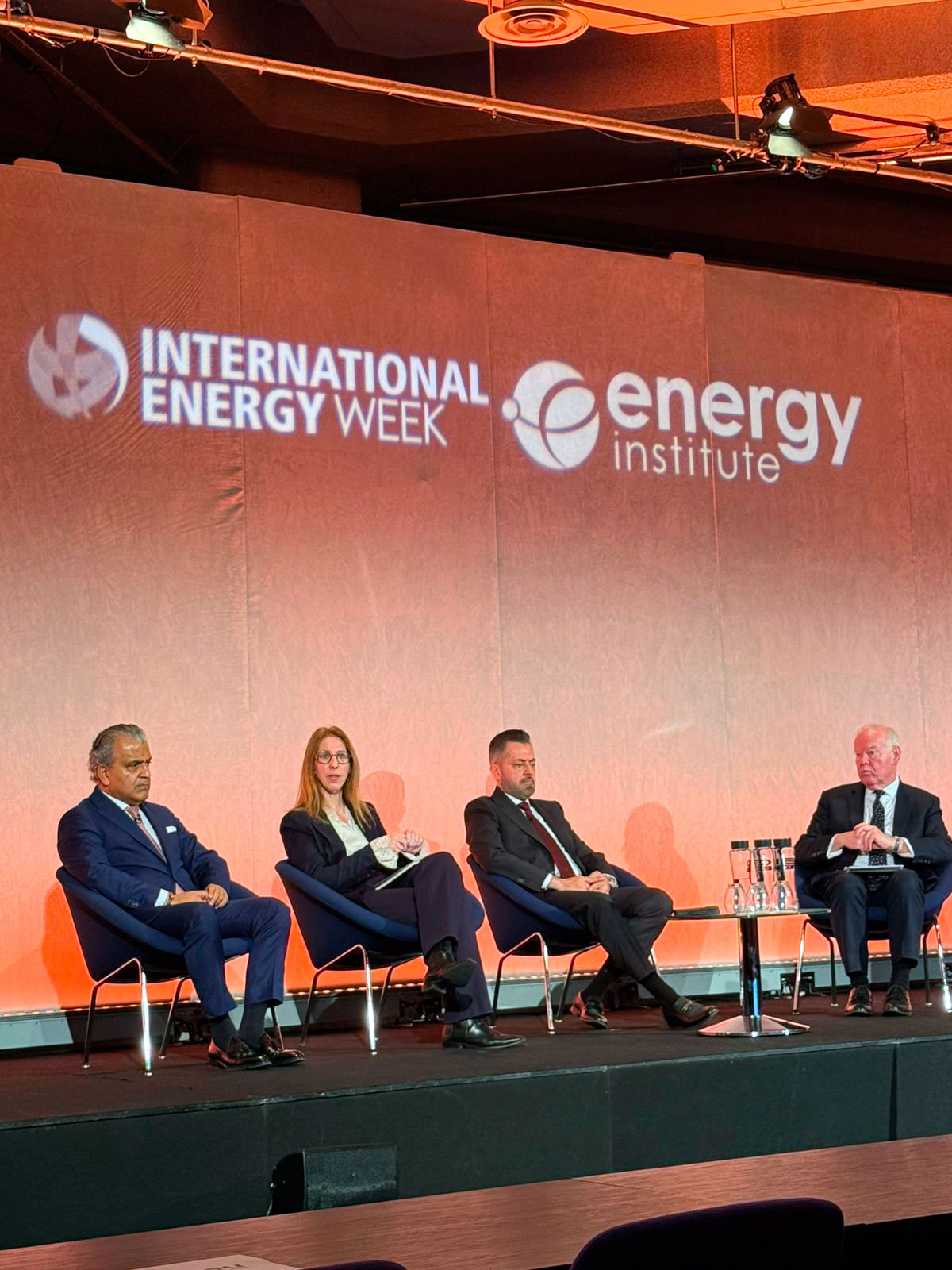
The opening plenary session, moderated by Andy Brown OBE, President of the Energy Institute, featured a keynote address by Wael Sawan, Chief Executive Officer of Shell, setting the overall direction of the forum.
The speaker emphasised that global energy demand will continue to grow due to population expansion, industrialisation and digitalisation. At the same time, societies expect lower emissions and higher environmental standards. The central task for the industry therefore lies in modernising existing energy systems while gradually scaling new ones.
Three priorities were identified as inseparable objectives: ensuring reliability of supply, maintaining affordability for consumers and reducing carbon intensity. Particular importance was placed on technological solutions — methane reduction, carbon management, efficiency improvements and digital monitoring — as practical mechanisms for reconciling economic development with environmental responsibility. Stable investment conditions and long-term policy predictability were highlighted as essential for achieving these goals.
The plenary discussion demonstrated a widely shared position within the industry: the energy transition will be evolutionary, combining modernised hydrocarbons, expanding renewable energy capacity and emerging technologies.
Natural gas and Asia’s pathway to lower emissions
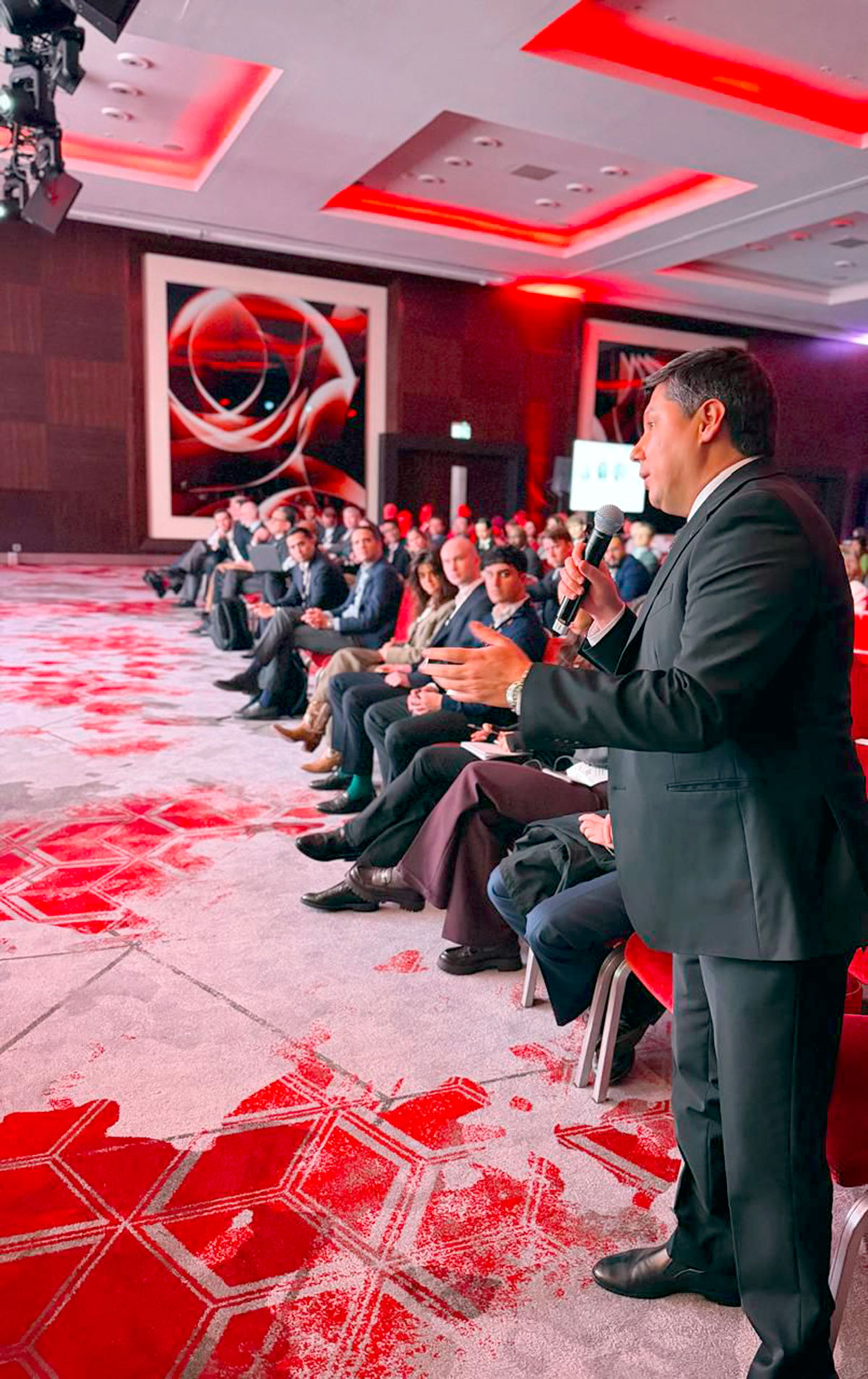
A subsequent session moderated by former UK Energy Minister Rt Hon Charles Hendry examined national transition strategies, particularly in rapidly developing economies such as China and India. Participants noted that for countries with rapidly growing electricity demand, replacing coal with lower-carbon fuels represents one of the fastest ways to achieve measurable emission reductions while maintaining economic growth.

Turkmenistan’s long-term natural gas supplies to China were discussed as an example of how stable deliveries contribute to cleaner power generation, reduced coal consumption and improved air quality while supporting the gradual expansion of renewable energy capacity. In addition, participants noted the ongoing implementation of the Turkmenistan–Afghanistan–Pakistan–India (TAPI) gas pipeline project, including construction progress on the Serhetabat–Herat section, as an important step toward strengthening regional energy connectivity. The project is expected to support the provision of cleaner energy to Pakistan and India, facilitating emission reductions while reinforcing energy security in South Asia. The discussion highlighted the bridging role of natural gas in supporting decarbonisation without undermining energy security.
Electrification and the future energy ecosystem
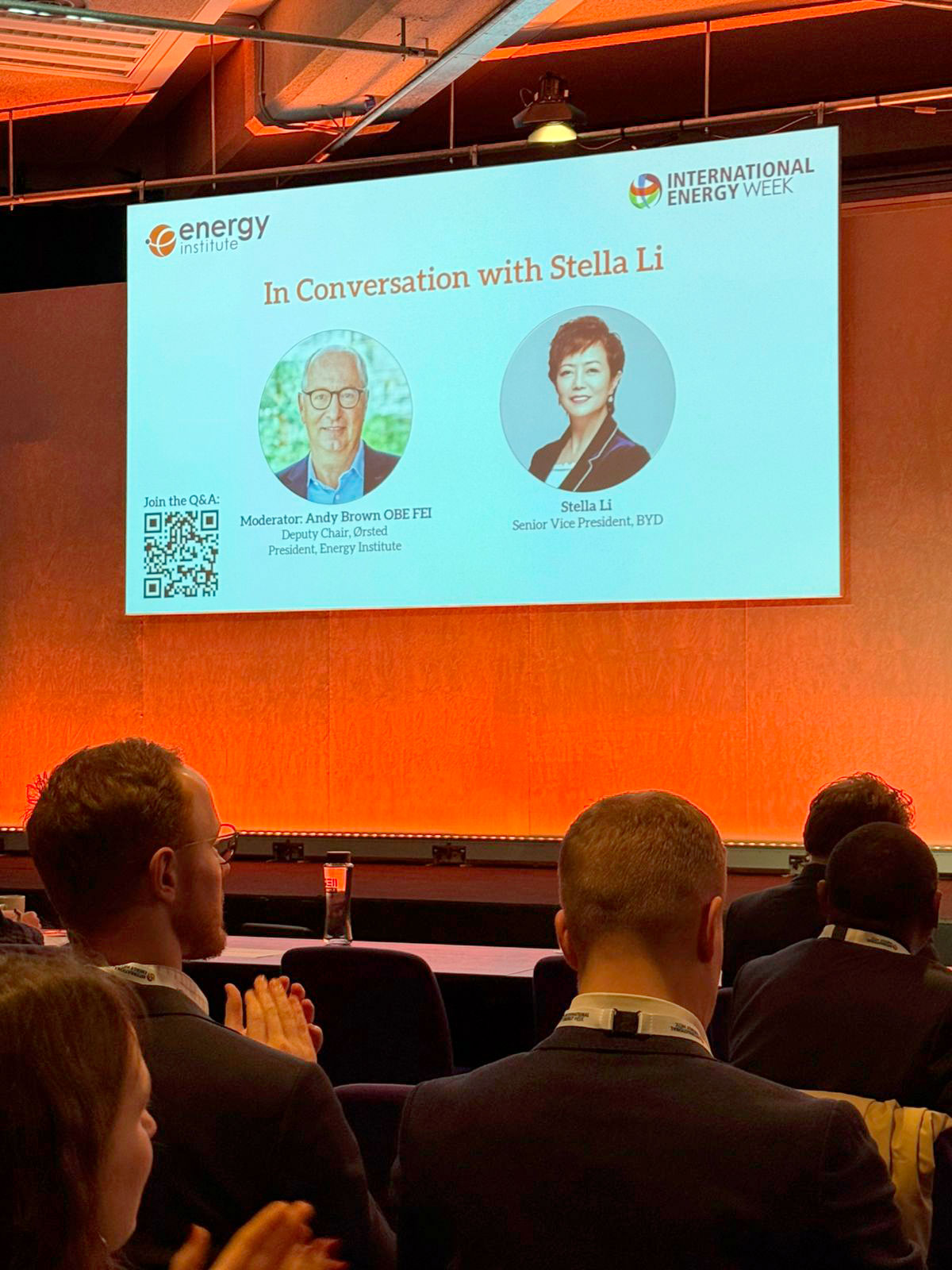
The transition theme continued in the session featuring Stella Li, Senior Vice President of BYD. The presentation demonstrated how electrification is reshaping not only transport but the broader energy system through the integration of mobility, battery storage and power infrastructure.
Electric vehicles are becoming a structural driver of electricity demand while enabling more efficient utilisation of renewable generation. The discussion illustrated a broader trend — the gradual integration of transport, industry and electricity sectors into a single interconnected energy system.

Fusion research and robotics — technologies beyond traditional energy
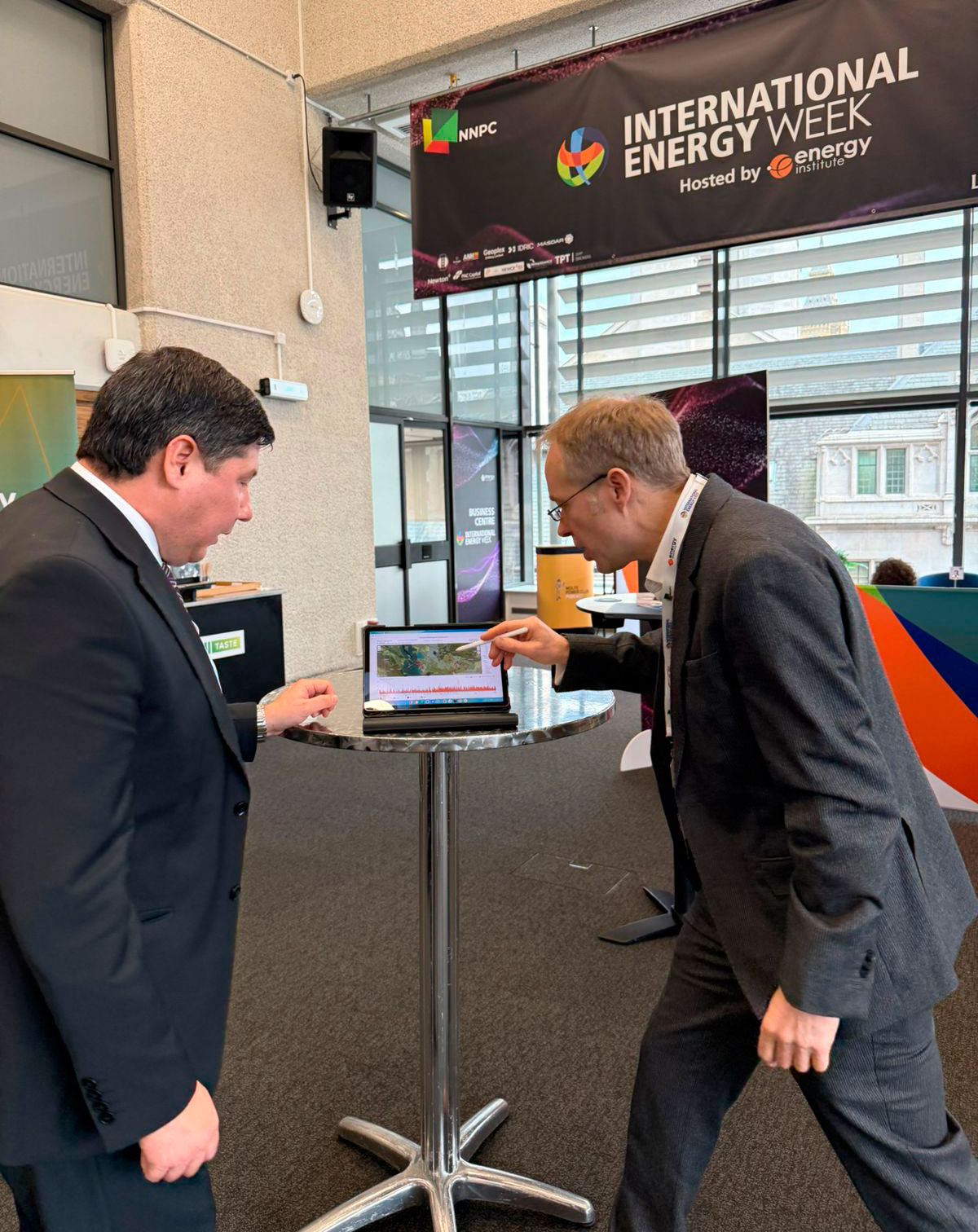
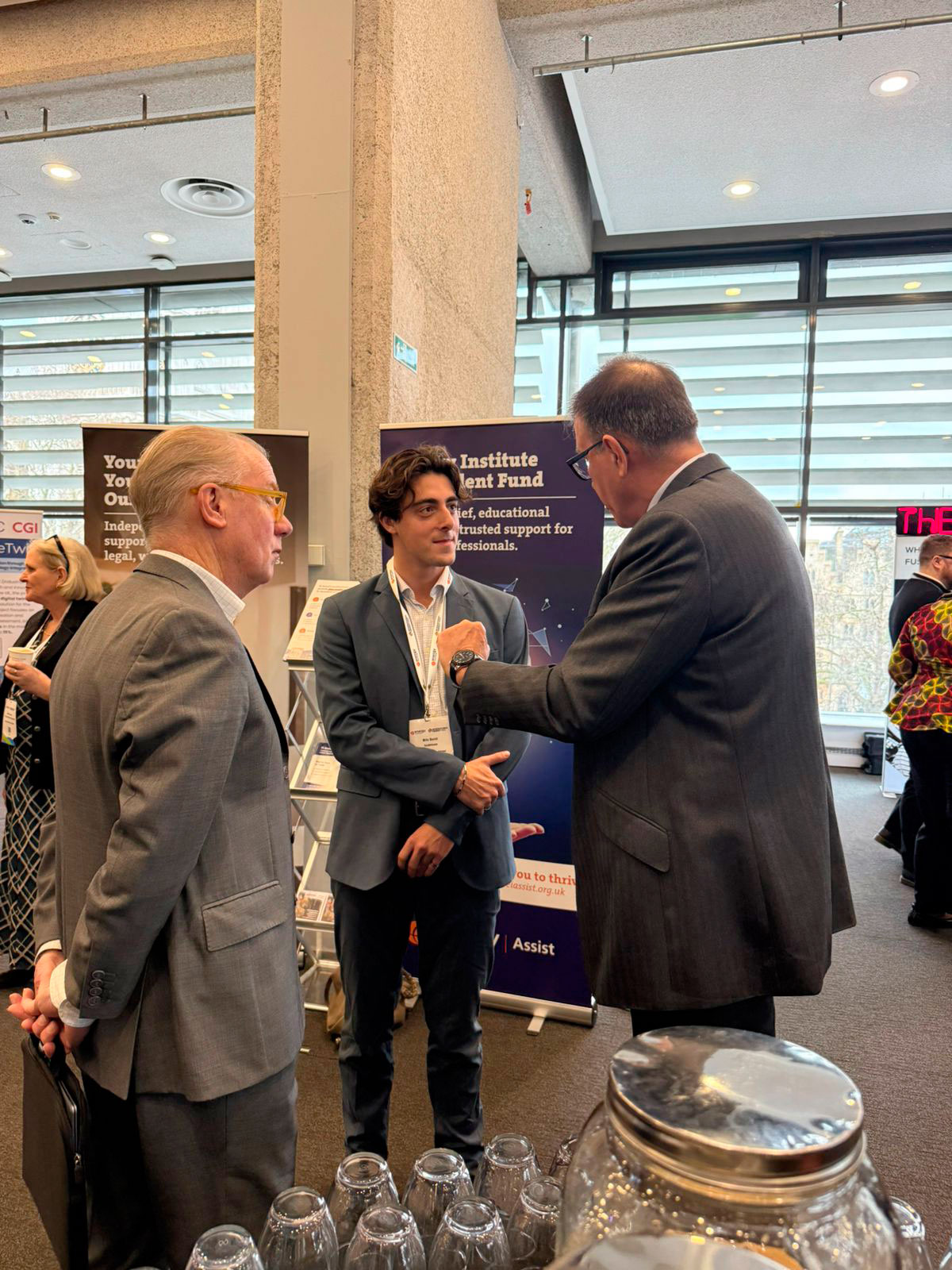
Alongside market discussions, the forum presented advanced engineering developments. Meetings with specialists from the UK Atomic Energy Authority introduced progress in fusion research, considered a potential long-term clean energy source.
Robotic inspection systems designed for hazardous environments were also demonstrated. Such technologies can operate at nuclear facilities, decommissioning sites and confined industrial environments, significantly reducing risks to personnel. Their application is equally relevant for oil and gas operations, including infrastructure monitoring, leak detection and offshore maintenance, illustrating the growing role of digitalisation and automation in improving safety and environmental performance.
Investment dialogue and priority projects
During bilateral meetings, key areas for international cooperation were presented:
• further development phases of the Galkynysh gas field,
• implementation of the Turkmenistan–Afghanistan–Pakistan–India (TAPI) gas pipeline project,
• offshore projects in the Caspian Sea,
• gas-chemical production and refinery modernisation,
• utilisation of associated gas and digital energy solutions,
• renewable energy development, including a hybrid solar-wind power plant near Turkmen Lake “Altyn Asyr” and additional solar initiatives.
Discussions confirmed increasing investor interest in projects combining resource potential with transparent implementation mechanisms and technological partnership models.
Environmental responsibility and emission reduction
Environmental performance was an important component of the dialogue. Participants reviewed methane monitoring initiatives and emission reduction measures, including technical work in the Darvaza area where engineering solutions have significantly reduced flaring intensity.
These efforts demonstrate the application of modern technologies and scientific approaches to improving environmental indicators while maintaining industrial productivity.
Continuing cooperation
Participation in the London forums enabled Turkmenistan to expand professional contacts and present its investment potential to a broad international audience. Foreign partners were invited to continue dialogue at upcoming international energy events scheduled to take place in Ashgabat this year.
The meetings demonstrated sustained interest in cooperation with Turkmenistan — both as a reliable energy supplier and as a country consistently implementing modern technologies, environmental practices and new energy solutions within its long-term development strategy.