


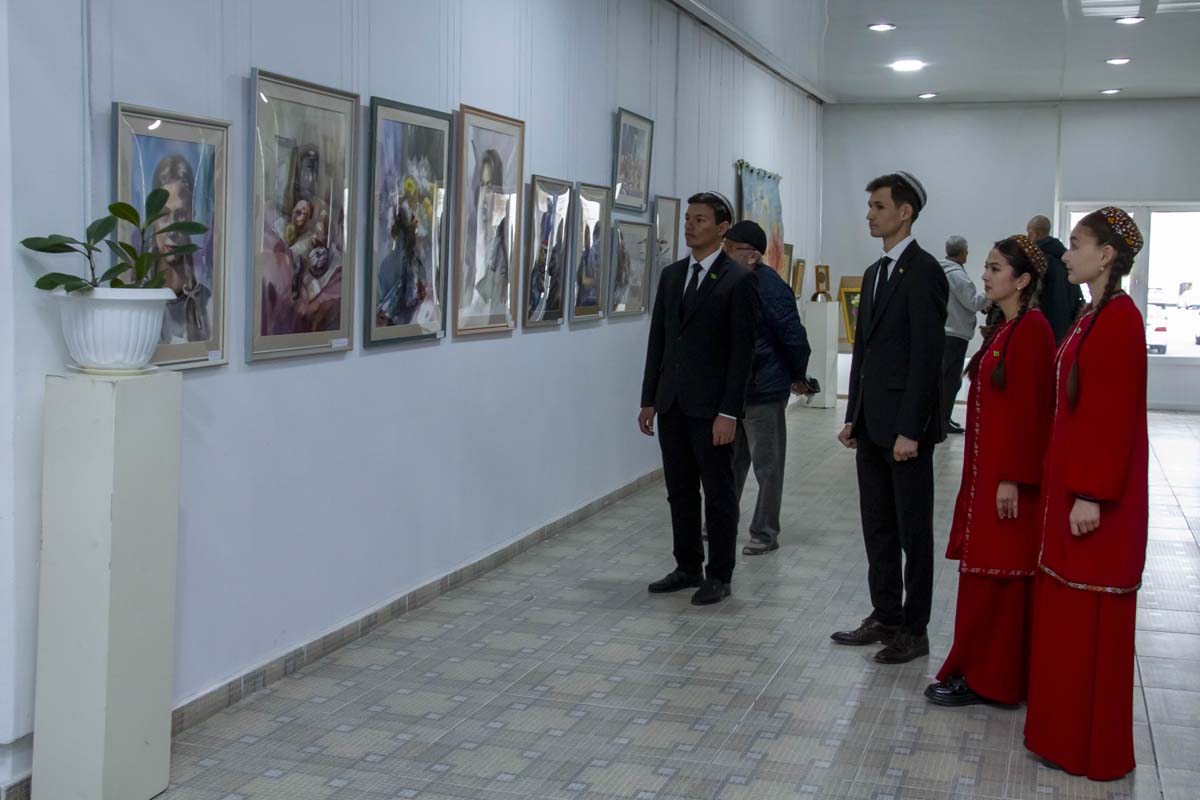

Since ancient times, the arrival of spring in the East has been celebrated with a joyful and life-affirming festival. It is felt in every home, in the clean, crisp air, in the greenery of the grass, and in the buds on tree branches. How artists convey the mood of their compatriots welcoming Nowruz Bayram is reflected in the exhibitions currently on display in museums and galleries.
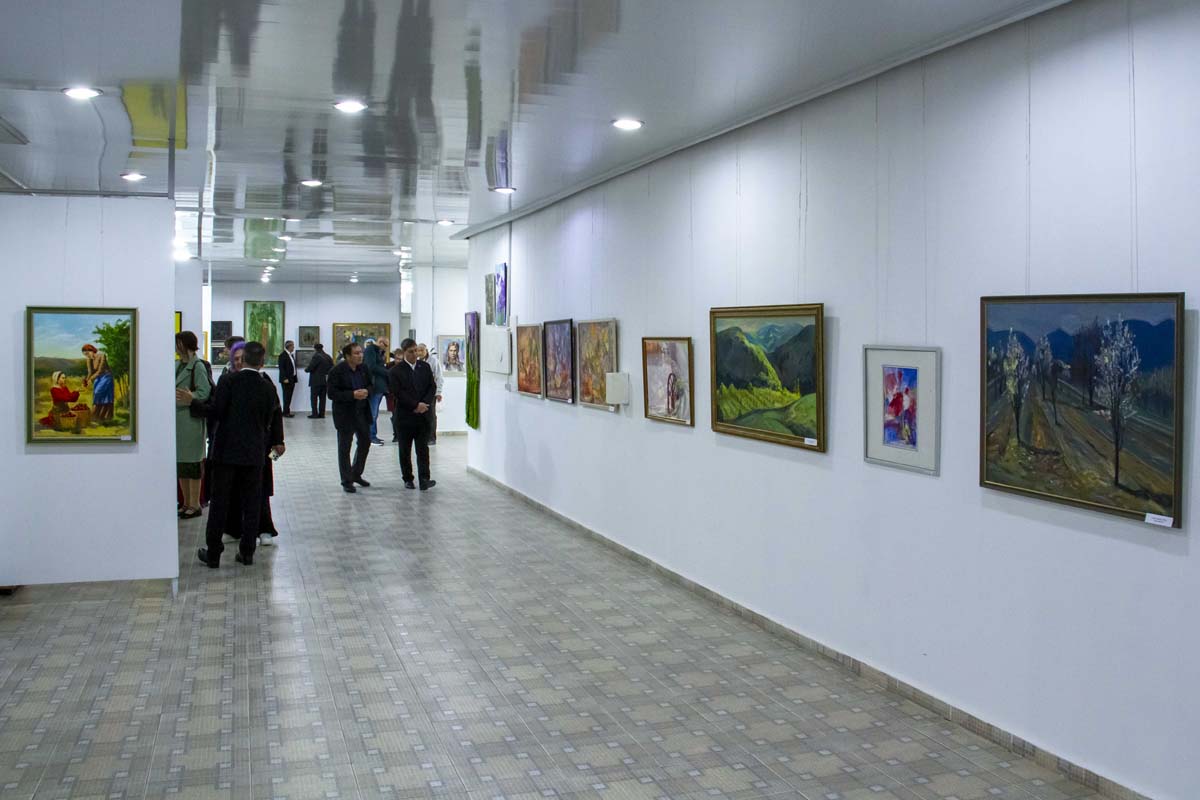
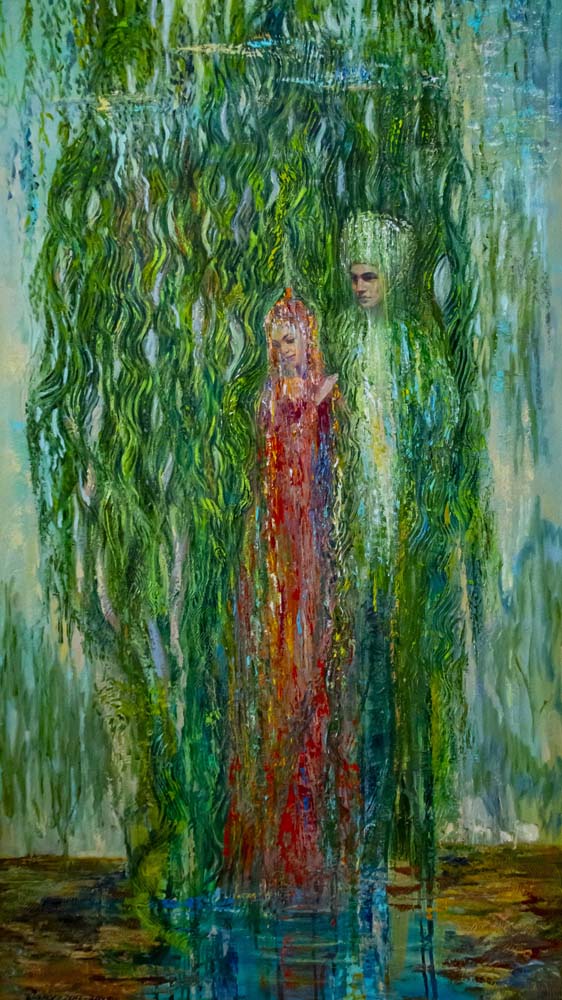
An exhibition of works by Turkmen artists has opened at the Exhibition Center of Fine Arts of the Ministry of Culture of Turkmenistan in honor of Nowruz. The romantic spirit of the holiday is expressed, for example, in Charymyrat Yazmyradov’s painting “Leylitach.” In it, lovers take shelter from the rain beneath the crown of a leylitach tree.
“I was inspired to create this painting by a poem of our Arkadag with the same title,” says Charymyrat. “Rain with the arrival of spring is quite common. While the earth gratefully receives it, striving to store moisture, for lovers it can bring some inconvenience. Fortunately, one can take shelter under the branches of a tree whose name translates as ‘Leyli’s hair.’”
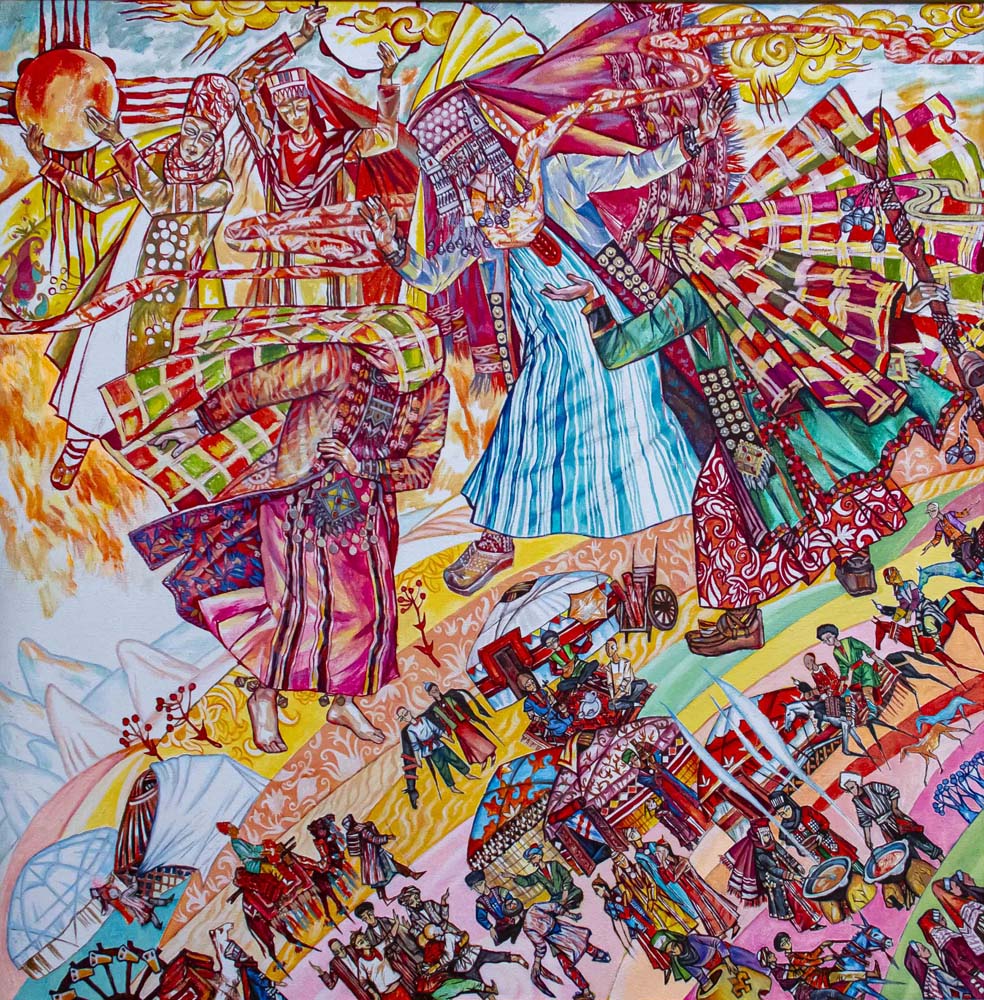
The peak of the Nowruz celebration is also captured in Alexander Kinyakin’s painting “Kushdepdi.” Using a decorative style and original perspectives, the artist recreates the atmosphere of a folk festival. Women, performing a spirited dance, dominate the scene, depicted prominently in the foreground. The work of Kinyakin has attracted visitors with its fresh artistic approach.
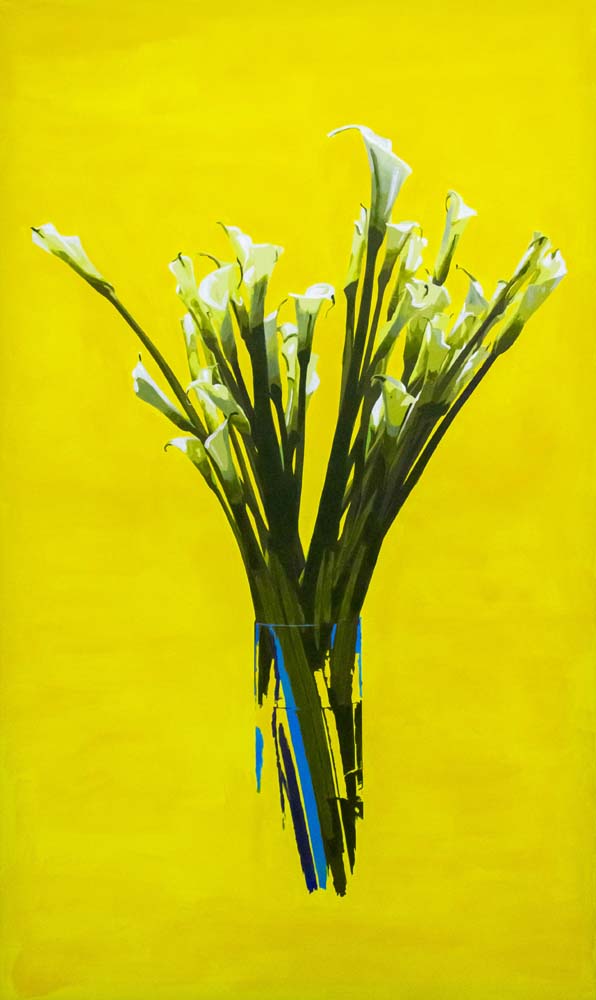
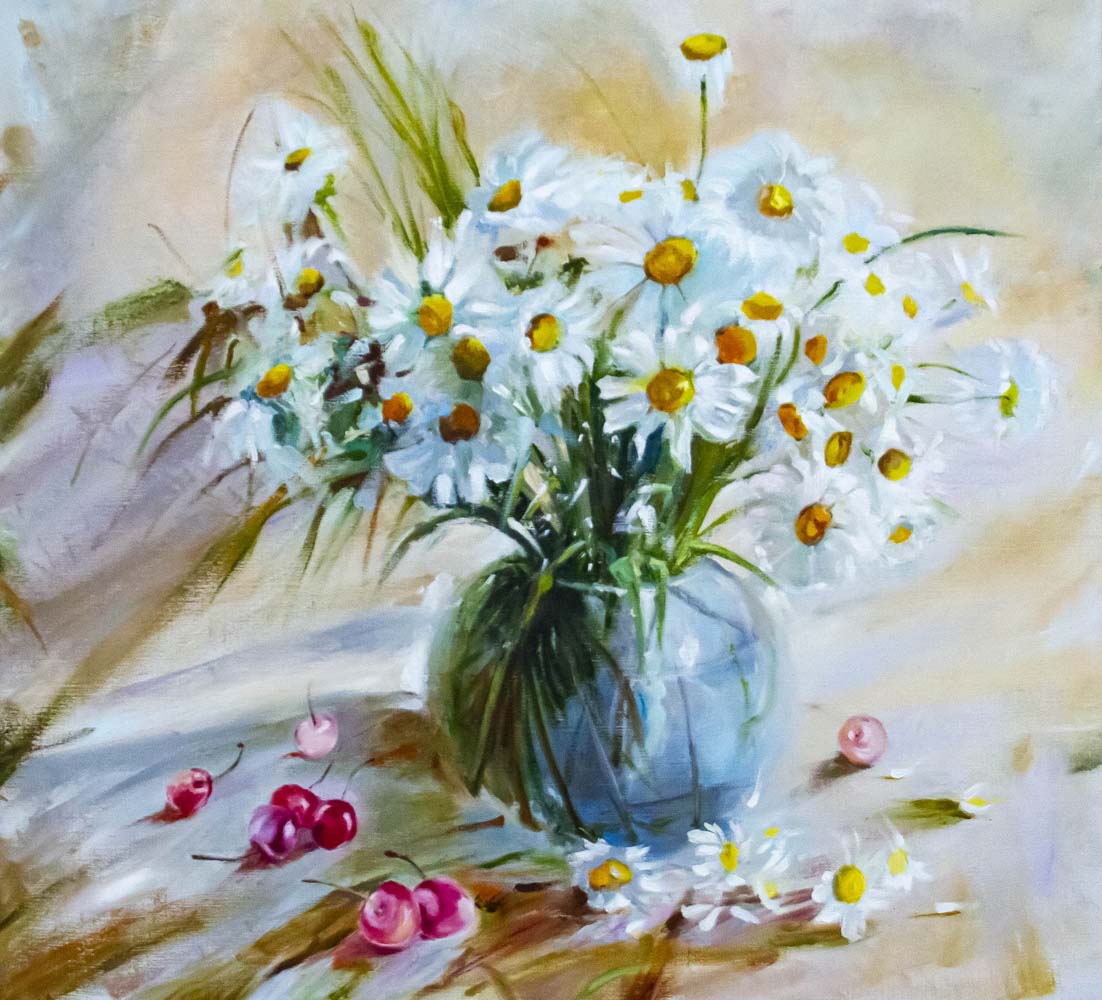
Another artist, Meylis Charyev, presented viewers with a beautiful bouquet of flowers. In his painting, created using just three colors—yellow, green, and white—the bouquet resembles paintbrushes in an artist’s studio. The still life stands out for its freshness, lightness, and elegance.
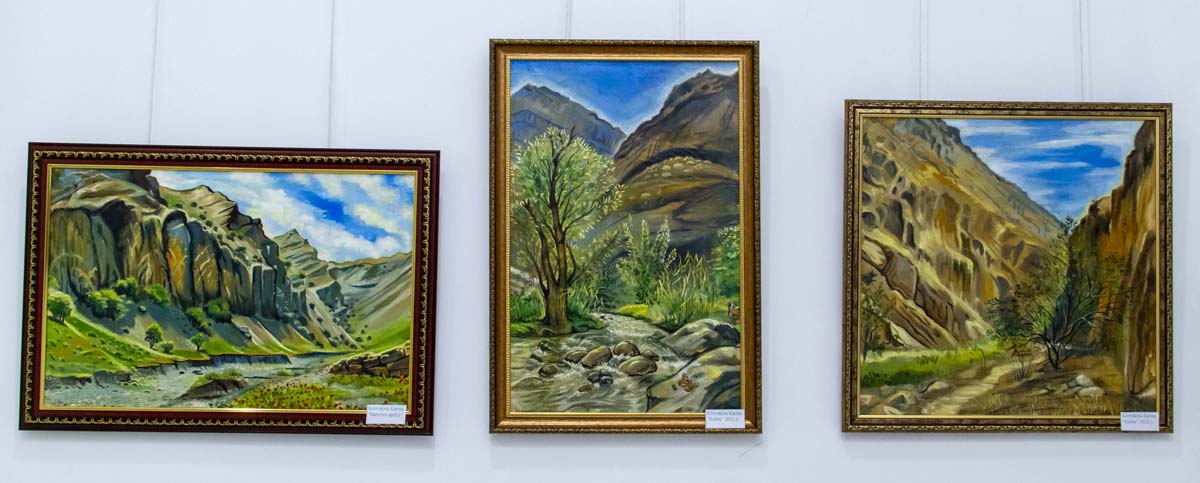
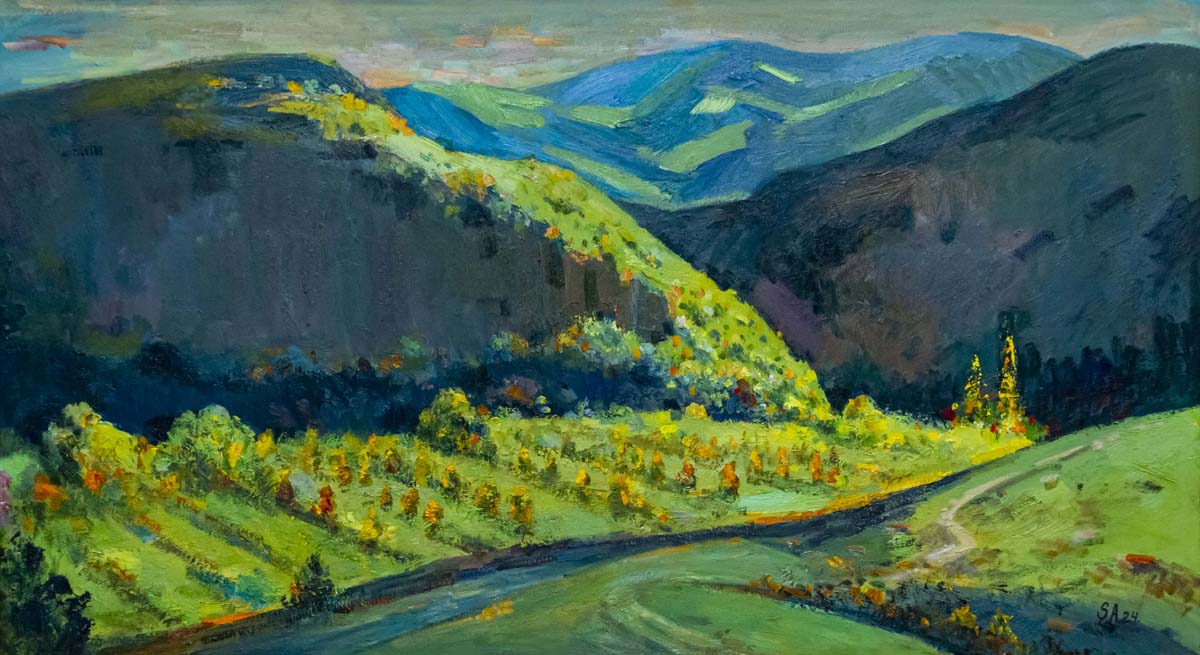
Karina Klevakina visited the countryside in spring for plein air painting. She fell in love with the landscapes she encountered and felt compelled to capture them on canvas. Karina shared her impressions with visitors through her landscapes “Bars Gorge” and “Kel-Ata,” inspiring viewers to visit these beautiful places.
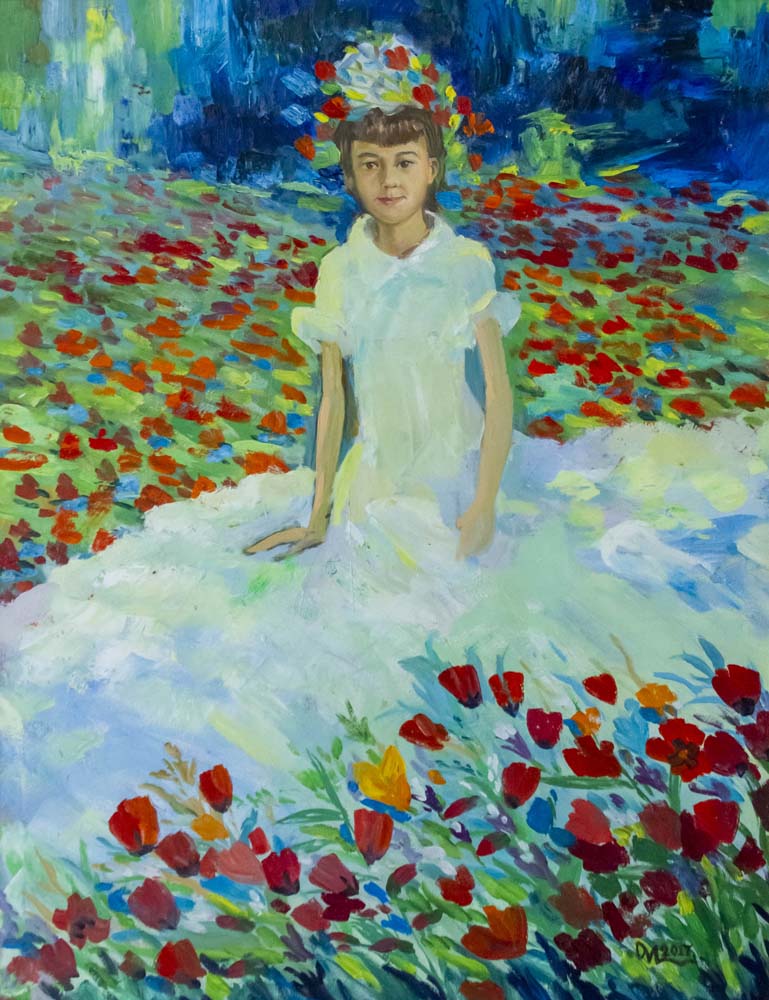
Spring has truly blossomed in Ovezmammet Oveznurov’s work “Flowers of Jennet.” The artist depicts a young girl in a field of blooming poppies. Spring is the most beautiful time of the year—a fact one realizes every time they venture into nature—and this painting confirms it.
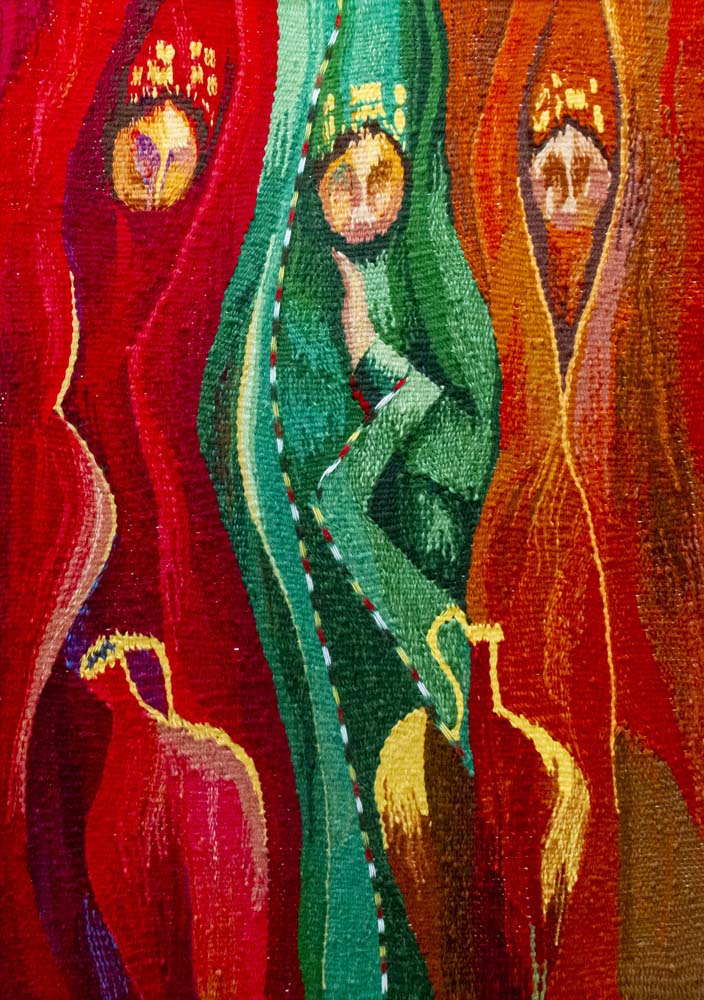
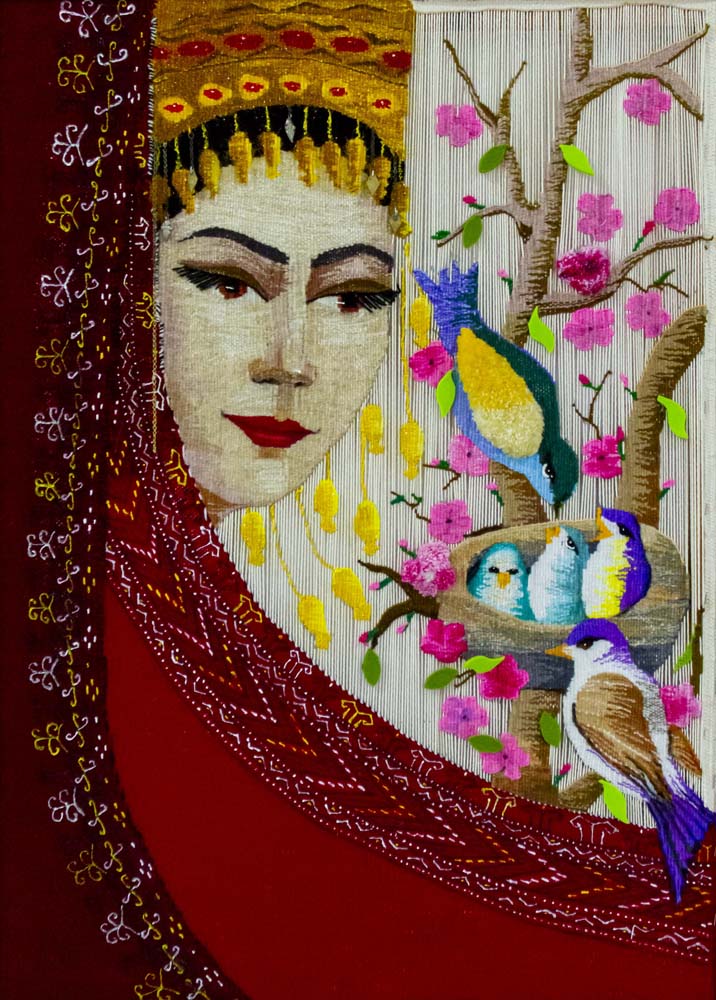
Interesting tapestries were also presented by Ogulsoltan Shokhradova and Bahar Pirguliyeva. In her work “Women,” Ogulsoltan uses elongated, flowing forms to depict female figures and jugs, while Bahar employs a realistic style in her piece “Motherhood.”
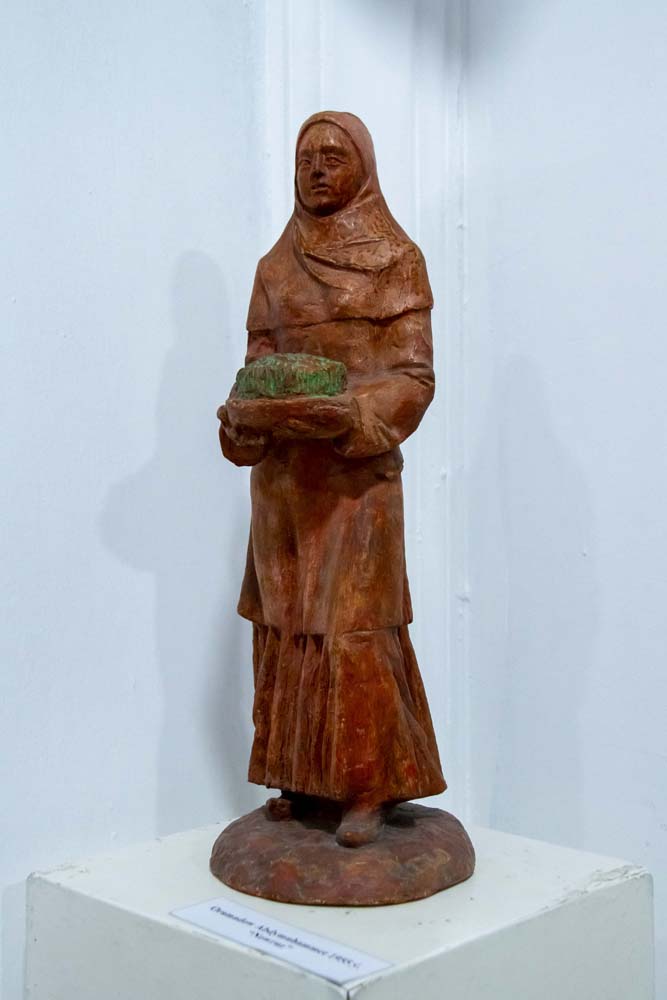
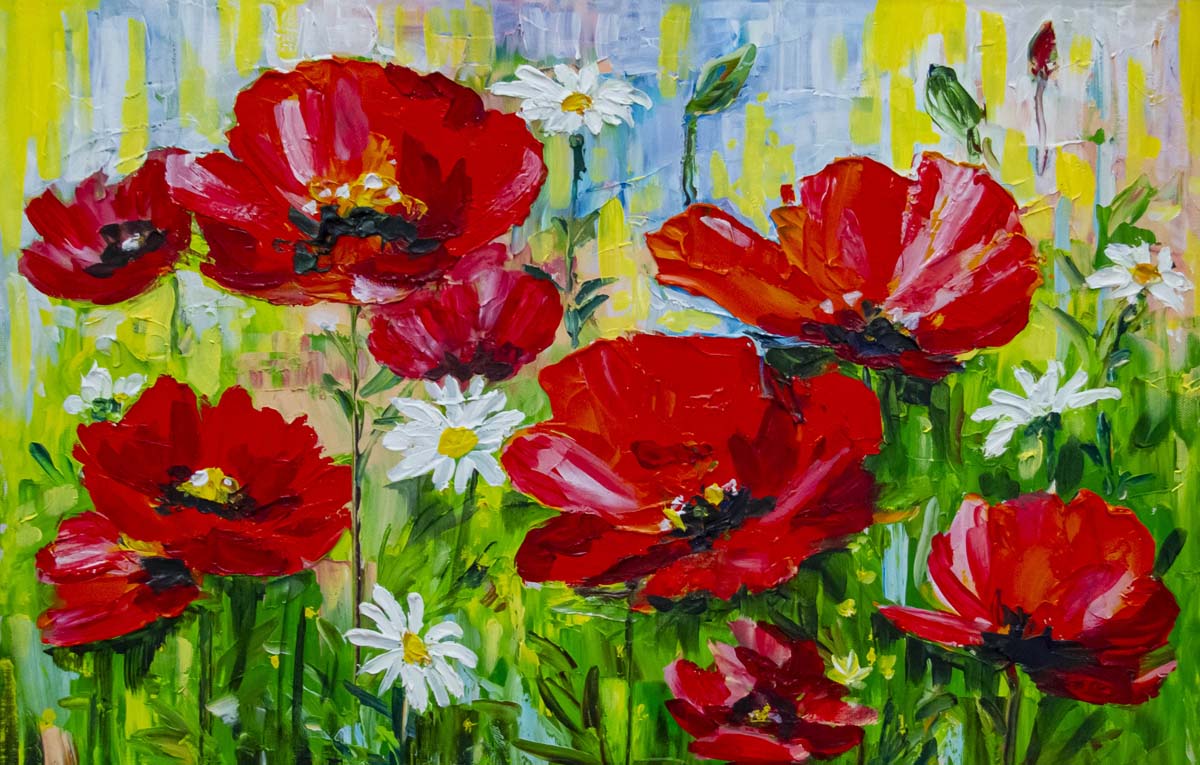
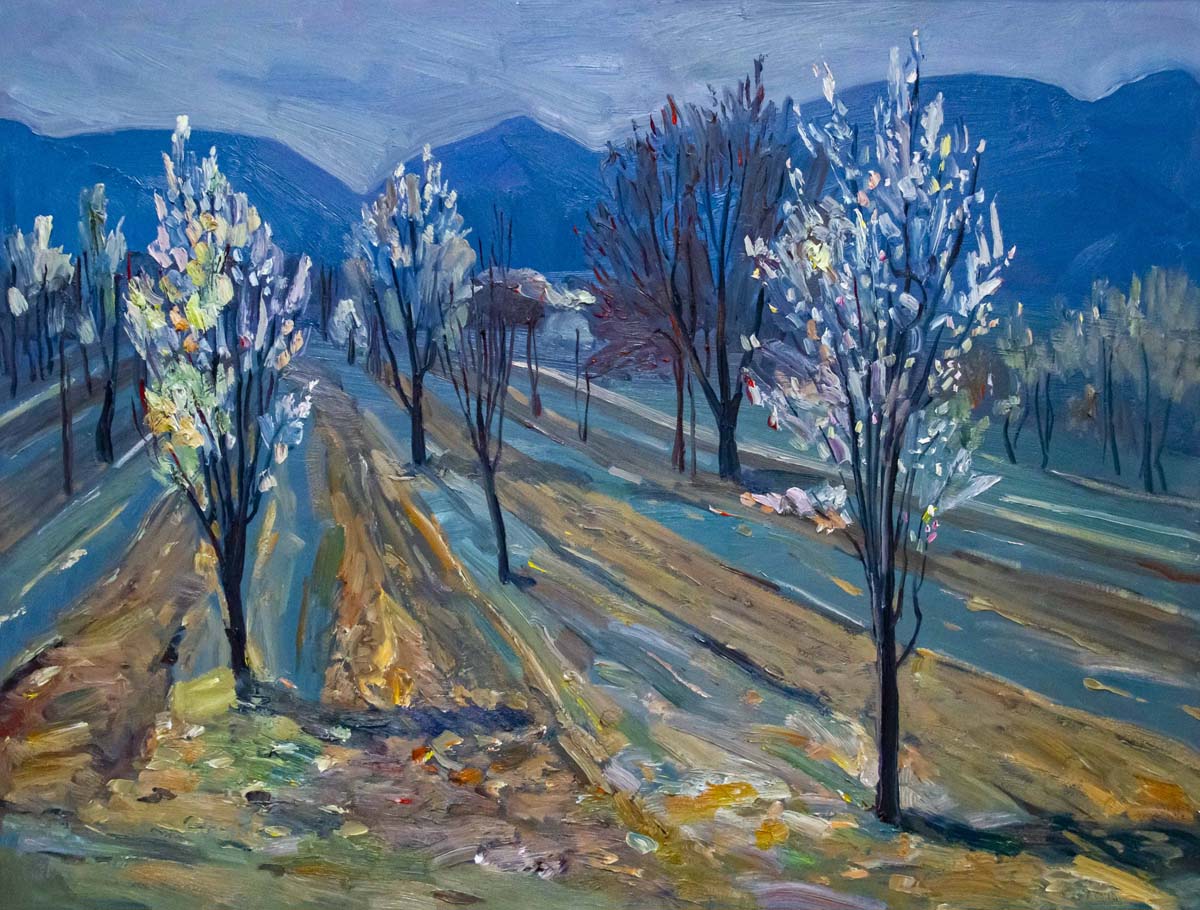
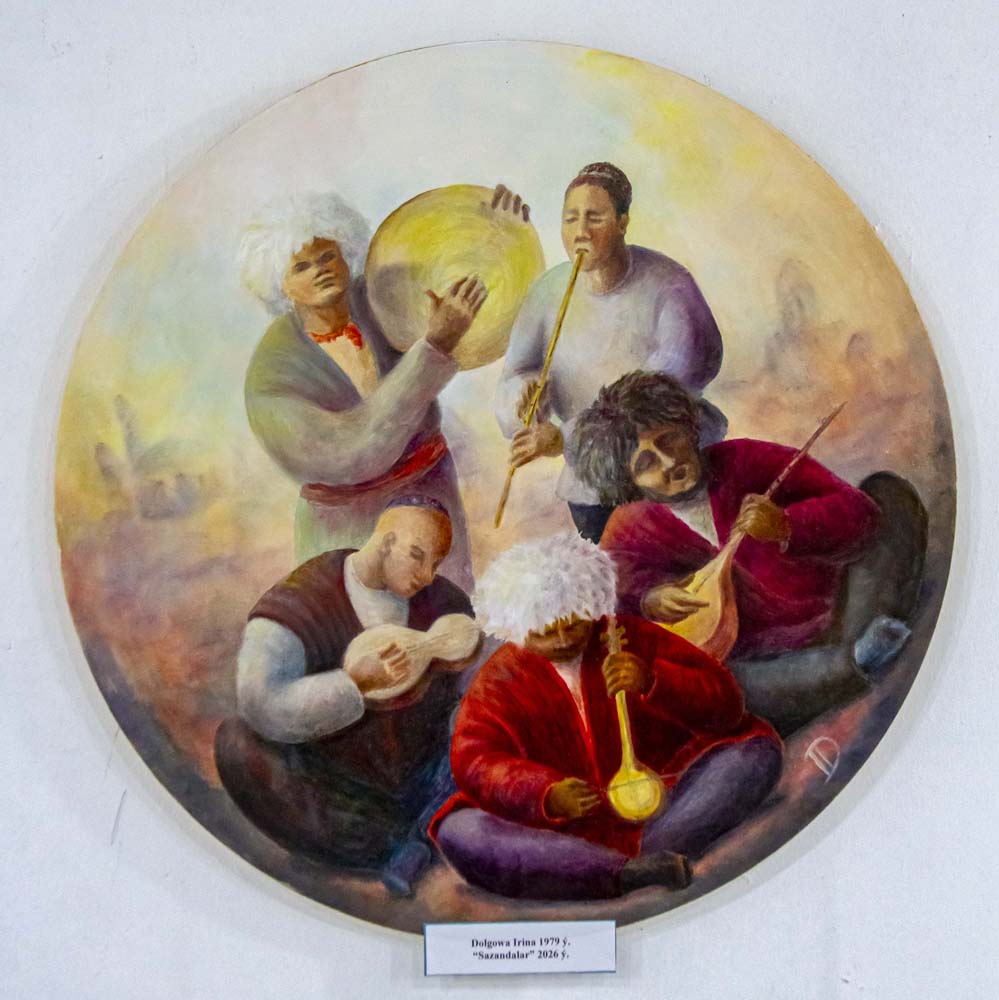
Abdymukhammet Oramadov presented a small-scale sculpture titled “Nowruz.” The sculptor created a figure of an elderly woman holding a bowl with sprouted wheat—one of the main symbols of the Nowruz holiday in the East. The exhibition dedicated to the arrival of spring also features many other remarkable works, including “Musicians” by Irina Dolgova, “The Gardens Have Blossomed” and “Mulberry Trees” by Shagylych Atayev, and “Poppies” by Inna Legenskaya. All of them tell the story of welcoming spring, the festive mood of the country’s residents, and the joy of living under a peaceful sky.