


Specialists at the International Scientific-Technological Park of the Academy of Sciences of Turkmenistan are conducting research at the intersection of two modern scientific fields—biomimetics (the study and application of principles found in living nature to develop new technologies) and nutrigenomics (the science that examines how nutrition and biologically active compounds influence gene activity).
The research, led by Durdymyrat Gadamov, Director of the International Scientific-Technological Park of the Academy of Sciences of Turkmenistan, and Altyn Rakhmanova, Head of the Biotechnology Laboratory, is focused on investigating the mechanisms of longevity and maintaining quality of life by drawing upon the natural potential of the region.
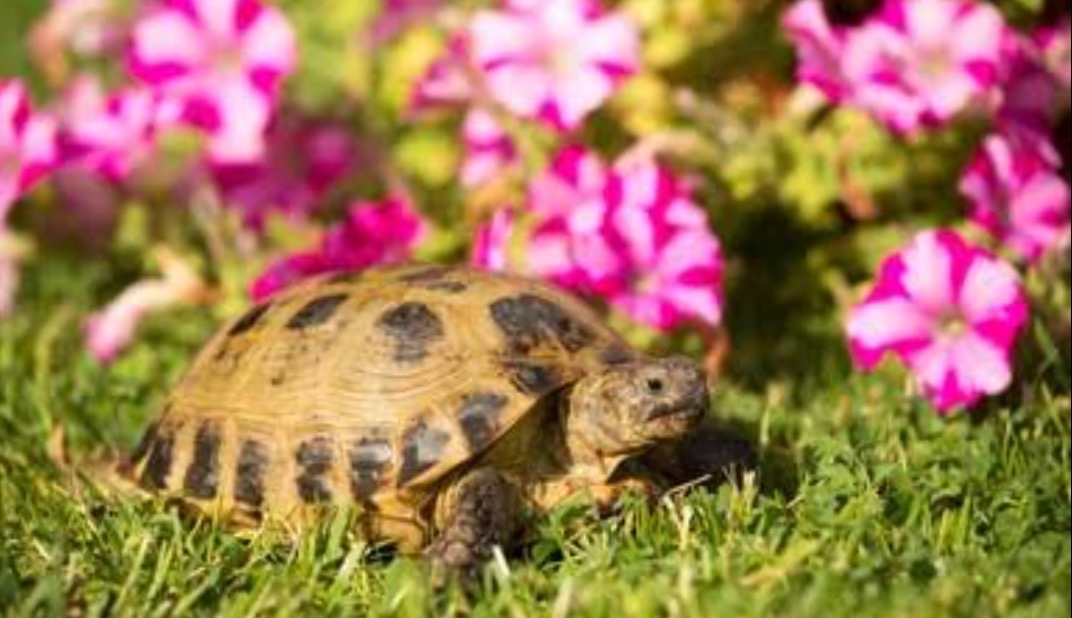
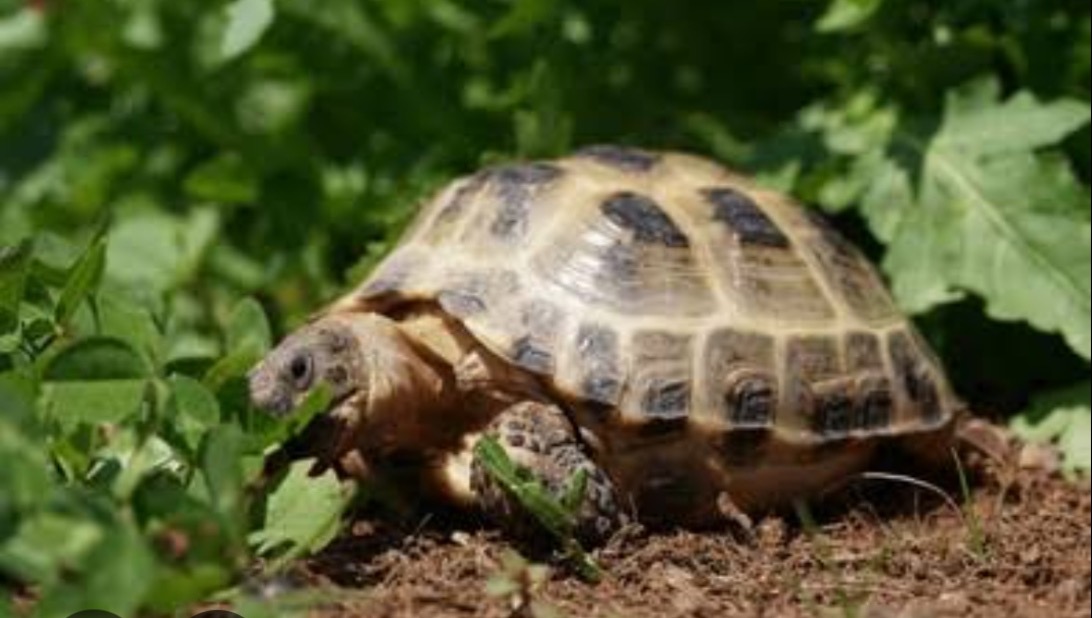
One of the subjects of the biotechnological studies is the Central Asian tortoise (Testudo horsfieldii). In biology, this species is regarded as a model of “negligible senescence” because of its ability to preserve its biological functions for decades.
Genetic analyses indicate that the resilience of this organism, which evolved under the harsh conditions of the Garagum Desert, is linked to complex DNA repair mechanisms and the efficient functioning of sirtuin proteins, which are responsible for maintaining cellular stability. Understanding these protective mechanisms against oxidative stress opens new prospects for domestic medicine and biotechnology.
A fundamental resource supporting the development of these studies is the multi-volume work “Medicinal Plants of Turkmenistan,” which serves as an extensive and systematically organized repository of information on the country's natural resources. Investigating the longevity phenomenon of tortoises has enabled researchers to take a fresh look at plant resources that have been used in traditional medicine for centuries. Theoretical models and laboratory research confirm that biologically active compounds—including flavonoids, saponins, and glycosides, which are abundant in the region’s flora—may act as longevity modulators. These compounds influence the same signaling pathways, such as the activation of sirtuins and the stabilization of p53-dependent processes, that contribute to the remarkable resilience of Testudo horsfieldii.
Today, the task of the International Scientifi-Technological Park of the Academy of Sciences of Turkmenistan is to transform this theoretical knowledge into practical solutions. To develop formulations that meet international standards, researchers combine computer modeling methods (in silico) with in-depth phytochemical analysis. The integration of traditional knowledge about Turkmenistan’s natural environment with modern genetic analysis and computational modeling makes it possible to create new technologies for the pharmaceutical and food industries, thereby contributing to the advancement of modern gerontology.