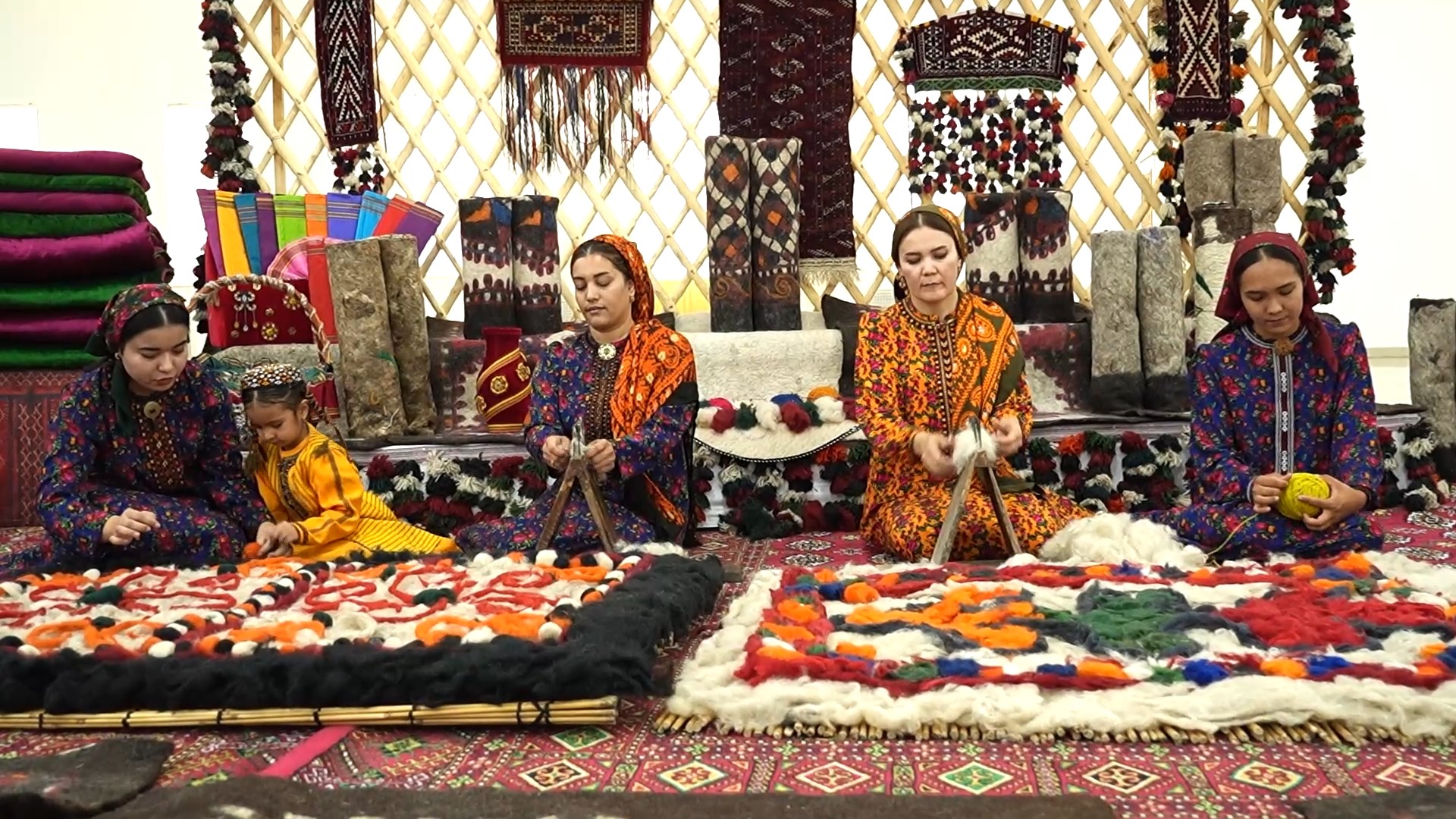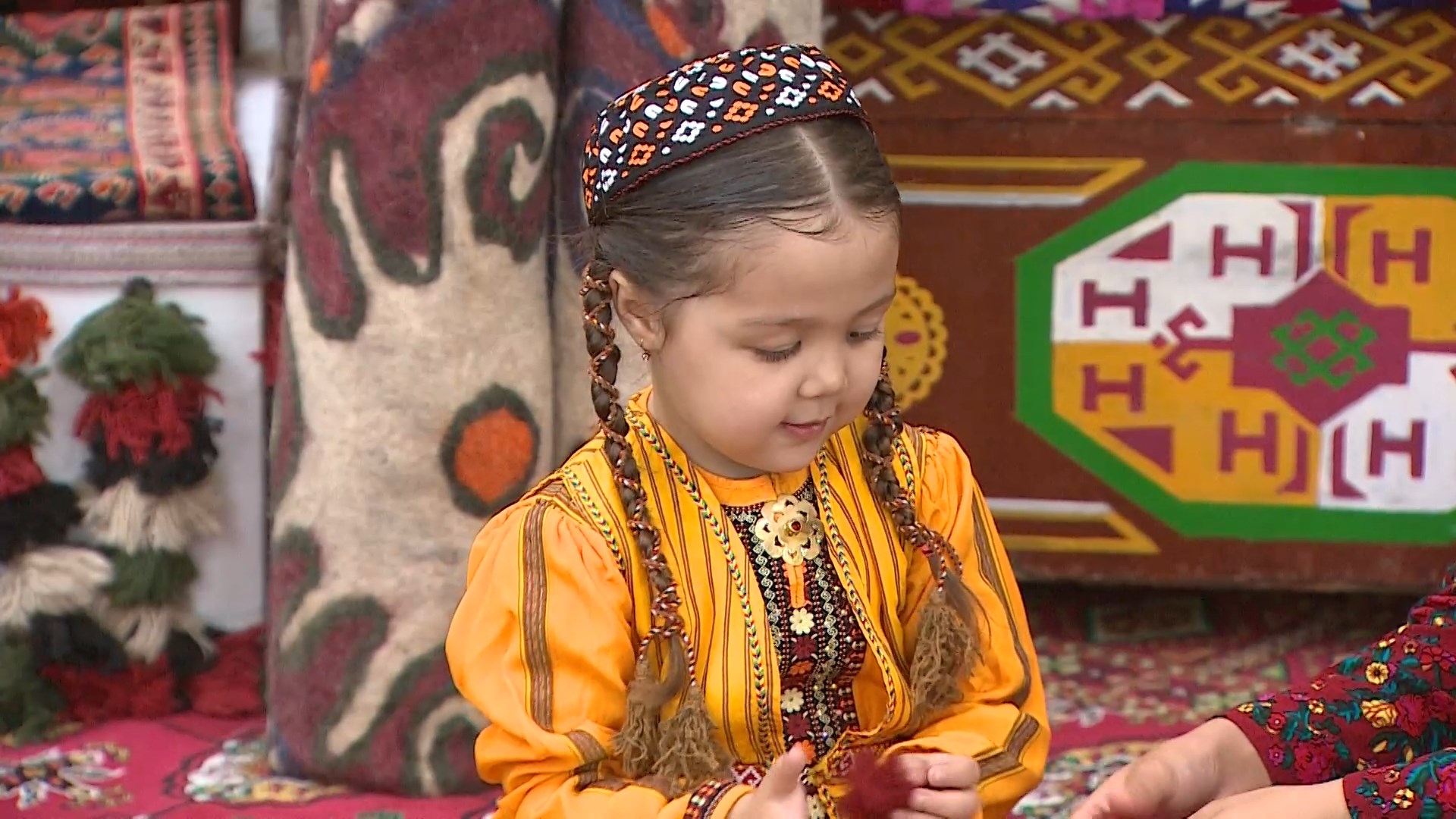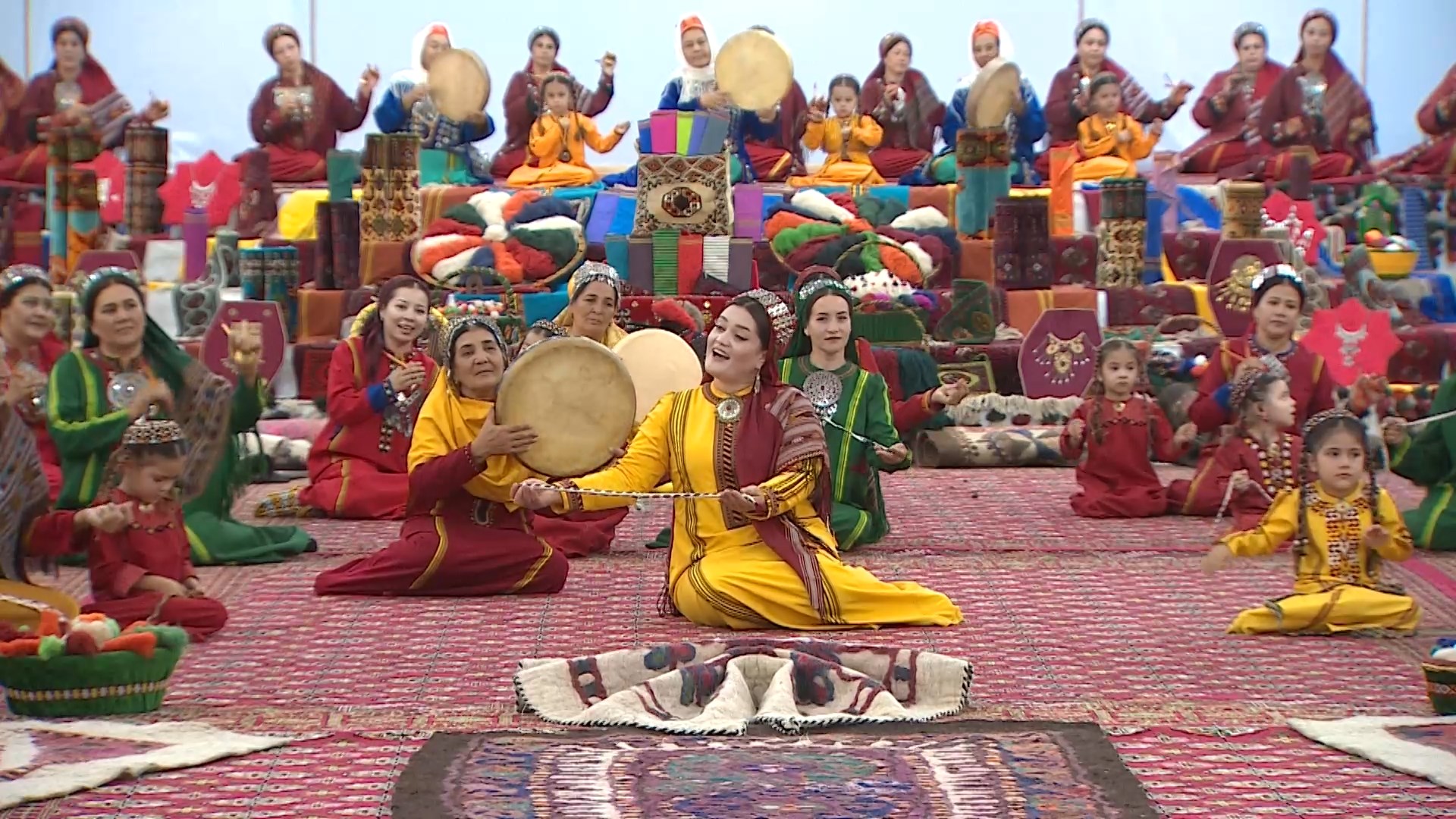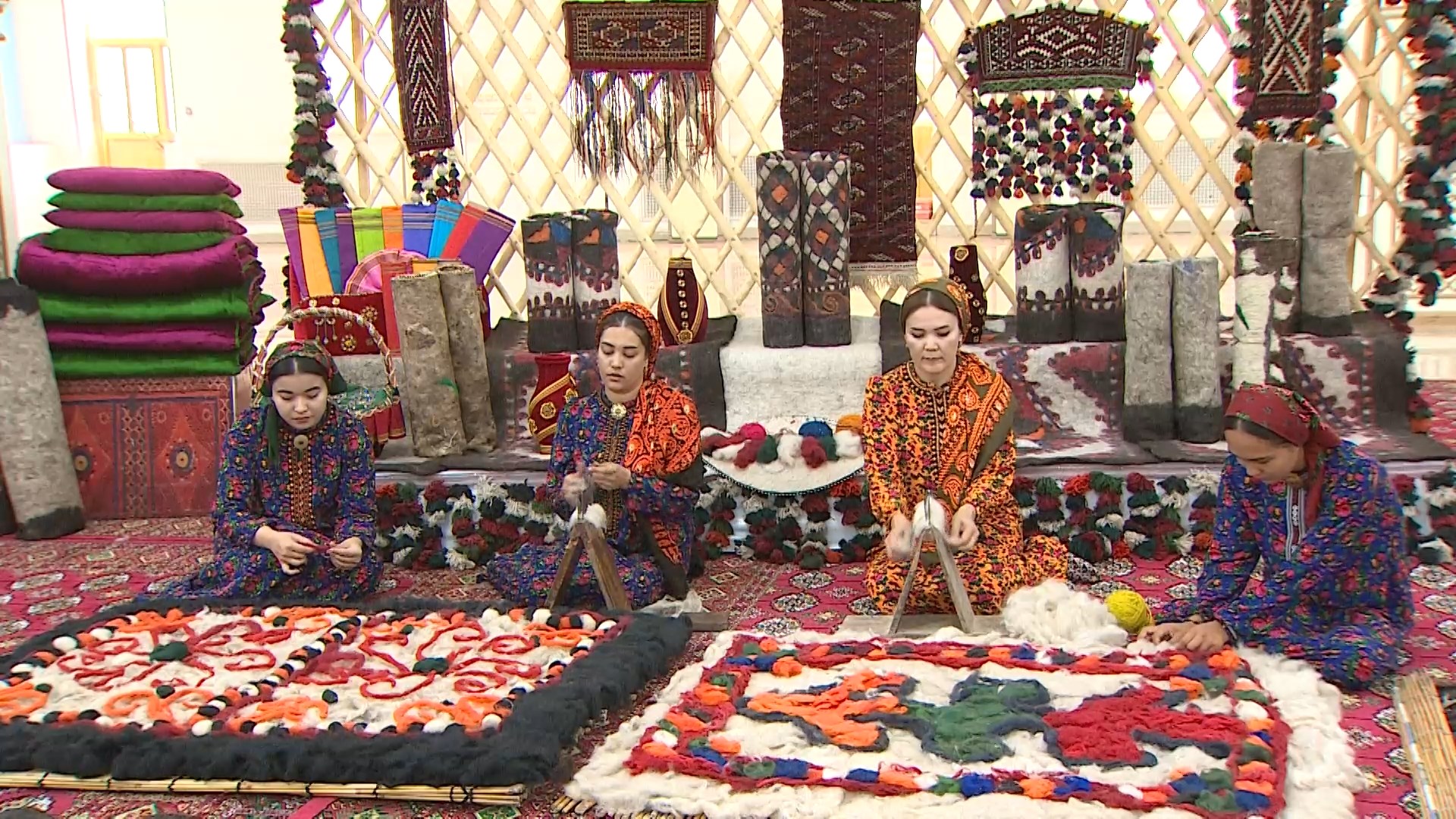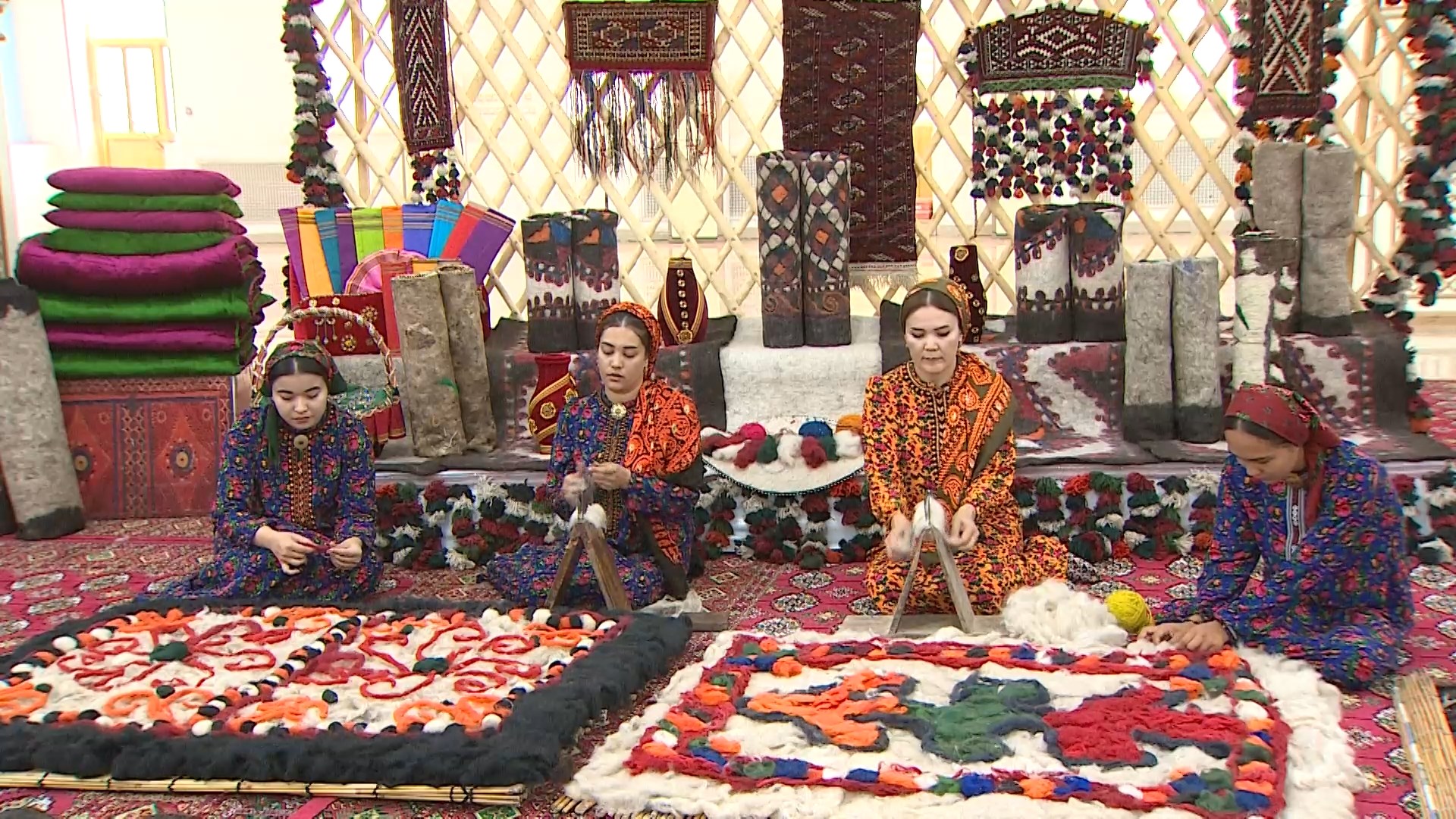



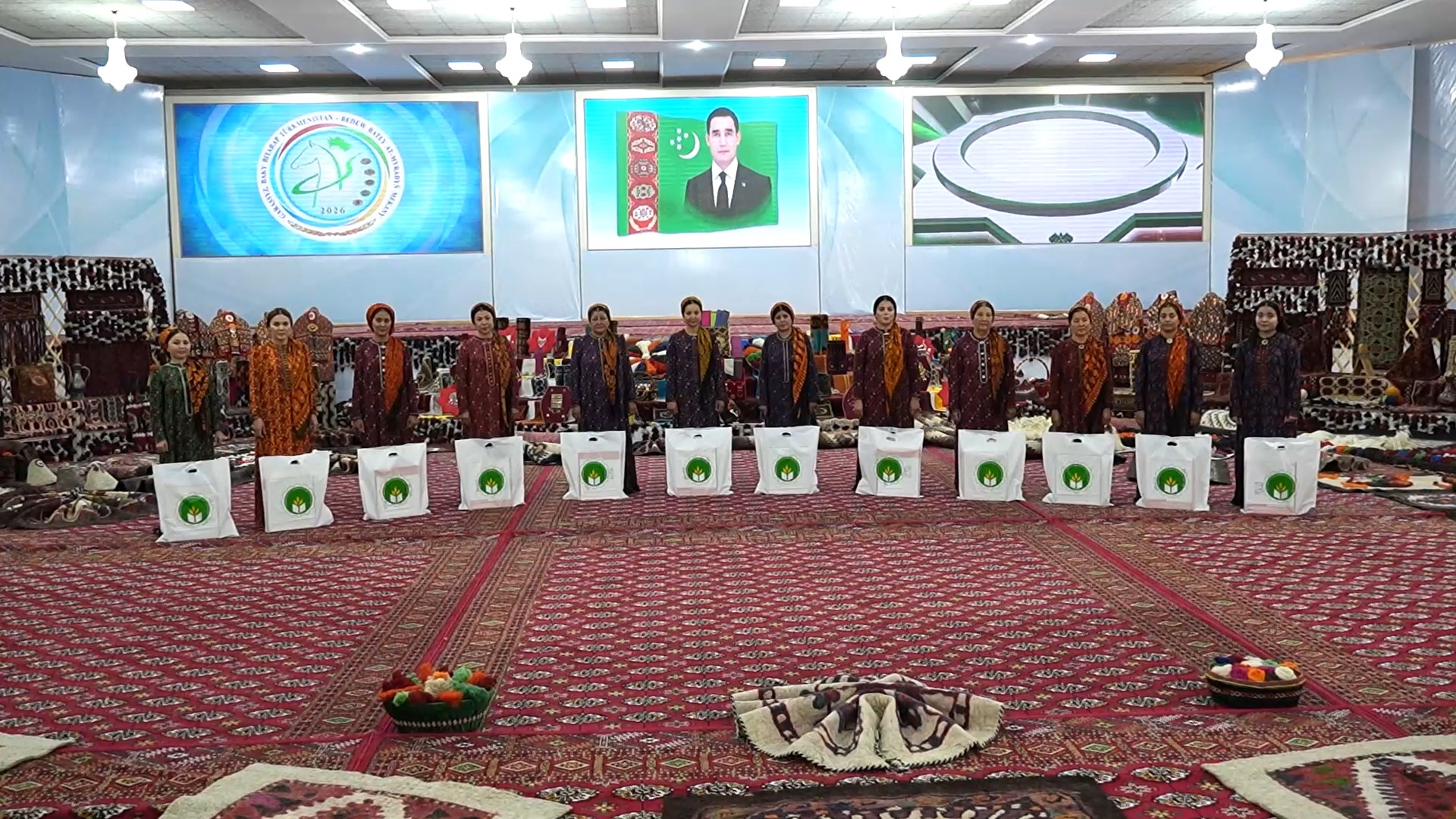
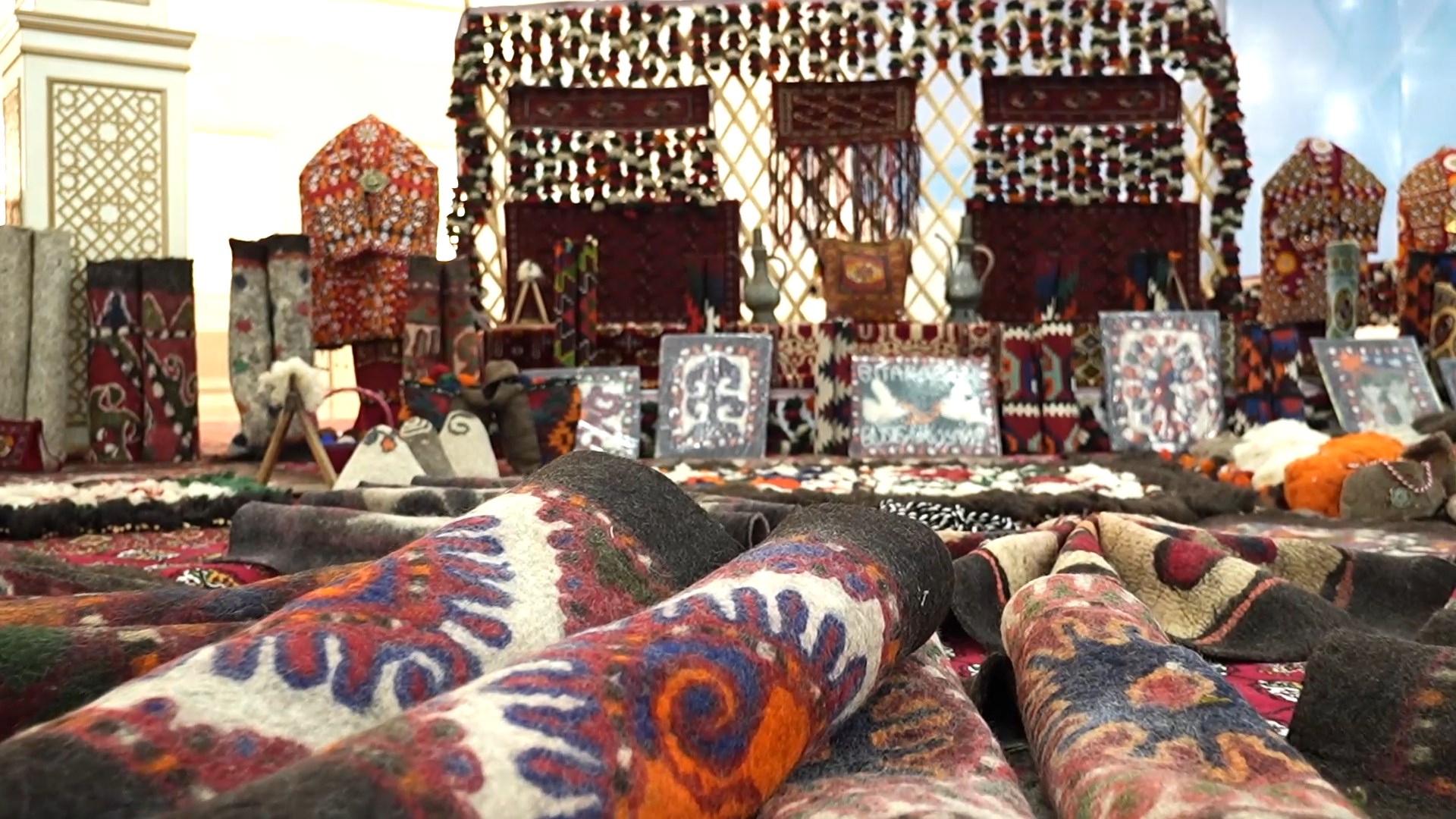
The Lebap velayat hosted a round of the prestigious “Gülüň Owadan” competition, highlighting the historical significance and value of our decorative and applied arts. The event, imbued with deep meaning and a festive atmosphere, brought together craftswomen from the etraps of the velayat who, through their skill and craftsmanship, make a significant contribution to the revival of the ancient art of making koshma (felt). The “Gülüň Owadan” competition is organized and conducted by the Central Council of the Women’s Union of Turkmenistan, the National Center of Trade Unions, and the Secretariat of the National Commission of Turkmenistan for UNESCO.
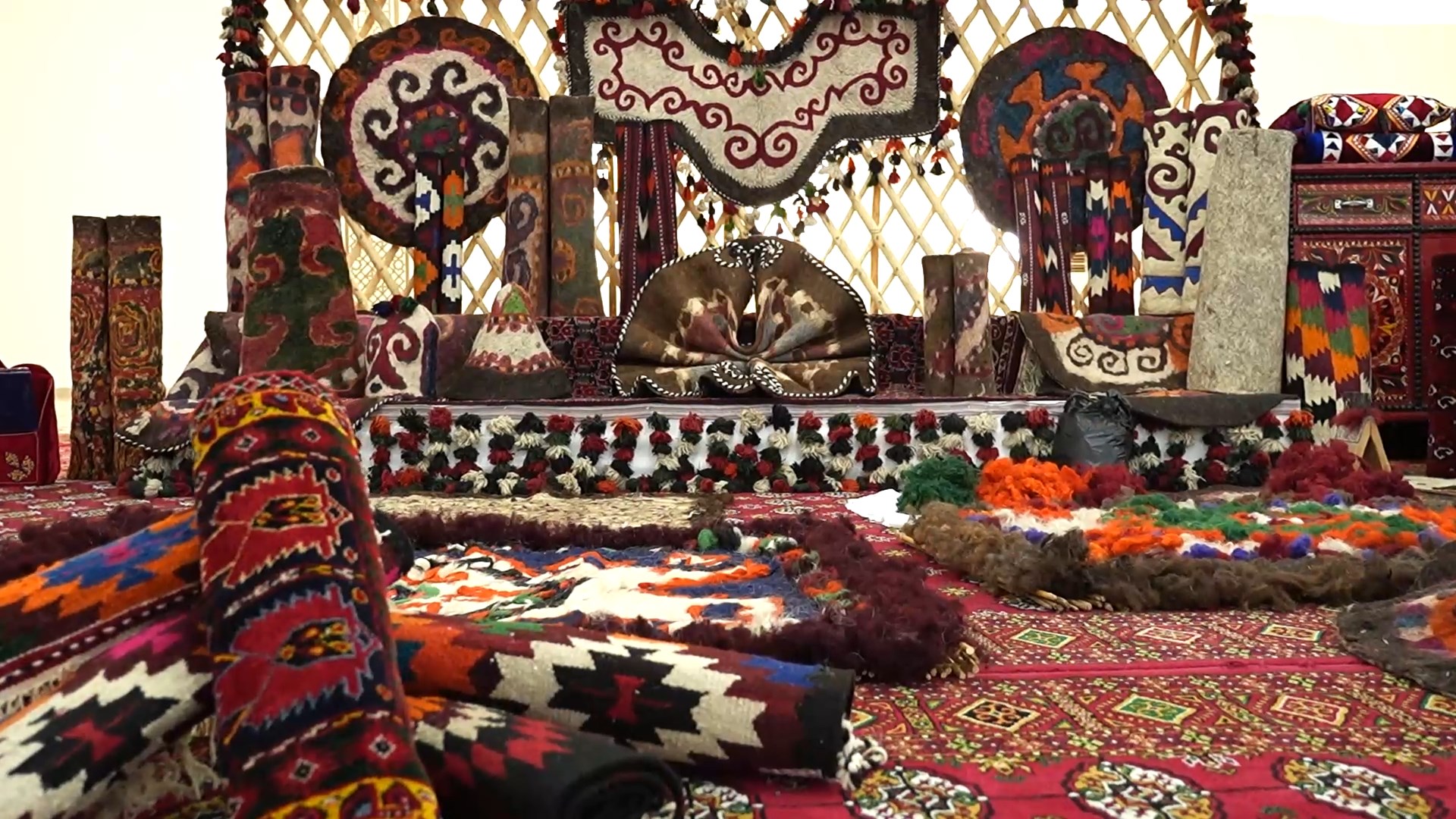
For a long time, this art, which embodies the subtle secrets of an ancient craft, centuries of history and the unique beauty of traditions, has represented one of the most refined expressions of the spiritual world of our people.
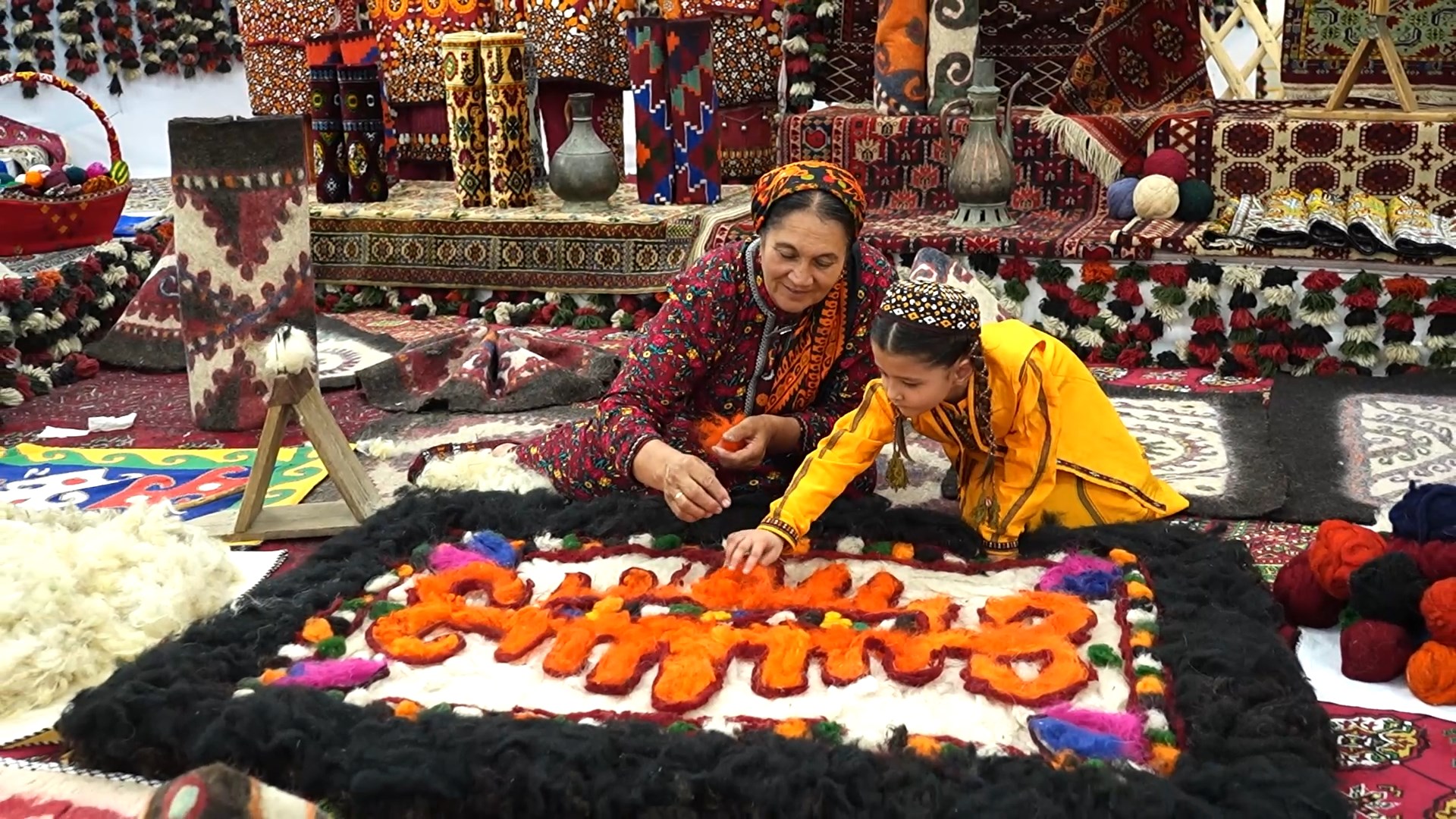
When one looks at the national heritage of the Turkmen people, a vivid “bouquet of flowers” comes to life before one's eyes: carpets, embroidery and ornamental designs, national clothing created by the skillful hands of our dear mothers and beloved sisters, as well as jewelry art adorning our brides and magnificent Akhal-Teke horses. All of these traditions harmoniously combine with a rich spiritual heritage that has become an integral part of world culture and has been inscribed on the UNESCO Representative List of the Intangible Cultural Heritage of Humanity.
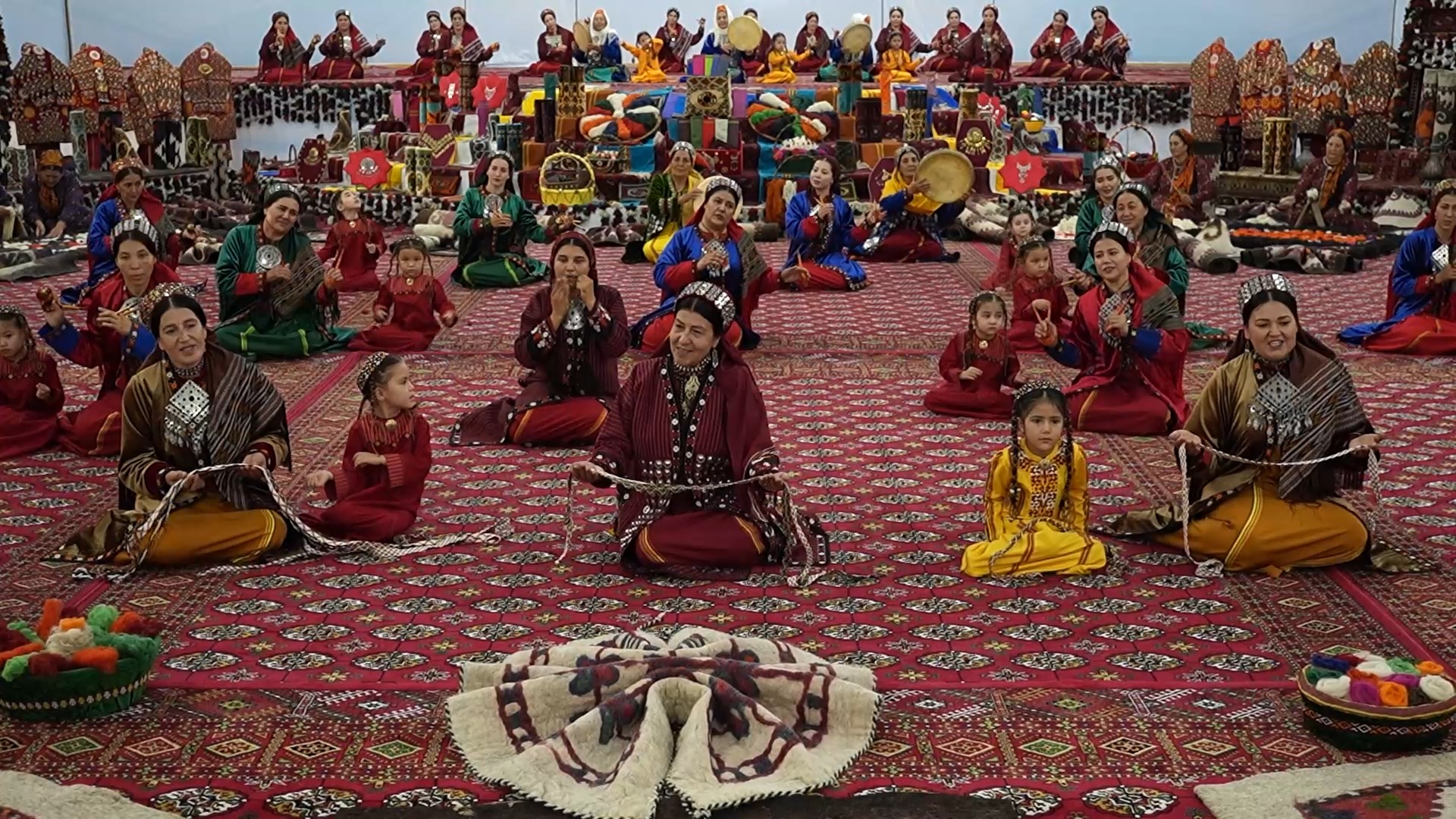
Preserving this elegant art, created and refined over thousands of years, enriching it with new colors, and passing it on to future generations in its original form are among the principal aims of the competition.
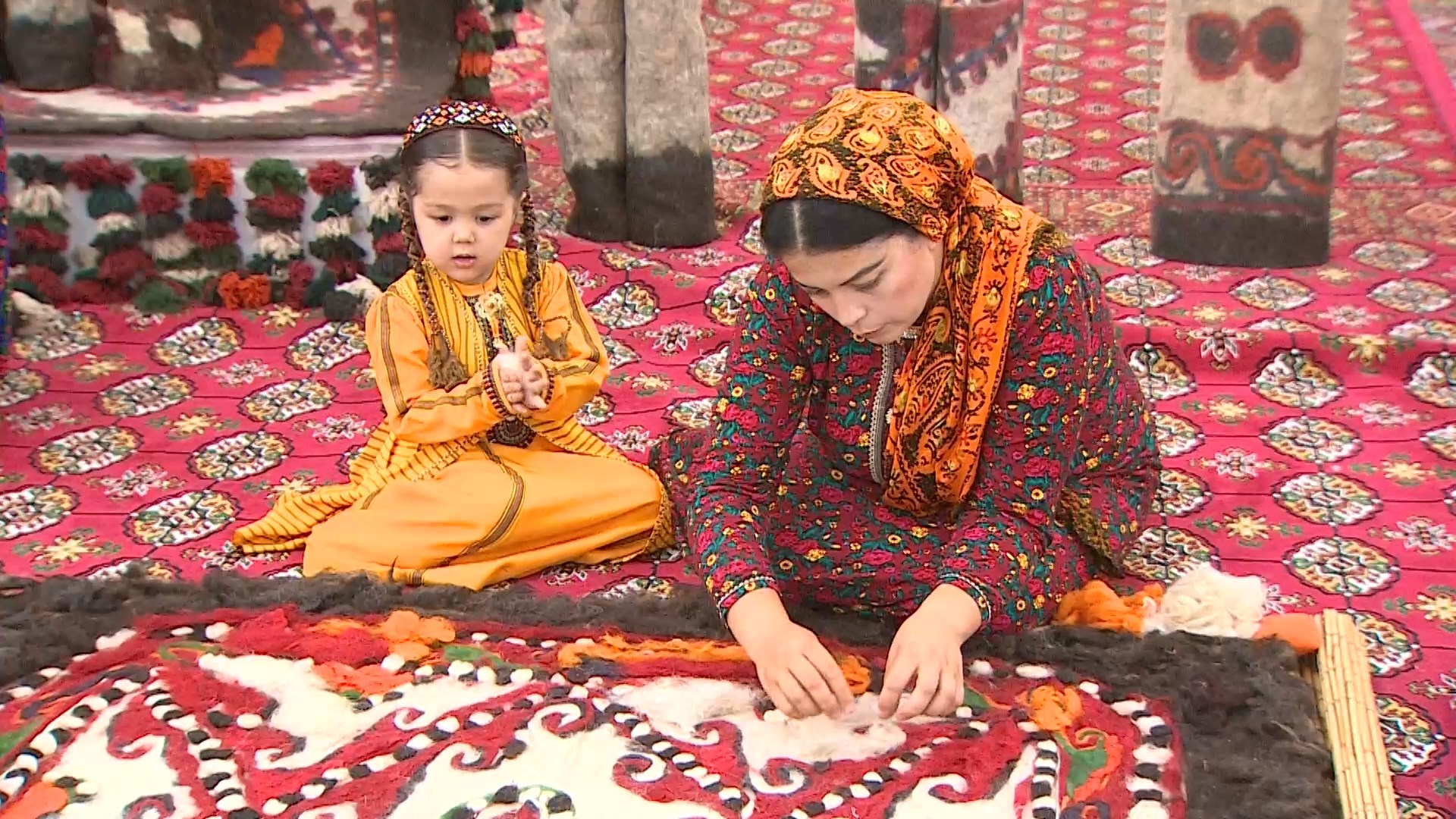
According to the competition rules, the participants competed in three categories. First, they revealed the secrets of their craftsmanship, enthusiastically explaining the intricacies of wool carding and dyeing, as well as the tools used in their work. This was followed by a practical skills stage, during which the participants had to create elegant traditional patterns on a piece of felt measuring 1.5 by 1.0 meters within the allotted time. These patterns included “Ak tüýnük,” “Gyzyl tüýnük,” “Gözenek,” “Saýlan,” “Gülýaýdy,” “Gelinbarmak,” and “Gapyrga.” Finally, the contestants competed in the performance of traditional songs known as aydyshyk. Ancient legends recounting the centuries-old history of felt-making, beliefs passed down from generation to generation, and performances dedicated to the sanctity of the family hearth further enhanced the significance of the celebration.
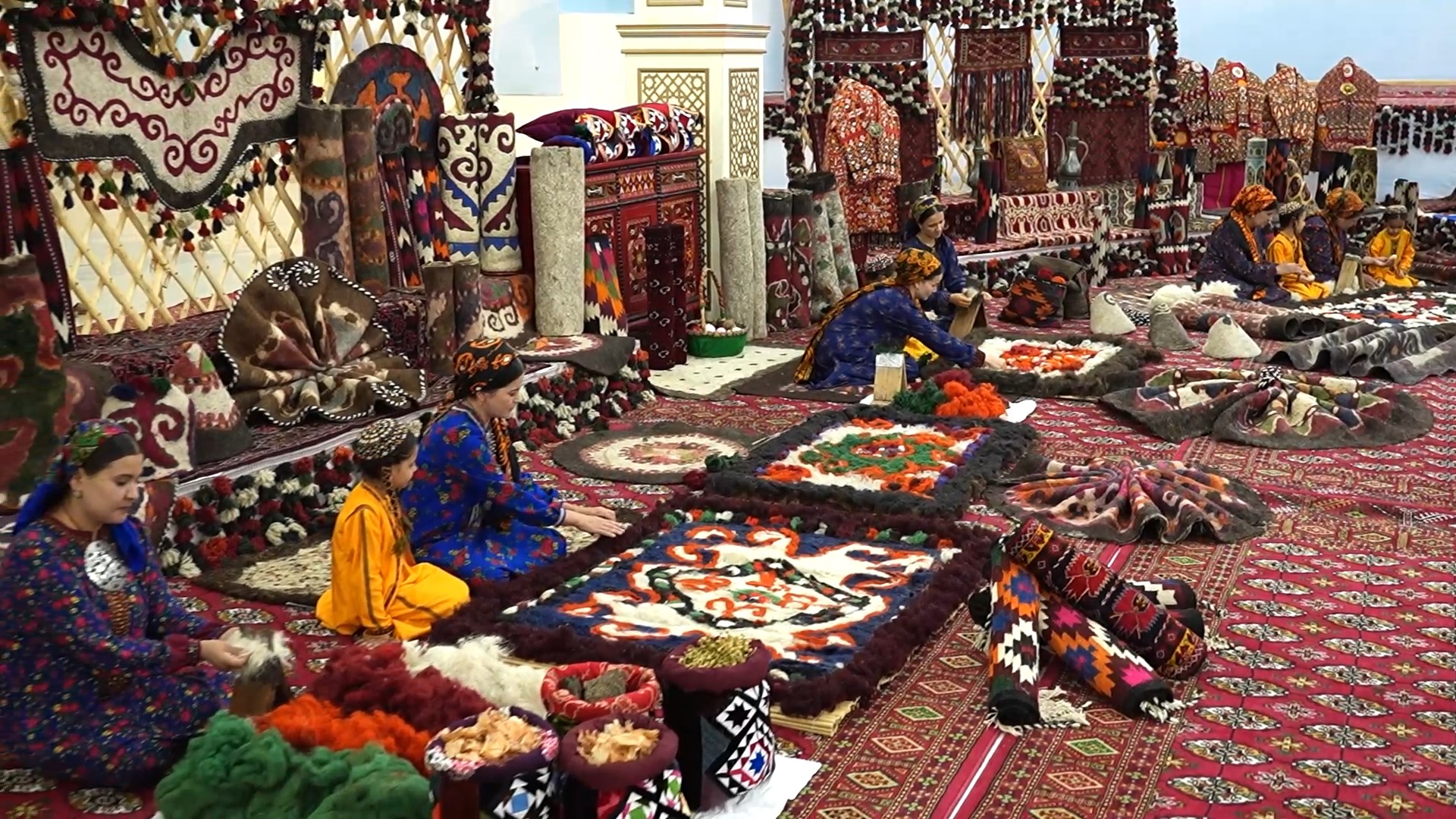
At the conclusion of the competition, the jury evaluated the completed works and creative performances of the craftswomen and determined the winners of the velayat stage. First place was awarded to the skilled craftswomen from the Sayat rtrap, Mayagozel Yazkulyyeva and Maysa Yazmyradova, who earned the right to represent the region at the final stage of the competition. Second place went to representatives of the Dovletli etrap, Shemshat Kuvvatova and Gulrukh Mominova. The honorable third place was awarded to talented participants from the Kerki etrap, Nursoltan Annadurdyyeva and Oguljuma Agamyradova.
The competition served as an educational school that instills in the younger generation respect for women, nobility, and love for the sacred craft of mothers.