


As Turkmenistan prepares to celebrate the 35th anniversary of its Independence, the country's dynamic economic development, the implementation of major energy and infrastructure projects, and the continued expansion of international cooperation are attracting growing attention from the global business and investment community.
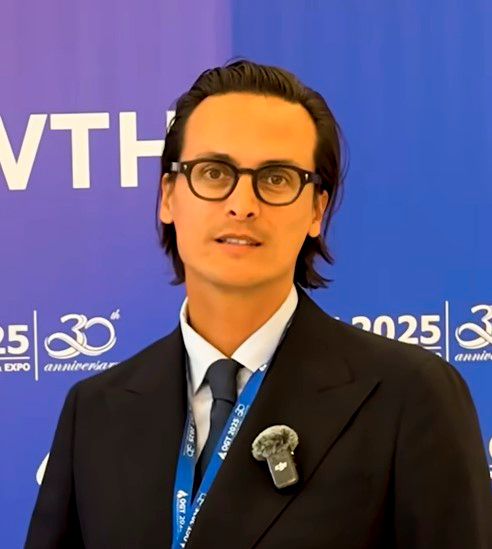
To explore how international investors' perceptions of Turkmenistan are evolving, the new opportunities emerging from the development of the Galkynysh gas field and implementation of the TAPI pipeline, and the importance of the country's long-standing cooperation with leading global companies, Golden Age spoke with Leandro Slovinski, Global Editorial Director of the international publication The Investor.
In his view, international investment interest in Turkmenistan is increasingly extending beyond the traditional energy agenda.
“For many years, Turkmenistan was viewed internationally primarily through the lens of its hydrocarbon resources. Today, that perspective is broadening considerably,” Leandro Slovinski said.
The Investor's special 2025 edition dedicated to Turkmenistan generated significant interest among its international audience. The publication is now preparing a new special edition on Turkmenistan.
According to Leandro Slovinski, international investors are increasingly exploring opportunities not only in the energy sector, but also in industrial development, infrastructure, logistics, manufacturing, digitalisation and private-sector growth.
Long-term partnerships as evidence of confidence (add photo of CNPC and Petronas forums in this section)
For international investors, continuity matters.
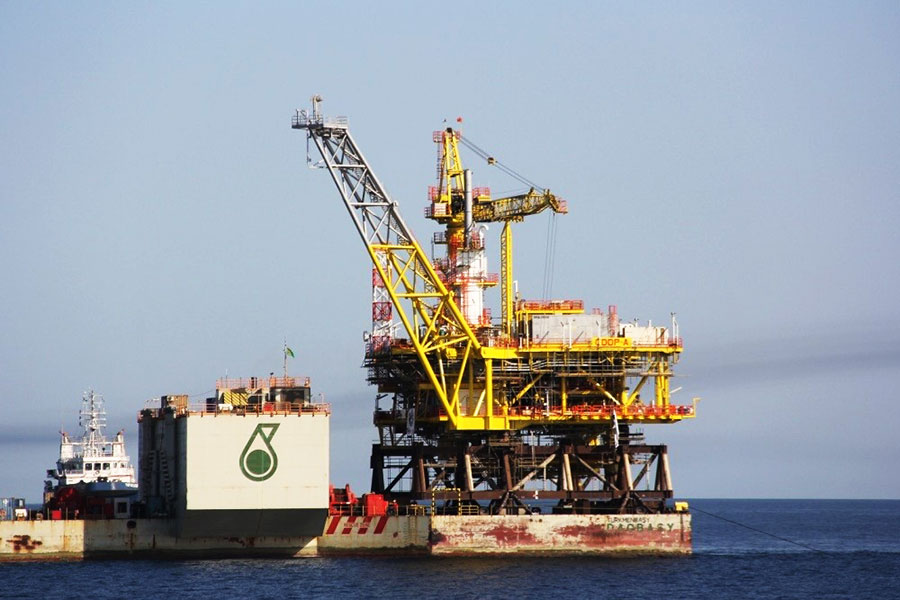
Turkmenistan's record includes 20 years of strategic gas cooperation with CNPC and 30 years of PETRONAS operations in the country.
Such relationships carry significance beyond individual projects. They demonstrate that major international partnerships can be established, implemented and sustained over decades.
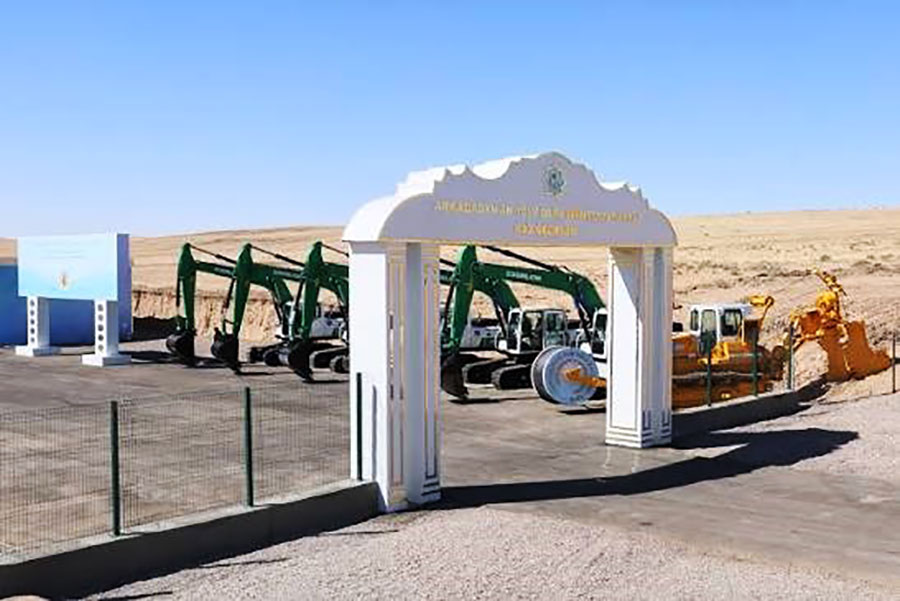
The commencement of Phase IV of the Galkynysh gas field in April has provided another important signal.
The new phase includes production wells and a facility capable of producing 10 billion cubic metres of commercial gas annually, while the project is expected to create over a thousand permanent jobs following completion.
For investors, Slovinski argues, such developments provide evidence of long-term strategic direction and implementation.
“Institutional investors do not respond to marketing narratives; they respond to evidence of long-term direction, economic stability and implementation.”
TAPI: from energy infrastructure to economic corridor
Another development attracting increasing international attention is the Turkmenistan–Afghanistan–Pakistan–India gas pipeline.
Construction on the Afghan section has advanced significantly during 2026. Afghanistan's Ministry of Mines and Petroleum reported in July that 101 kilometres of pipeline had been laid, while 126 kilometres of the project corridor had been prepared.
The significance of TAPI extends beyond natural gas.
Major cross-border infrastructure can create conditions for industrial development, electricity generation, transport and logistics, employment and regional commerce.
Seen from this perspective, TAPI has the potential to become part of a wider economic corridor connecting Central and South Asia.
For international investors, the transition from planning to visible implementation is particularly significant because it demonstrates execution—one of the principal factors considered when assessing large infrastructure opportunities.
Resources as a foundation for diversification
Turkmenistan possesses one of the world's largest natural gas resource bases. Increasingly, however, the investment discussion concerns how this resource advantage can support a wider economic transformation.
Petrochemicals, gas processing, manufacturing, logistics, infrastructure and digital technologies can create additional value around the country's established energy sector.
Slovinski believes this shift is becoming increasingly visible:
“Investors increasingly view Turkmenistan's hydrocarbon sector not only as a source of export revenues, but also as a platform for broader economic diversification.”
This is an important distinction.
Natural resources provide the foundation. Infrastructure connects them to markets. Processing creates additional value. Technology improves productivity. Investment helps convert these advantages into sustainable economic activity.
Thirty-five years: looking towards the next stage
As Turkmenistan marks the 35th anniversary of its Independence, I would also like to extend my sincere congratulations to the Government and the people of Turkmenistan on this significant national occasion. I wish the country continued peace, prosperity and sustainable development, and every success as it enters the next chapter of its economic development and international cooperation.
The 35th anniversary of Independence provides an opportunity to consider the scale of Turkmenistan's economic development and the opportunities ahead.
Over this period, the country has created substantial national infrastructure, developed international energy export capacity and established long-term economic relationships with major global companies.
The next stage increasingly involves using those foundations to stimulate industrialisation, value-added production, infrastructure development, logistics, technology and private enterprise.
For international investors, this means that Turkmenistan's proposition is becoming broader.
The question is no longer only about the country's considerable natural resources, but increasingly about how those resources, infrastructure and international partnerships can support the next phase of economic development.
OGT 2026: bringing investors and opportunities together
This evolving investment landscape will form an important backdrop to the 31st International Conference and Exhibition “Oil & Gas of Turkmenistan – OGT 2026”, to be held in Ashgabat on 21–23 October 2026.
Having attended OGT previously, Slovinski describes the event as an increasingly important regional platform.
“OGT has established itself as one of the leading energy platforms in the region, bringing together government representatives, international energy companies, investors, financial institutions and technology providers.”
The 2026 programme places particular emphasis on investment, infrastructure, new export corridors, gas monetisation and petrochemicals, methane reduction and technologies supporting reliable energy systems.
The previous anniversary edition attracted more than 1,400 delegates from over 70 countries.
For Turkmenistan, OGT therefore provides more than an opportunity to showcase its resource potential.
It offers a platform for translating resources into projects, projects into partnerships and partnerships into long-term investment.
As Turkmenistan enters its 36th year of independence, this may increasingly define the country's investment story: substantial resources combined with infrastructure, long-term international cooperation and an expanding vision for economic development.