


Turkmenistan is consistently implementing large-scale programmes aimed at developing the construction sector, modernising infrastructure and creating comfortable living conditions. Modern engineering and digital solutions are being introduced across new cities, residential complexes, transport systems and social facilities.
More than 900,000 square metres of housing, along with new educational and social facilities, are planned for commissioning during the year.
Particular importance is attached to construction quality, the efficient use of resources, the reliability of engineering systems and the introduction of modern facility-management methods.
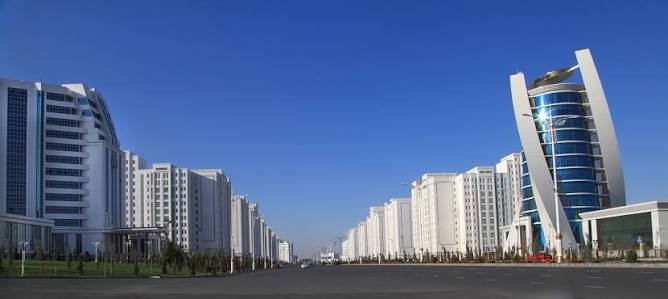
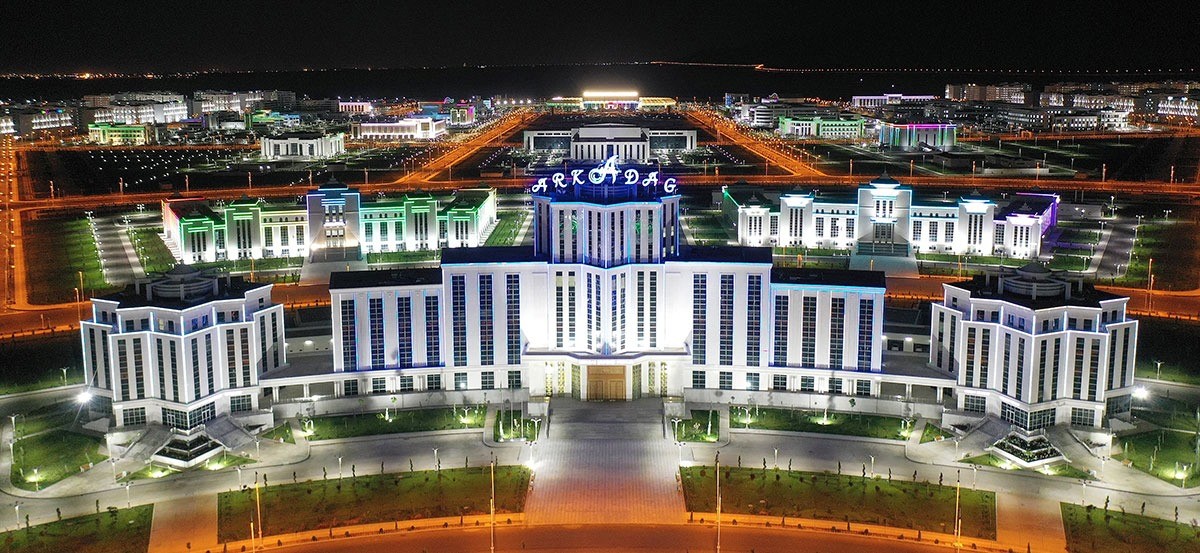
One of the most prominent results of this work is the city of Arkadag, built according to the smart-city concept. Its architecture and infrastructure combine national traditions, achievements in modern urban planning, digital technologies and environmentally oriented solutions.
The first phase of the city included 336 facilities, among them residential buildings and educational, medical, cultural and sports institutions. More than 220 facilities of various types are currently being built as part of the second phase.
Arkadag has introduced intelligent transport systems, automated traffic management, smart-home technologies, digital utility solutions, modern communications and electric transport.
The experience gained opens new opportunities to apply innovative approaches in the further development of Turkmenistan’s cities and communities.
Extensive work is also under way in transport infrastructure. In April 2026, the commissioning of the Mary–Turkmenabat section completed the 600-kilometre Ashgabat–Turkmenabat high-speed motorway.
The new six-lane road connected the capital with the eastern regions and expanded opportunities for passenger and freight transport. The delivery of this major project by domestic companies reflects the growing professional and technical capacity of Turkmenistan’s private sector.
National entrepreneurs are actively involved in building residential complexes, industrial enterprises and social facilities. At the same time, production of construction materials from domestic raw materials is expanding, existing enterprises are being modernised and new jobs are being created.
The training of qualified architects, engineers, builders and digital specialists remains an important priority. Modern development requires expertise in building information modelling (BIM), automated control and data processing.
These and other current issues will be discussed at CIET 2026, the International Conference and Exhibition on the Development of the Construction, Industrial, Chemical and Energy Sectors of Turkmenistan, to be held in Ashgabat on 3–5 November 2026.
The forum will bring together representatives of government institutions, domestic and international companies, international organisations, financial institutions, architectural practices, and research and educational organisations.
The programme will cover construction and industrial development, innovative technologies, investment, smart cities and professional training. A dedicated discussion will focus on digital construction, artificial intelligence, BIM, digital twins, automation and robotics.
The internationally renowned architectural practice Zaha Hadid Architects will participate in CIET 2026. Director Manuela Gatto will present international experience in contemporary architecture, sustainable design and the delivery of complex urban projects.
Turkmenistan’s programmes demonstrate a comprehensive approach to the development of the construction sector. The combination of large-scale construction, digital technologies, domestic industrial capacity and professional training is laying the foundation for the cities and infrastructure of the future.