


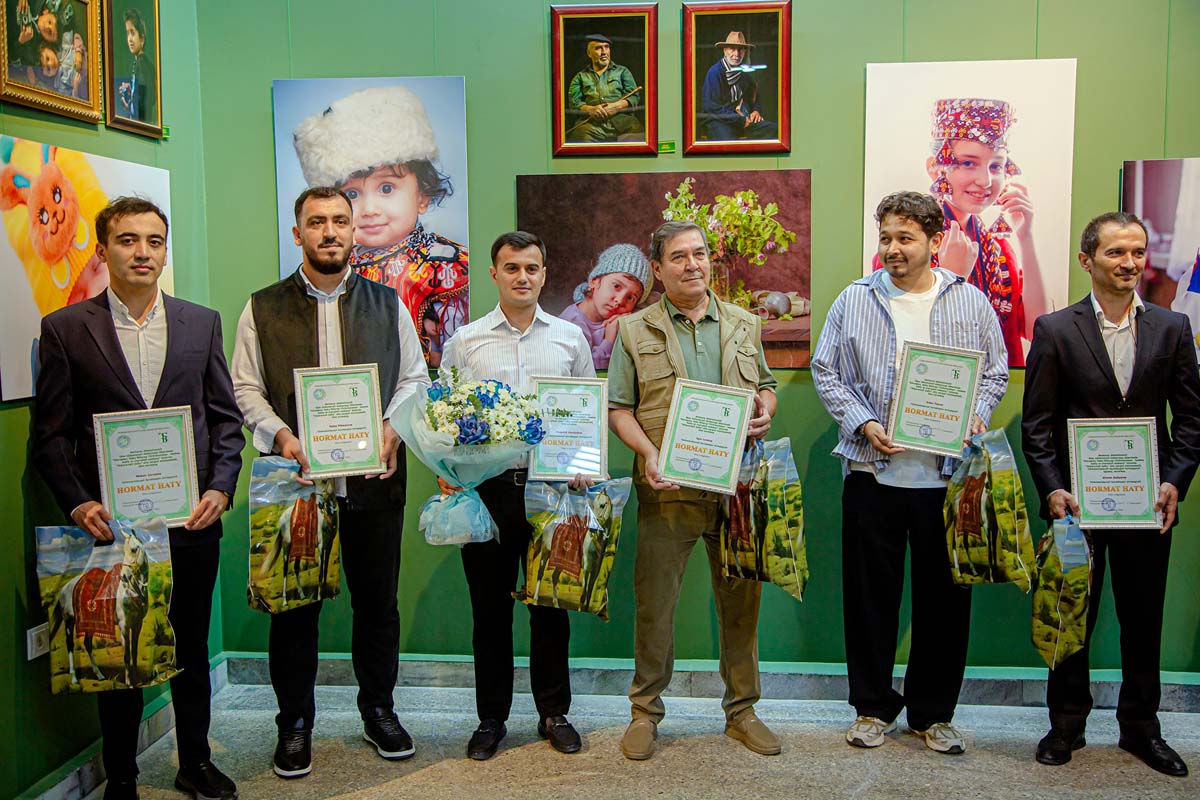

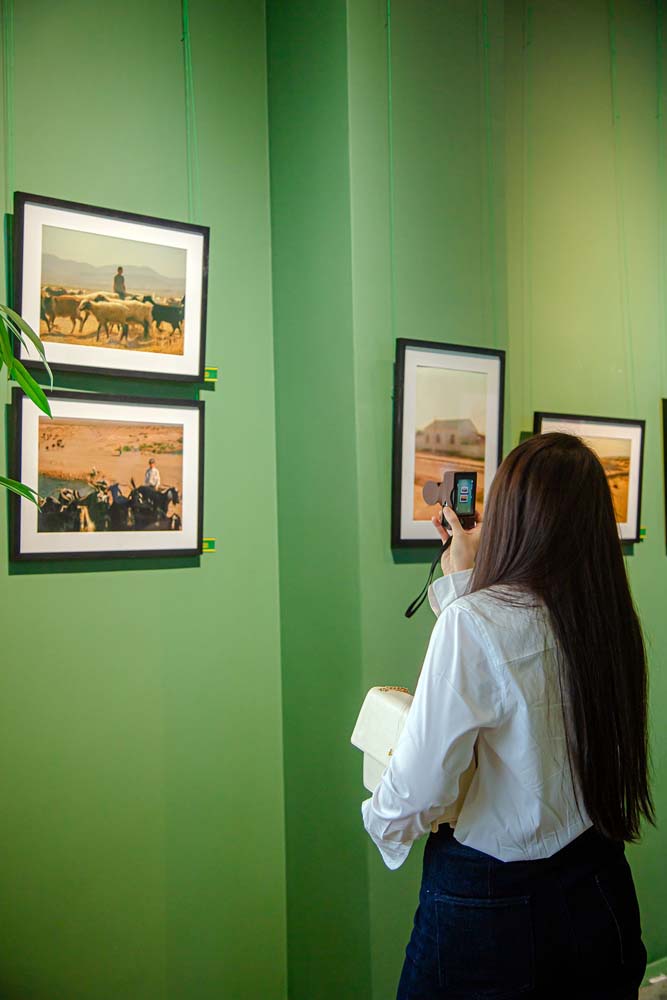
An art photography exhibition has opened at the Art Gallery of the Union of Artists of Turkmenistan. Seven Turkmen photographers are showcasing around 170 works, which have caused a real sensation with their beauty and refined sense of aesthetics.
It felt as though, with each of the approximately 170 clicks of their camera shutters, the artists had captured a fleeting moment, turning it into yet another masterpiece of extraordinary beauty. The photographers were delighted with their success, and the visitors were almost equally happy, having experienced the power and beauty of photographic art.
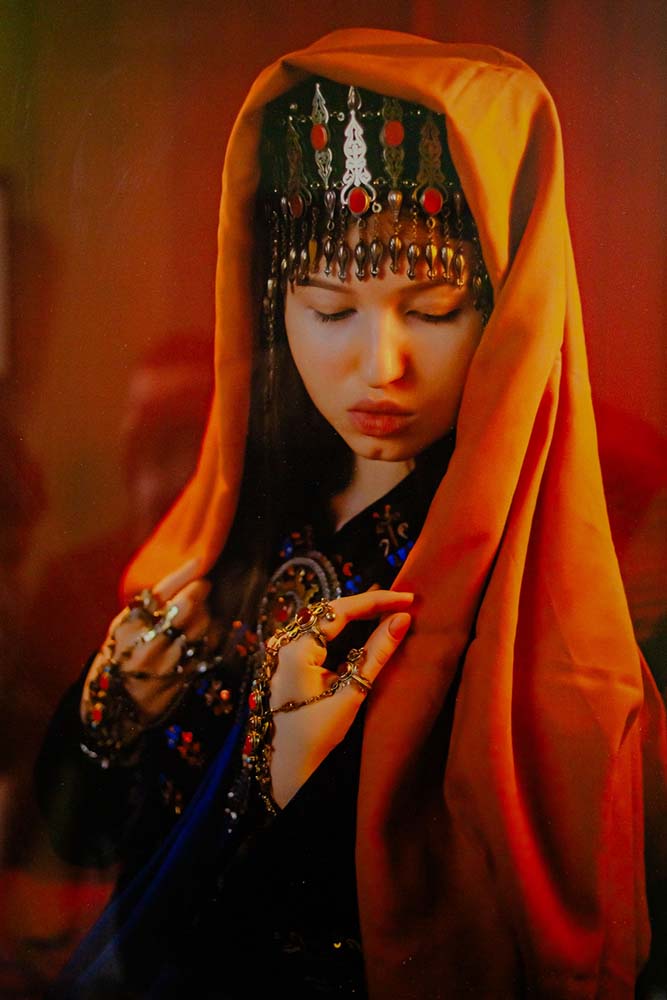
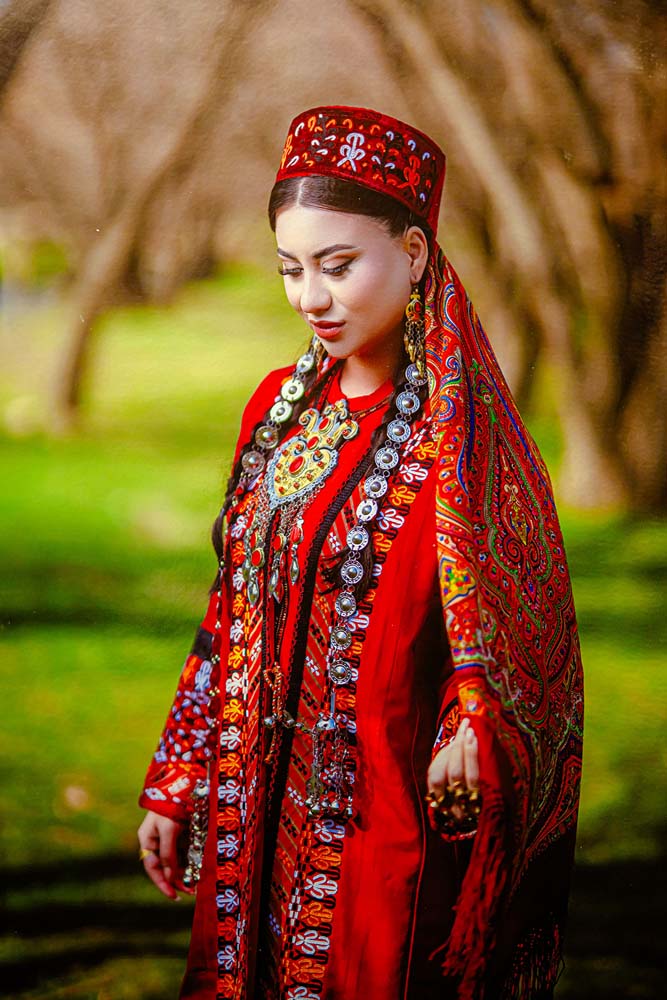
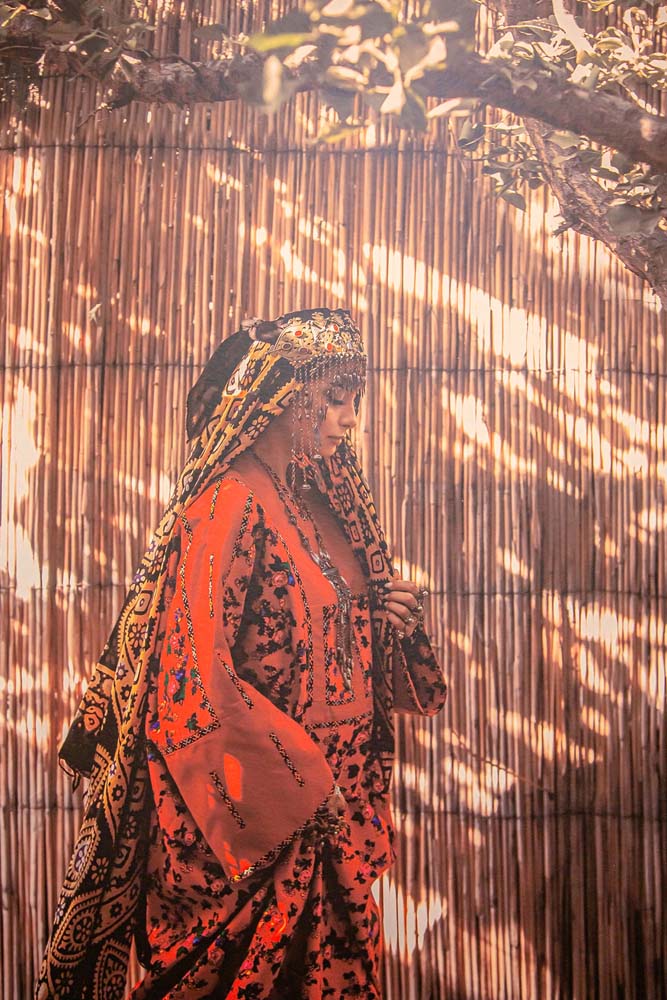
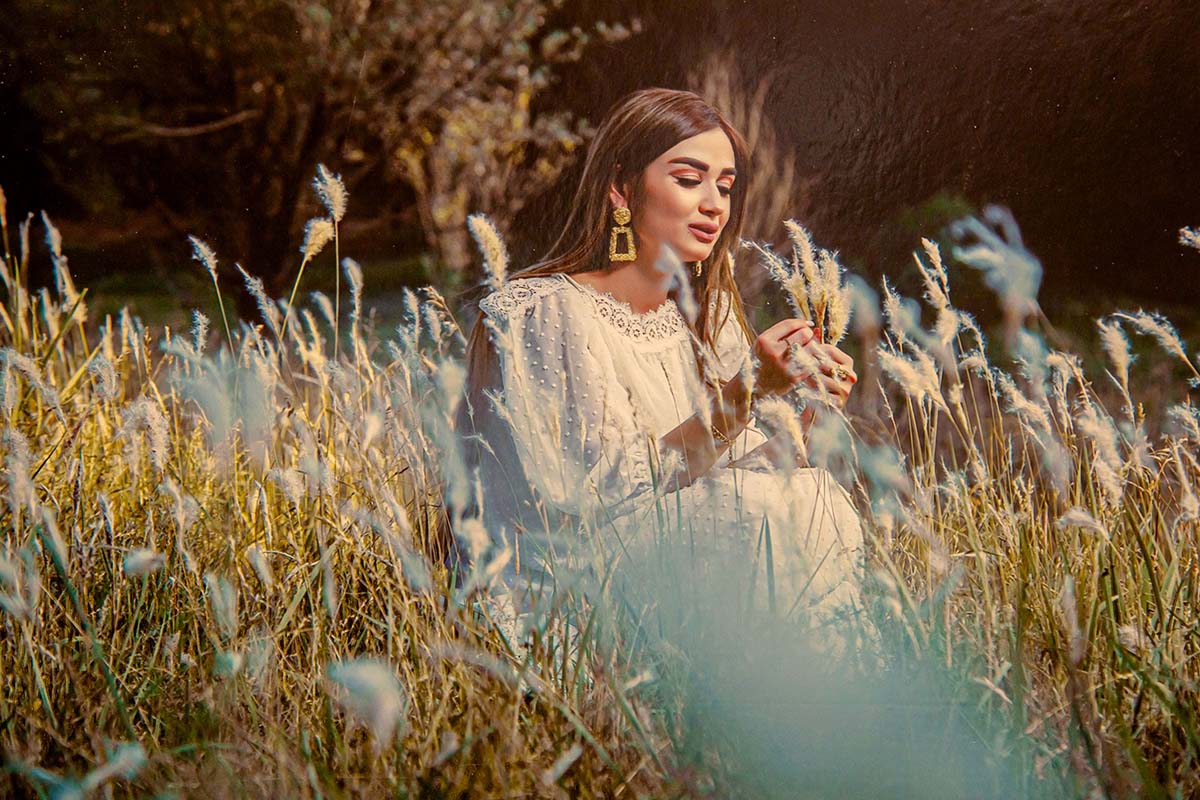
Hoshgeldi Garajaev is the creator of a series of outstanding female portraits. In some mysterious way, he transforms ordinary women into extraordinary beauties. His models, dressed in stylized national costumes, acquire a regal bearing (“Modern”), fantastical allure (“Beauty”), and sentimental charm (“Perveze”). Asked how he manages to create such images, Hoshgeldi explains that he graduated from the State Academy of Arts of Turkmenistan, specializing in theatrical painting, and that he also had excellent photography teachers: Hasan Magadov, Ahmet Alyev, and Atash Karajaev. In other words, an excellent student has had the best school and the most talented teachers.
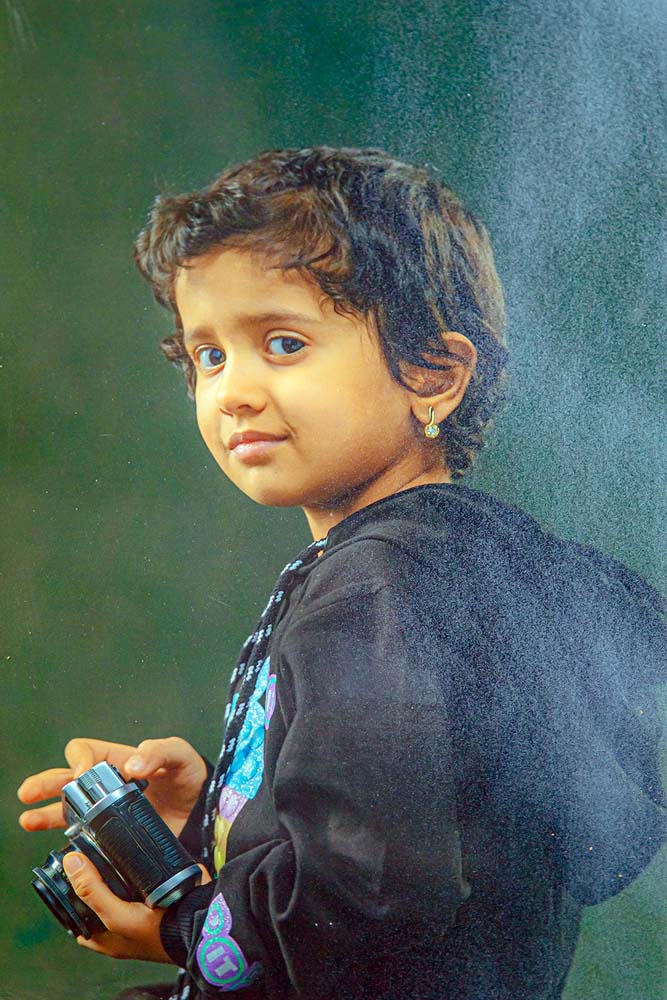
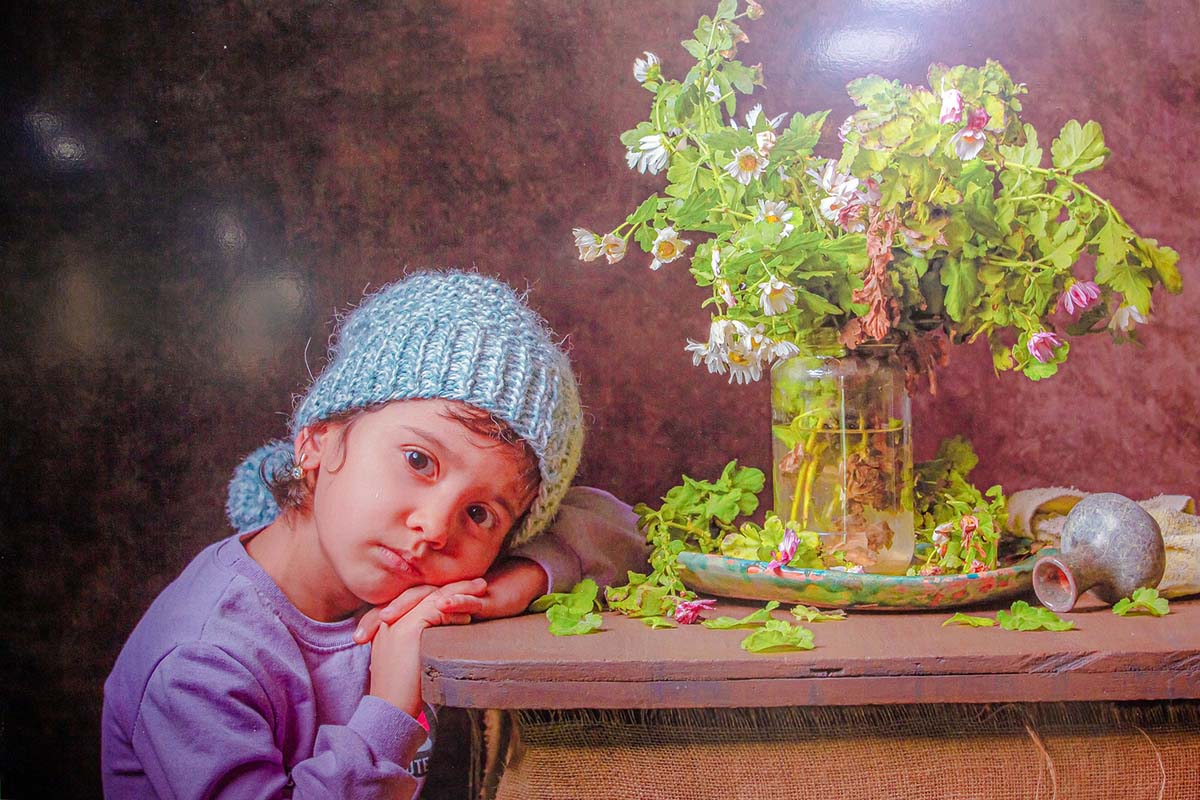
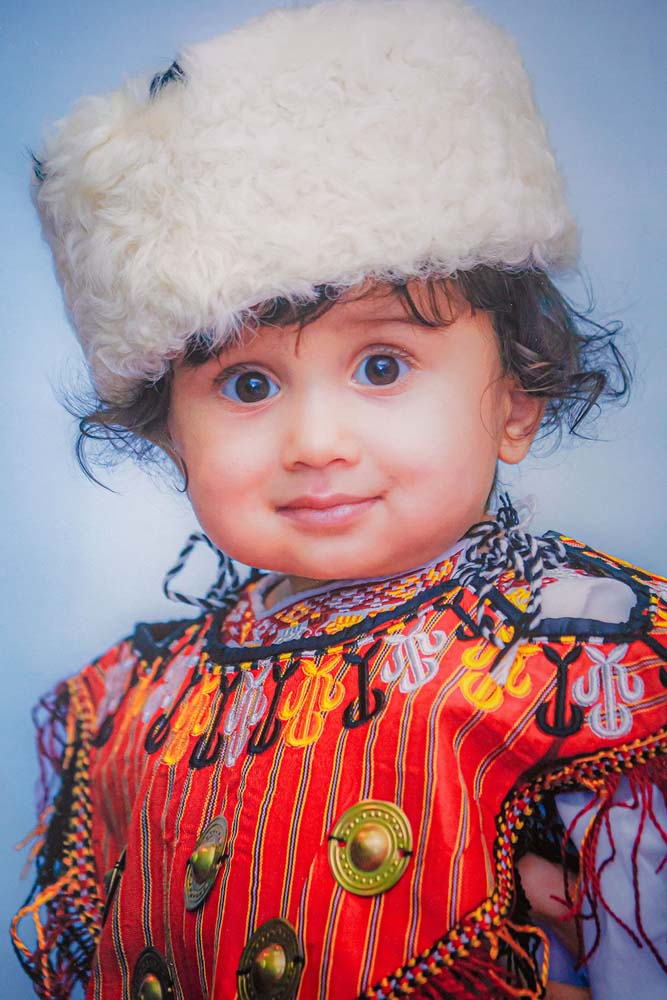
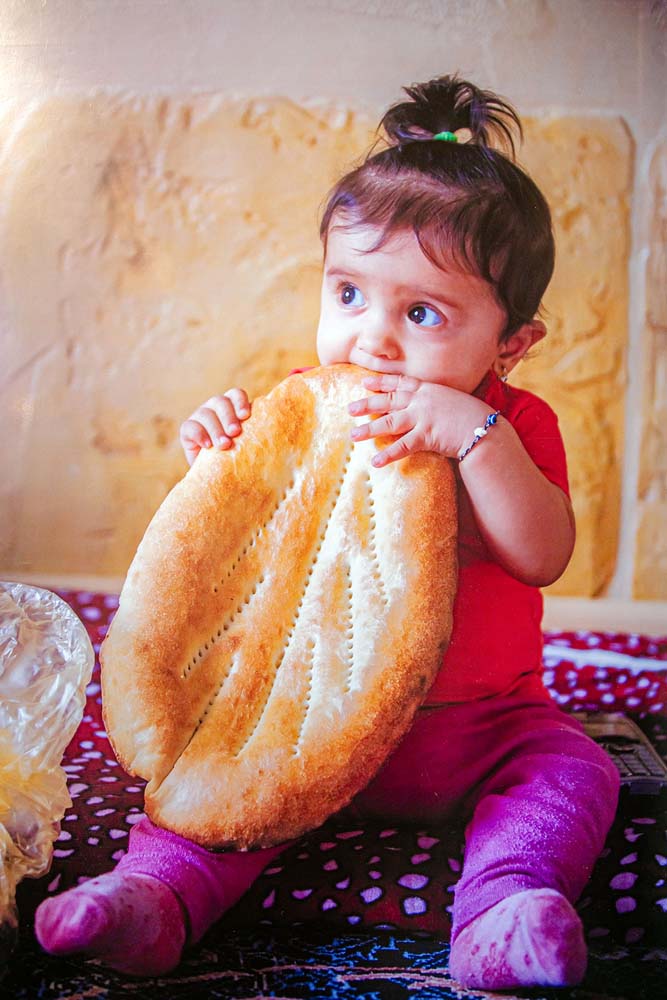
The exhibition of Ahmet Hallyev’s works occupies a central place in the gallery. His photographs feature children, with each image telling the story of a little protagonist. A photograph of a one-year-old boy has two titles: “Son” and “Black Eyes.” Both titles are entirely appropriate. The boy is Ahmet Hallyev’s son; in fact, with only a few exceptions, all the children in the photographs are his own. In the photograph “Sadness,” a little girl sitting beside a wilting bouquet appears to be experiencing a sadness beyond her years. Could the little one really be thinking about how quickly time passes? At her age? Hardly! More likely, Ahmet managed to capture two melancholy moments and bring them together in a single composition. The result is wonderful!
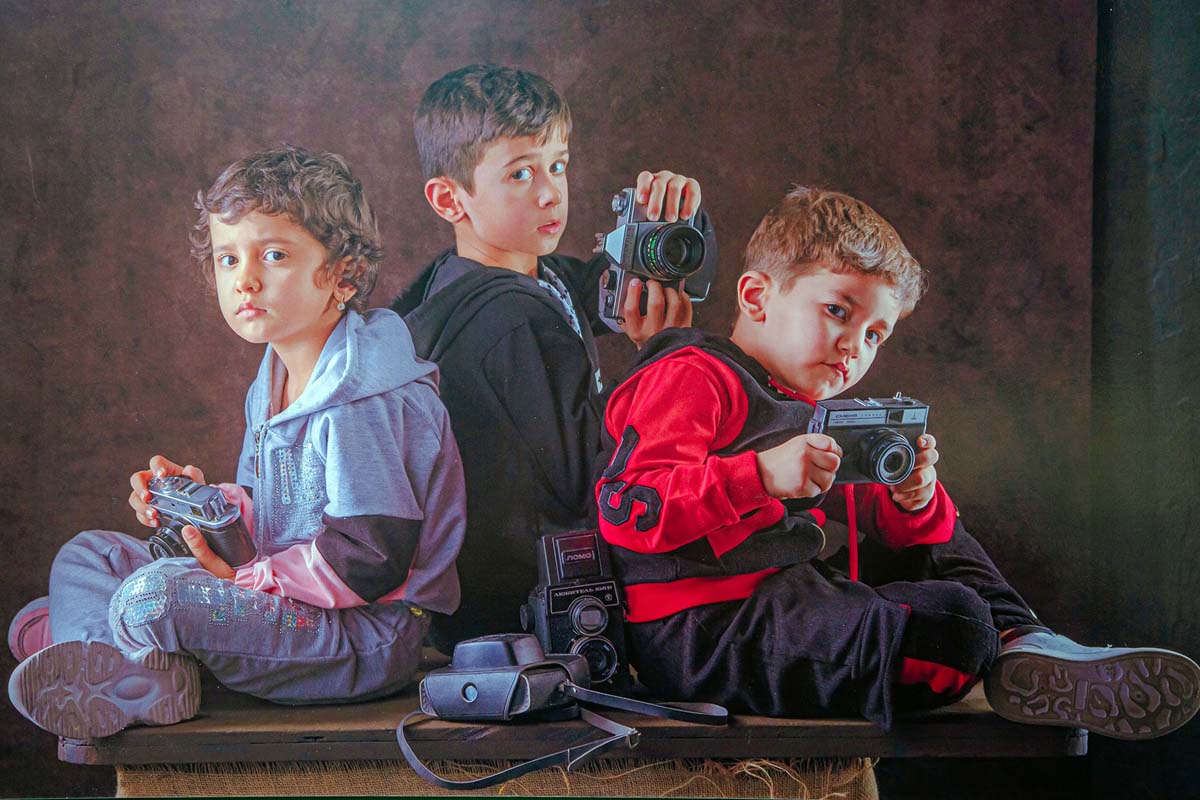
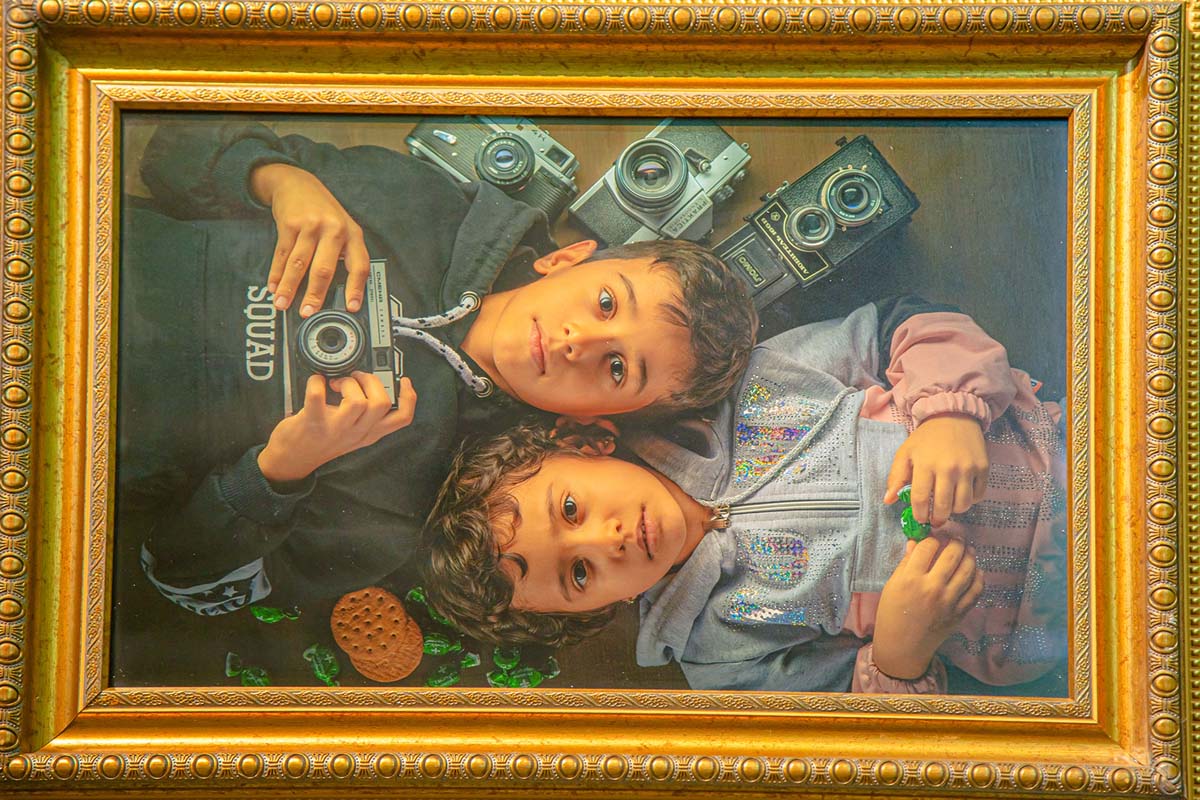
Ahmet Hallyev is a graduate of the State Academy of Arts. He began drawing in childhood and became interested in photography during his student years. Since then, easel painter and photographer Ahmet Hallyev has pursued two artistic disciplines that coexist beautifully. One of his favorite series in the exhibition is “Future Photographers,” a black-and-white collection depicting staged scenes with boys and various pieces of photographic equipment. The series is not only exquisitely beautiful but also seemingly endless, since, judging by the exhibition, the artist keeps returning to this subject again and again.
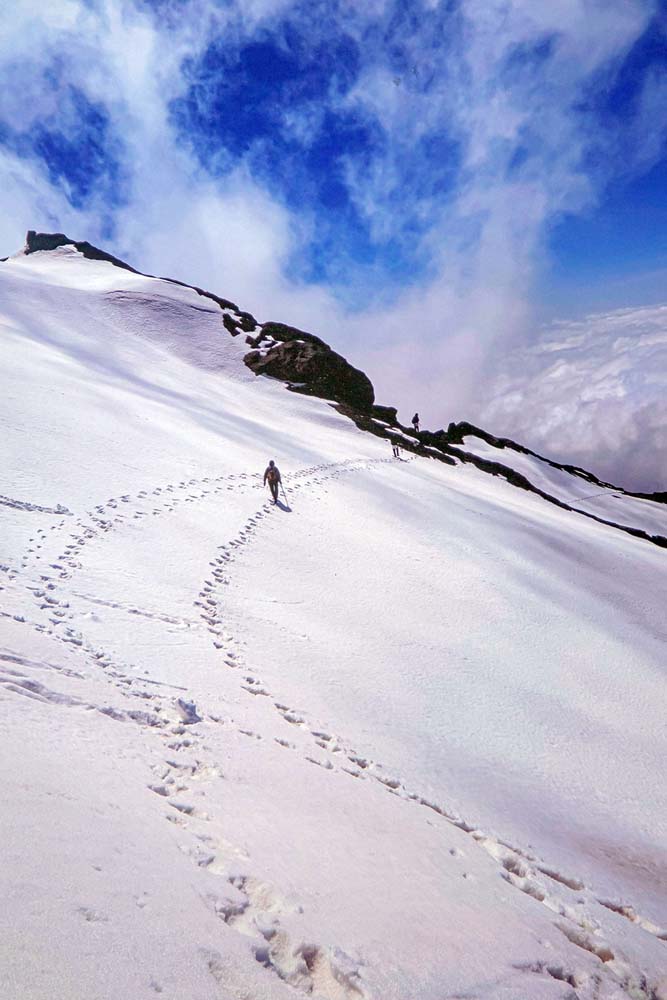
Photographer Mekan Charyev can rightfully be described as both a traveler and a singer of the natural beauty of his homeland. He has visited Ayrybaba, the highest point in Turkmenistan, rising 3,139 meters above sea level. To commemorate his ascent of the Koytendag Range, he took a magnificent photograph showing a climber’s footprints standing out beautifully against the snow-covered mountain surface. The photograph is titled “An Alpinist’s Autograph.”
Mekan Charyev has shared many wonders with visitors, including the Dinosaur Plateau and “Cave Flower,” a photograph taken in the Gulshirin Cave. Mekan began taking photographs in 2008, when his uncle gave him a camera. By profession, Mekan Charyev is a pharmacist, but he has interests beyond pharmacy. For example, his grandfather, Professor of Medicine Geldiguly Hojakuliev, had many paintings in his home, inspiring Mekan to follow in his grandfather’s footsteps and become an art collector.
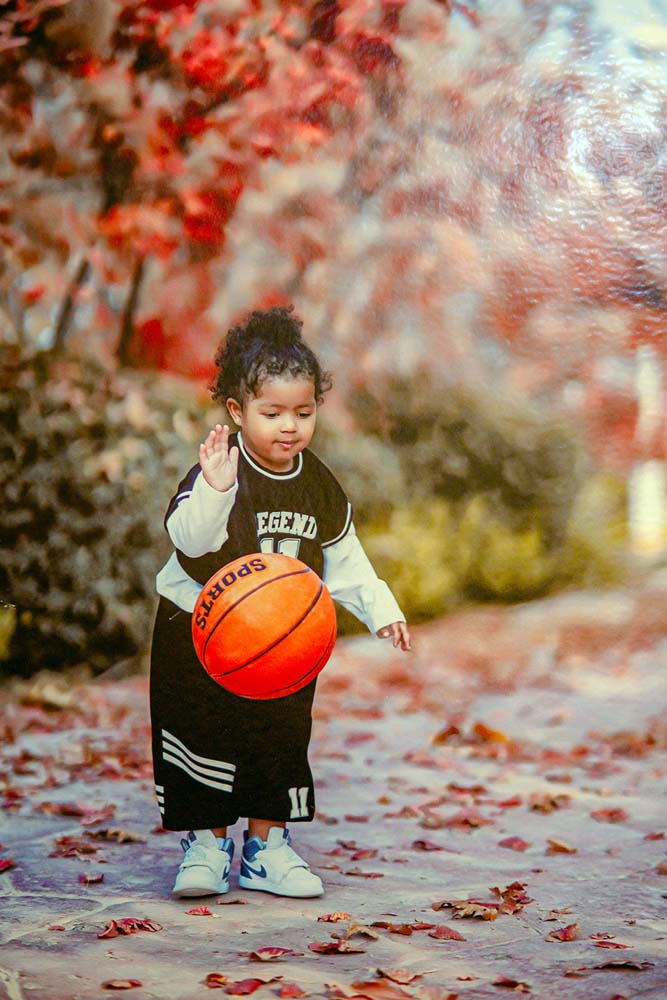
Children are the main subject of photographer Sylap Palvanov’s work. He does not stage his shots; instead, he is constantly searching for unique moments to capture. As a result, his photographic discoveries have a particular authenticity and are very well received by viewers. In his photograph “Playing Ball,” Sylap managed to capture the instant when the ball seems suspended in midair, between a girl’s hands and the floor. In the photograph, it looks unnatural, as if gravity had no effect on it. Yet this is simply a fleeting moment in a game, captured by Sylap’s camera and his meticulous eye.
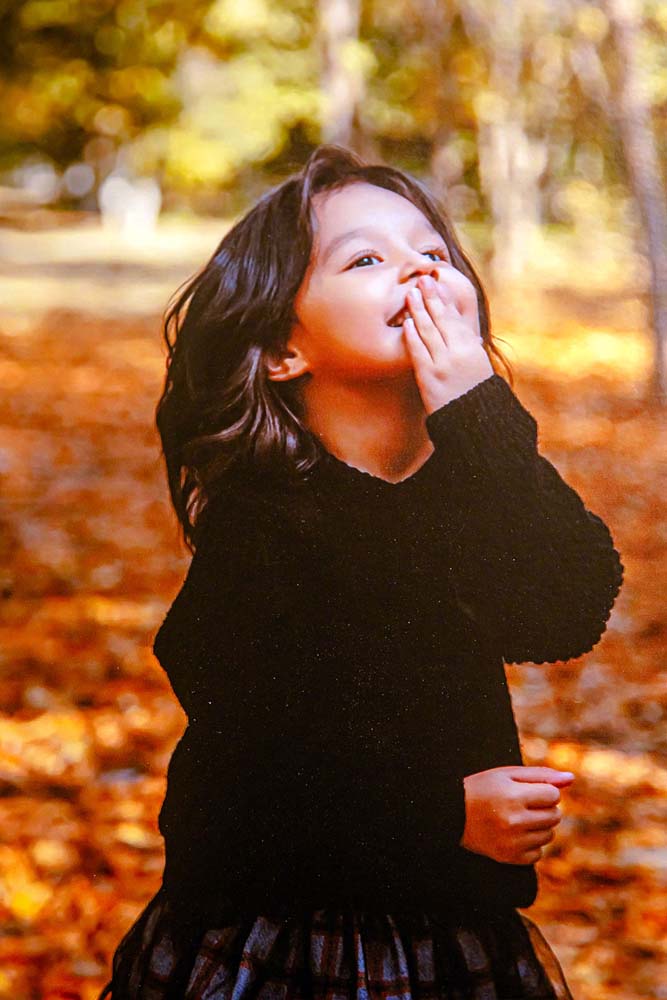
The girl is so astonished that she has to cover her slightly open mouth with her palm. This emotionally rich moment was also captured by Sylap’s camera and makes a wonderful addition to his exhibition. Another of his photographs, “Victory Day,” shows a girl and a boy laying flowers at the Eternal Flame. The touching figures of the children, dressed in military uniforms, symbolize the passing down of our grandfathers’ military glory from one generation to the next. Sylap became interested in photography as a child. He used to work with film cameras.
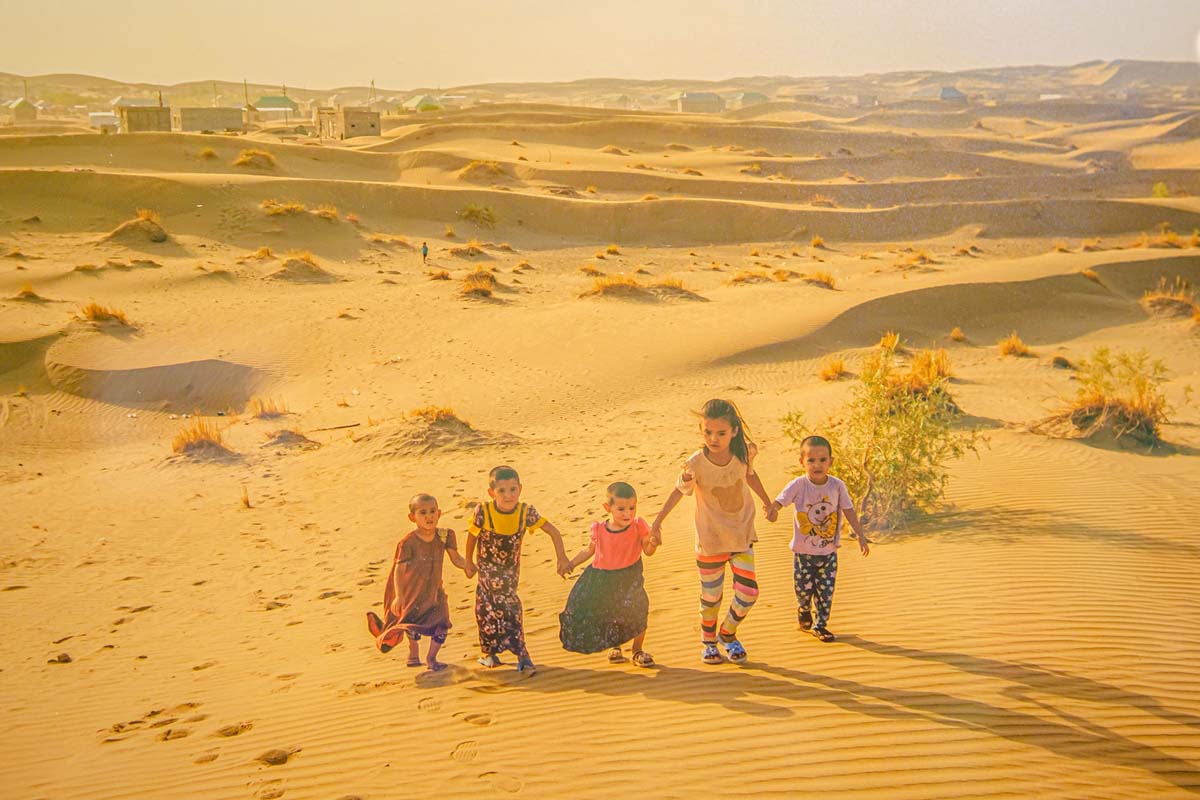
Erkin Yazov is also drawn to the theme of childhood. The most striking photographs in his exhibition are “Children of the Desert” and “Friendly Embrace.” A group of modern-day children appears unexpectedly among the sand dunes. Boys and girls dressed in colorful, fashionable clothes look like an unusual splash of color against the timeless ochre sands of the Garagum Desert. Most likely, the defining feature of Erkin’s photographic art is his desire to surprise the viewer.
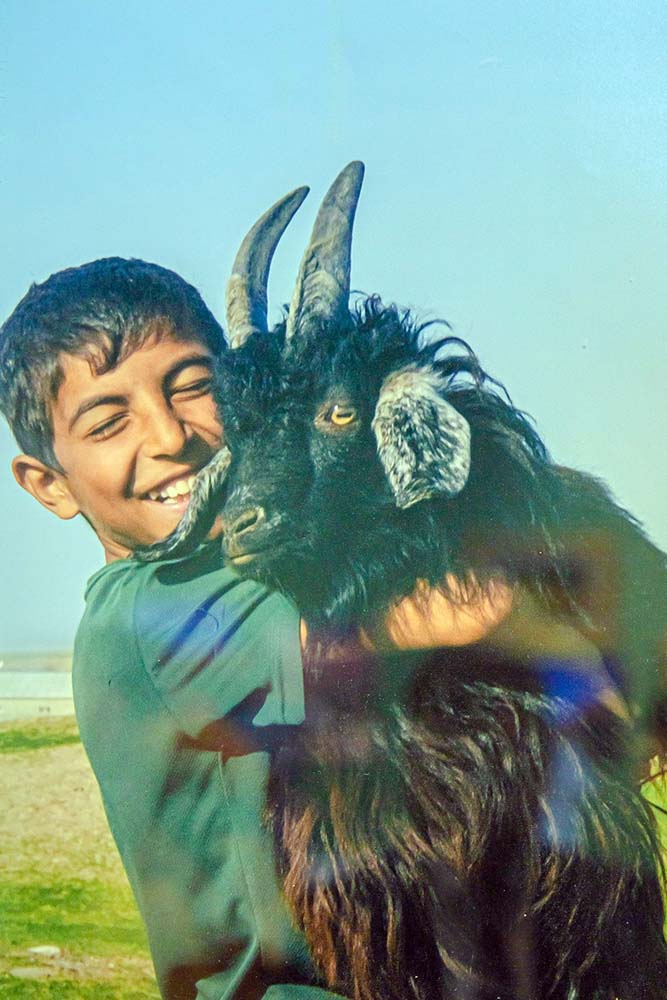
One remarkable photograph, “Friendly Embrace,” shows a little boy holding a bearded goat tightly against himself. From the strength of their embrace, one might conclude that the friendship between the boy and his faithful “companion” is eternal, having stood the test of countless trials.
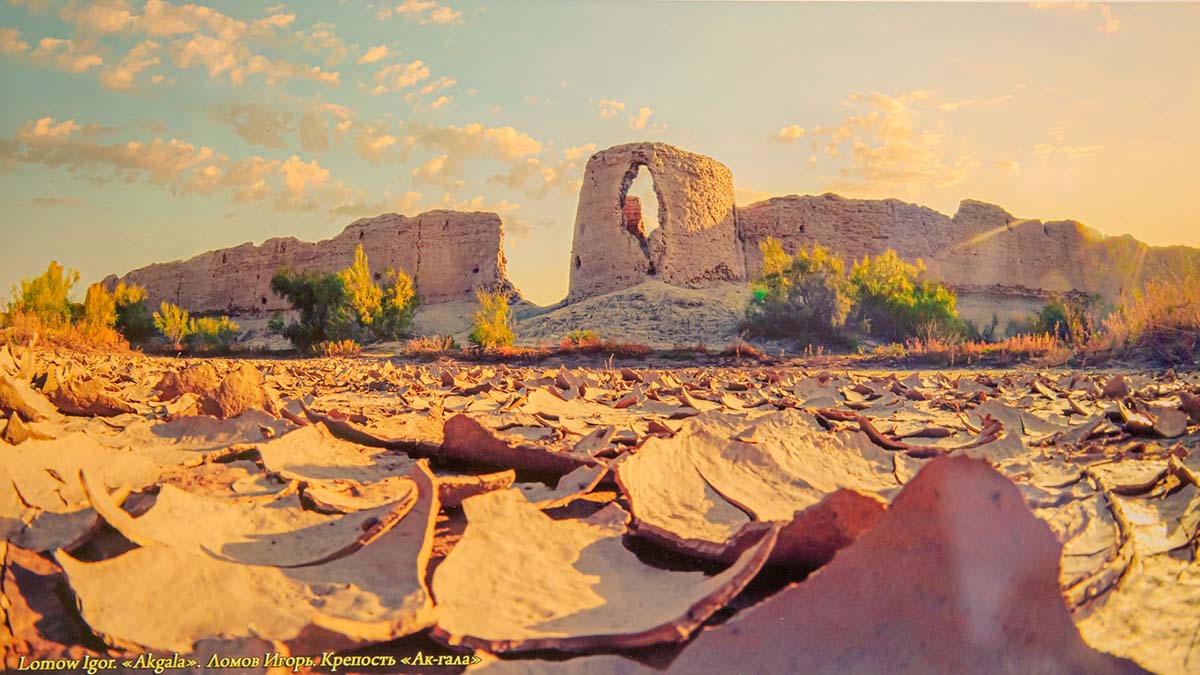
Like Mekan Charyev, Igor Lomov is a travel enthusiast. Two photographs in his small exhibition particularly stand out: “Ak-Gala Fortress” and “The Grey Caspian.” Once an impregnable military and strategic stronghold, “Ak-Gala” fortress still seems to be doing everything in its power to preserve its formidable appearance. Even the approach to the fortress is largely covered with dried takyrs—hard, clay-rich desert surfaces that make it difficult to reach this territory, once forbidden to outsiders.
But while “Ak-Gala” fortress is still vulnerable to the destructive effects of time, the grey Caspian Sea seems untouched by it. From century to century, foaming waves crash against the rocks or gently wash the Caspian’s sandy shores. It has always been this way, and so it will remain.
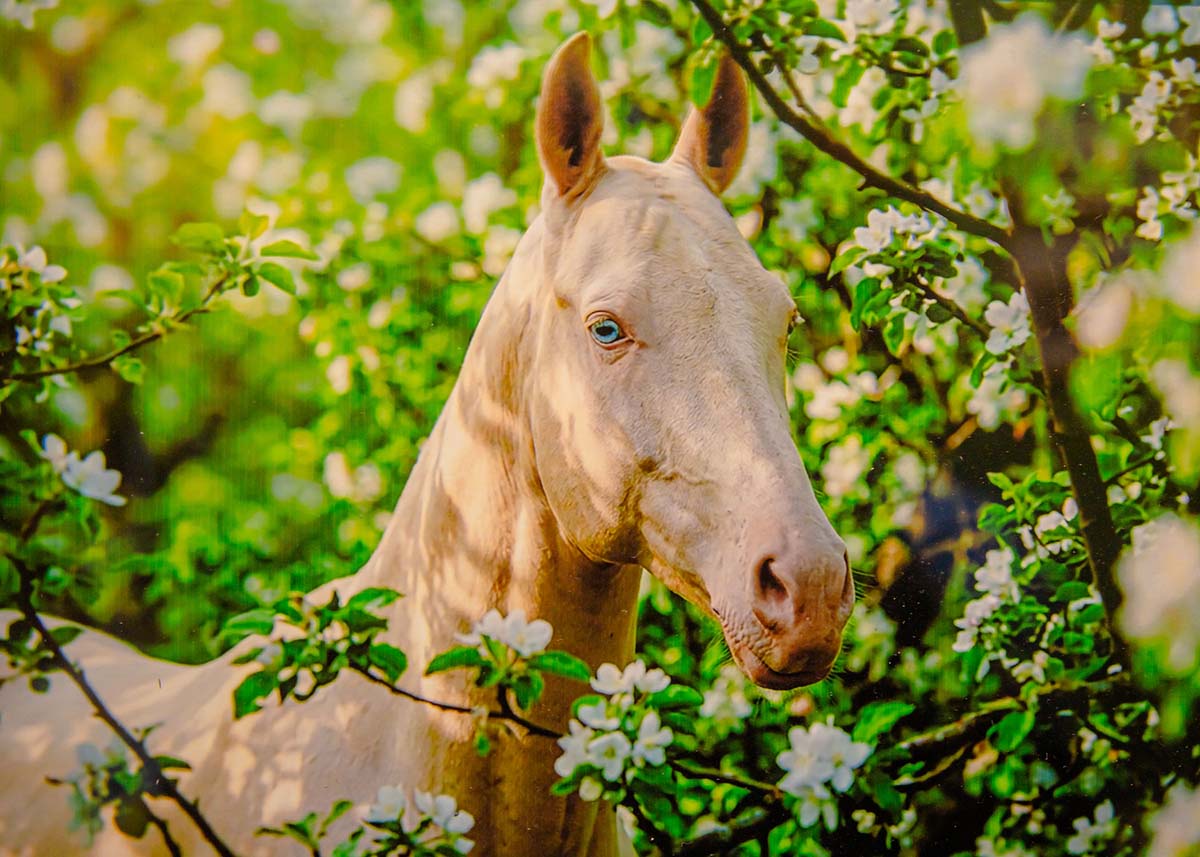
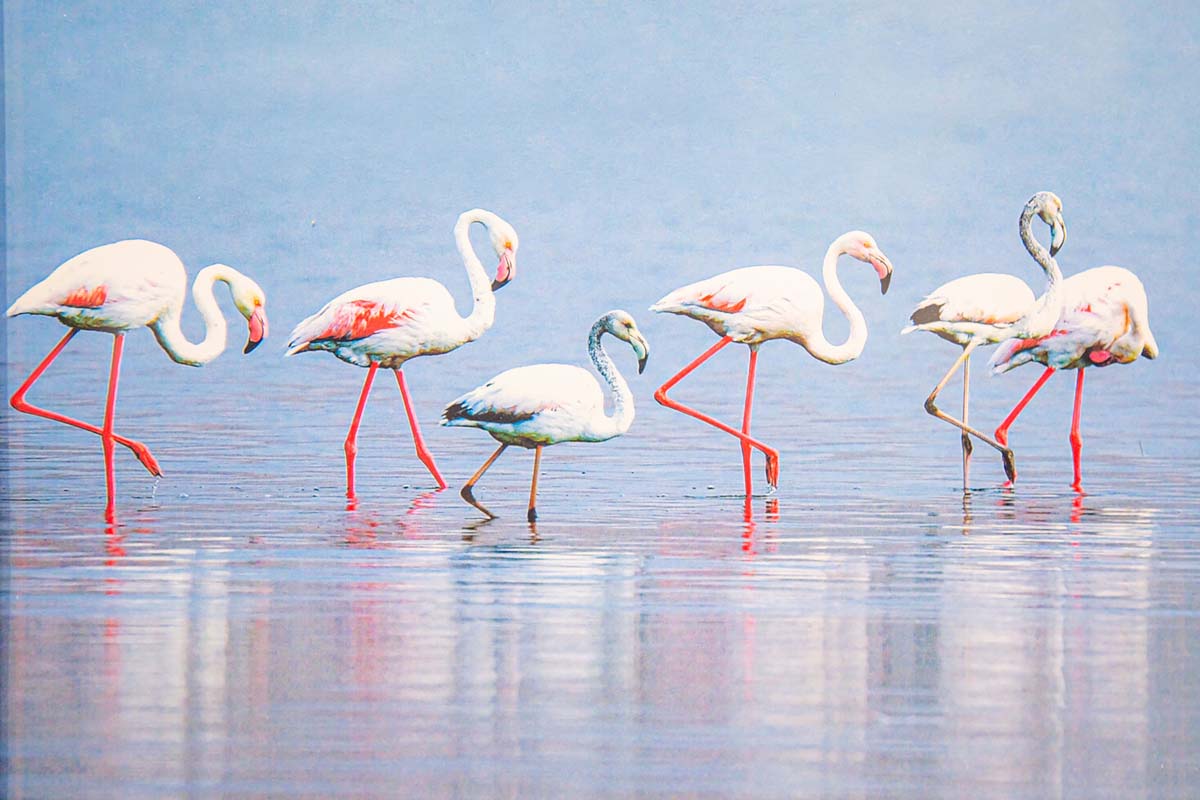
Hasan Magadov, a photojournalist for the newspaper Neutral Turkmenistan, presents his homeland in all its beauty in an extensive collection of photographs. Descending into caves, he introduces viewers to the breathtaking sights hidden deep beneath the earth’s surface. With his camera, he captures sunrises and sunsets. Walking among Akhal-Teke horses, he takes valuable photographs. Yet perhaps the most striking image in his collection is “March of the Pink Flamingos.” Looking at this photograph, it is difficult to imagine how Hasan Batalovich managed to arrange the birds in such a perfectly aligned row. But, as the saying goes, practice makes perfect. It is no coincidence that many young photographers regard him as their mentor.
The photography exhibition will remain open for a month, bringing new visitors the joy of encountering beauty.