


In the contemporary global political and economic order, a country’s standing on the international stage is determined not only by its economic performance but also by the harmonious integration of its historical and cultural heritage with modern technological achievements.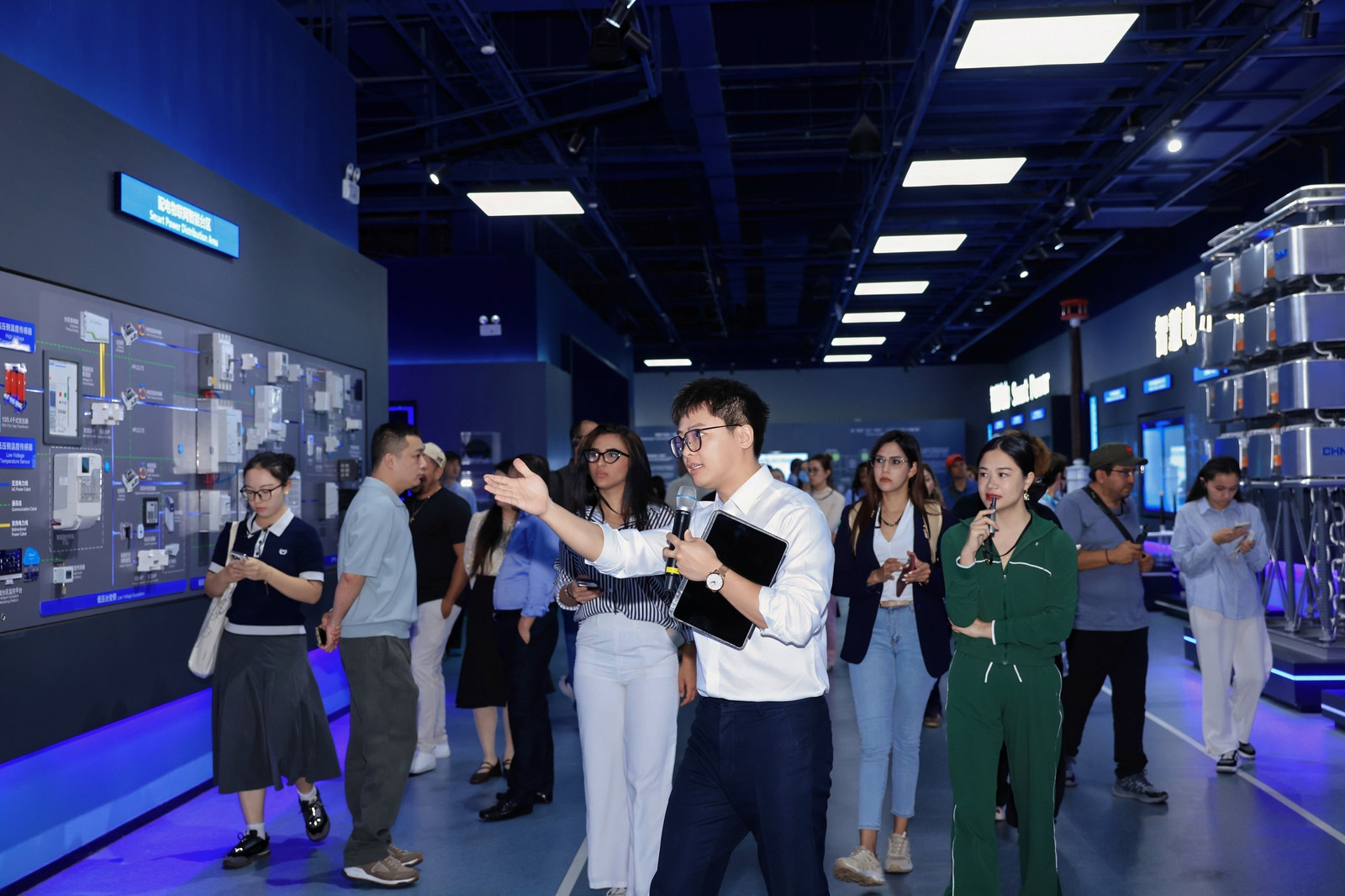
This is precisely the principle underlying the “China’s Opening Up in the New Era” strategy, which the People’s Republic of China has been consistently implementing in recent years. An international press tour organized for journalists, including representatives from Turkmenistan, to the cities of Hangzhou and Ningbo as part of the “China International Press Communication Center (CIPCC) 2026” international training program vividly demonstrated how the country’s centuries-old historical legacy, contemporary innovative potential, and forward-looking strategic plans form a unified and integrated system. The visit took place from October 17 to 20.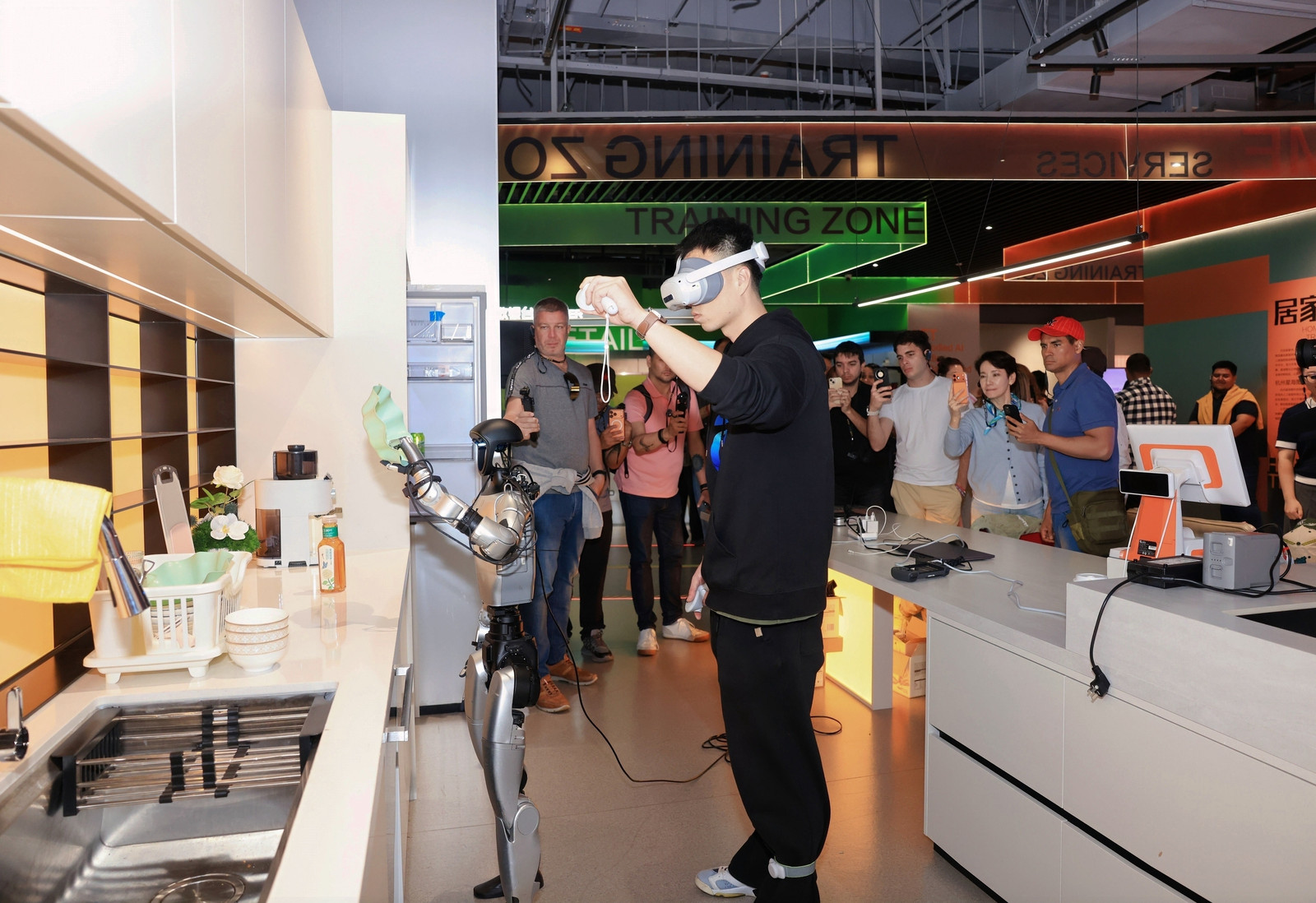
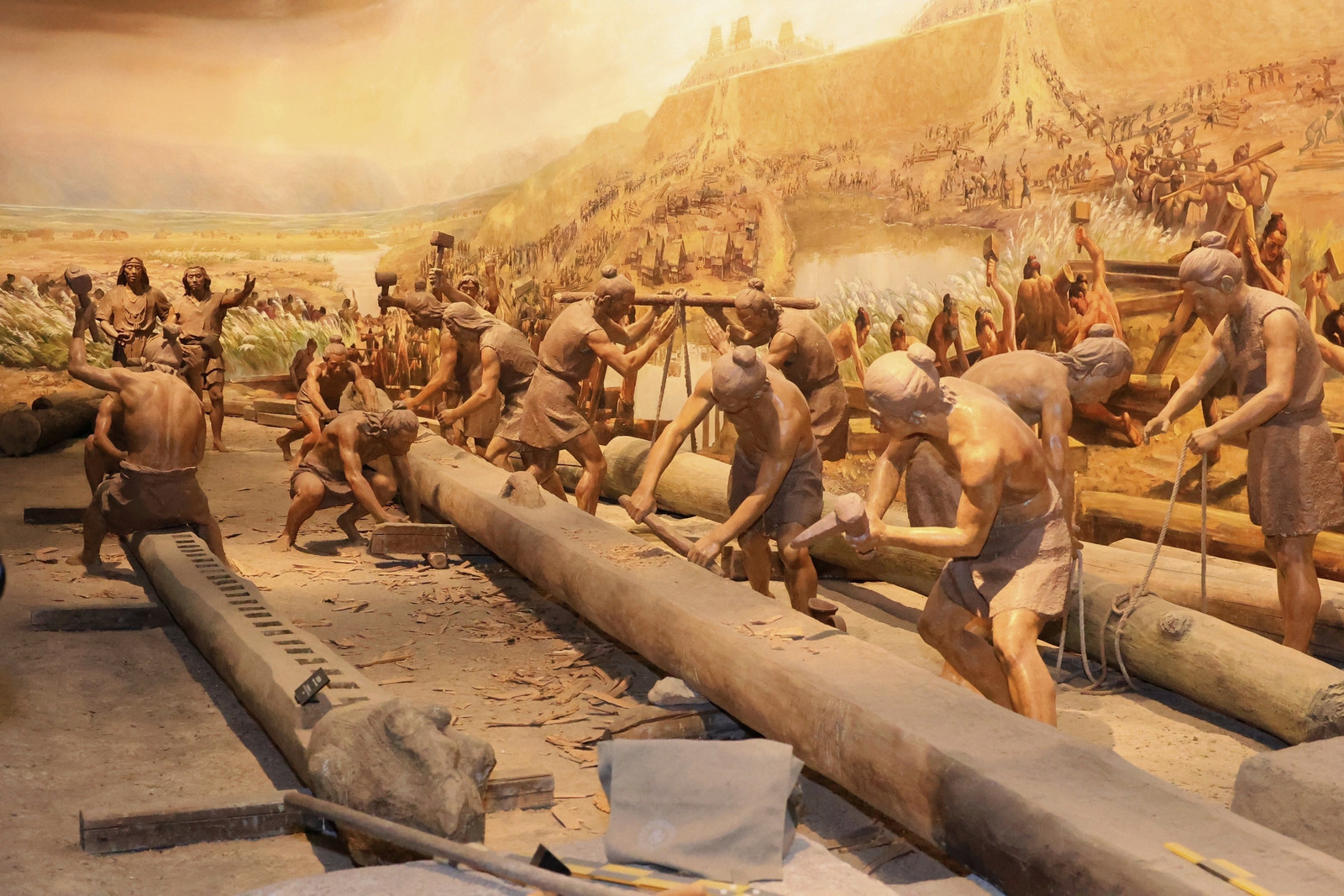
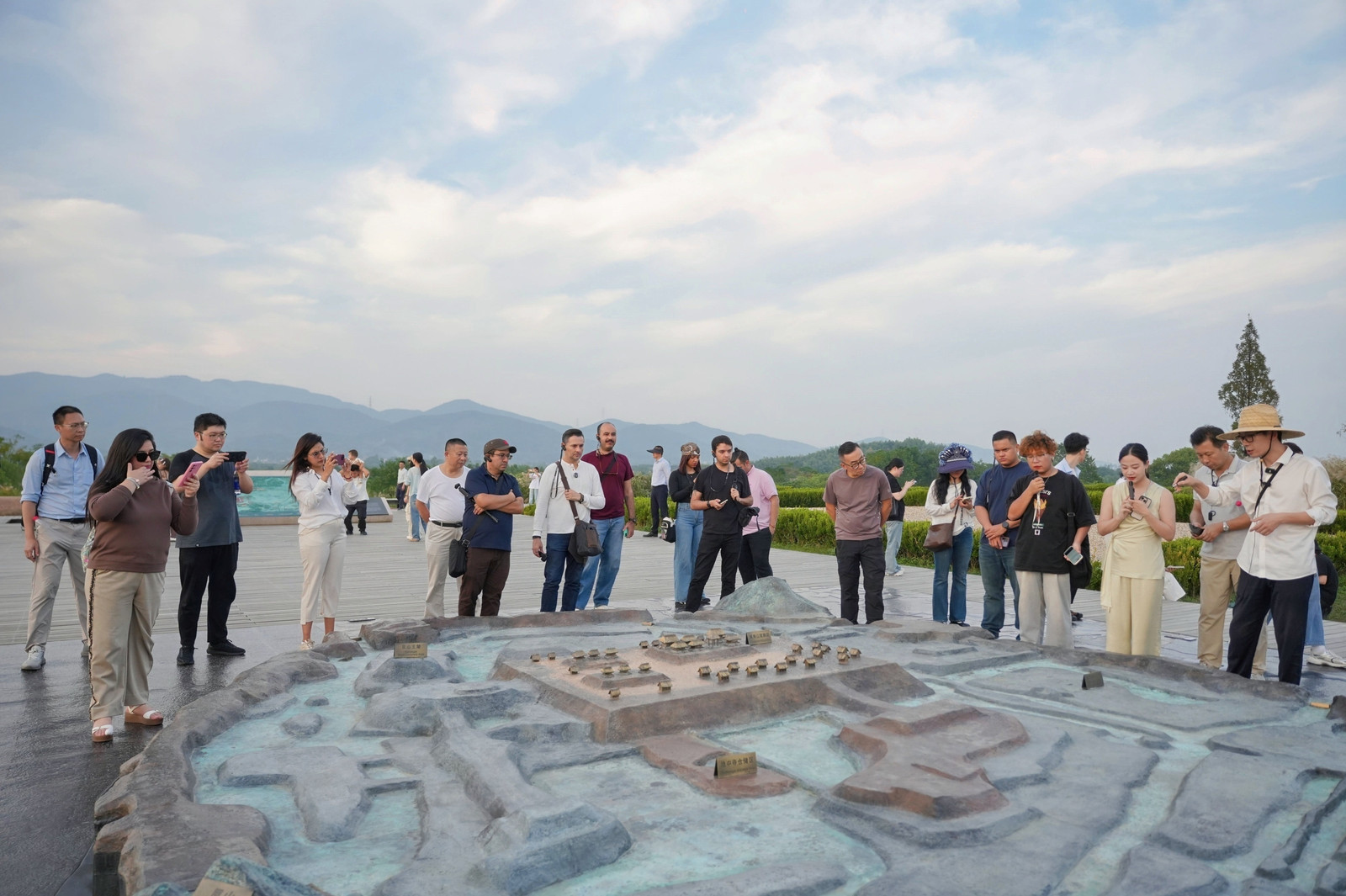
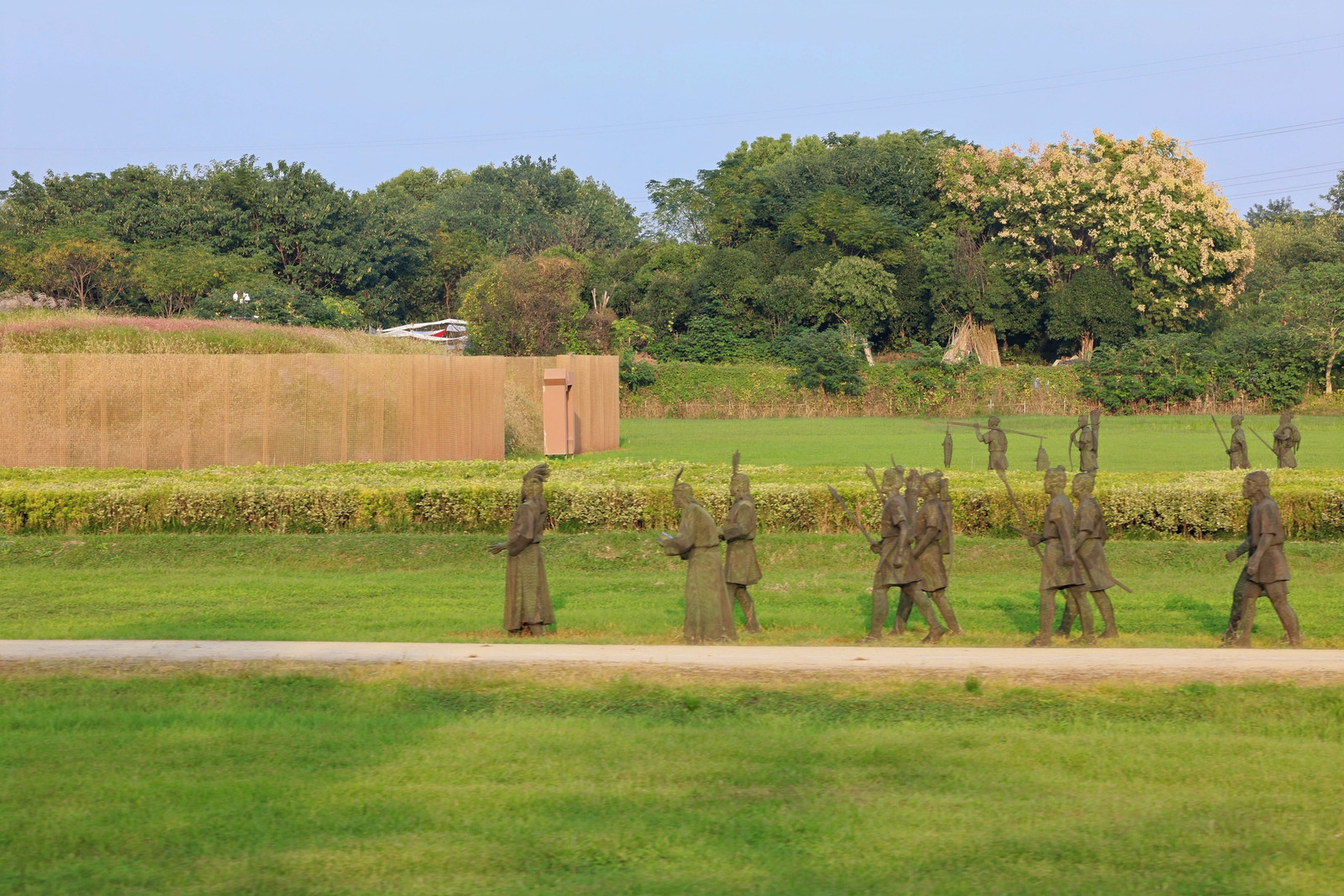
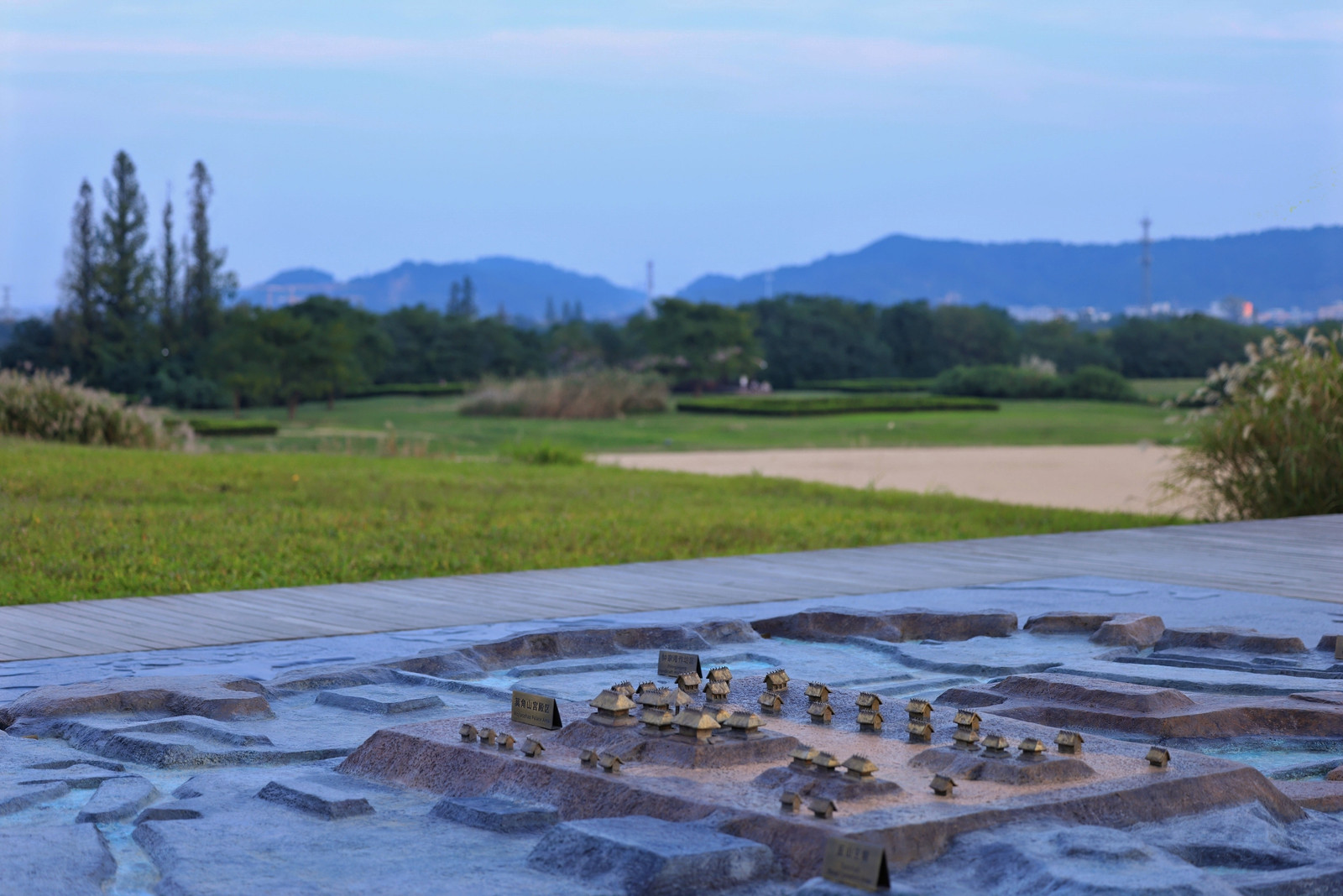
On the first day of the trip, the delegation visited the archaeological site of the ancient city of Liangzhu, located in the Yuhang District of Hangzhou.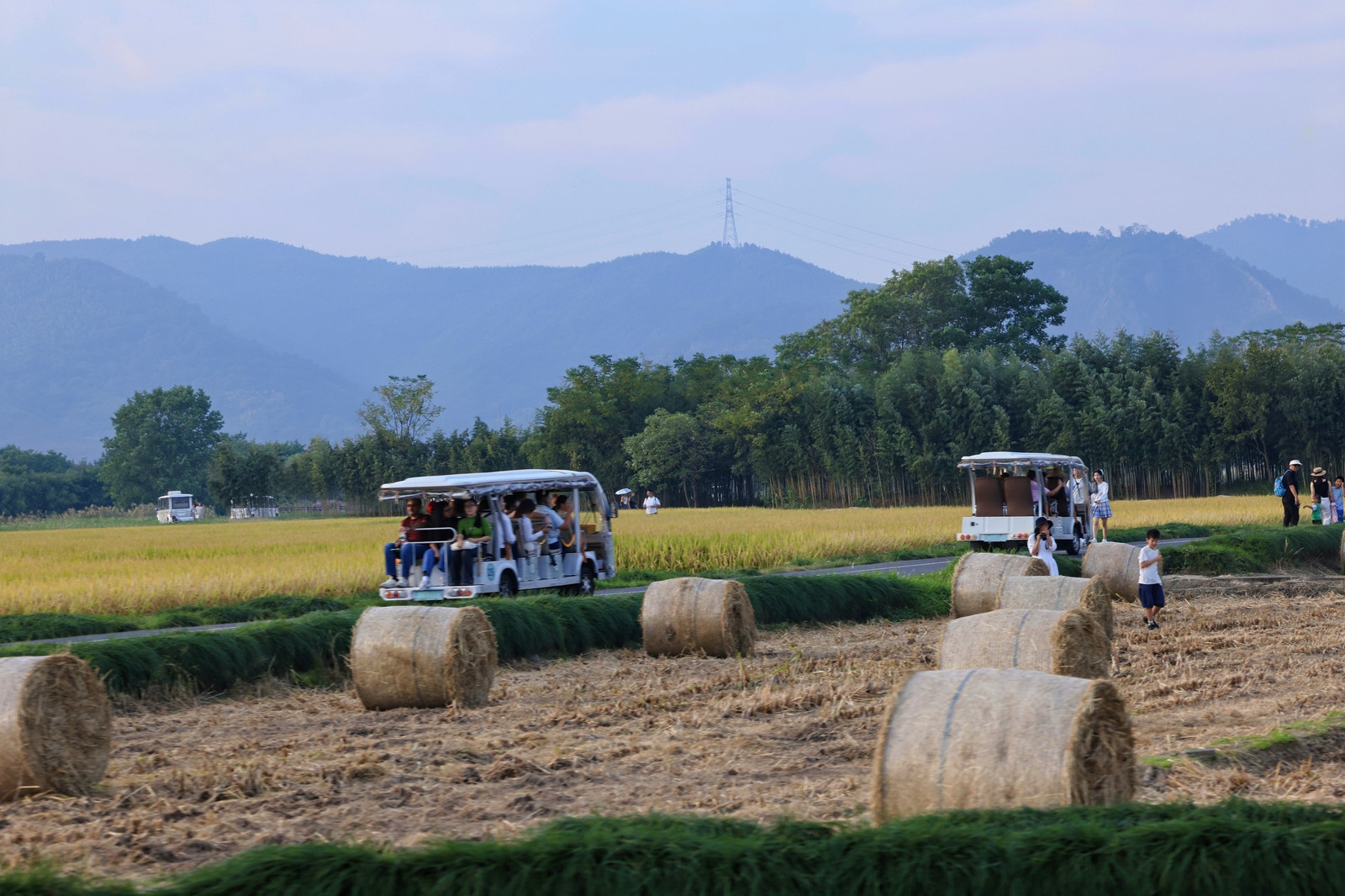
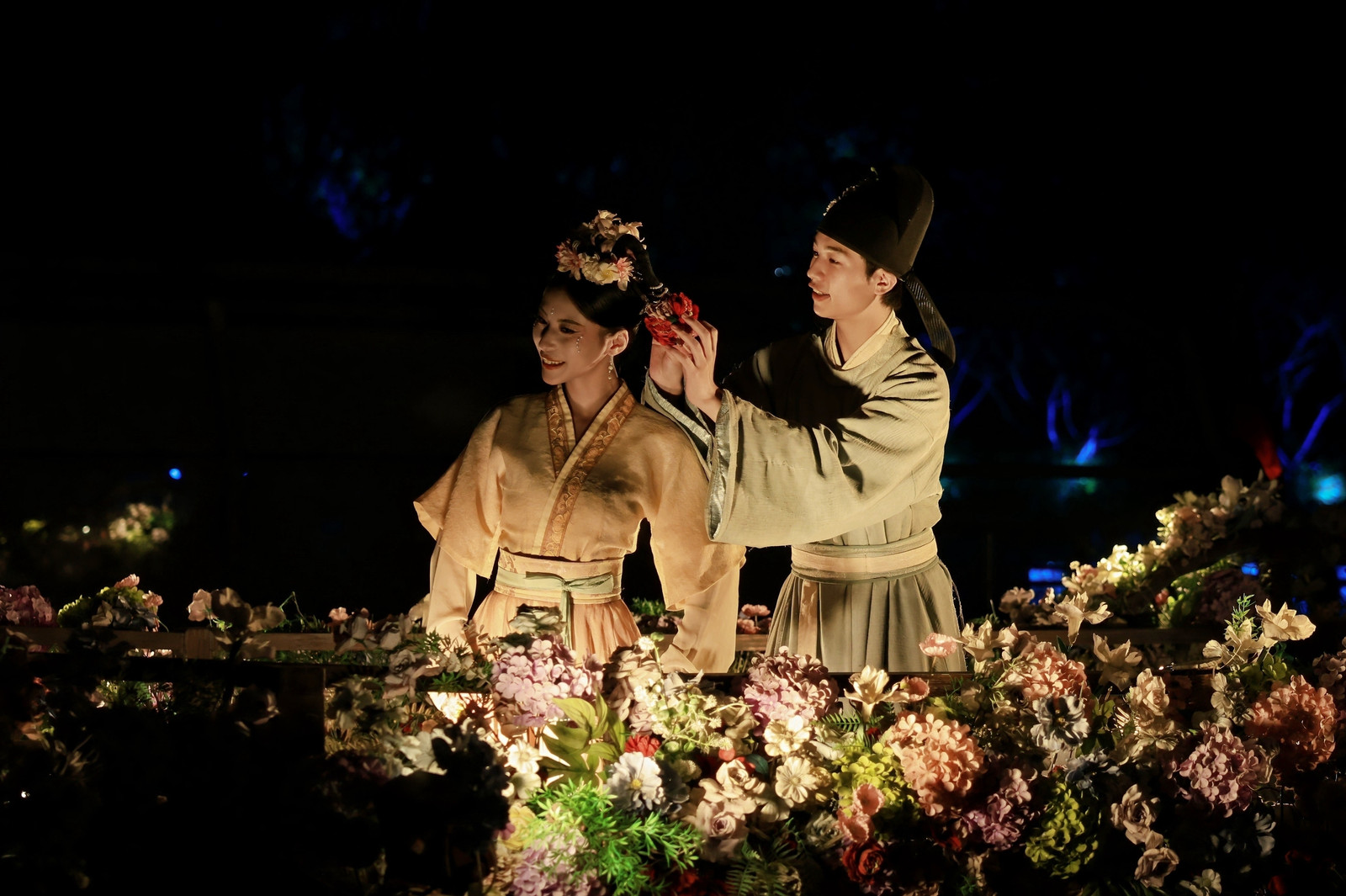
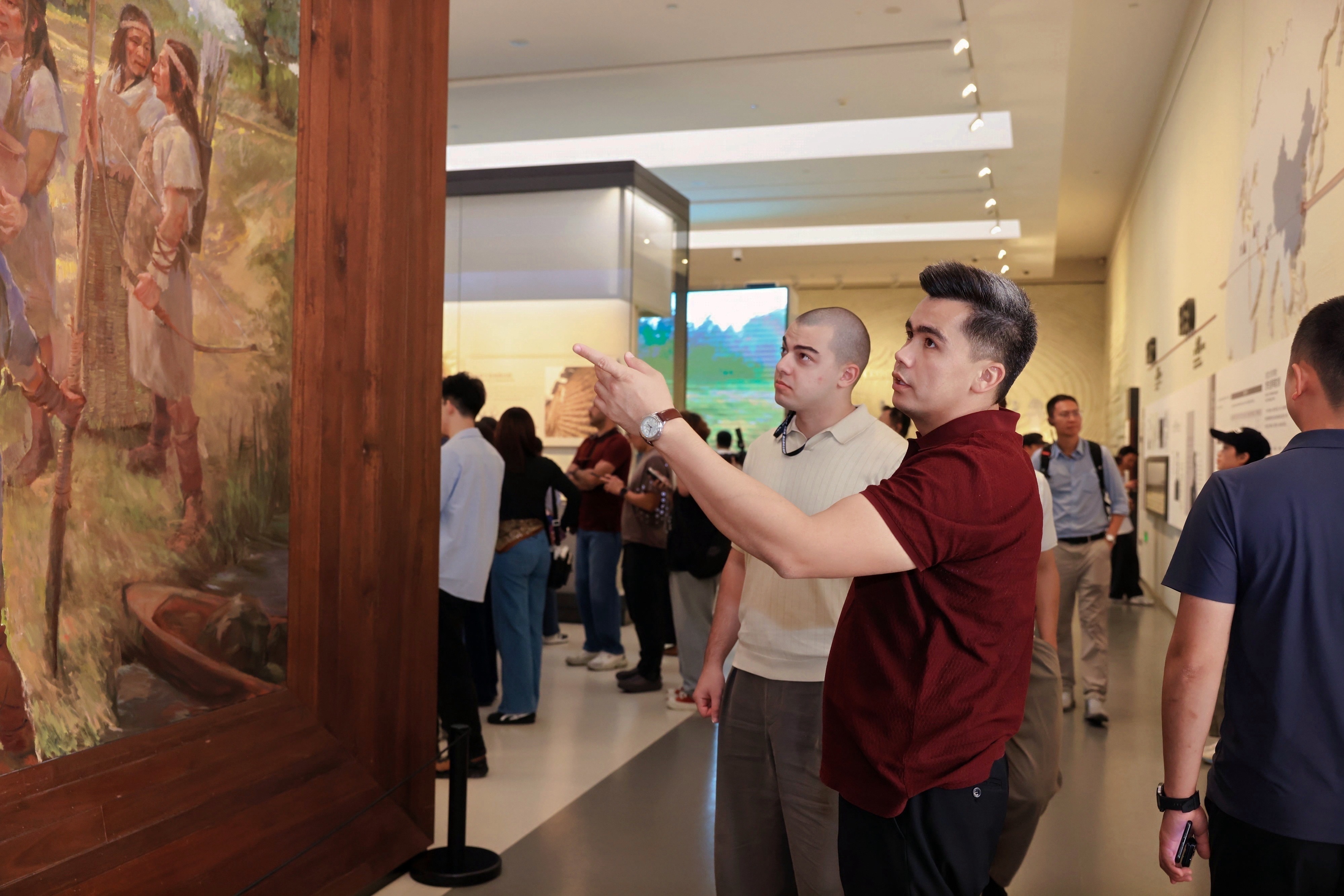
The Archaeological Ruins of Liangzhu City, which are inscribed on the UNESCO World Heritage List, stand as enduring evidence of early statehood that emerged in the lower reaches of the Yangtze River. Archaeological research conducted in this land, with its five-thousand-year history, has revealed a palace complex, city walls, and water management systems, demonstrating the high level of organization achieved by ancient Chinese civilization. The jade artifacts, black pottery, and tools preserved at the Liangzhu Museum are not merely historical discoveries; they also shed light on the social hierarchy, spiritual beliefs, and foundations of political authority of that era. Such profound respect for historical heritage, combined with the development of modern cultural and public spaces such as “Yunyaoji,” serves as one of the key foundations for strengthening social stability and national pride in contemporary China.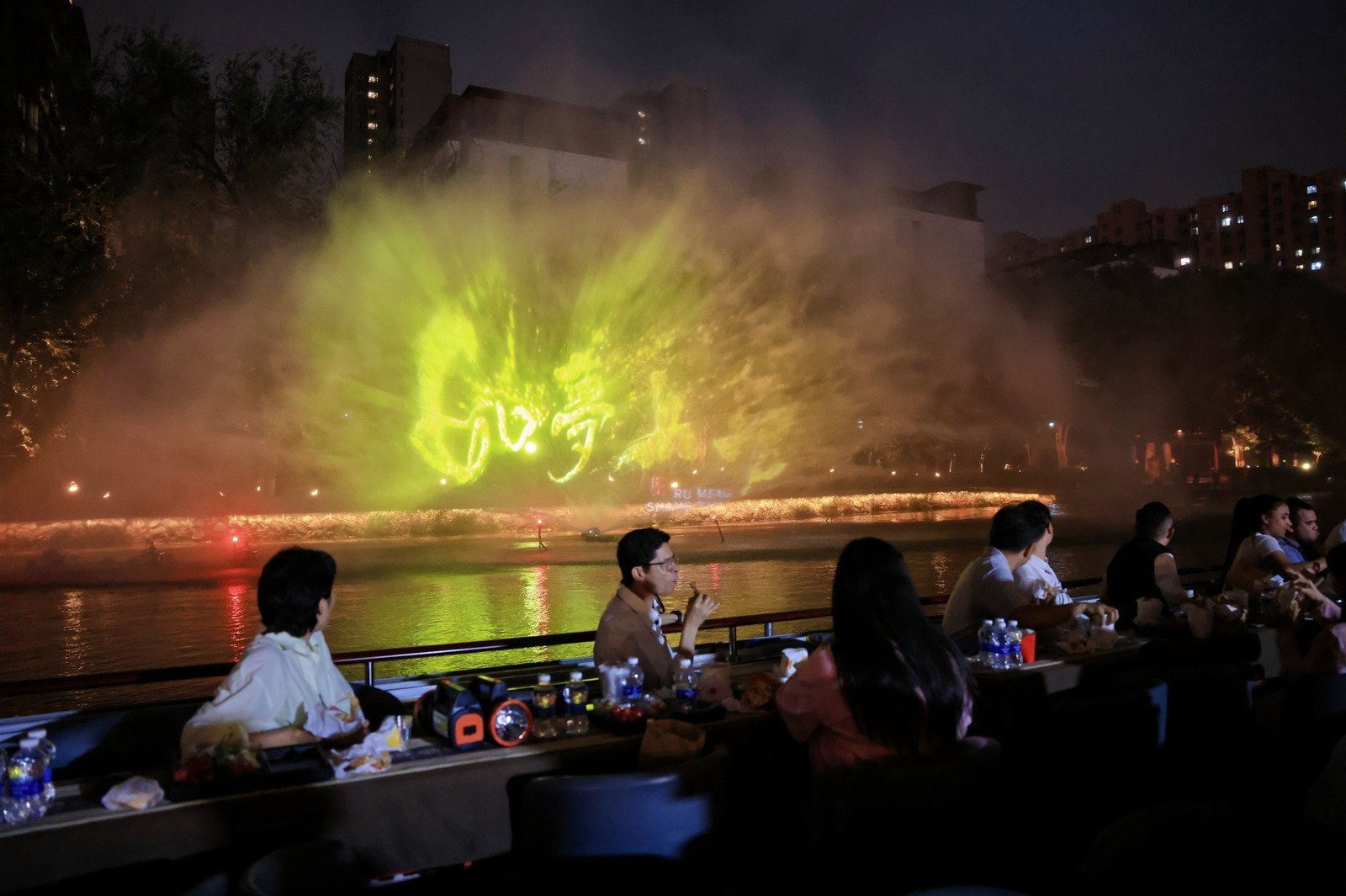
The Liangzhu Forum, held on October 18, served as a platform for international dialogue. The forum promotes the preservation of cultural heritage and highlights the connections between ancient civilizations.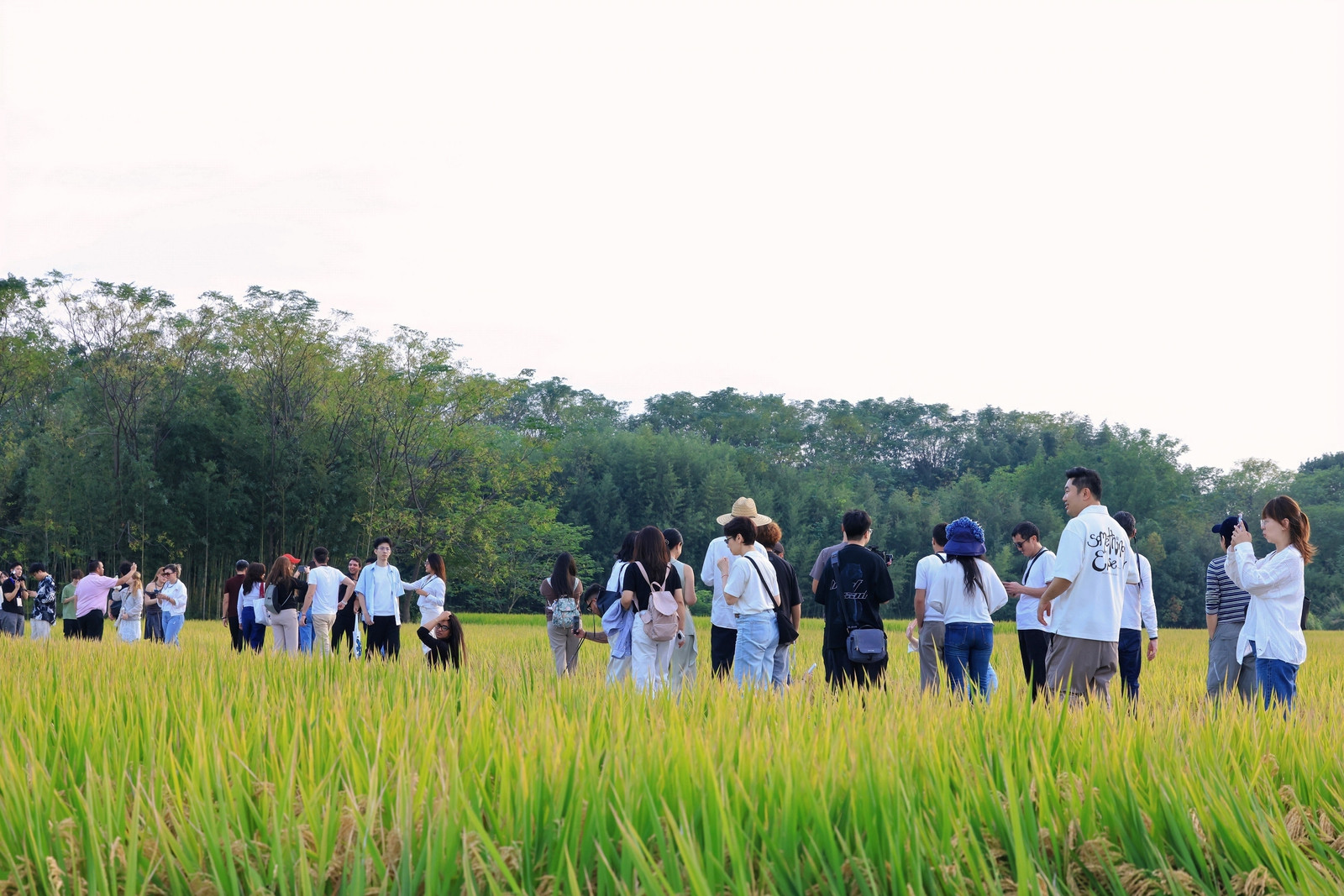
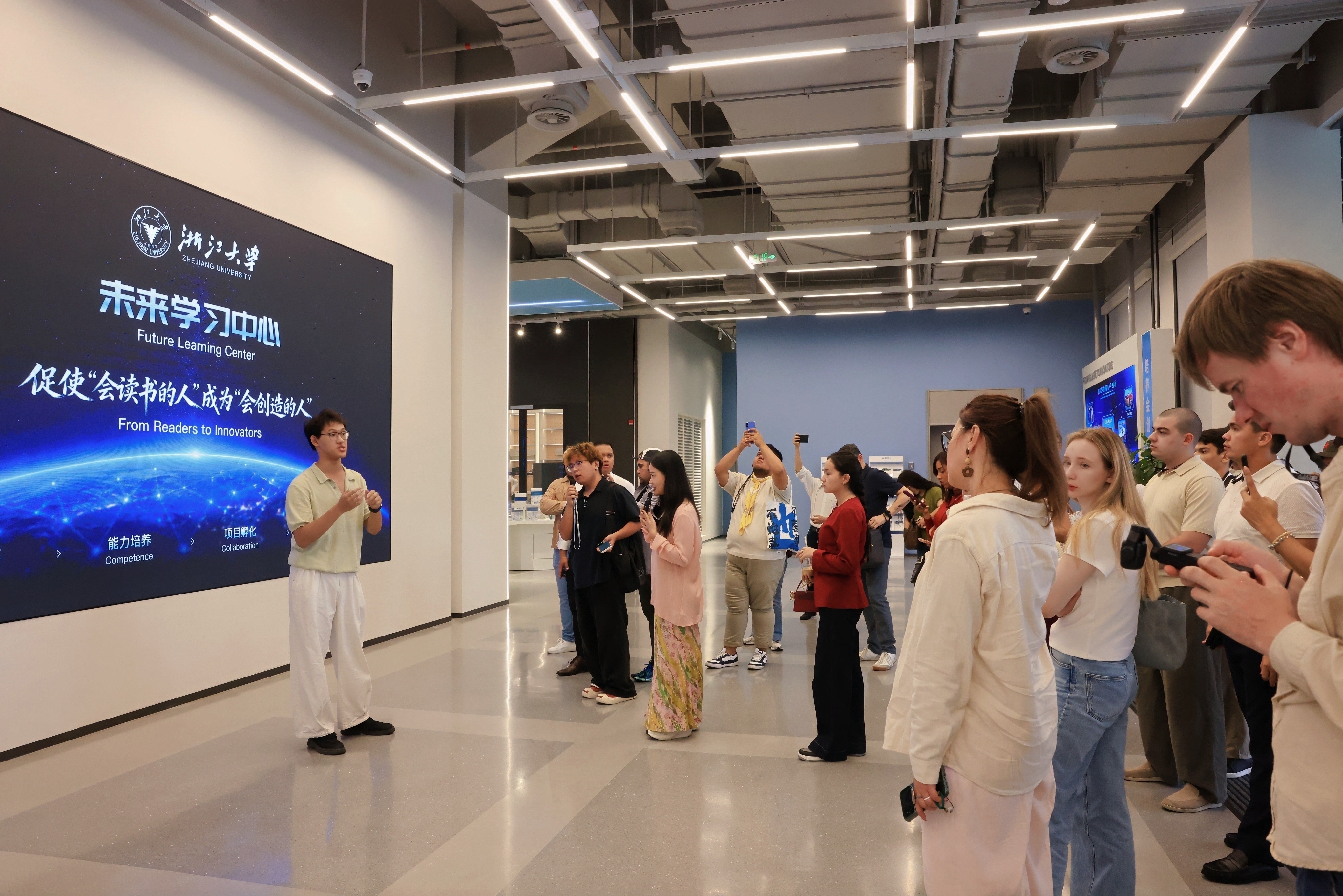
The scientific and technological foundations of the future are being established through a fundamental transformation of the science and education system. In this regard, during the visit to the Future Learning Center at Zhejiang University, particular attention was paid to the implementation of the “AI + X” concept, which aims to integrate artificial intelligence capabilities into all scientific disciplines. In addition, the Centrifugal Hyper-gravity and Interdisciplinary Experiment Facility (CHIEF), one of the first major national scientific and technological infrastructure projects of its kind, provides opportunities for conducting research into deep-Earth exploration and the development of new materials.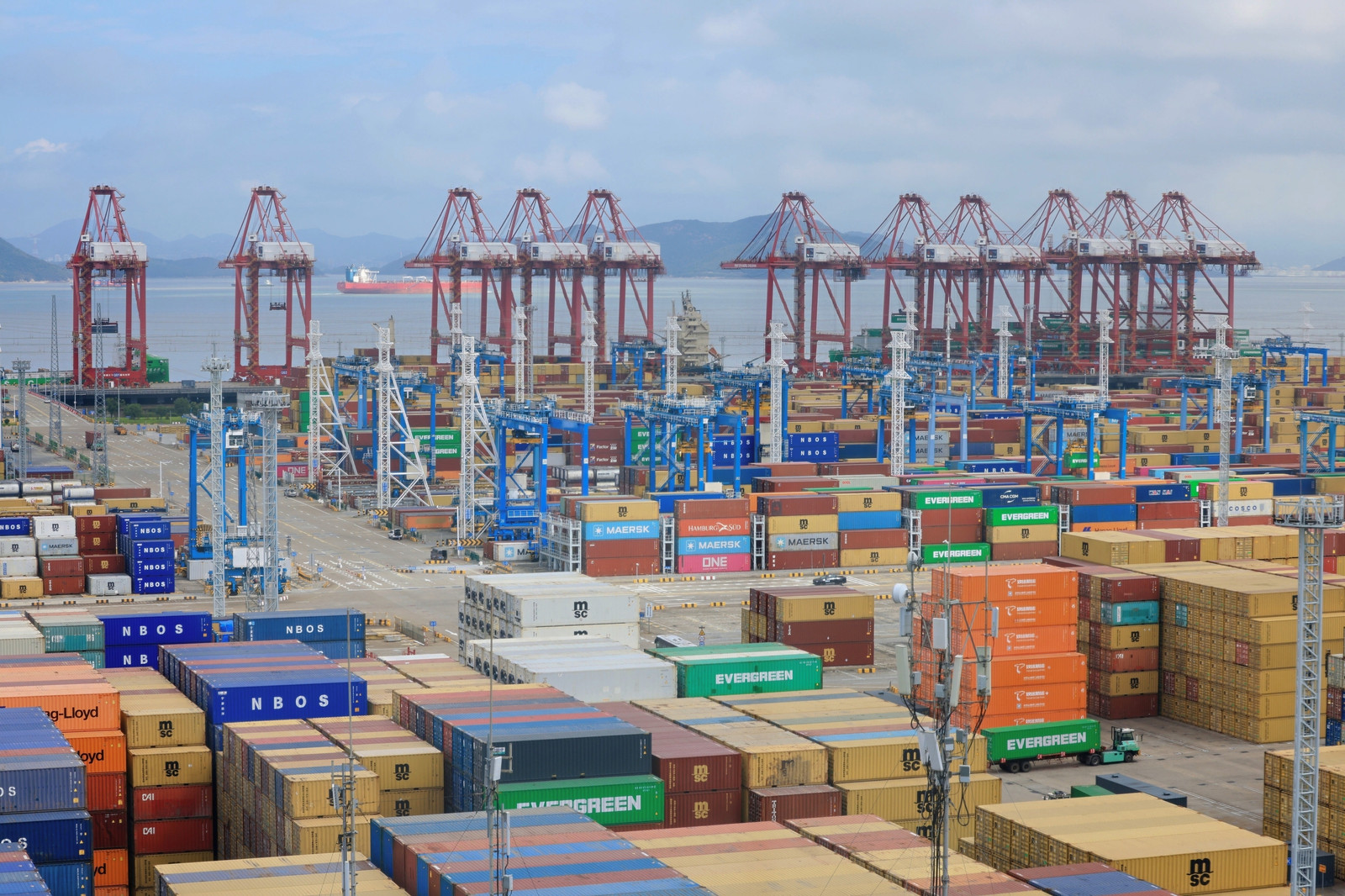
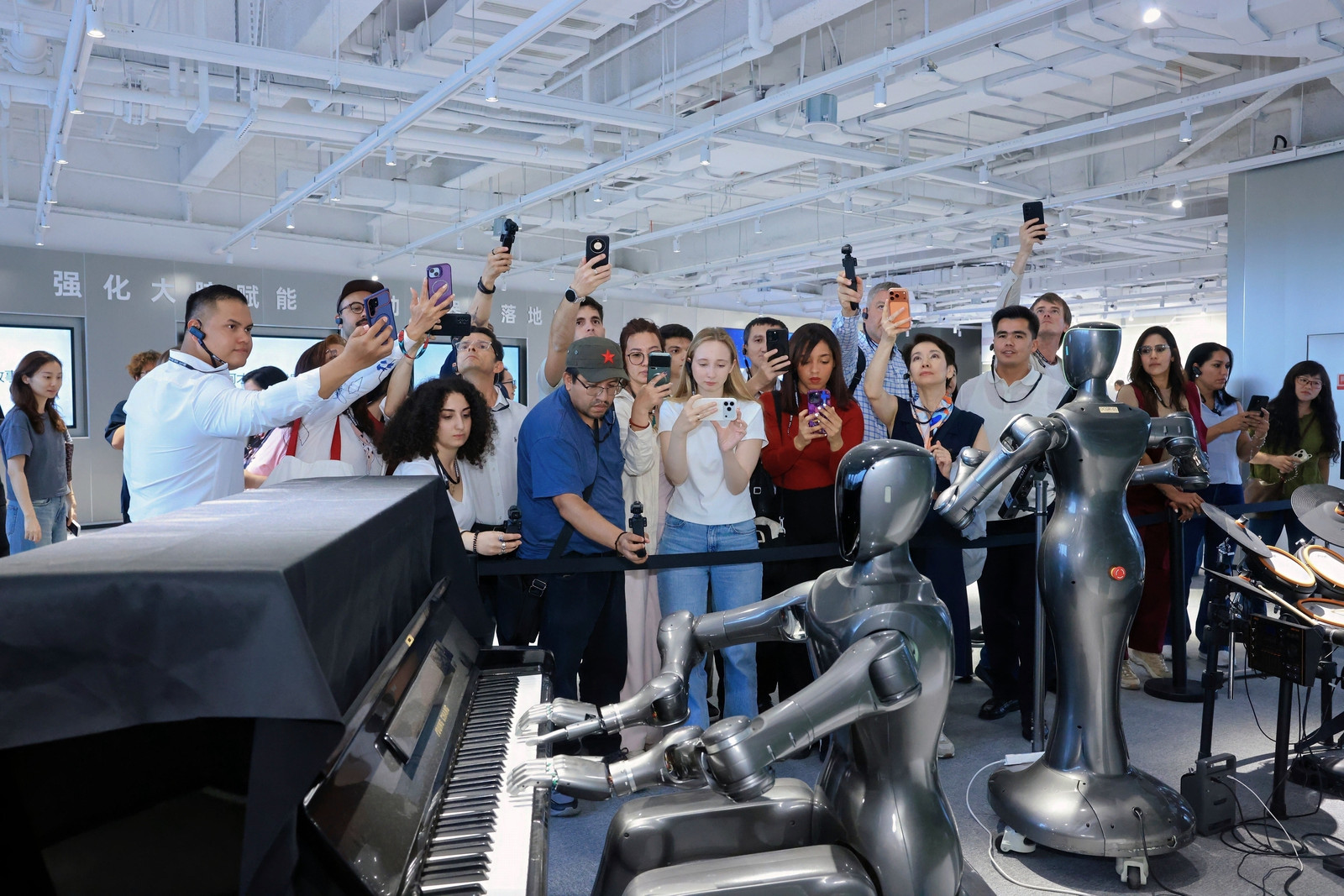
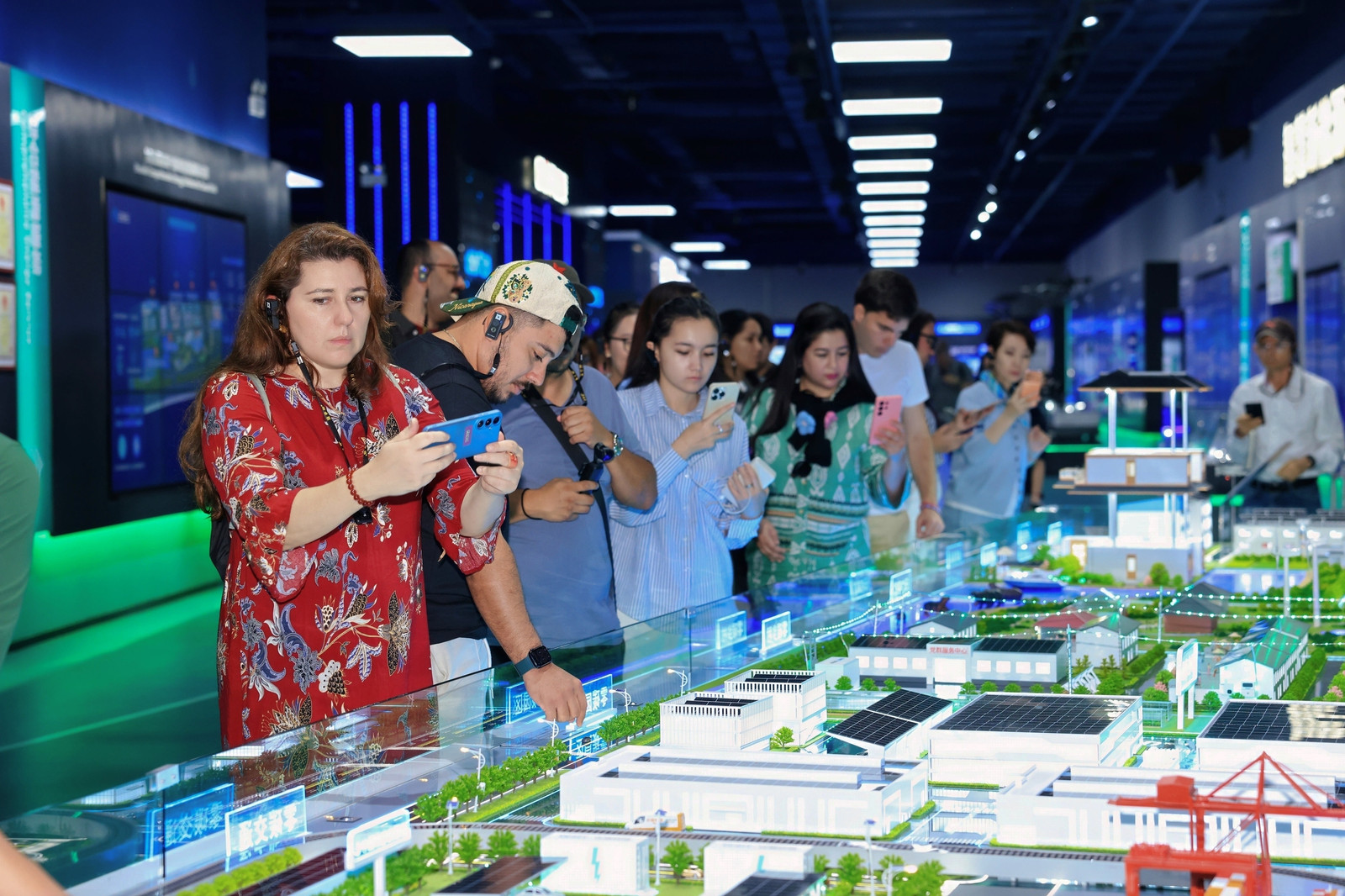
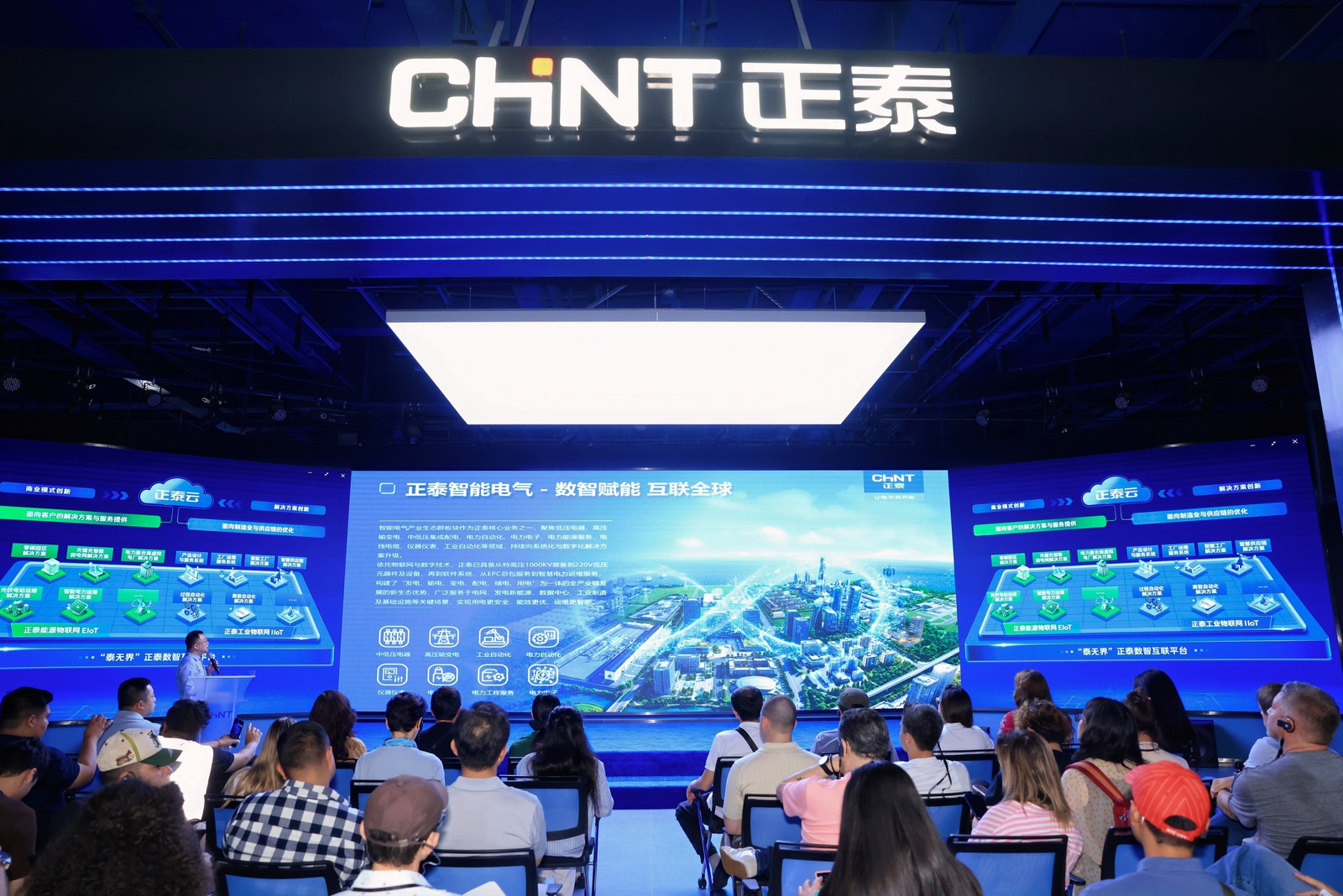
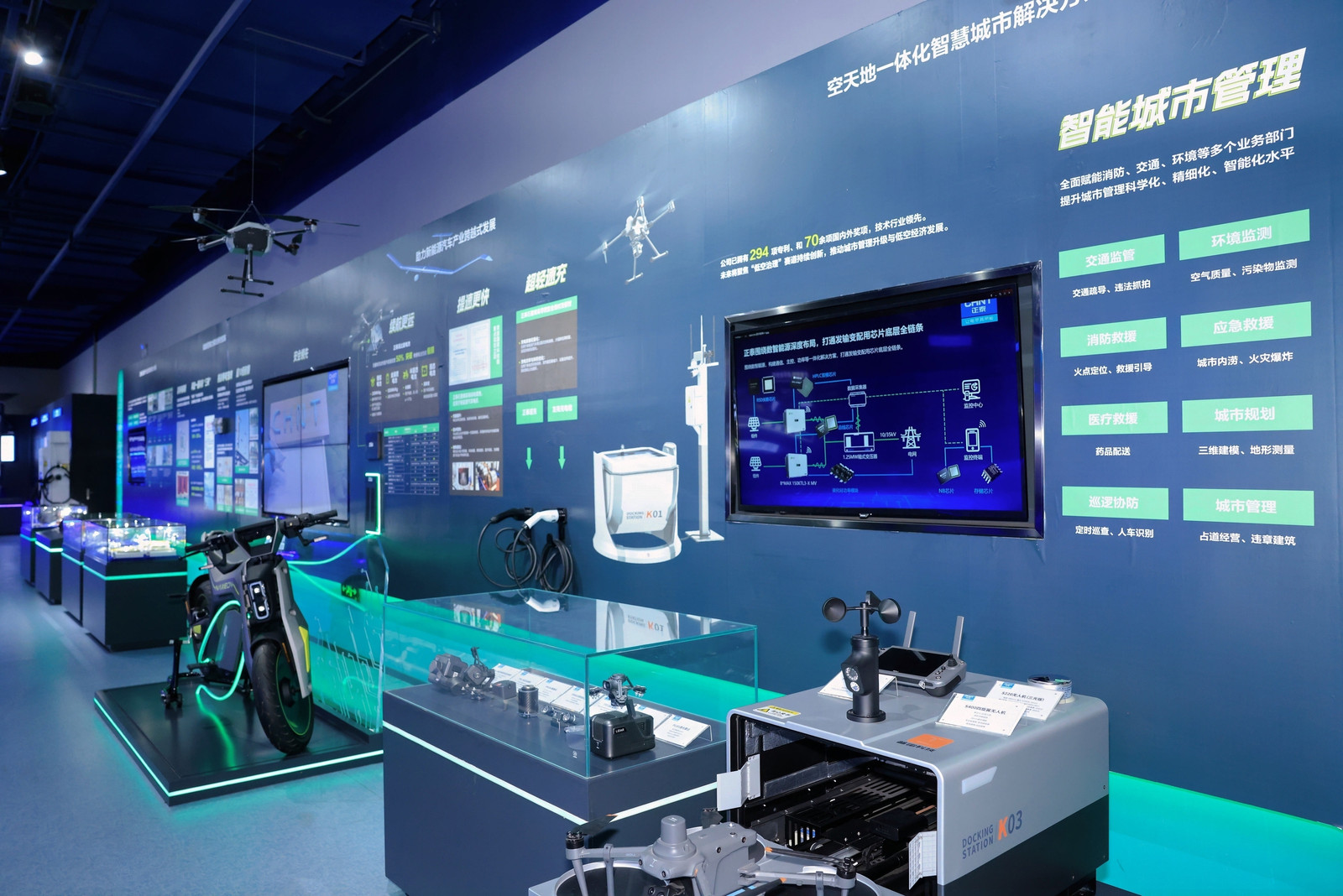
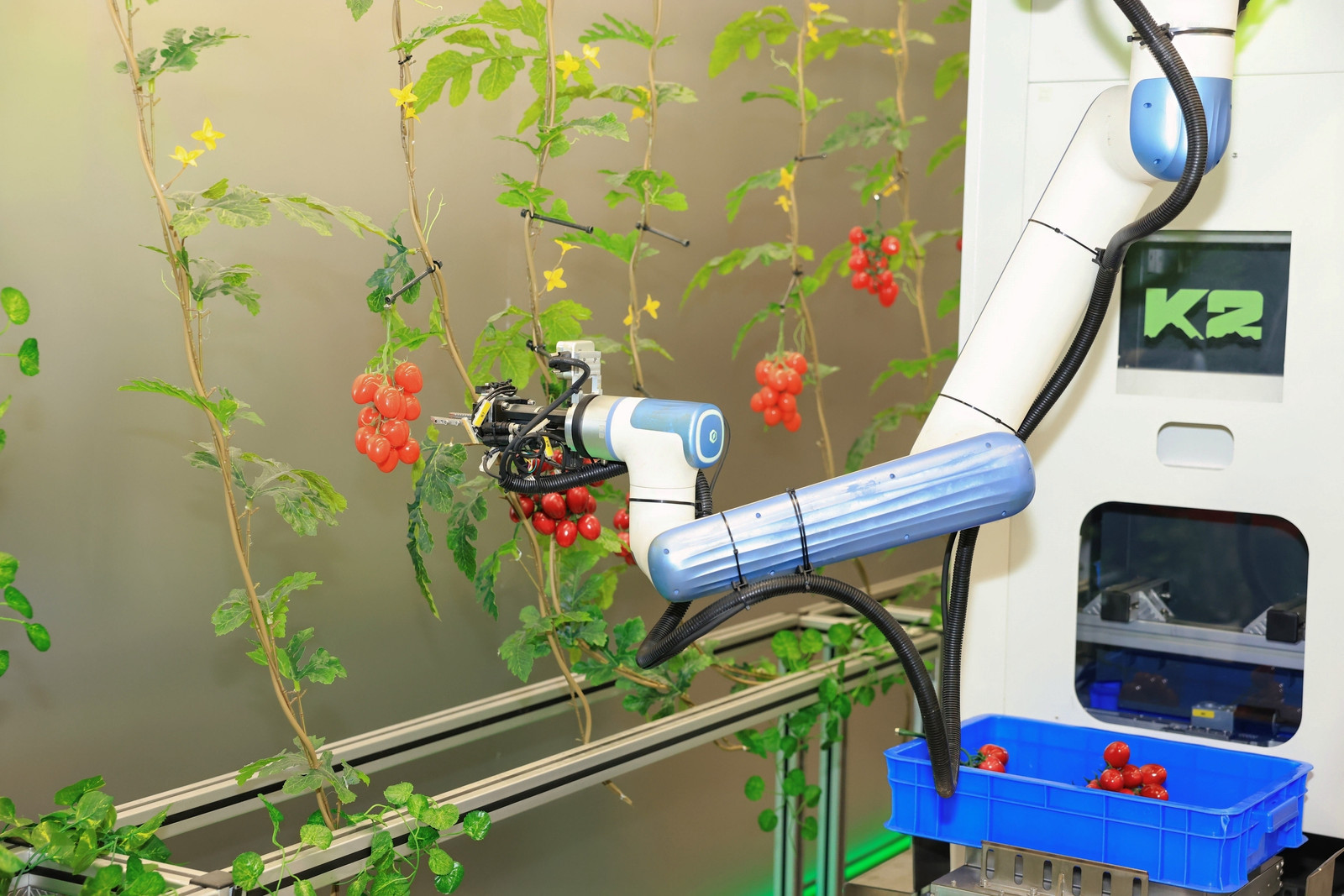
On October 19, the delegation visited the National Pilot Base for Embodied AI Applications in Hangzhou’s Binjiang High-Tech Zone. Here, robotics and physical artificial intelligence are rapidly moving from laboratories into industrial production. The photovoltaic and energy-saving systems installed in the digital energy building of Chint Group fully reflect the government’s policy of low-carbon and environmentally friendly development. This new development model also extends to traditional industrial sectors. A striking example of the innovative transformation of the traditional textile industry is Consinee Group’s automated “lights-out factory” in Ningbo, which operates using 5G network technology.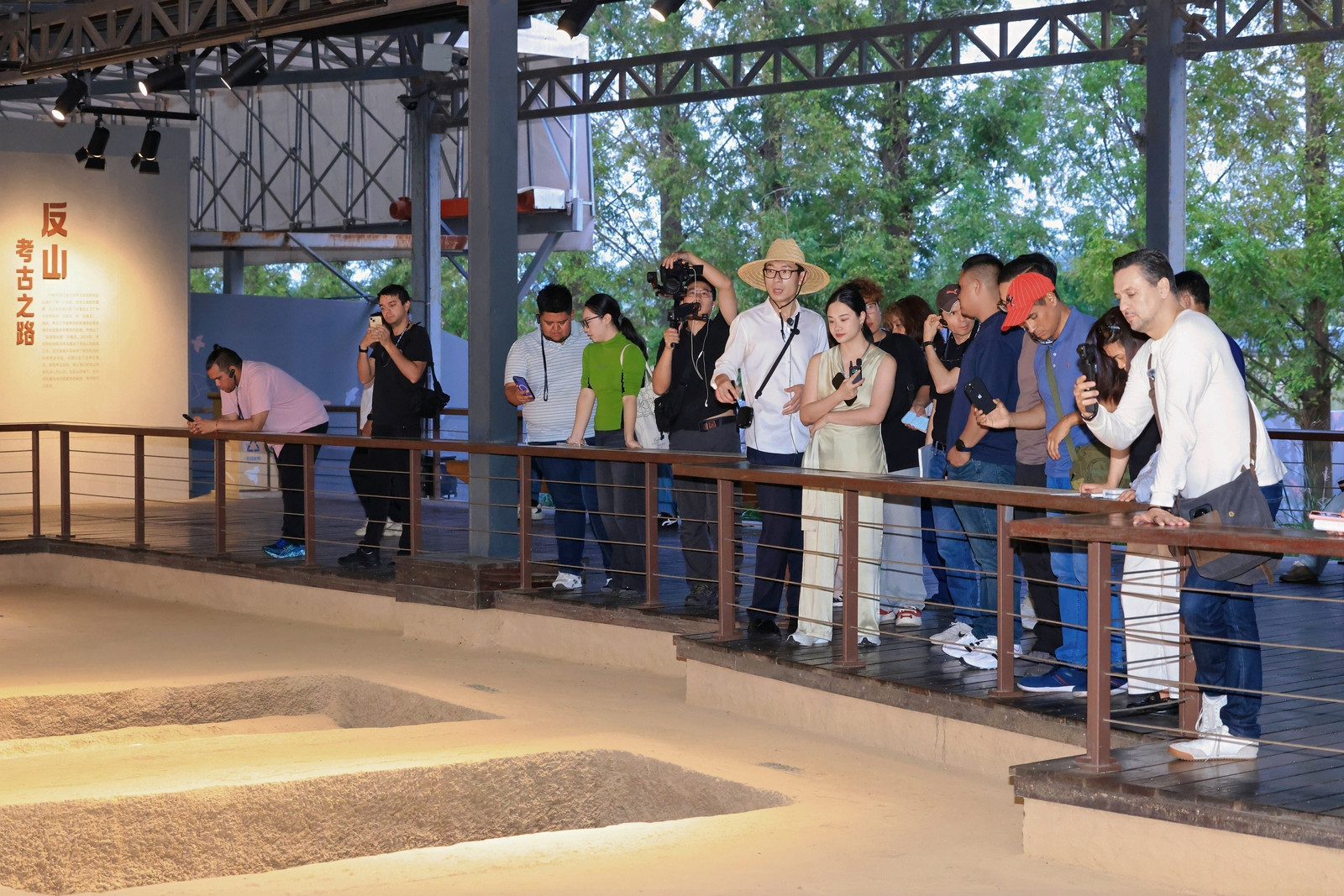
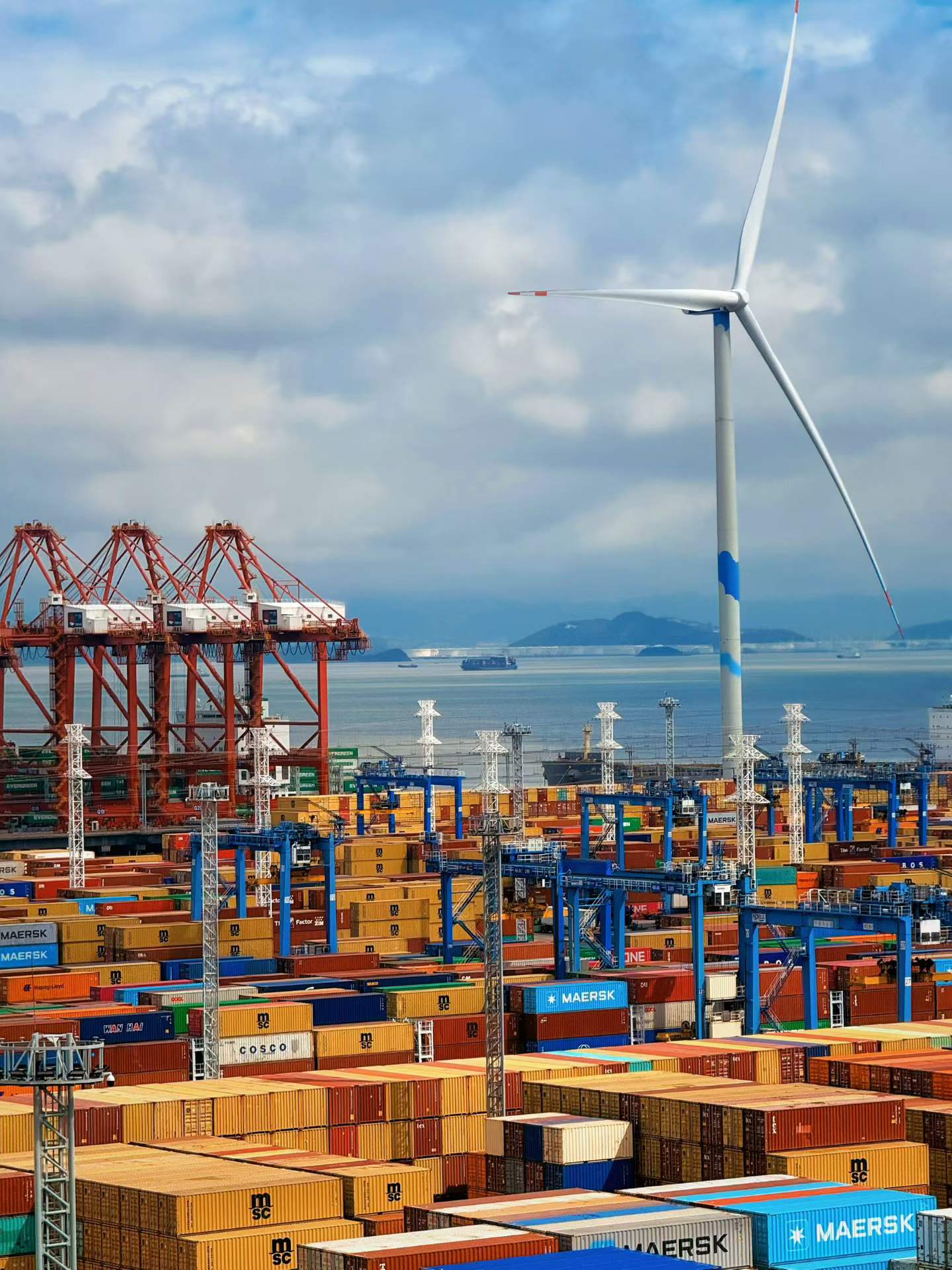
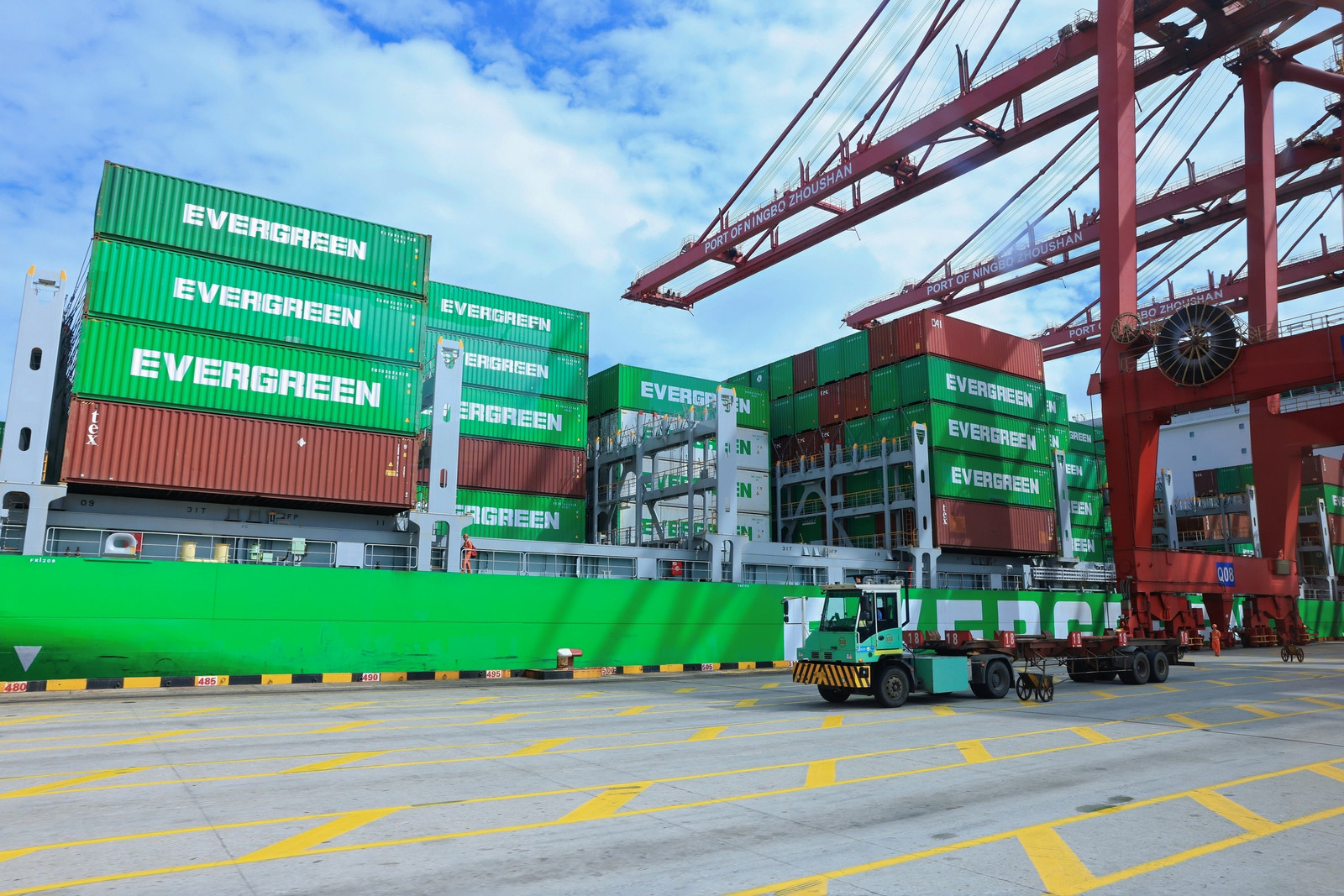
On the final day of the trip, the delegation visited the Chuanshan area of the Ningbo-Zhoushan Port, part of the Zhejiang port group, which ranks first in the world in terms of cargo throughput. The port group’s integrated management model, serving as a maritime hub of China’s Belt and Road Initiative, provides the international community with an example of openness, free trade, and international integration.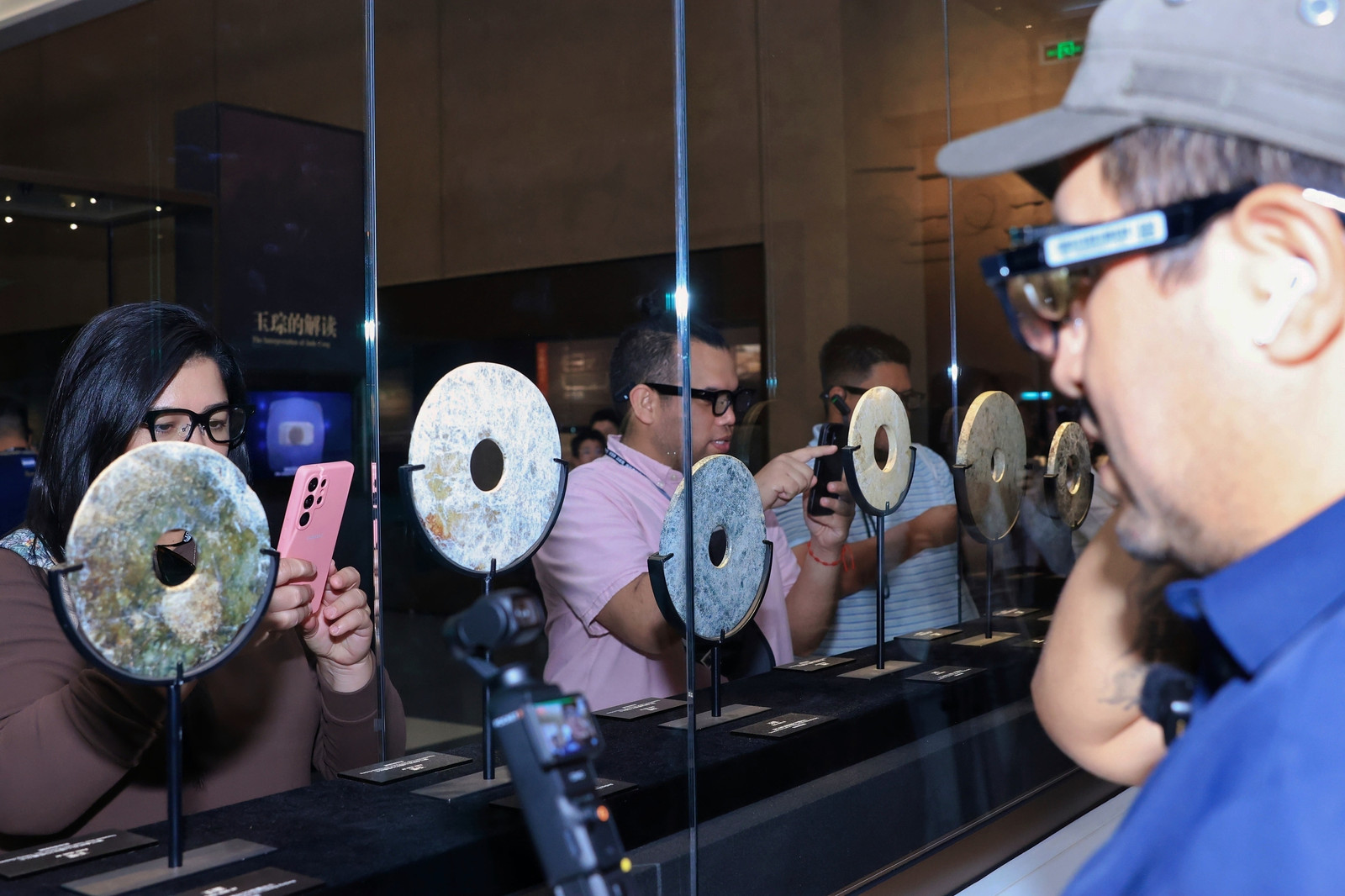
This development path, extending from the ancient civilization of Liangzhu to the artificial intelligence laboratories of Binjiang and the vast port facilities of Ningbo-Zhoushan, vividly illustrates China’s contemporary development model. Historical heritage, scientific and technological progress, clean energy, and global trade integration complement one another, forming the core political and economic foundation that supports the country’s strong and sustainable development in the new era.