


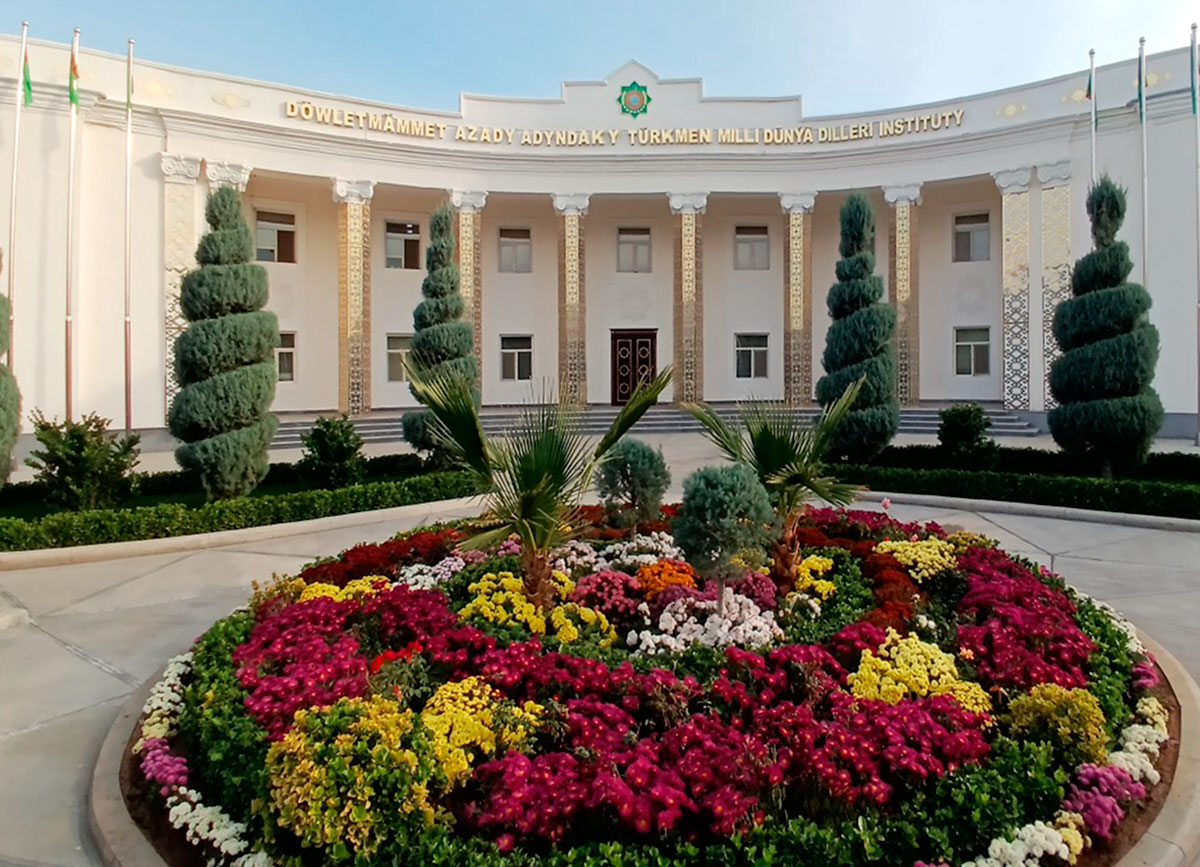
In the modern era, the reform of Turkmenistan’s national education system, initiated by the National Leader of the Turkmen people, Hero-Arkadag, is continuing successfully under the leadership of President Serdar Berdimuhamedov. Among the state’s key priorities, the President has identified the active application of the latest scientific and technological advances and cutting-edge technologies. Drawing on international experience, scientific, theoretical, and practical teaching methods are being improved. Having reached a qualitatively new level, the country’s education system is opening up extensive opportunities for younger generations of Turkmenistan’s citizens to acquire modern knowledge that meets the demands of the times and international educational standards.
In accordance with the Concept for the Development of the Digital Education System in Turkmenistan, comprehensive measures are being implemented to develop digital infrastructure, promote the widespread use of interactive teaching methods and digital educational resources, establish a repository of electronic educational information, and connect higher education institutions to a unified educational network. As at all universities across the country, extensive work in this area is also being carried out at the Dovletmammet Azadi Turkmen National Institute of World Languages.
The Institute regularly organises research and practical conferences, seminars, and other events devoted to the introduction of modern educational technologies and the improvement of teaching methodologies. The work of its academic and teaching staff is also focused on successfully addressing the challenges of digitalising the educational process, thereby helping to improve the quality of training for future specialists.
When discussing modern teaching methods for philology students, particularly in subjects such as literature, at the Dovletmammet Azadi Turkmen National Institute of World Languages, it is important first to note that lecturers actively employ new approaches to the study of literary works, including classical literature. The use of digital technologies, visual materials, and interactive assignments makes lessons more engaging and informative.
Combining the latest educational tools with discussion-based formats and lively exchanges of ideas helps students gain a deeper understanding of literary works while developing their language skills and analytical abilities. However, it is important to recognise that digital tools should not replace the reading of literary texts. Their primary purpose is to help students develop independent analytical skills, critical thinking, and the ability to defend their own interpretations of literary works with well-reasoned arguments.
At the same time, the learning process places particular emphasis on the importance of connecting theoretical knowledge with students’ future professional careers. In this regard, students are taught to apply the skills they acquire when completing various types of assignments, including comparative character analyses, literary reviews, and other tasks.
Overall, the use of digital technologies in the educational process at the Dovletmammet Azadi Turkmen National Institute of World Languages contributes to improving the quality of specialist training, enhancing intercultural and digital literacy, and strengthening the alignment of national education with global trends. At the same time, the Institute’s collective efforts are intended to contribute to the further improvement of the national education system and the development of highly qualified young specialists who are proficient in linguistic and literary analysis and prepared for research and teaching, as well as for developing educational programmes, outreach projects, and digital humanities resources.