


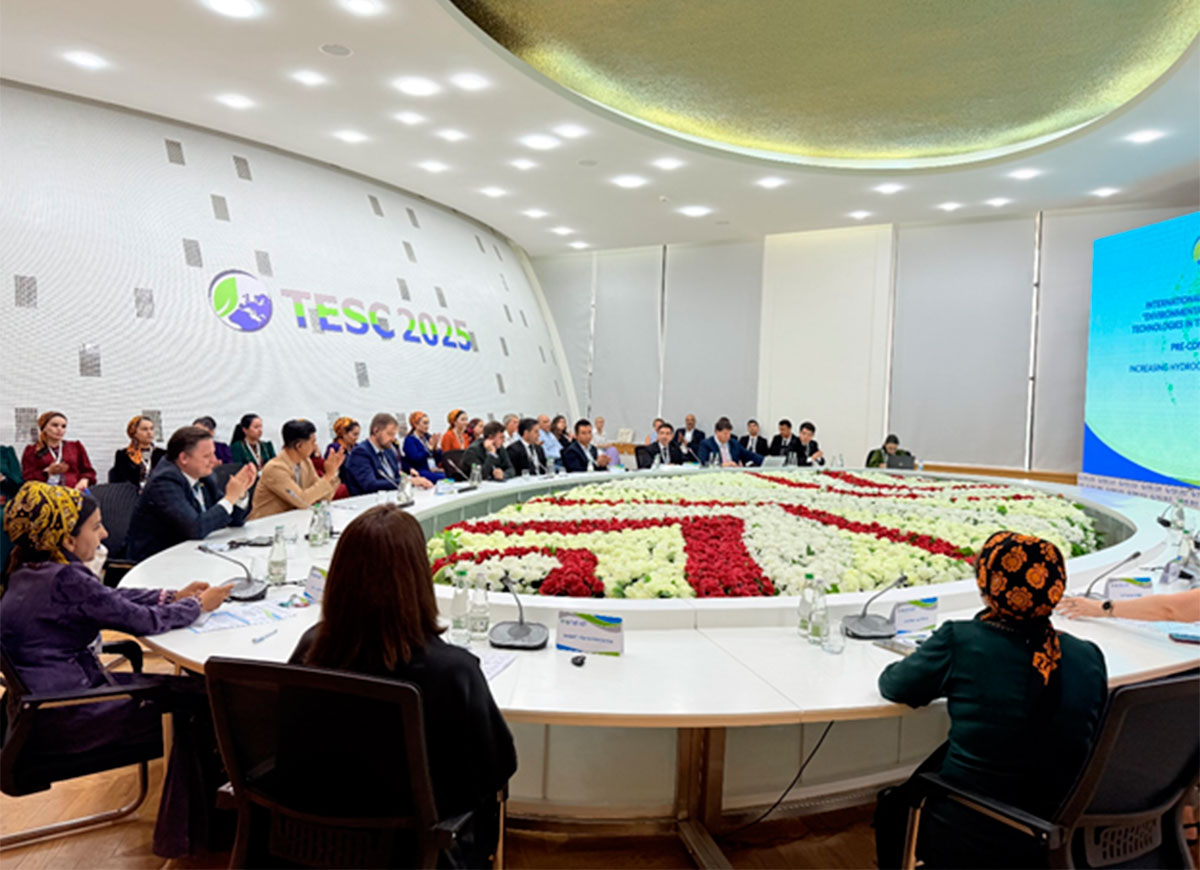
The International Scientific and Practical Conference “Turkmen Energy” (TESC 2026) will take place in Ashgabat on 14–15 December 2026, focusing on advancing energy science, introducing cutting-edge technologies and strengthening international cooperation.
Held under the motto “Science. Technology. Partnership.”, the forthcoming forum will bring together representatives of government institutions, leading energy companies, international organisations, research institutions and universities.
The conference reflects Turkmenistan’s strong emphasis on advancing energy science, modernising industrial infrastructure, introducing digital technologies and ensuring environmental sustainability. These priorities hold an important place in the state policy consistently pursued under the leadership of President of Turkmenistan Serdar Berdimuhamedov.
TESC 2026 will focus on the practical application of scientific advances, digital transformation and artificial intelligence, improving oil and gas field development efficiency, reducing methane emissions, financing innovation and training highly qualified specialists.
International Climate Initiatives and Practical Cooperation
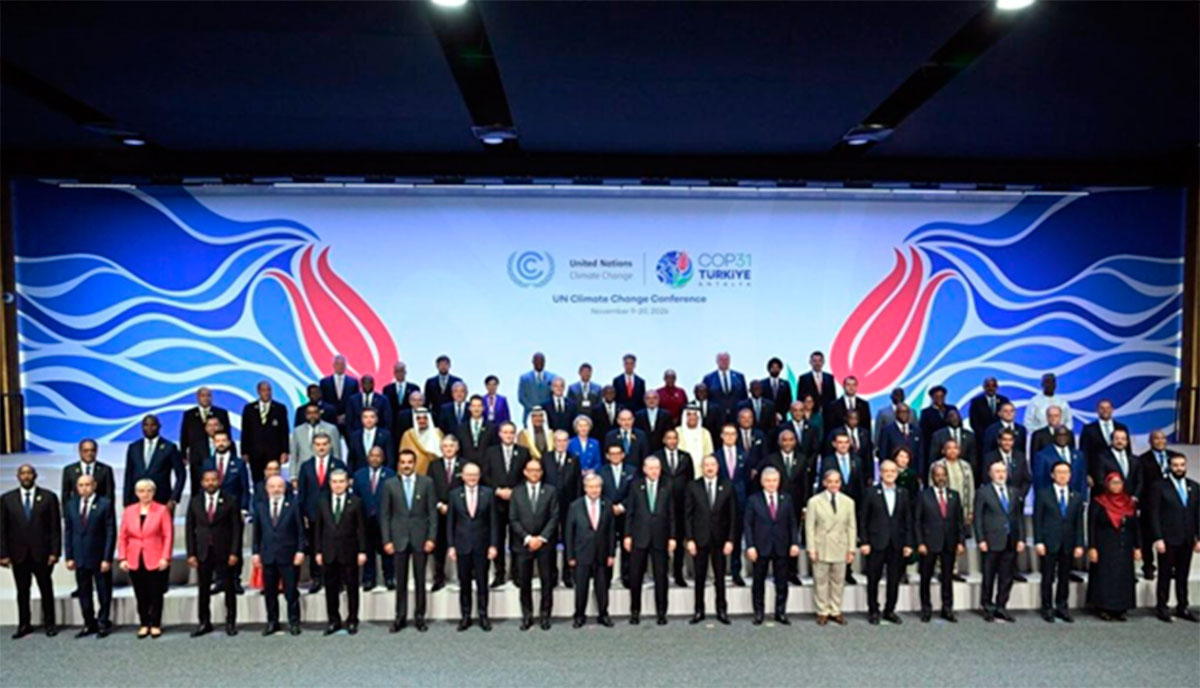
The forthcoming conference gains particular relevance from Turkmenistan’s international climate initiatives, which were further developed during the participation of the National Leader of the Turkmen people, Chairman of the Halk Maslahaty of Turkmenistan, Hero-Arkadag Gurbanguly Berdimuhamedov in the Leaders’ Summit of the 31st Conference of the Parties to the United Nations Framework Convention on Climate Change (COP31), held in Antalya on 11 November 2026.
In his address, Hero-Arkadag reaffirmed Turkmenistan’s commitment to fulfilling its international obligations under the Paris Agreement and implementing its National Climate Change Strategy.
Particular attention was given to reducing greenhouse gas emissions, improving energy efficiency, modernising energy infrastructure and promoting the widespread adoption of modern, environmentally sound technologies.
Turkmenistan’s proposals included establishing the Ashgabat Climate Dialogue, developing a Digital Atlas of Climate Change and Its Adverse Impacts, creating a global partnership to ensure access to climate technologies, and considering the development of an International Environmental Code under UN auspices.
The establishment of a Regional Centre for Climate Technologies for Central Asia, scheduled to begin operating in early 2027, is also of particular significance. Its work will focus on strengthening international cooperation and facilitating the adoption of modern technological solutions for climate resilience.
In this context, TESC 2026 will provide an additional professional platform for exchanging scientific and technical expertise and discussing practical solutions to current industrial and environmental challenges.
Science, Technology and International Energy Partnership
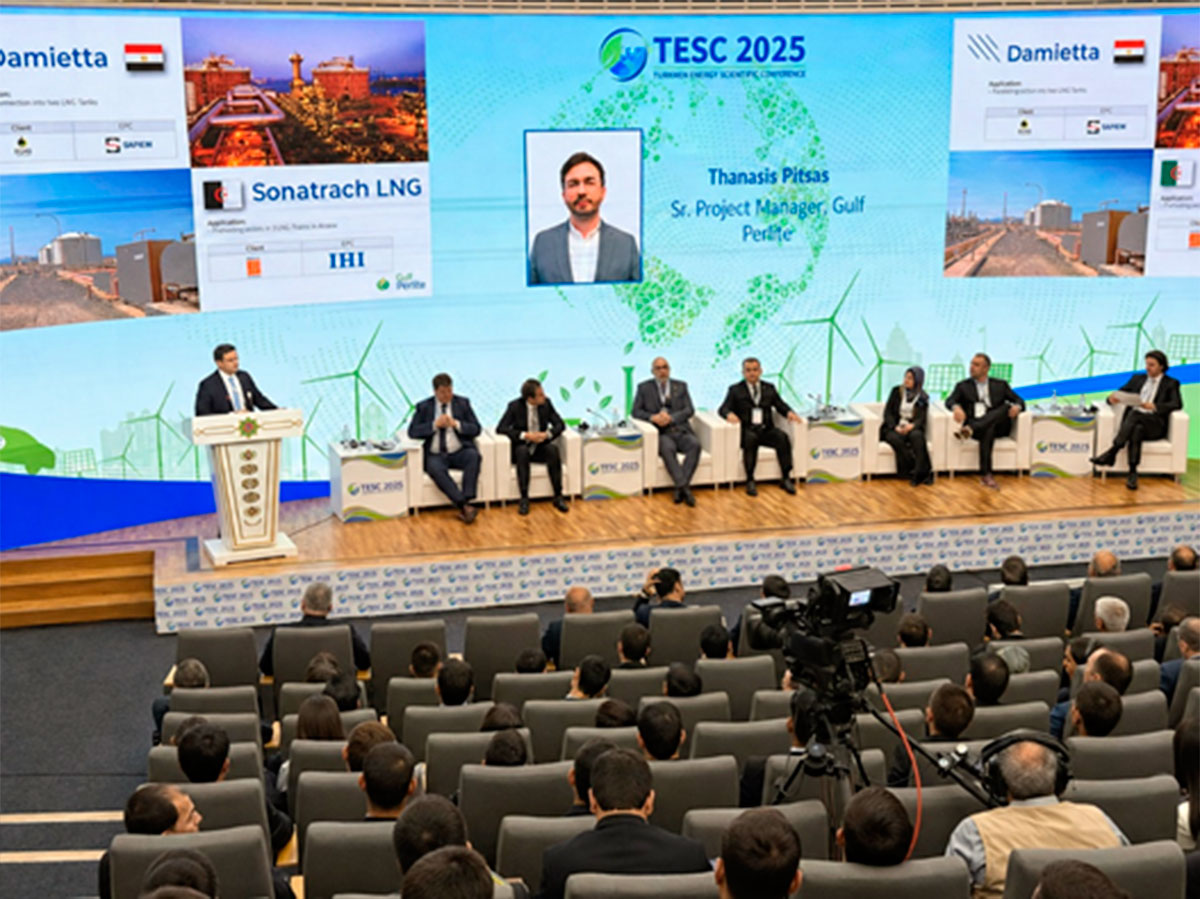 The conference programme includes strategic plenary sessions, scientific and technical sessions, specialised roundtables, technology presentations and expert meetings.
The opening plenary session, “Turkmenistan’s Energy Future: Advancing Science, Technology and International Partnership”, will explore the prospects for developing the country’s energy sector, strengthening its scientific and technological capacity, and expanding international cooperation.
The programme will give particular attention to Turkmenistan’s long-standing cooperation with leading international energy companies, including PETRONAS, Dragon Oil and CNPC.
Participants will examine the role of long-term partnerships in developing energy resources, introducing modern production technologies, training national specialists and advancing scientific and technical cooperation.
Digital Transformation and Artificial Intelligence
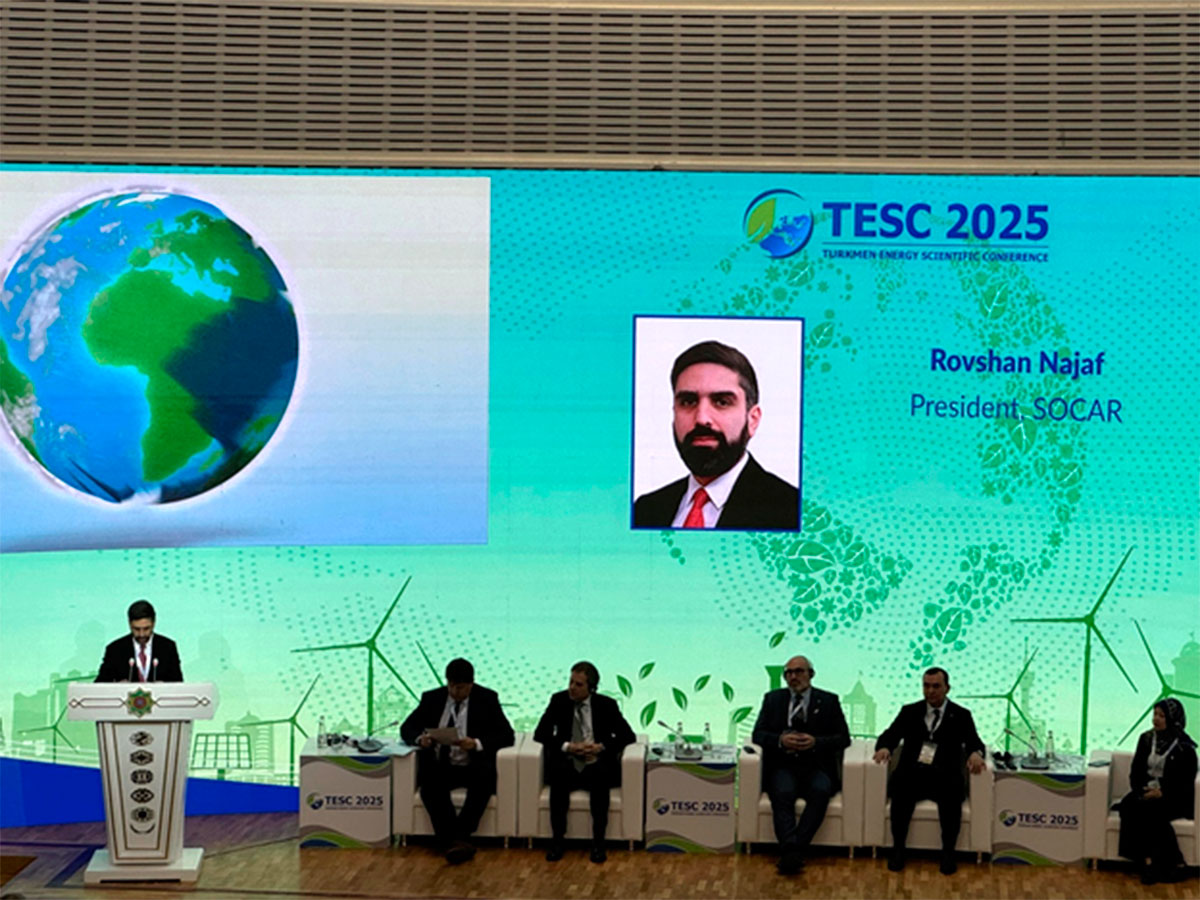 The application of digital technologies and artificial intelligence in the energy industry will be one of the conference’s key themes.
The programme includes discussions involving energy company executives, scientific experts and technology business representatives, focusing on the transition from developing innovative solutions to deploying them in industrial operations.
Topics will include digital twins, intelligent control systems, predictive equipment diagnostics, process automation, data integration and the application of artificial intelligence in hydrocarbon exploration and production.
Particular attention will be paid to the cost-effectiveness of technology adoption, improving asset management and preparing specialists to work in an increasingly digital environment.
Methane Emissions Reduction and Environmental Sustainability
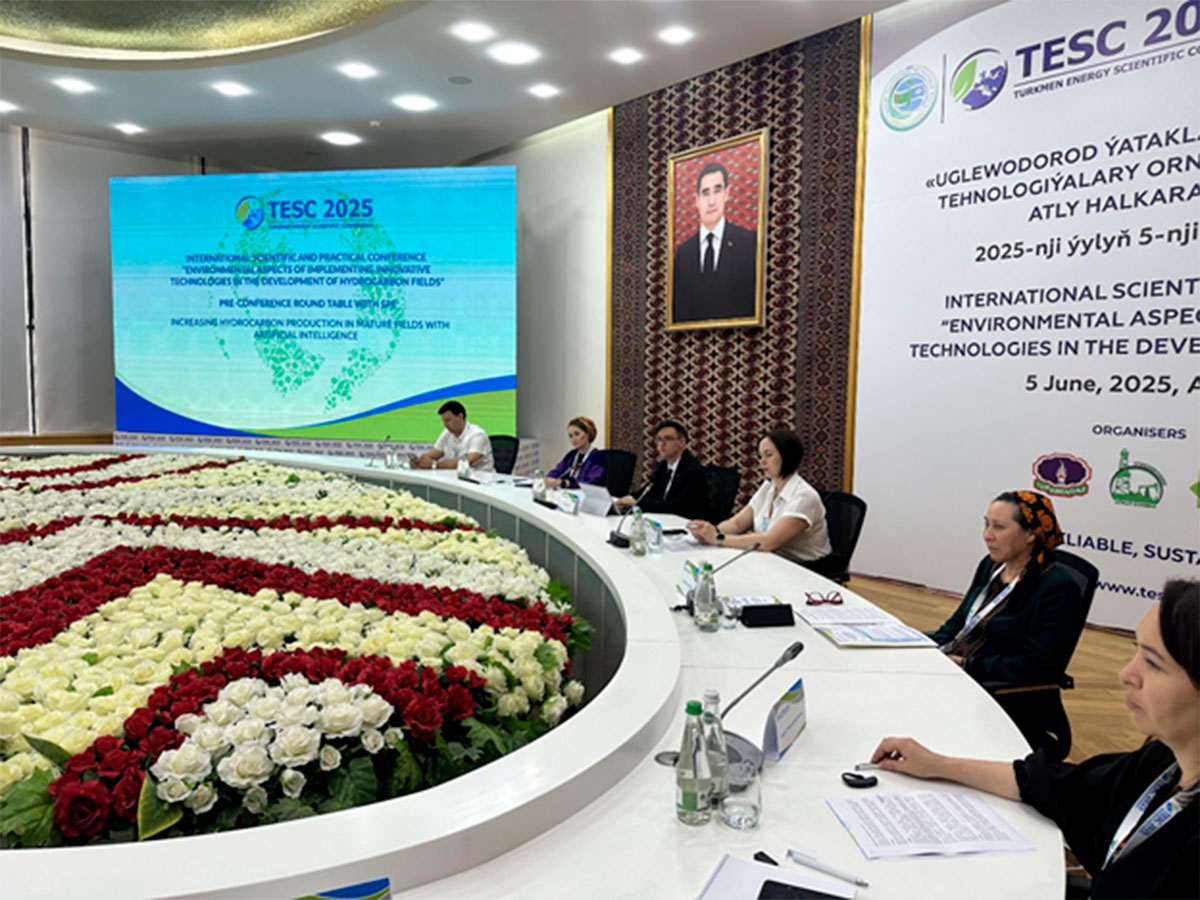 Methane emissions reduction and the adoption of modern environmental technologies will feature prominently in the TESC 2026 programme.
The conference is expected to include a specialised international roundtable, “Methane Emissions Reduction: International Cooperation, Technologies and Practical Solutions”.
Representatives of national energy companies, diplomatic missions, international organisations and the technology community are expected to take part.
Participants will examine modern emissions measurement and monitoring methods, satellite technologies, natural gas leak detection and repair, improvements to reporting systems, and prospects for international technical cooperation.
The roundtable’s focus aligns with Turkmenistan’s efforts to implement the Global Methane Pledge, improve energy efficiency and promote the rational use of natural resources.
The professional exchange of experience is expected to help identify promising areas for cooperation and expand opportunities for the practical application of modern environmental technologies.
Scientific Research and More Efficient Hydrocarbon Production
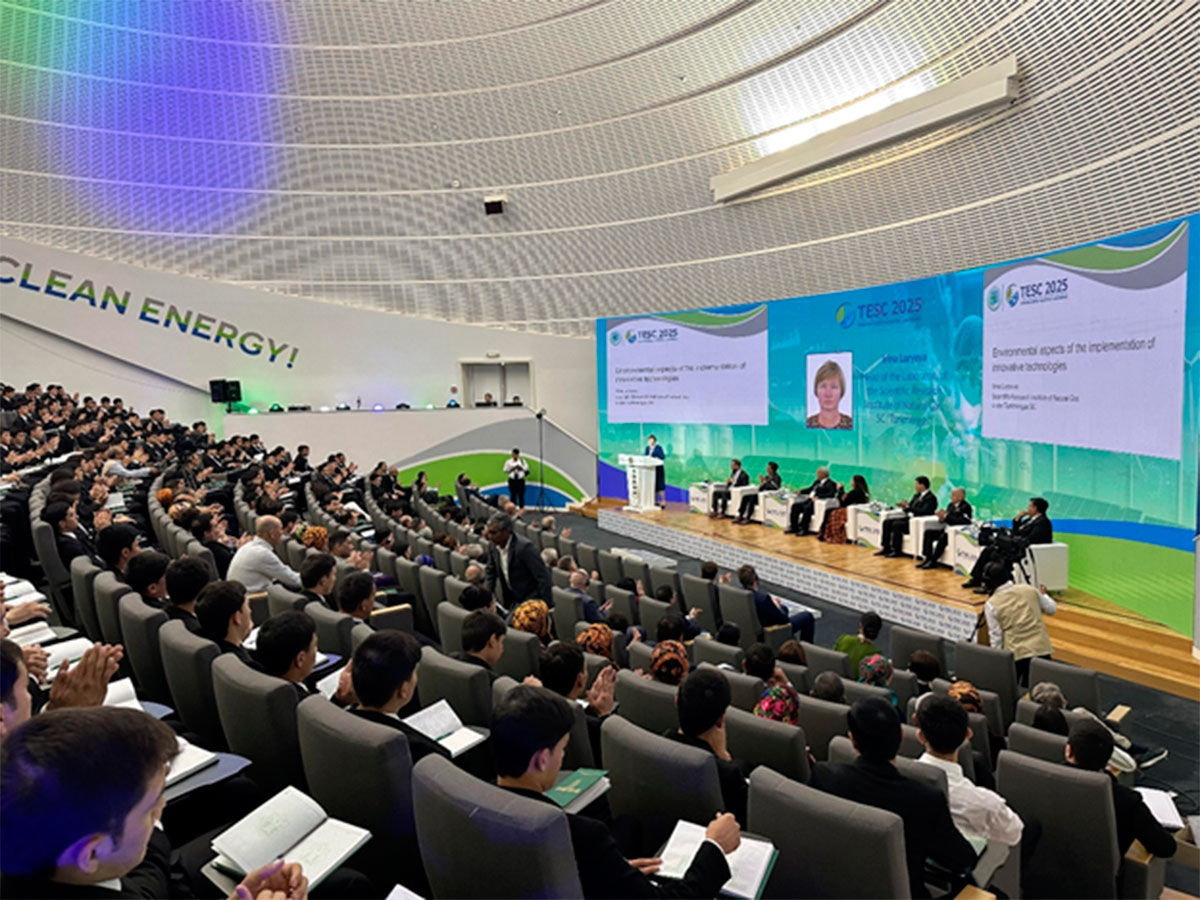 The conference will also address modern scientific and technical approaches to improving the efficiency of oil and gas field development.
A specialised technical roundtable, organised in cooperation with the Society of Petroleum Engineers (SPE), is planned to focus on optimising production from mature fields.
Discussions are expected to cover reservoir management, improvements to well operation technologies, enhanced oil recovery methods, well workovers and remediation, and extending the productive life of fields.
Particular emphasis will be placed on exchanging practical experience among specialists from national energy enterprises, international operators, engineering companies and research organisations.
Financing Innovation and Developing Scientific Capacity
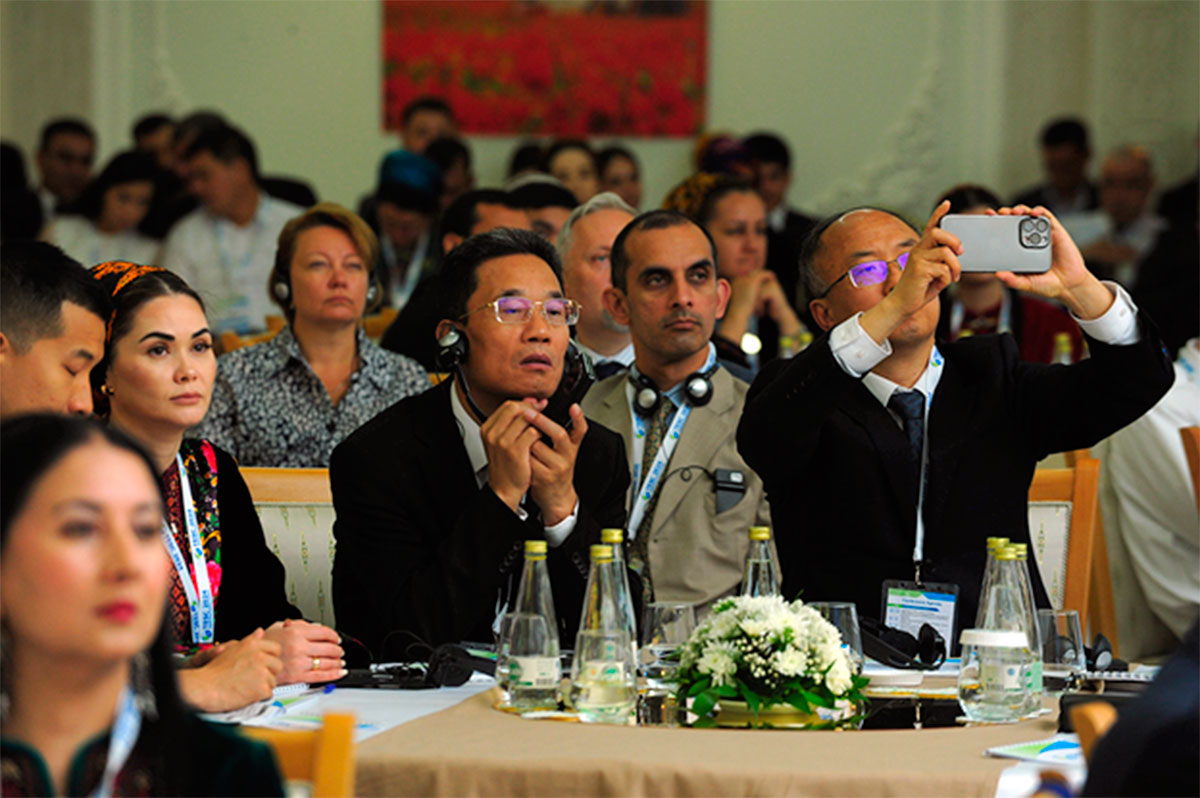 One of the conference’s thematic sessions will address financing innovation, developing technology partnerships and attracting investment in scientific and technical projects.
Participants will discuss mechanisms for applying the results of research, strengthening cooperation between industrial enterprises and research institutions, drawing on international experience, and expanding collaboration in technological development.
Particular attention will be given to creating conditions for the practical application of scientific developments, building professional competencies and strengthening links between science, education and industry.
Young People and the Future of Energy Science
An important focus of TESC 2026 will be preparing a new generation of specialists capable of applying modern scientific knowledge and technological solutions in the energy sector.
The thematic session “Future Energy Leaders” will address professional skills development, cooperation between universities and industrial enterprises, mentoring, and career development opportunities for young professionals.
The programme also provides for the TESC Youth Energy Forum 2026, a youth science and technology platform where students and early-career professionals will be able to present innovative ideas and projects.
The youth forum programme includes presentations of student projects, expert discussions and exchanges with representatives of energy companies and professional associations.
Proposed topics include artificial intelligence, digital fields, robotics, energy efficiency, methane emissions reduction and modern hydrocarbon resource development technologies.
The initiative aims to help unlock young people’s scientific potential, strengthen cooperation between education and industry, and encourage interest in engineering and scientific careers.
From Scientific Dialogue to Practical Results
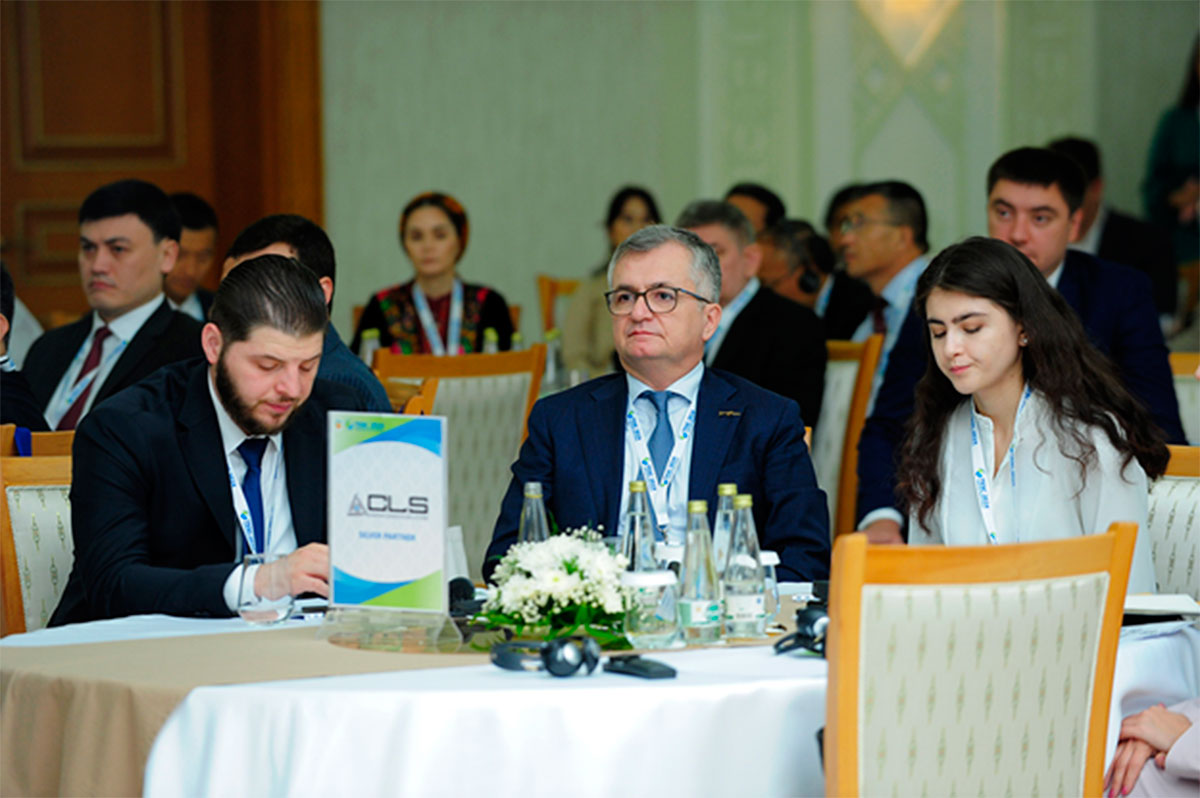 Alongside the conference sessions, the programme includes a technology exhibition, demonstrations of innovative solutions, and B2B and B2G meetings.
TESC 2026 is expected to advance scientific and technical cooperation, facilitate the exchange of international best practices, and expand opportunities for collaboration among government institutions, energy companies, scientific organisations and technology businesses.
Hosting the conference in Ashgabat reflects Turkmenistan’s consistent efforts to strengthen the energy sector’s scientific capacity, introduce modern technologies and deepen international partnerships in support of sustainable socioeconomic development.