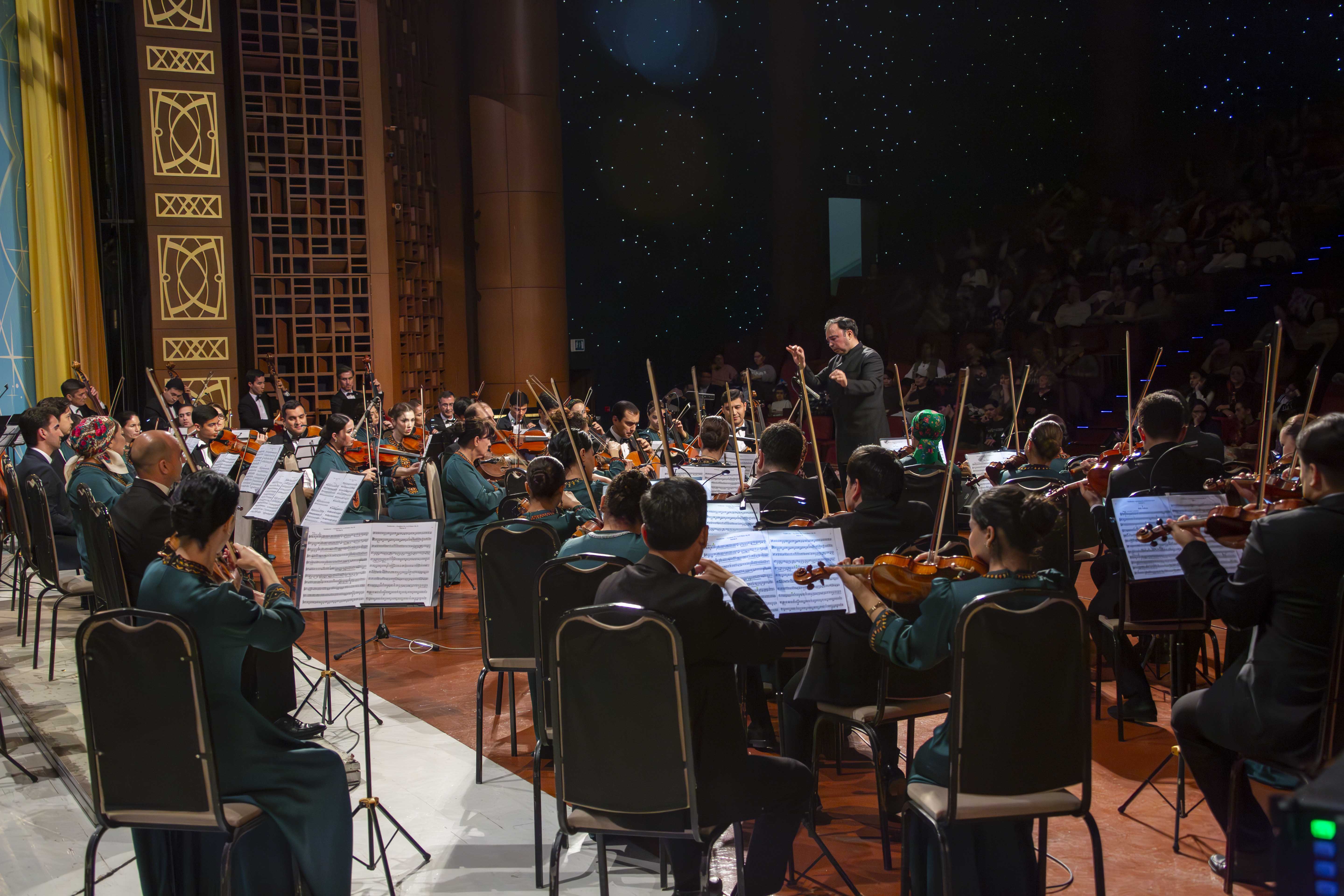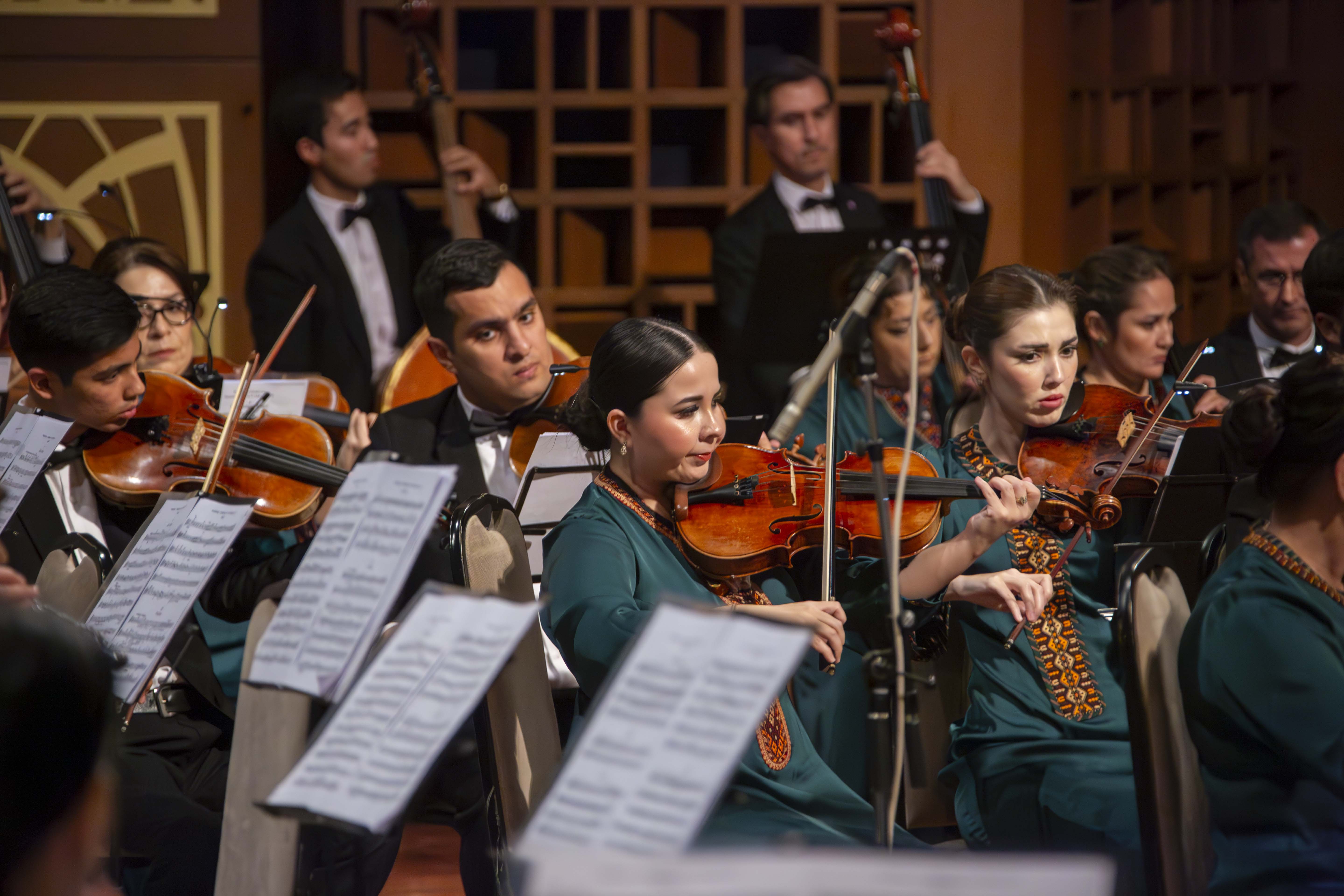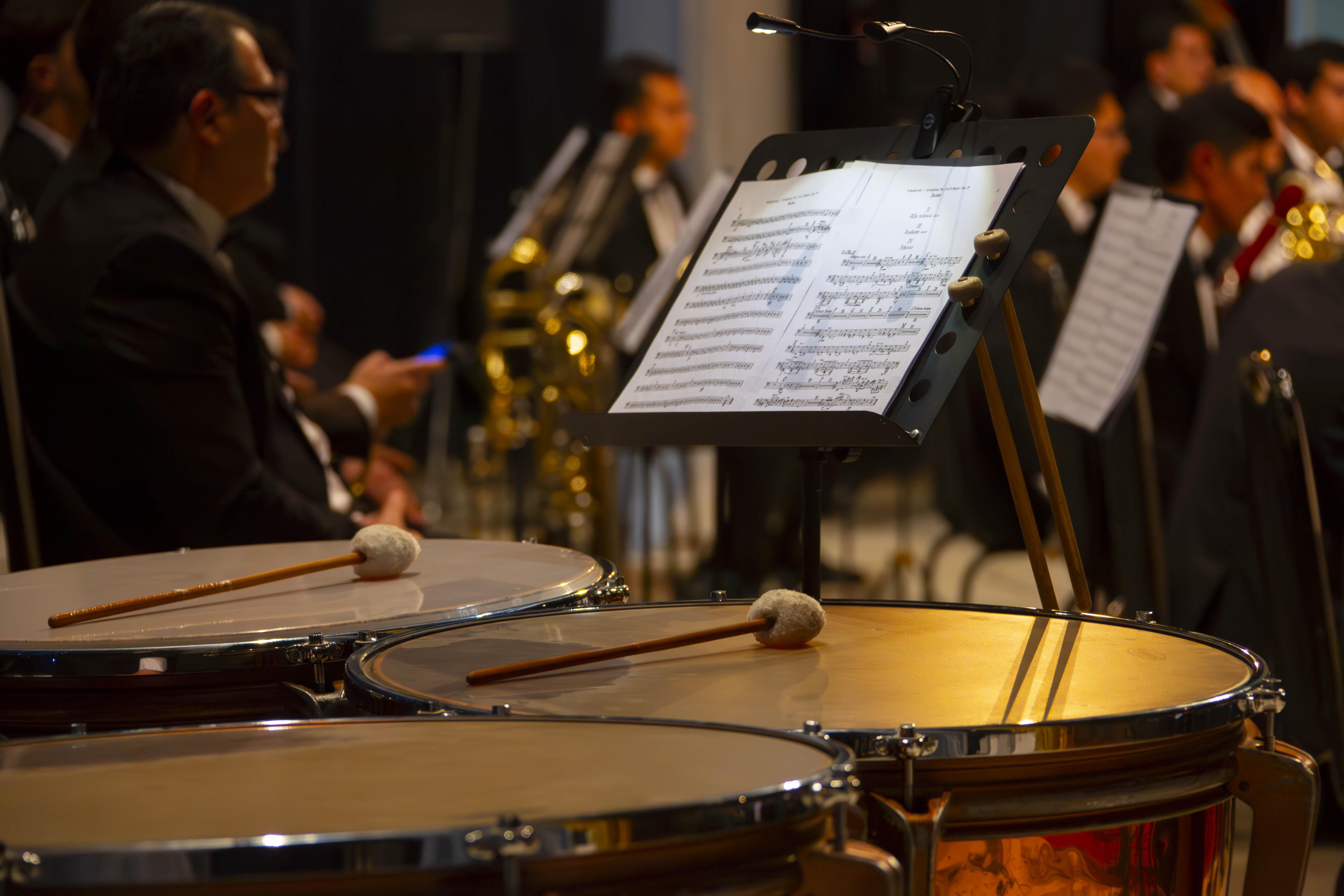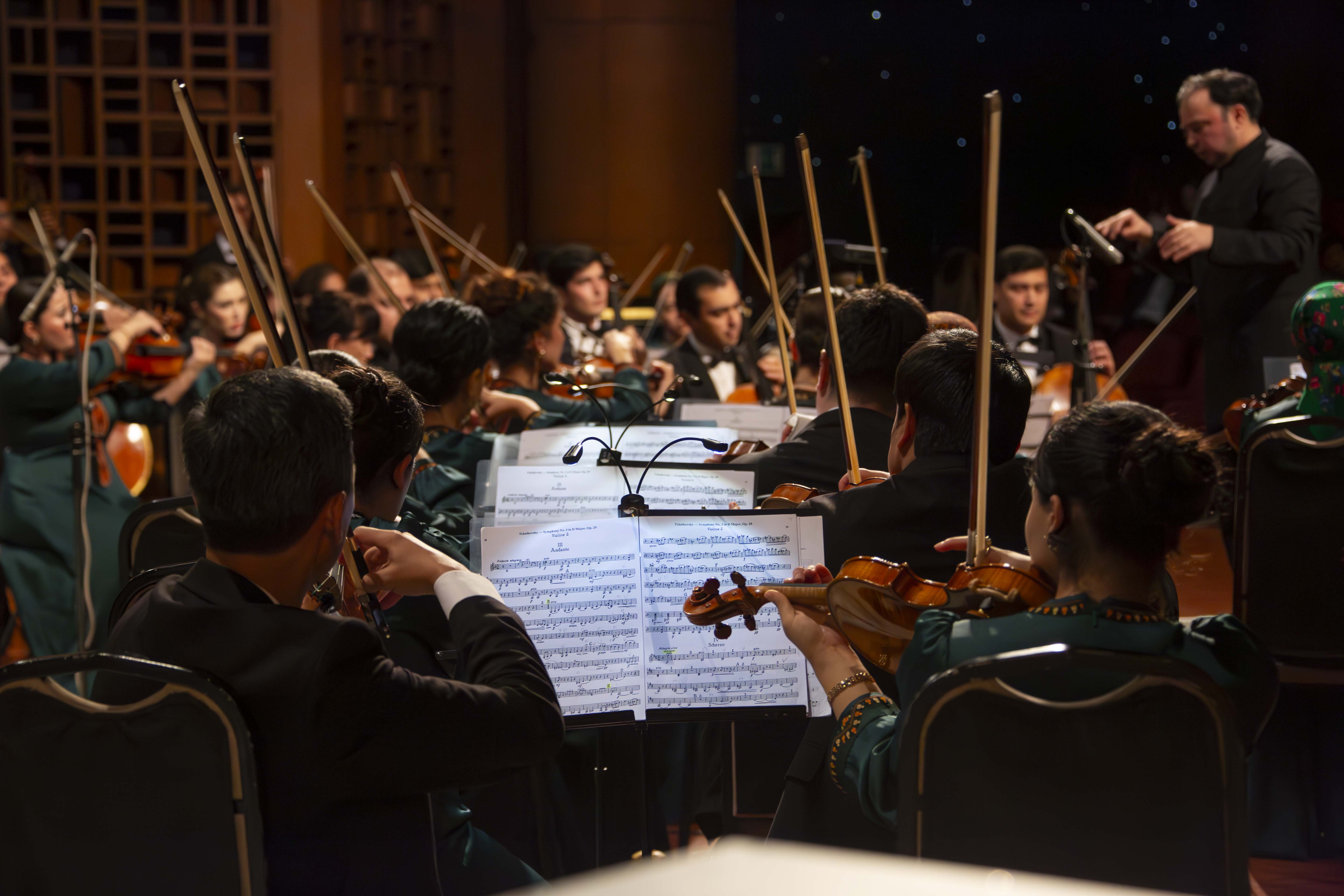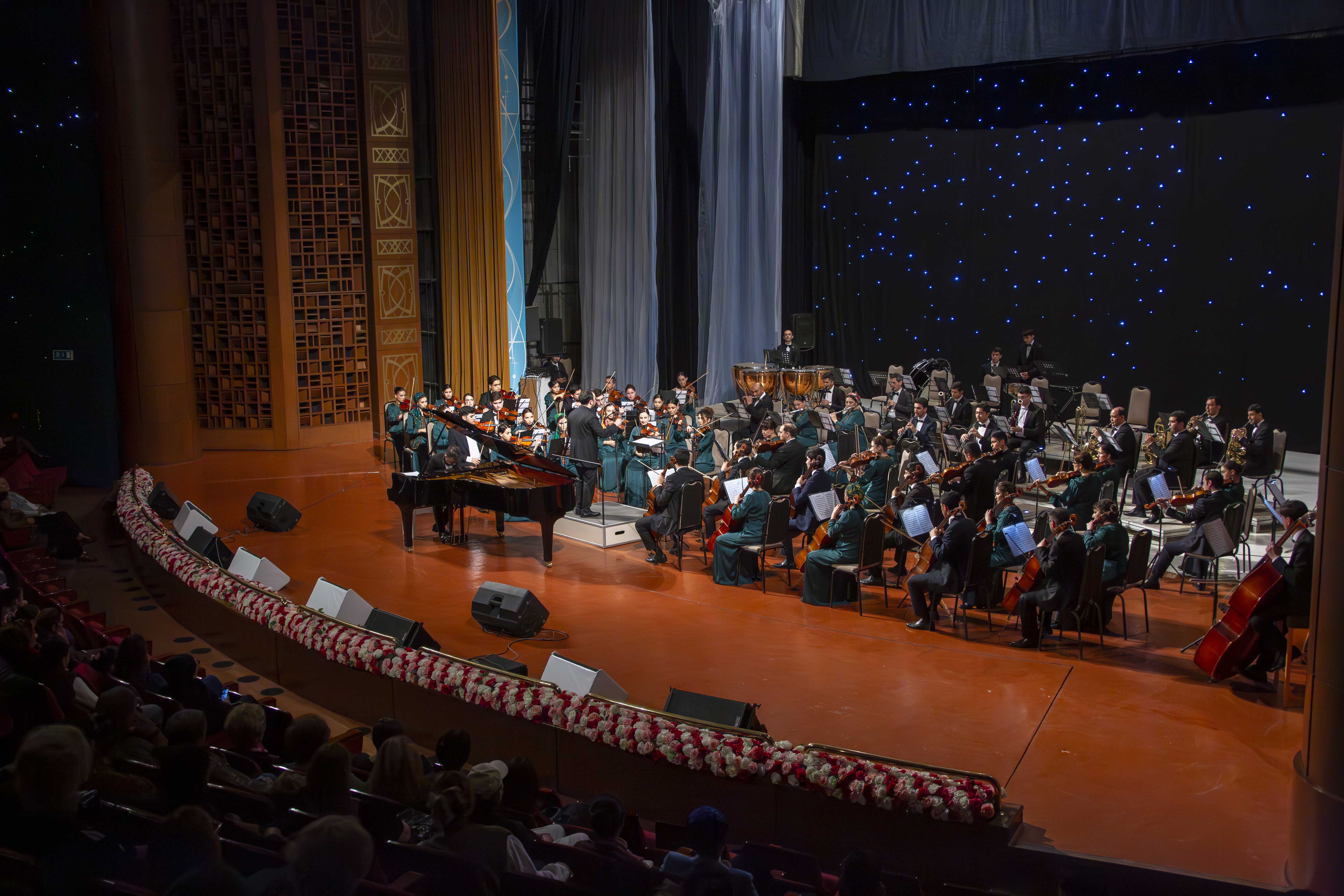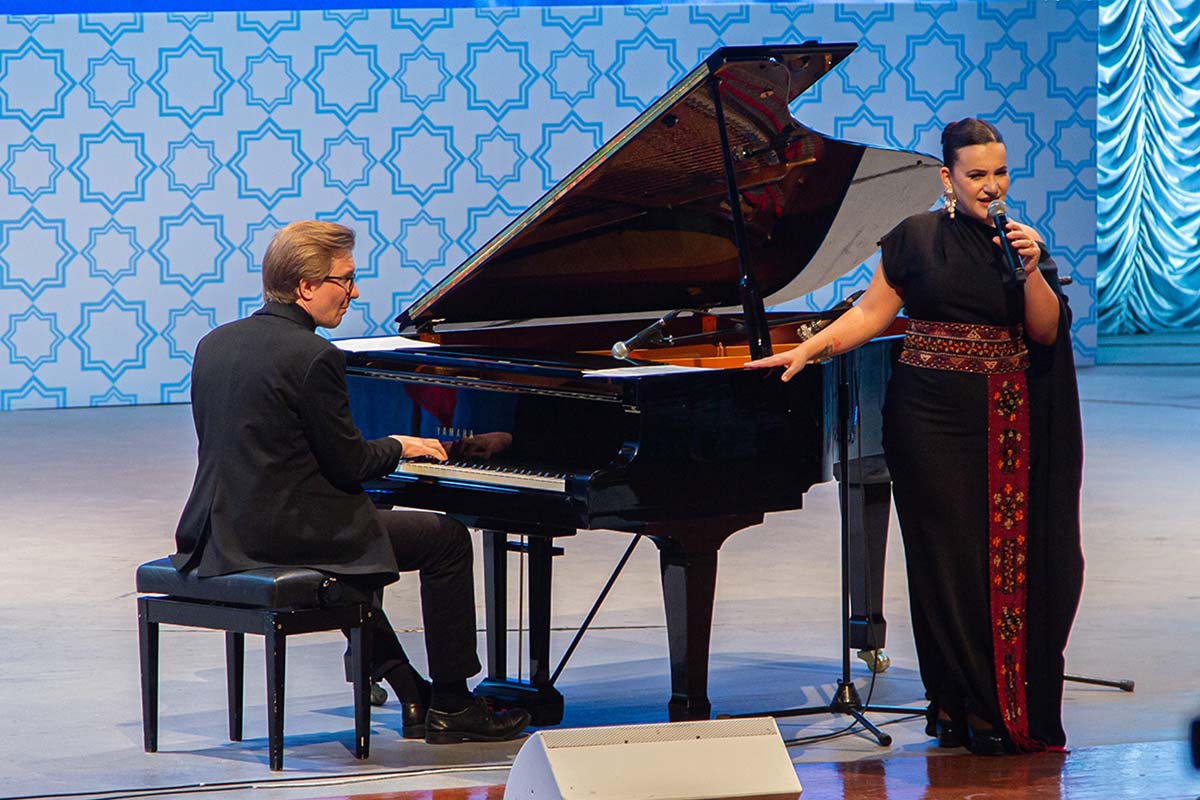



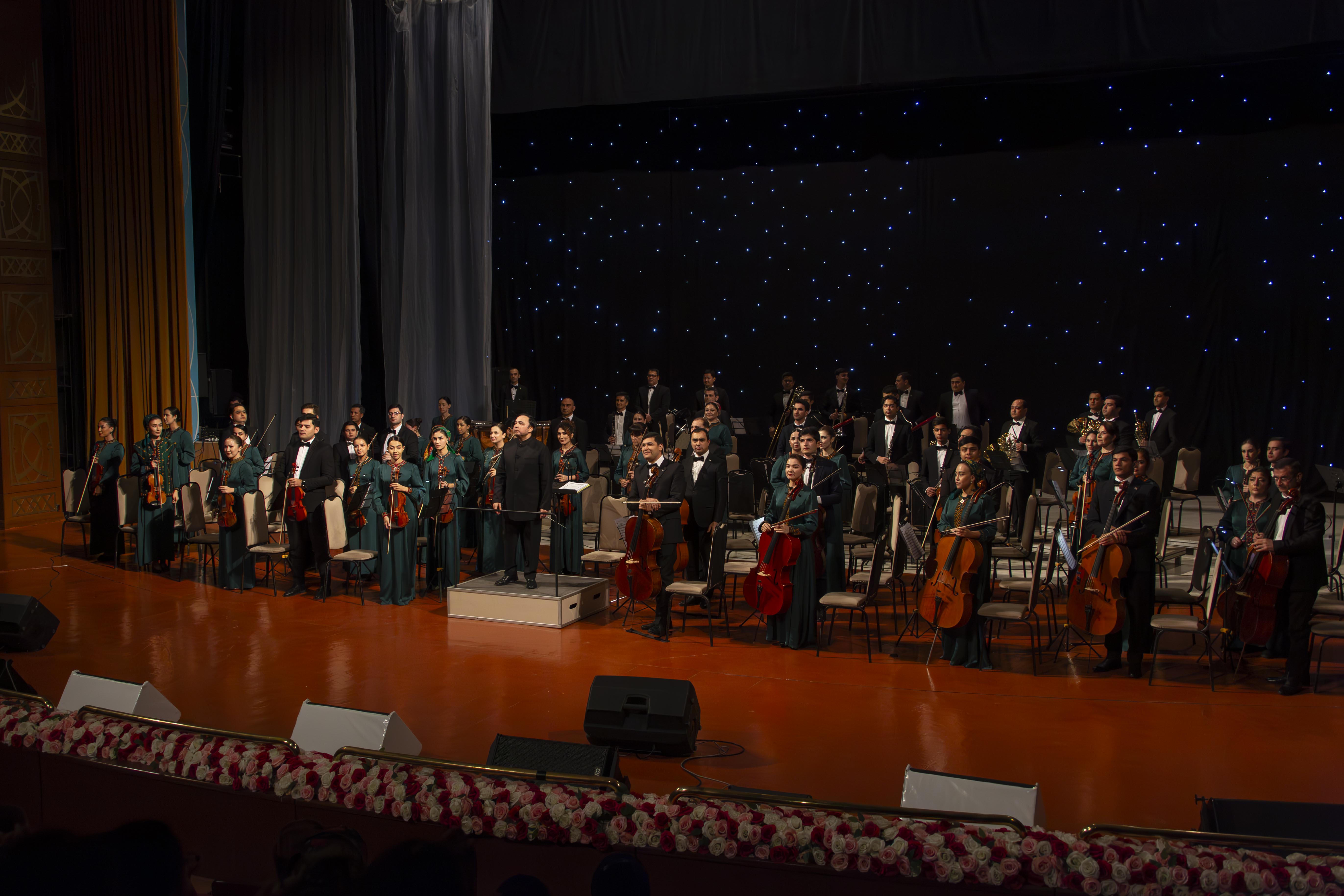

A concert "Magic of the Symphony" performed by the State Symphony Orchestra under the direction of the Honored Artist of Turkmenistan, Rasul Klychev, was held at the Palace of Mukams of the State Cultural Center.
The program of the evening included the Symphony No.3 by Pyotr Ilyich Tchaikovsky and the Piano Concerto No.2 by Dmitri Dmitriyevich Shostakovich. The two outstanding composers, who lived in different epochs, are united by the rich heritage they left in the world's musical treasury.
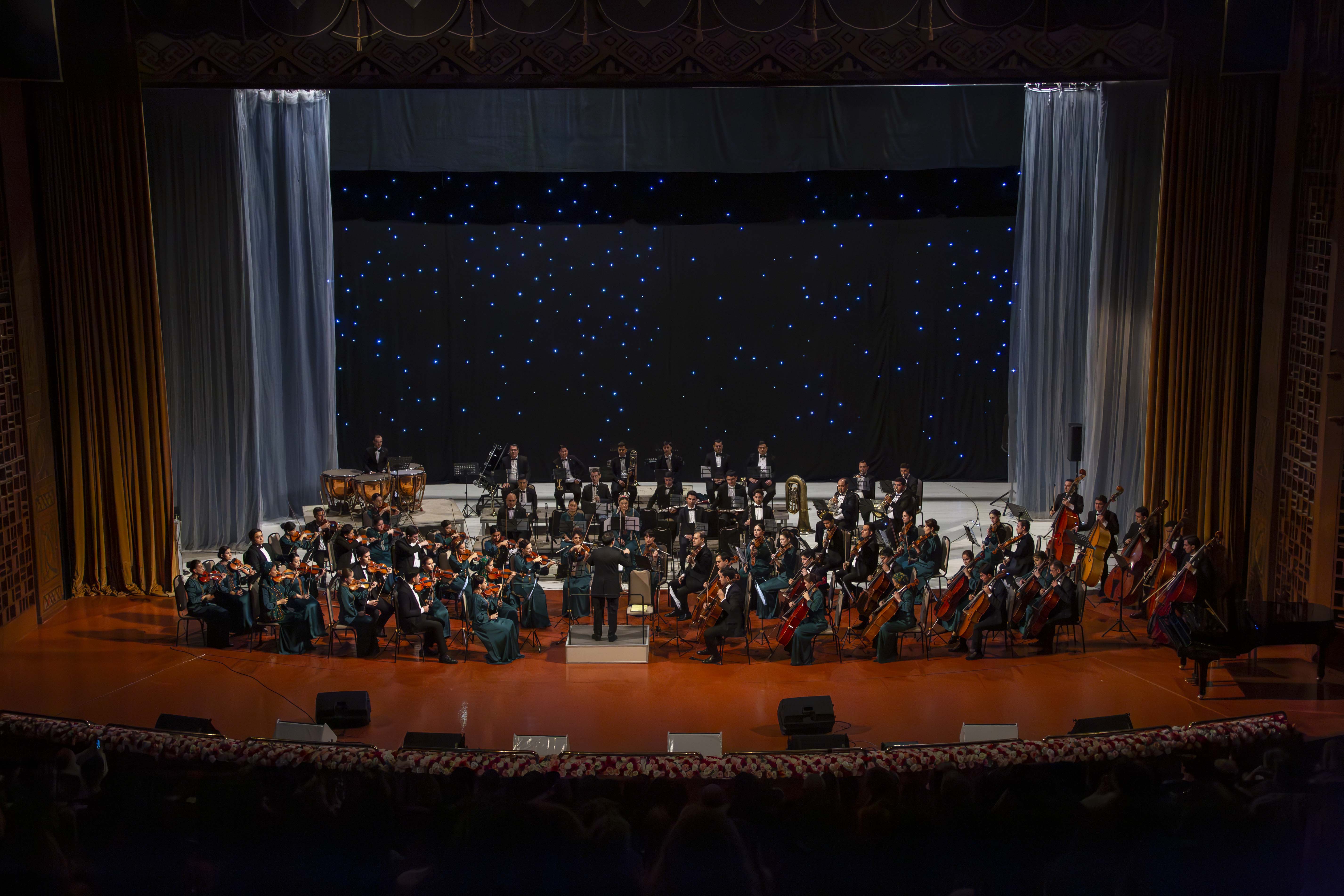
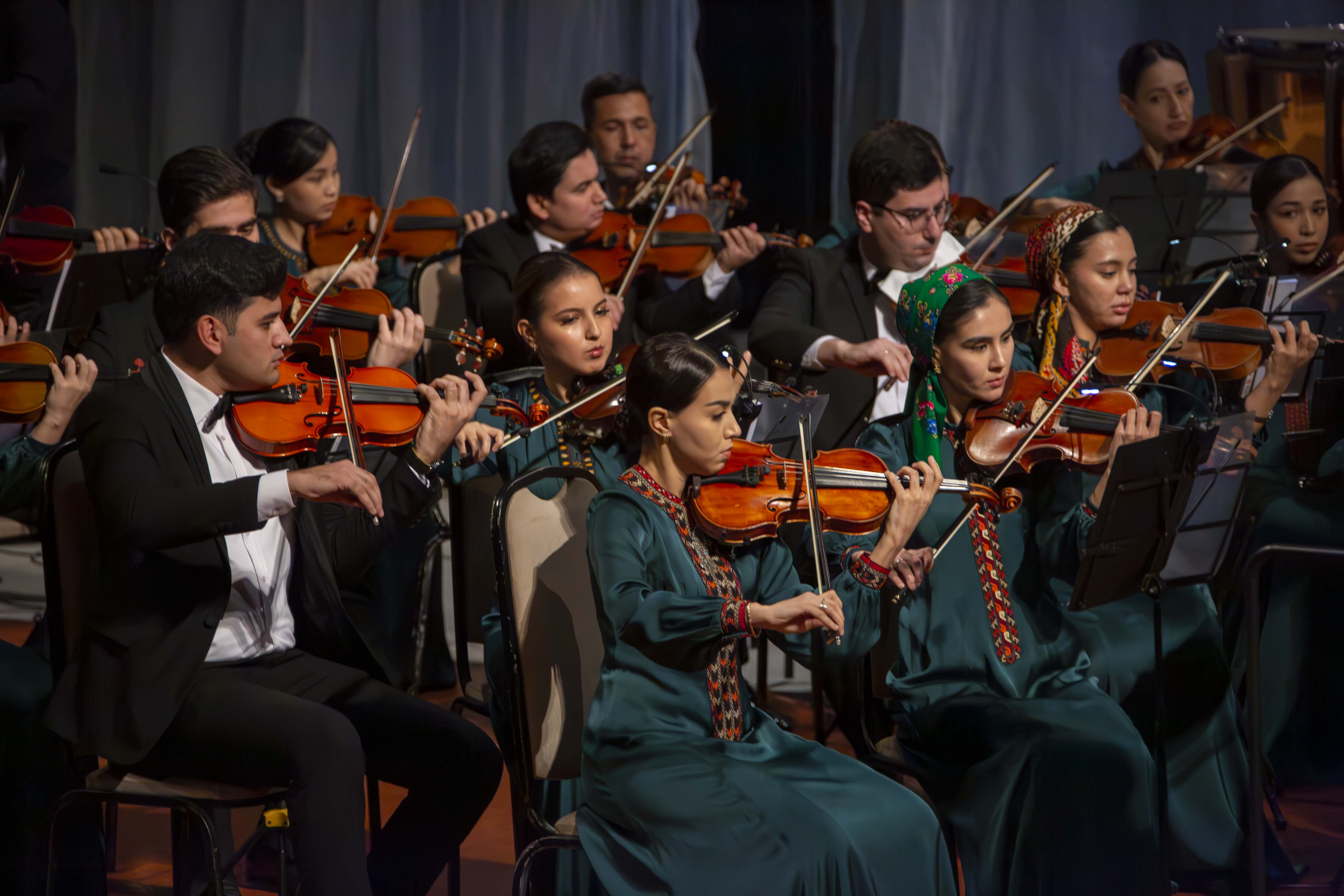
The Symphony No.3 began with sad notes. Dramaticism, grace and scale are heard in the polished sounds of the orchestra. Then follows a smooth transition to a feeling of light joy, happiness, and in the finale of the work – to life-affirming solemnity. Thus, the symphony touched all the feelings a human being is capable of. The lyrical music has a bright, barely noticeable dance character.
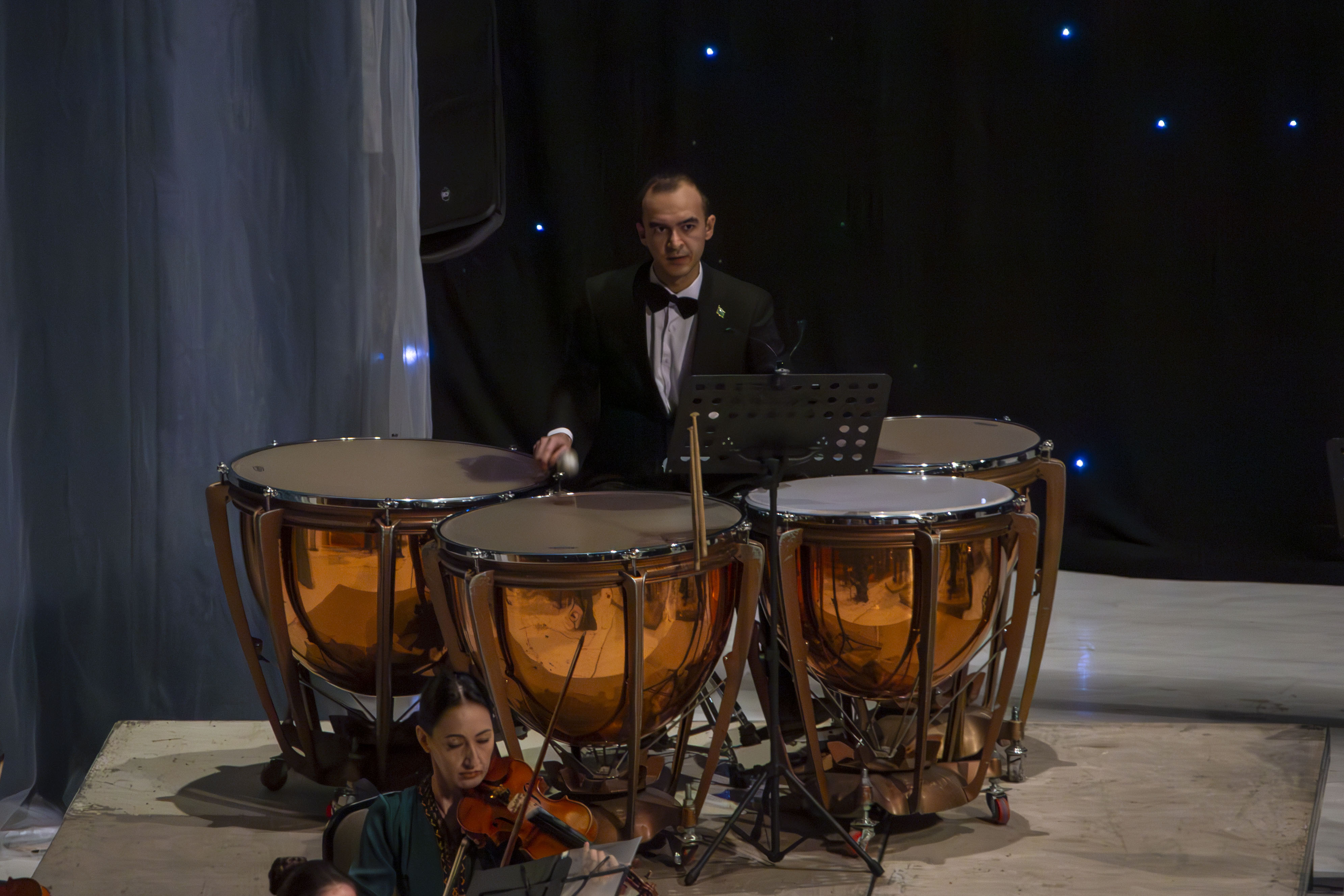
Lovers of serious music thanked the musicians with loud applause for the impeccable performance of the classics.
Dmitri Shostakovich's Piano Concerto No.2 is a dedication to his son, Maxim Shostakovich, who became the first performer of the solo part of this composition. It is noteworthy that years later, Maxim Shostakovich, performing this work, stood at the conductor's stand, and his son, Dmitri Shostakovich Jr., performed as the soloist. So the Piano Concerto No.2 can rightfully be called a "family" one.
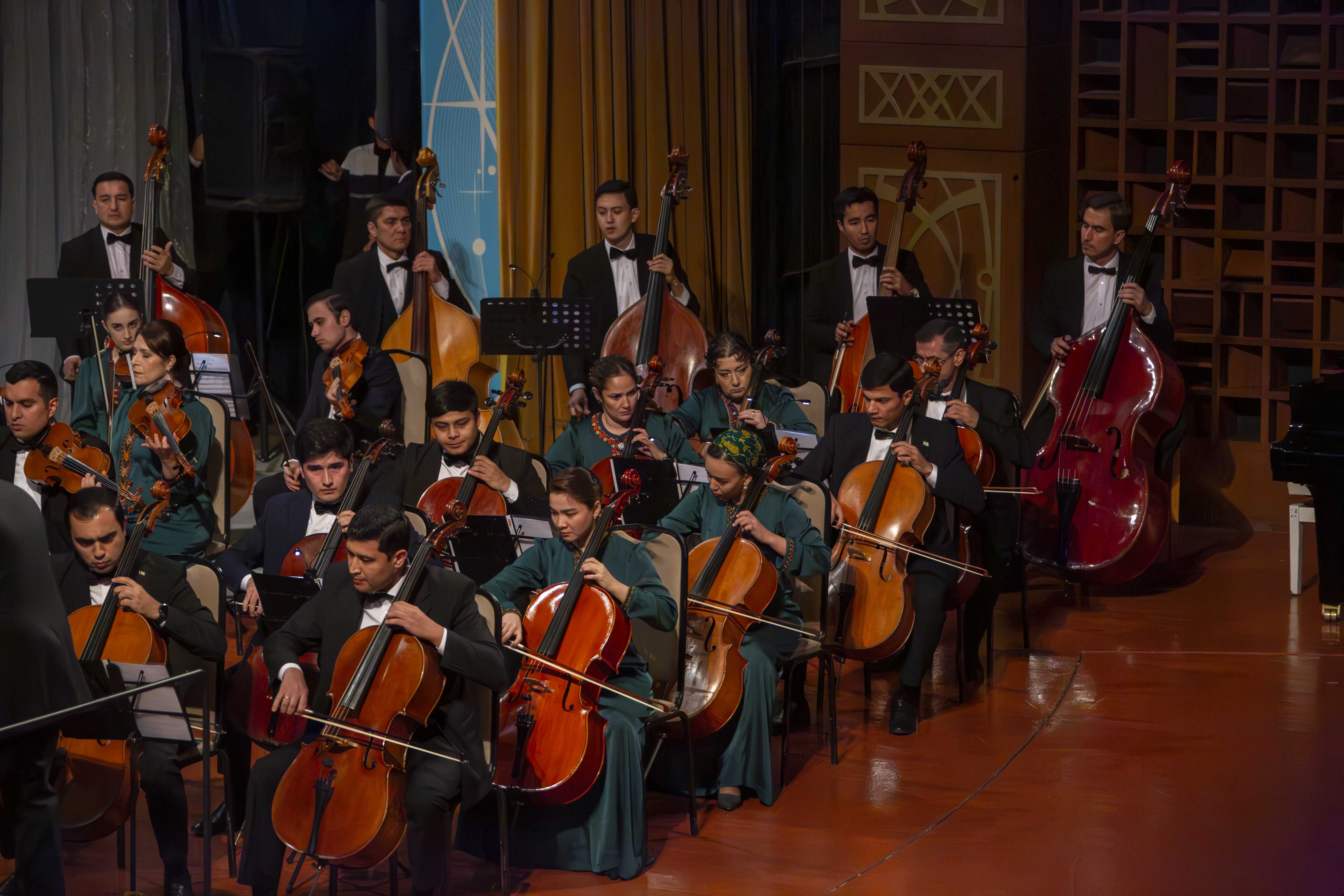
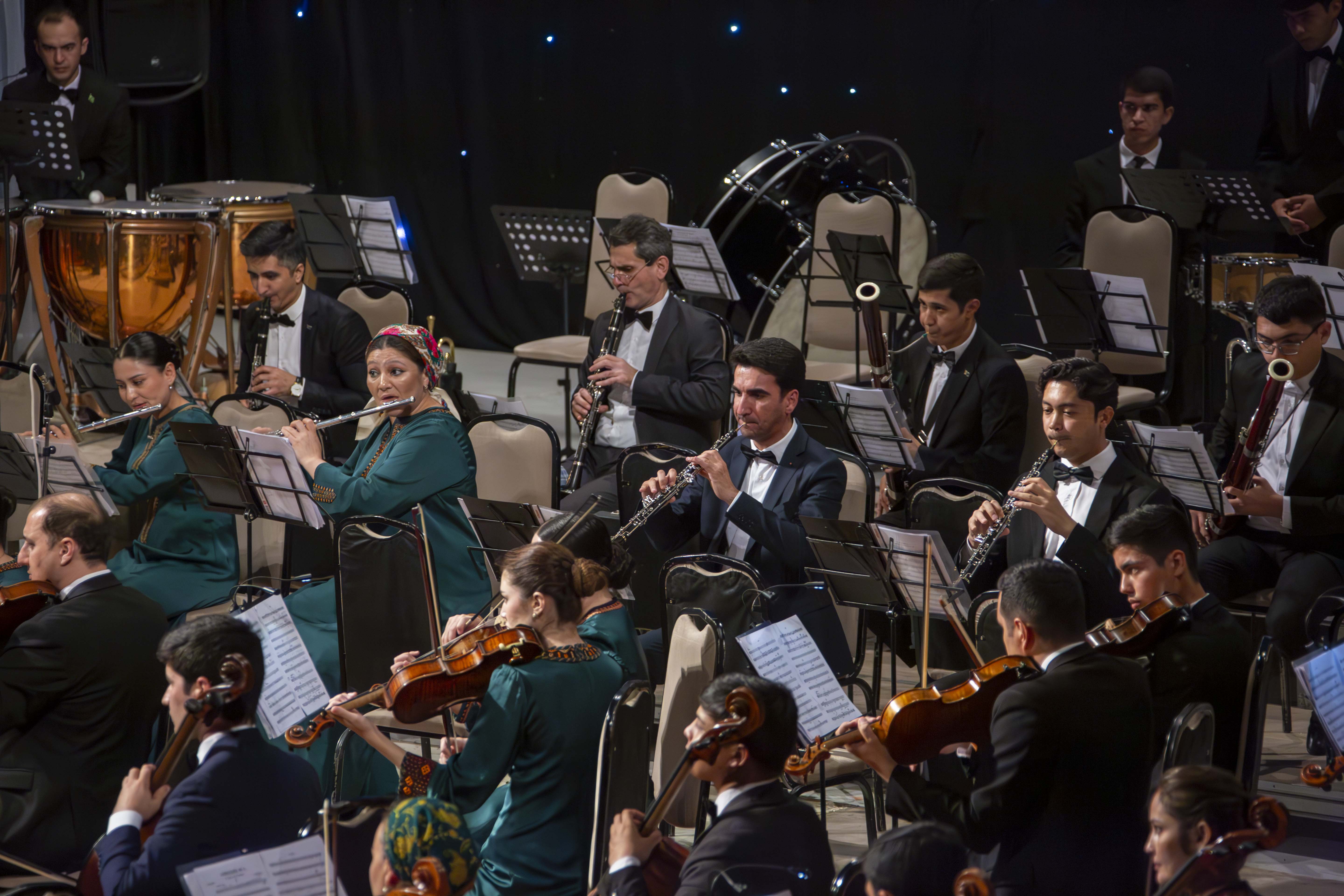
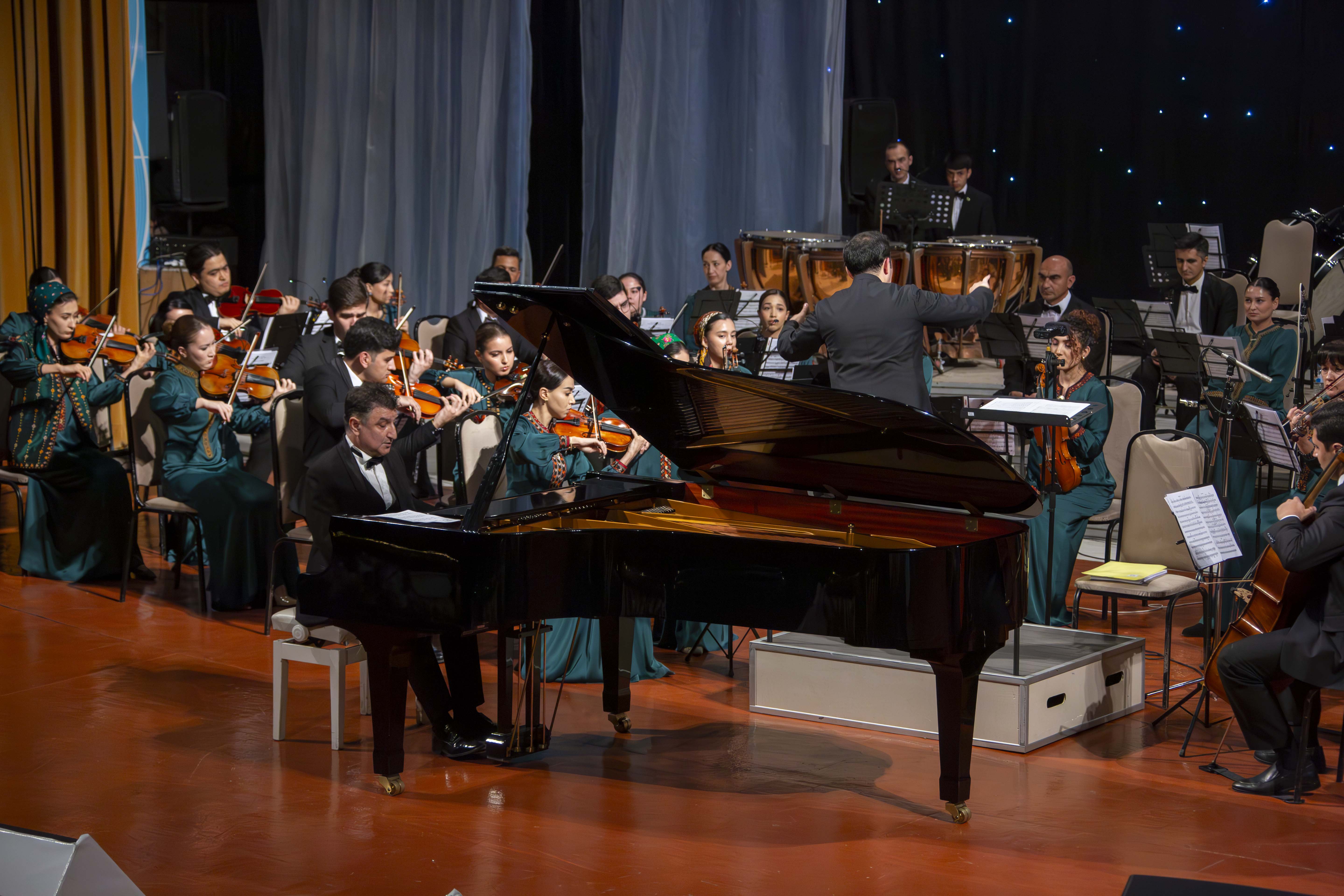
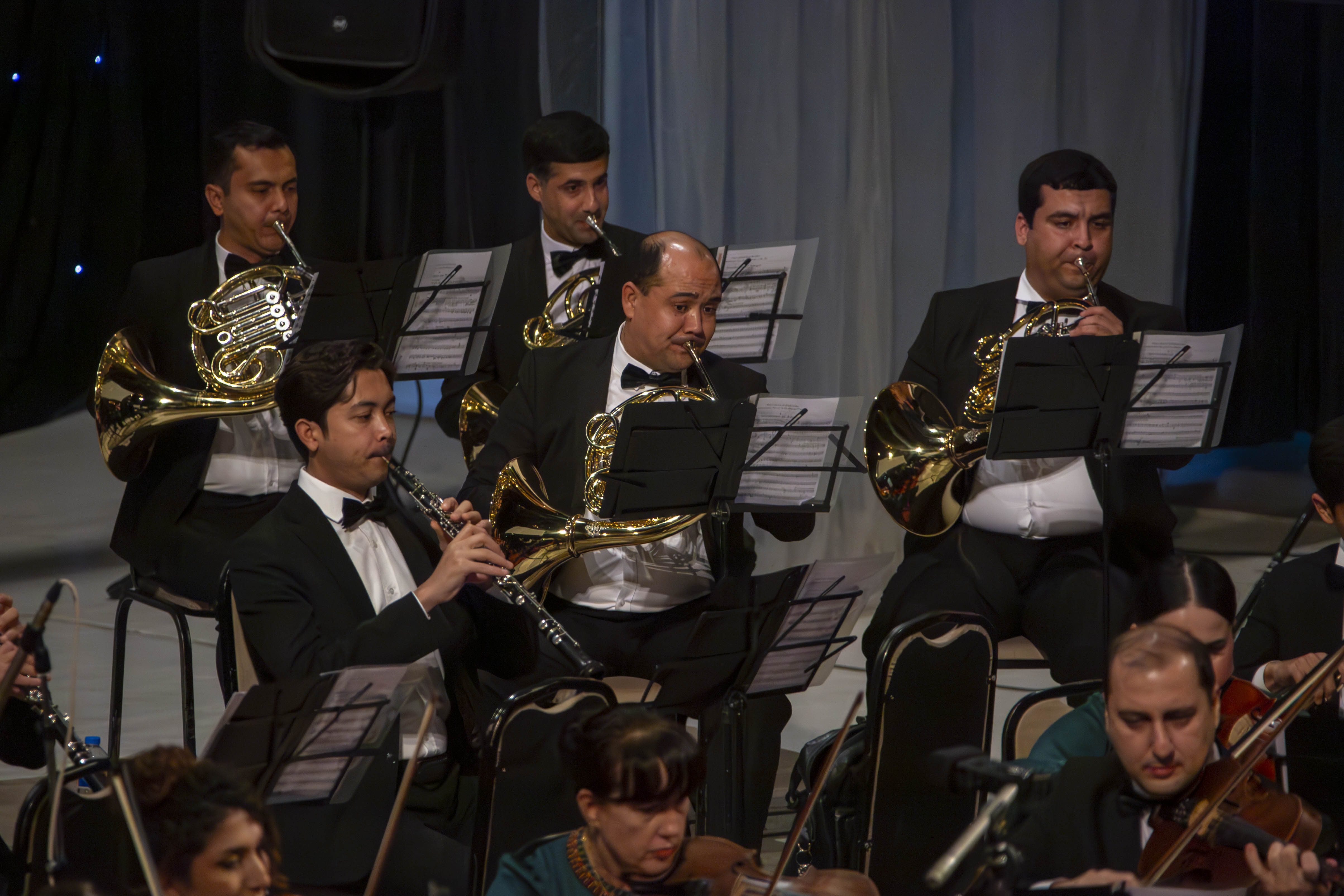
At the Palace of Mukams, the soloist in the performance of this Concerto was the Honored Artist of Turkmenistan, Vladimir Mkrtumov. He performed his part virtuosically. And the musical evening concluded with off-program works by Dmitri Shostakovich, performed as an encore: Vladimir Mkrtumov played the "Waltz-Joke," and Rasul Klychev's orchestra performed the Waltz, which is often called the Russian one. The wind instruments sounded languid and poignant, the violins softened their sound with their airiness, and the music acquired a beautiful harmony conveying the movements of dancing couples, the swirling of falling leaves, the light of street lamps and the aching sentimentality of existence.
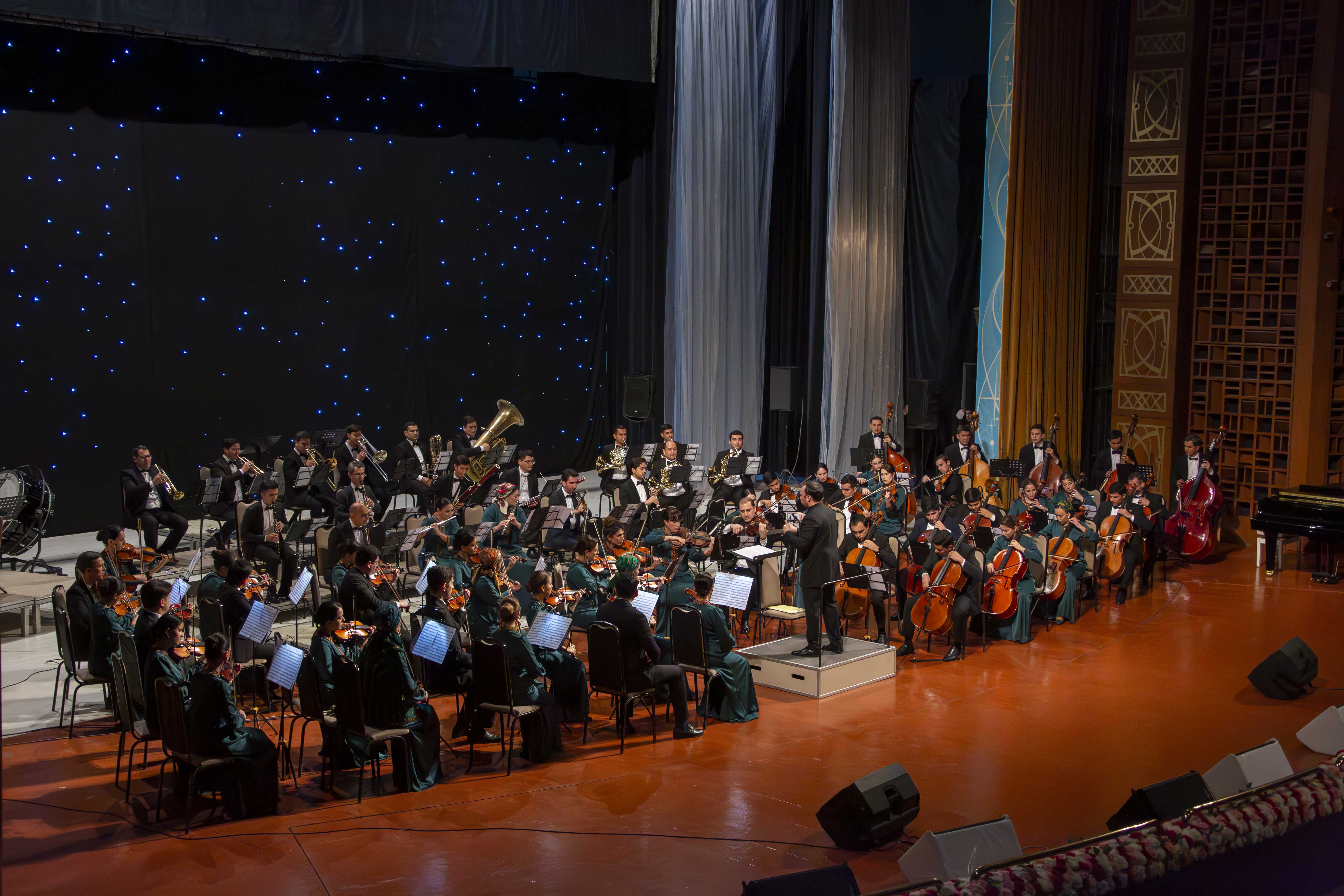
With an inspired mood, bestowed by this Waltz, the audience left the concert hall of the Palace of Mukams, thanking the musicians of the symphony orchestra for the aesthetic pleasure.