


In early August, a delegation from Turkmenistan participated in the fourth regional workshop within the framework of the project "Strengthening the resilience of Central Asian countries by enabling regional cooperation to assess glacio-nival systems to develop integrated methods for sustainable development and adaptation to climate change."
The workshop was held at the conference hall of the Marco Polo hotel, located near the village of Boz-Beshik on the shores of Lake Issyk-Kul. It began with a meeting on education in the field of cryosphere in Central Asia based on a previously conducted assessment.
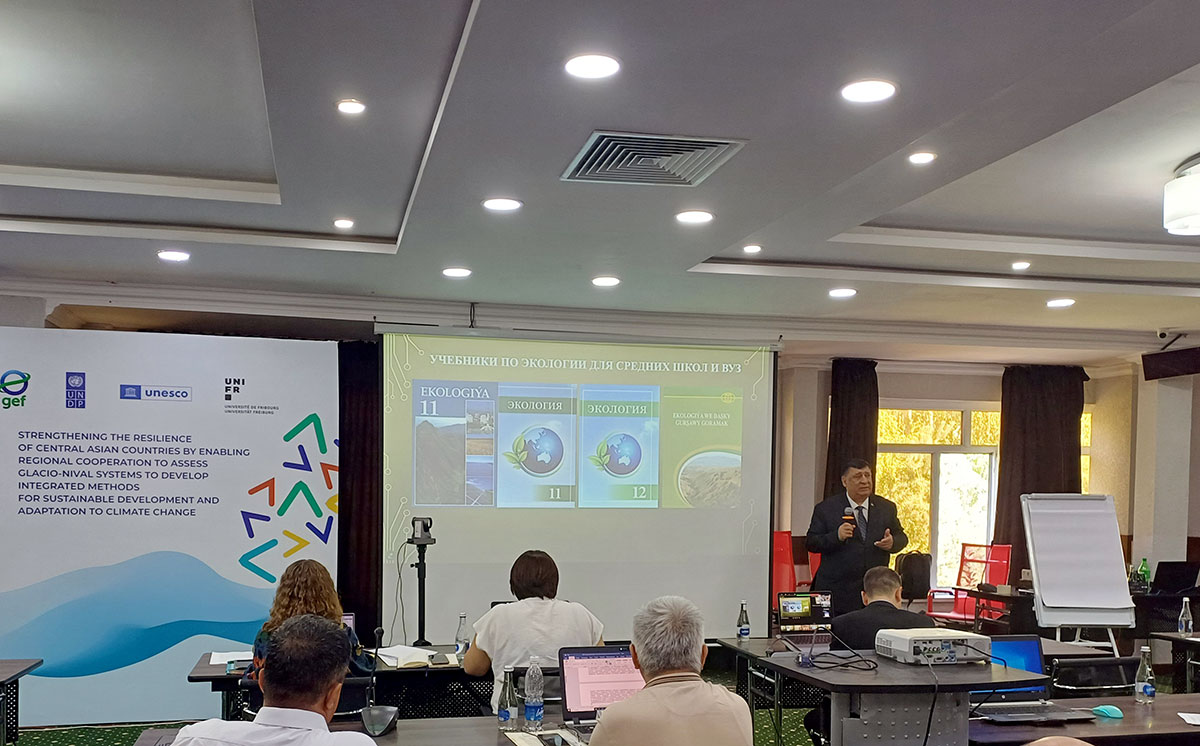
This meeting served as the final stage for the activities of the country working groups composed of specialists from government institutions. Their final consultations this year were held sequentially in all countries of the region (the meeting in Ashgabat was held in May). Country actions were presented by delegation leaders and national project coordinators.
The results of this work will be reflected in the subregional cryosphere action program and the country action plans, whose drafts were presented for discussion during the Issyk-Kul meeting. Subsequently, the proposals and additions received will be evaluated to form the final version of the documents. The concluding day involved an expedition visit to the Tien Shan Scientific Center at the Institute of Water Problems and Hydropower of the National Academy of Sciences of the Kyrgyz Republic.
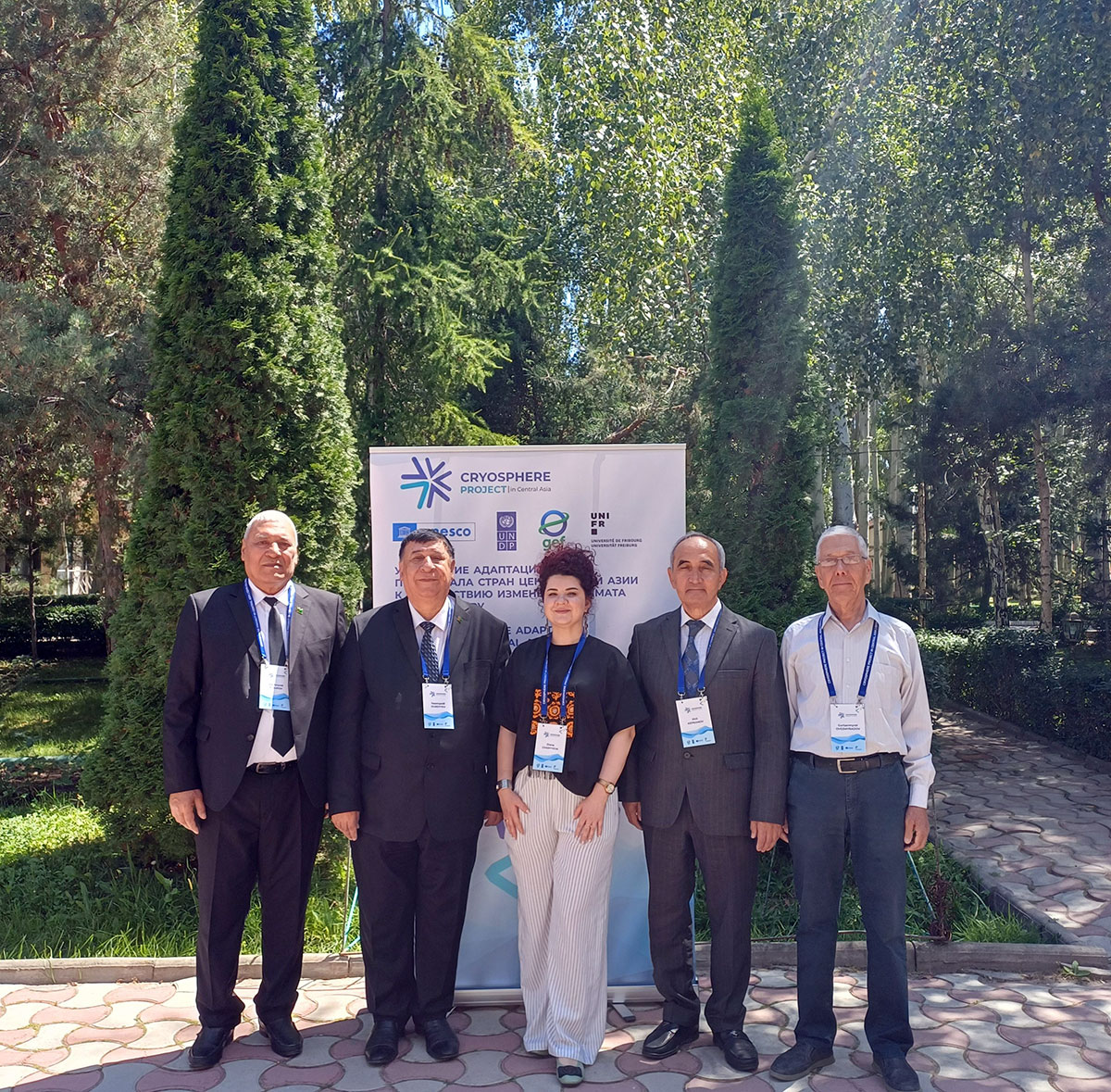
Representatives from Kazakhstan, Kyrgyzstan, Tajikistan, Turkmenistan, and Uzbekistan developed a common vision of prospects and joint actions in response to the reduction of high-mountain ice mass, on which the flow of water arteries depends, and thereby the socio-economic well-being of the states.
Scientists also analyzed the dynamics of the annual accumulation and melting of snow mass, models and scenarios responding first to excess and later to water scarcity, and assessed the volume of the region's water reserves contained in the high-mountain cryosphere – the snow and ice mass – the "water towers" of Central Asia.
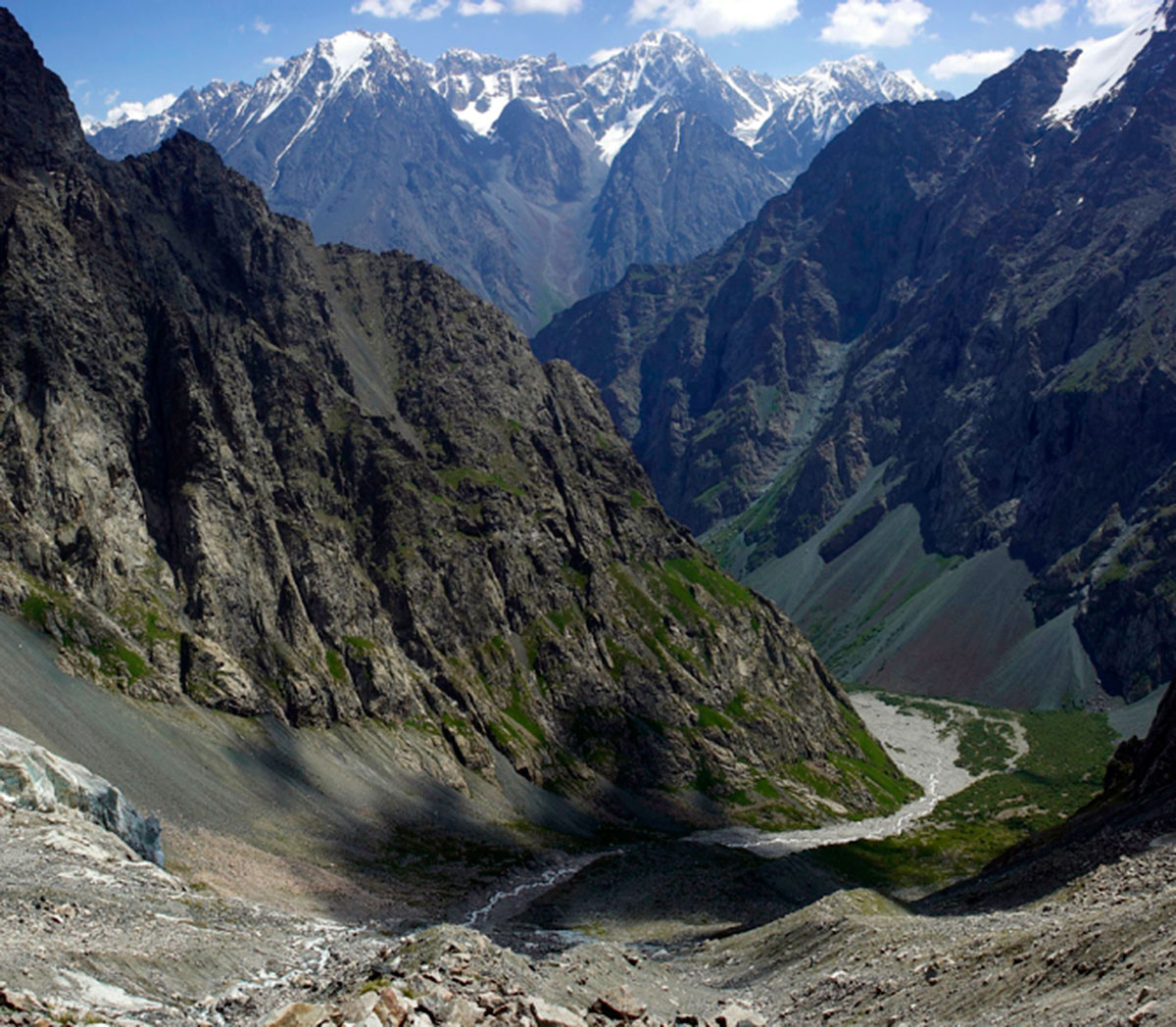
There are no permanent glaciers in Turkmenistan; however, the forming snow cover on the peaks of the Kopetdag and Koytendag ranges, which remains for several months, ensures gradual and deeper moisture recharge for nature, feeding small rivers and springs that water gorges, foothill lowlands, and plain oases. The country's participation in the regional glacier study initiative is considered important for planning natural resource use and agricultural production.