


Specialists from the National institute of deserts, flora, and fauna of the Ministry of environmental protection of Turkmenistan conducted geobotanical research in the Aral sea region of Turkmenistan. They assessed the herbaceous vegetation that forms during the spring and fall rainy seasons, the annual shoots of woody plants (white and black saxaul), and the impact of anthropogenic and natural processes, climate change, and the Aral sea crisis on the ecosystems of the Garagum desert.
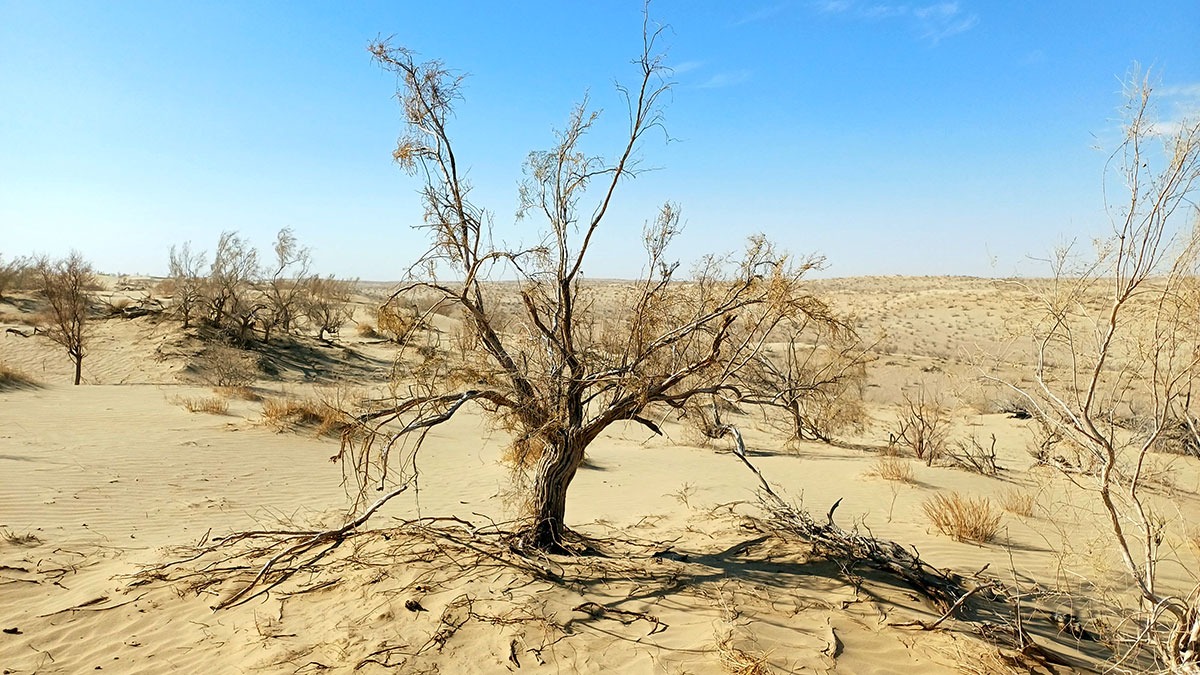
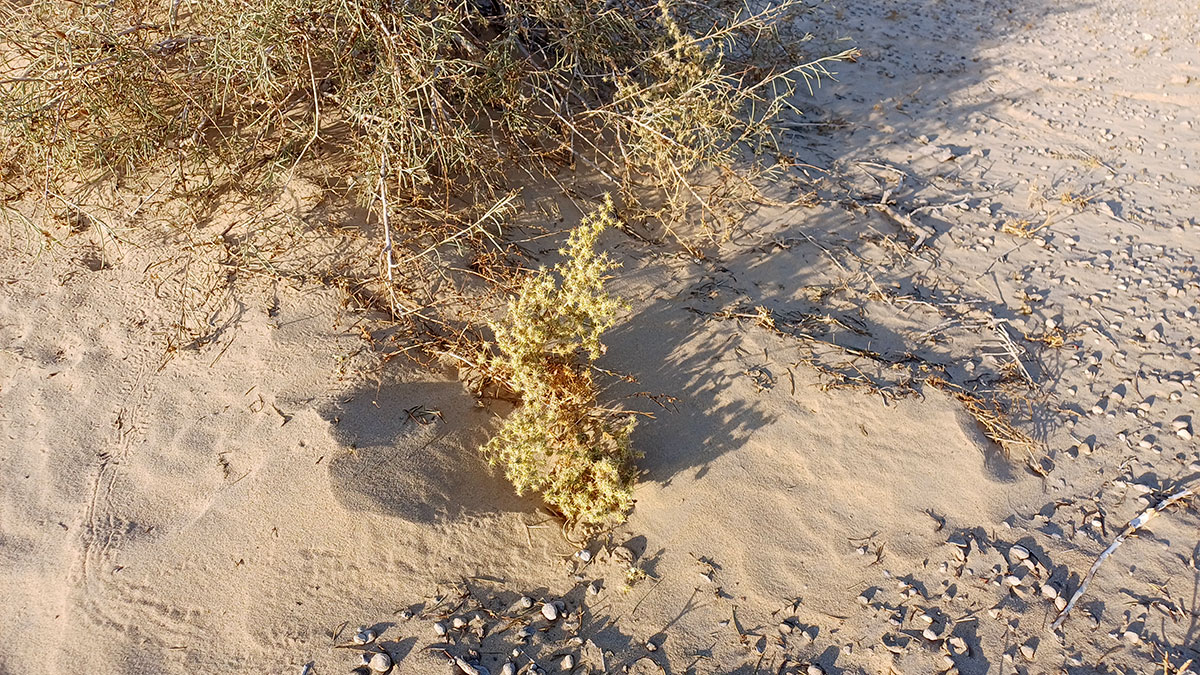
According to expedition member Guvanch Atahanov, head of the forest and pasture laboratory at NRIFF, the surveyed areas included sandy massifs that are sensitive to biogenic factors, meaning they degrade faster than other natural environments due to climate change. The expedition visited the Zaunguz (northern) Garagum desert and pastures near the «Layly» and «Topalakly» sardobs in the Ruhubelent etrap of the Dashoguz velayat, where silt-like white saxaul forests with sazak are common, and in depressions on clay takyrs, gravel, and kyr soils, black saxaul communities with ojar are found. In Lebap, pastures in the Danev etrap near the «Taze tutly», «Tally», «Taze ojarly» wells, and the «Farhat» sardoba, where watering holes are located and where flocks of sheep spend the night, were surveyed. The objective of the study was to assess the condition of autumn pastures in relation to prolonged drought and anthropogenic impacts, and to determine the forage capacity of desert pastures.
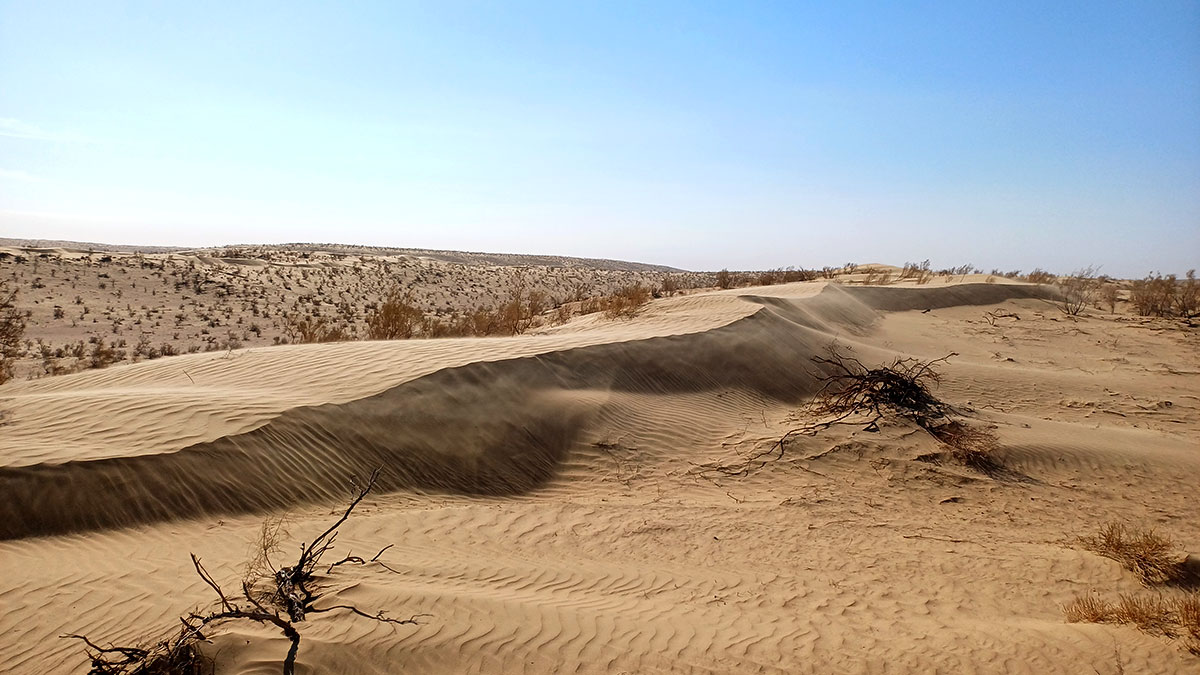
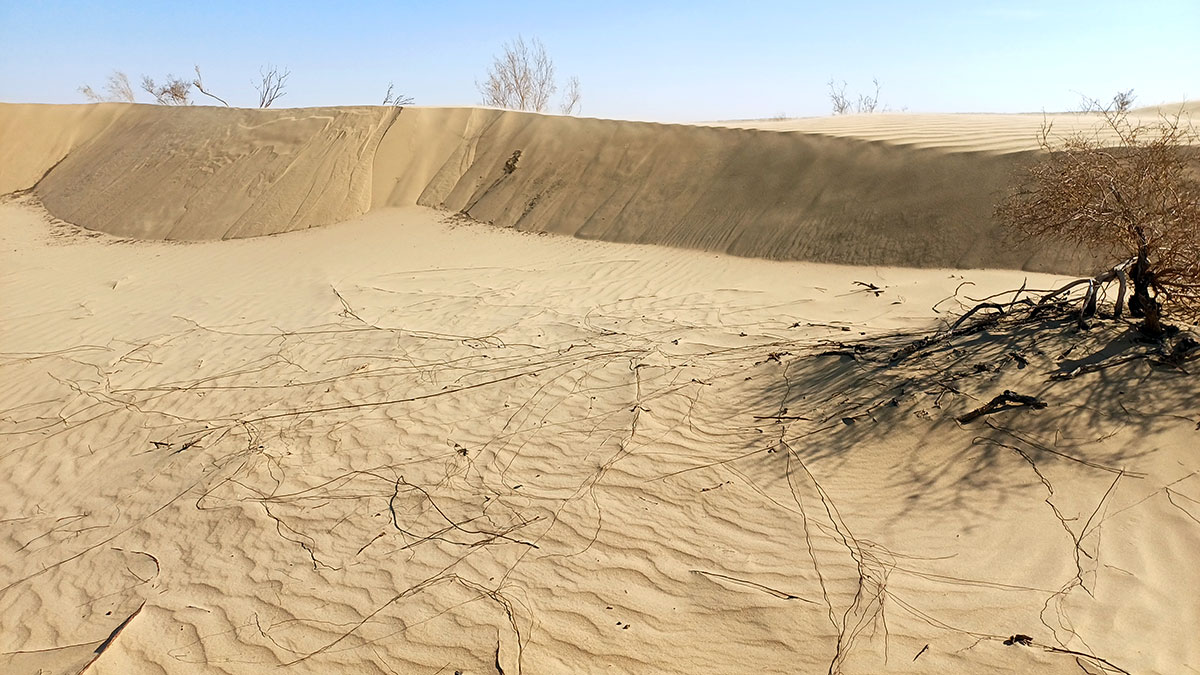
These areas are characterised by a harsh climate and remain poor in forage yields. Furthermore, while the southern and eastern territories of Zaunguz still have a wide network of wells with reasonably mineralised water, the western pastures are poor in water supply, forcing local shepherds to make do with water from sardobs - artificial reservoirs - and ponds formed in takyr depressions. Their operational condition is the basis for the development of transhumance, making it possible to maintain a certain number of sheep and camels.
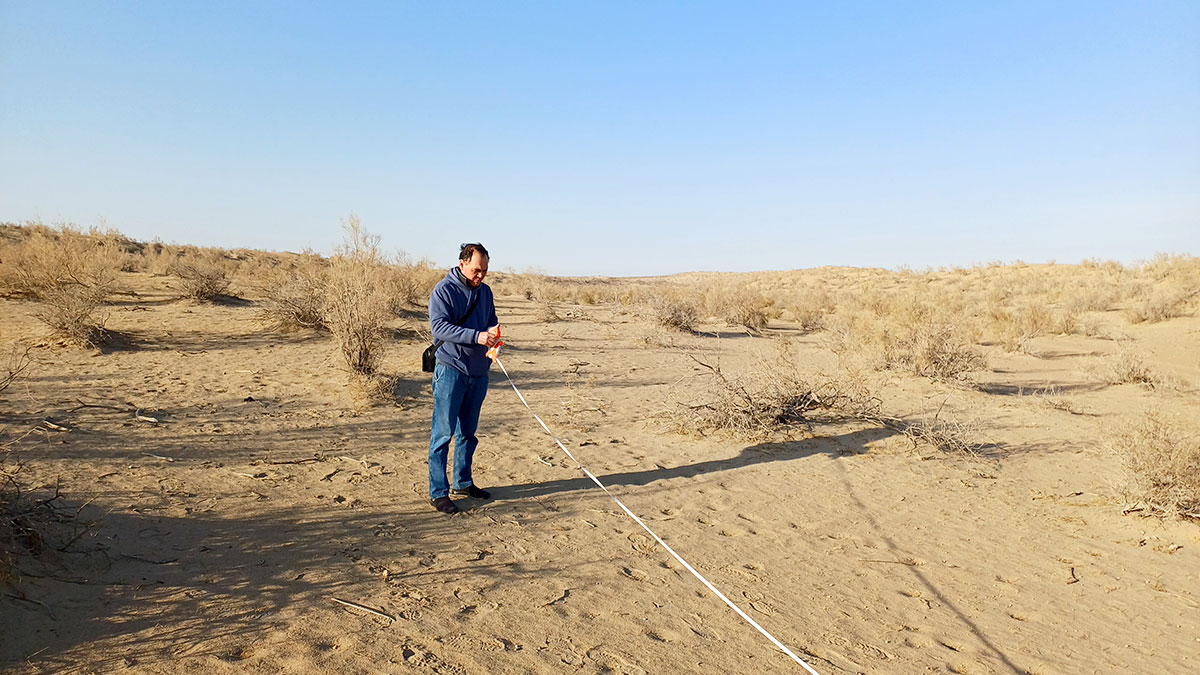
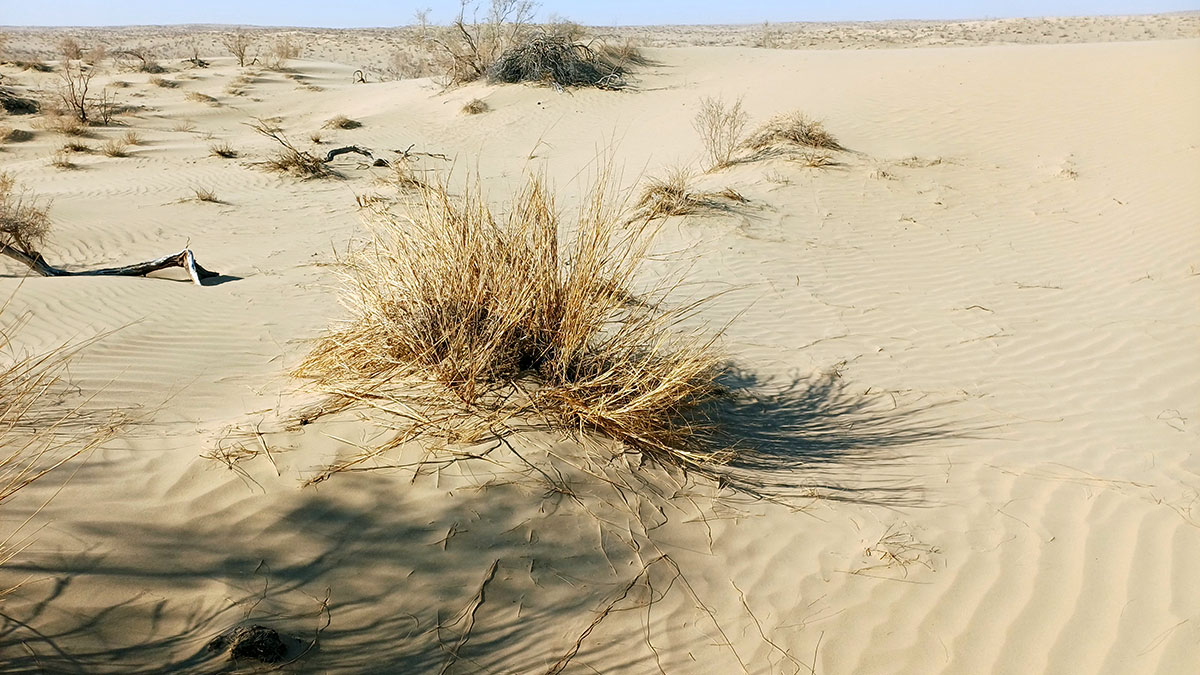
The survey was organised within the framework of the project of the Ministry of environmental protection of Turkmenistan – «Conservation and sustainable management of land resources and ecosystems of high natural value in the Aral sea basin for obtaining multiple benefits», which is supported by UNDP/GEF as part of the promotion of the land degradation neutrality approach.