


New educational manuals for higher educational institutions and secondary schools in Turkmenistan have been published, prepared by instructors of the Seyitnazar Seydi Turkmen State Pedagogical Institute.
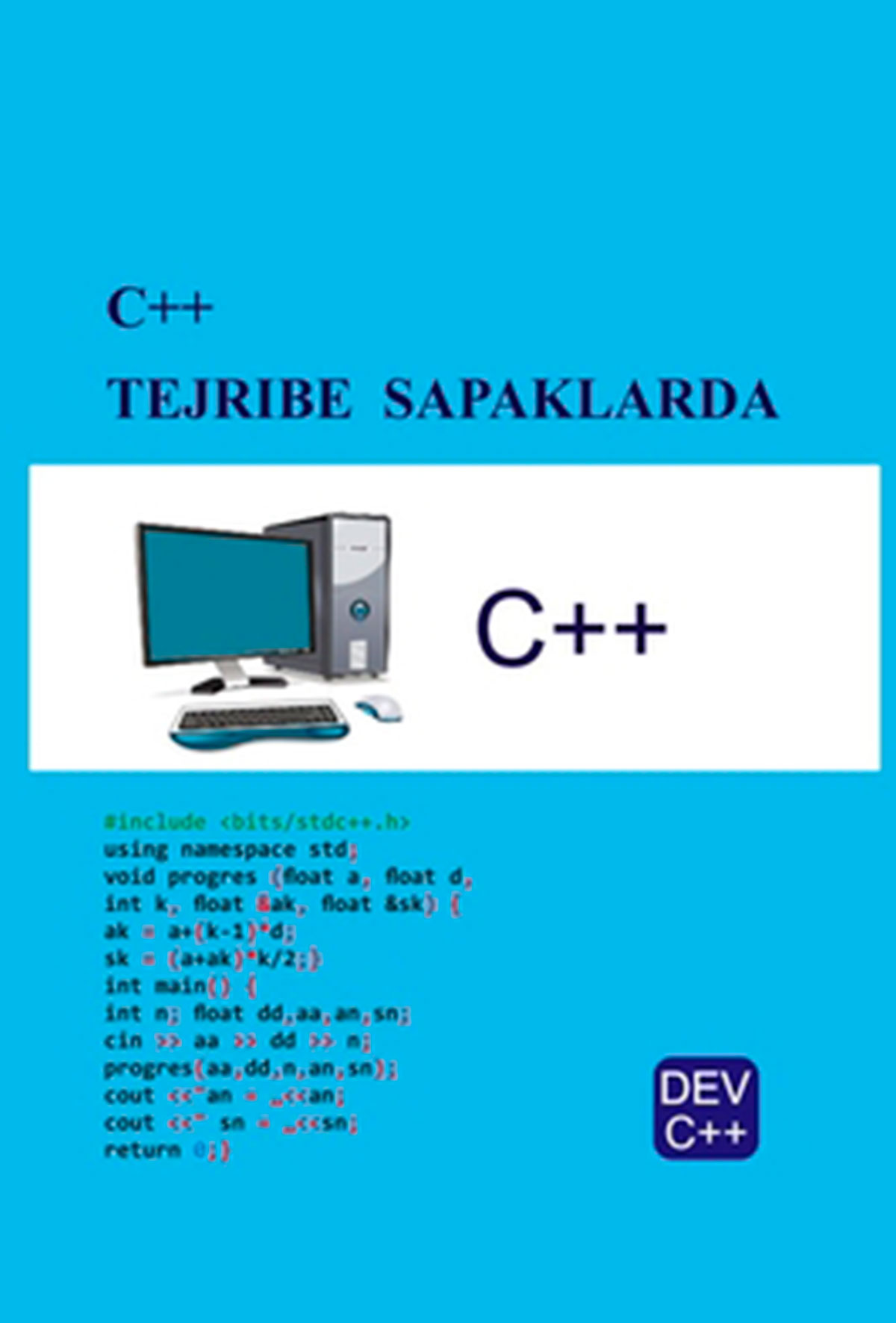
Teachers of the Department of Informatics and Methods of Teaching Informatics, M. Berenov and A. Tangryberdiyeva, authored a new study guide titled “C++ in Laboratory Classes,” aimed at improving the effectiveness of teaching the subject “Fundamentals of Algorithmization and Programming” in universities. The manual consistently presents descriptions of laboratory work and sample solutions organized according to thematic sections.
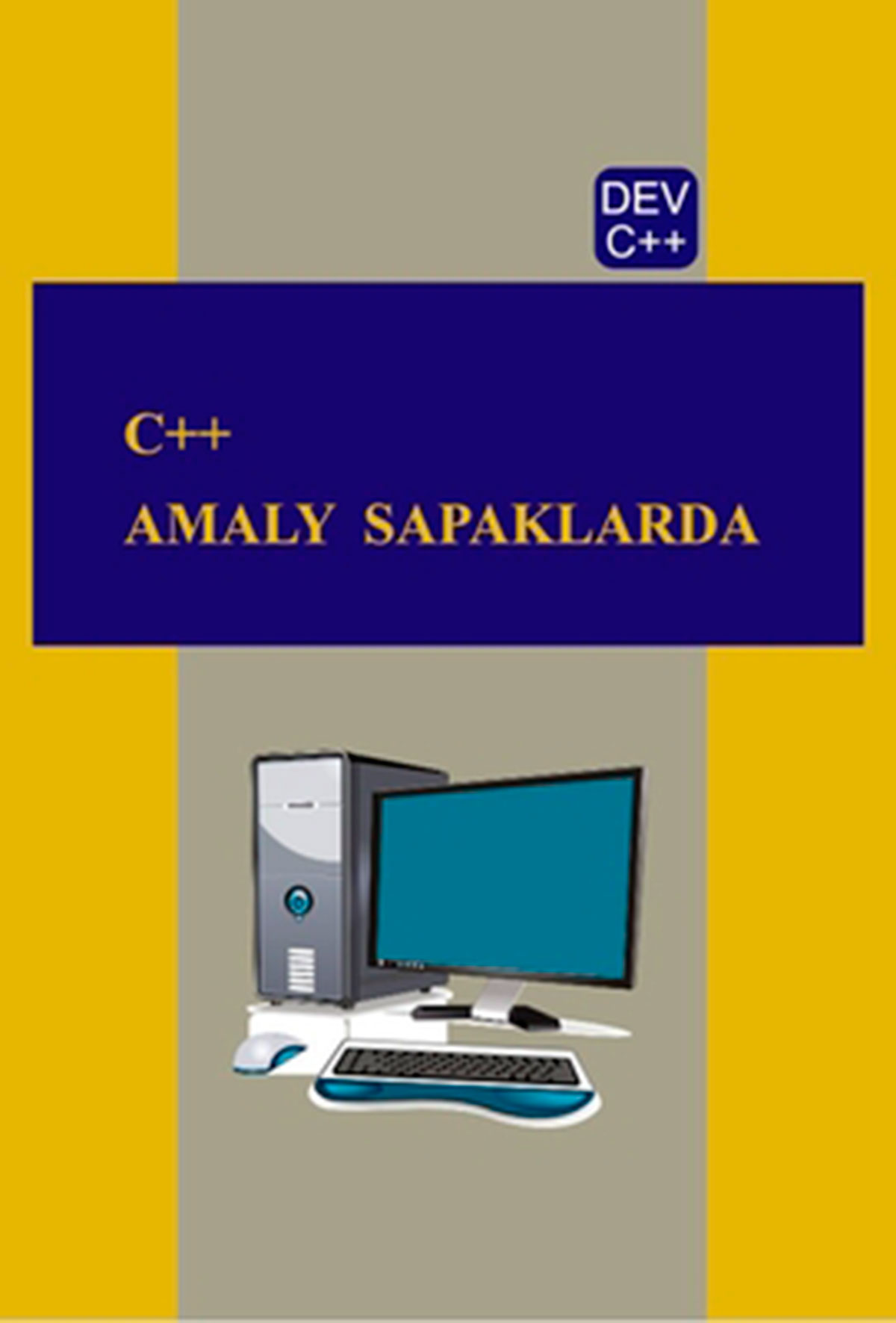
Another study guide, “C++ in Practical Classes,” was also prepared by teachers of the Department of Informatics and Methods of Teaching Informatics, M. Berenov and D. Mukhanov. This guide provides topic-based tasks and their solutions, arranged from simple to more complex. It also includes assignments for independent work.
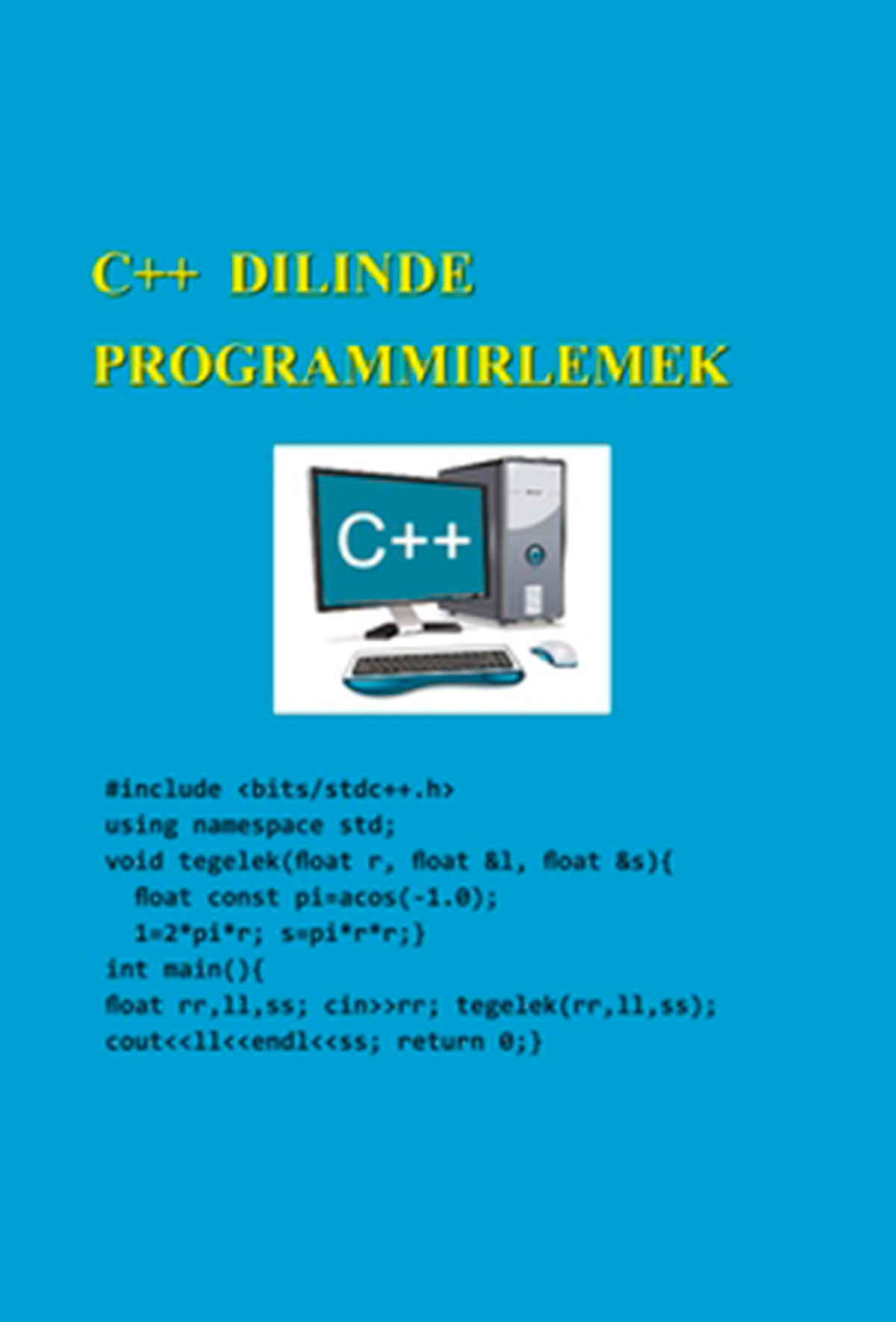
Associate Professor M. Berenov is also the author of the study guide “Programming in C++,” which presents the fundamentals of programming in C++ in the form of general lectures. At the end of each topic, examples illustrate methods for solving specific tasks.
 |
 |
 |
The value of all manuals dedicated to programming in C++ is enhanced by the inclusion of programs written in C++ as part of problem solutions, as well as tests designed for practical computer-based learning. These study guides are suitable for engineering and technical students studying physics, mathematics, and informatics at universities.
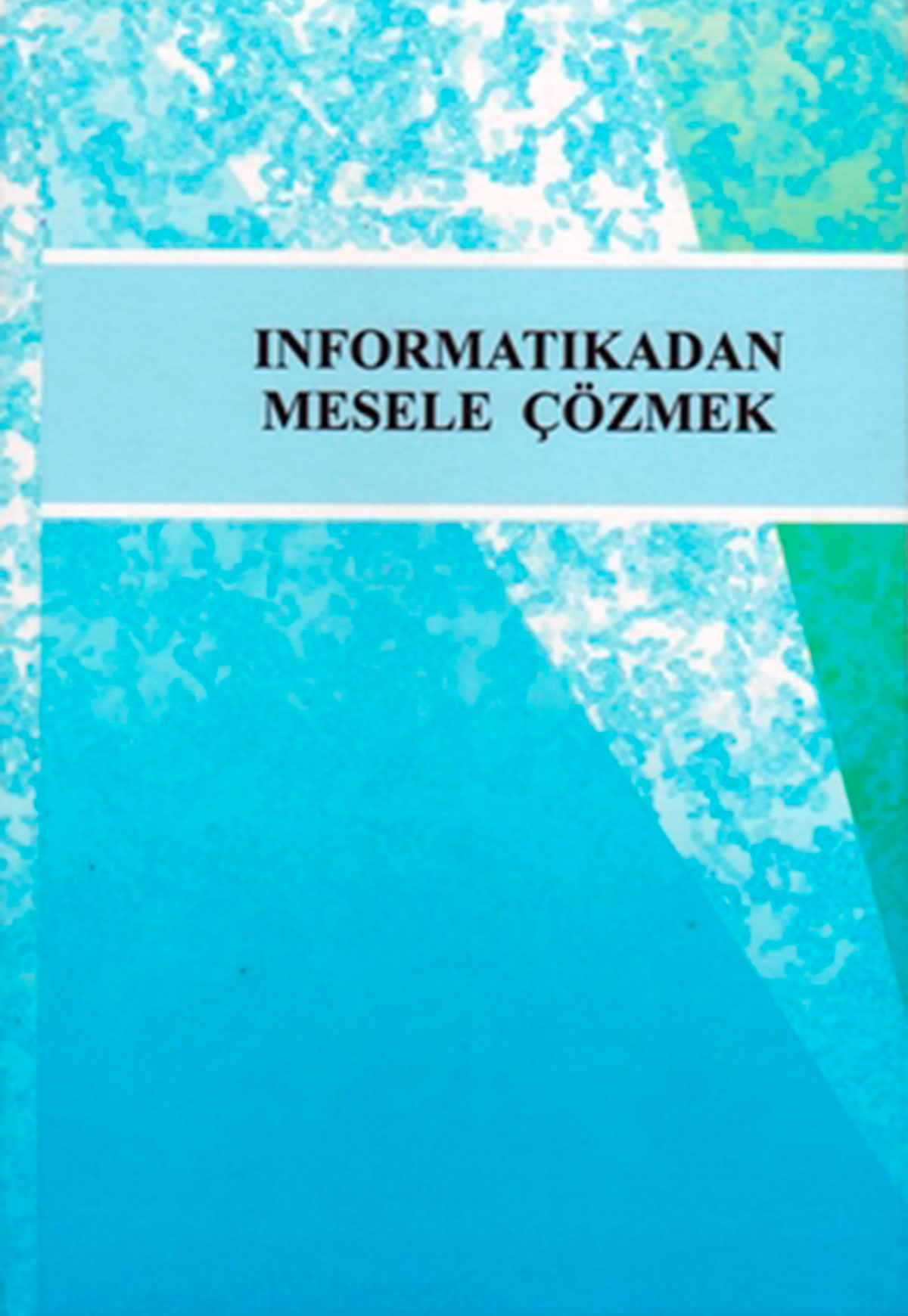
Teachers of the Department of Informatics and Methods of Teaching Informatics—M. Berenov and A. Tangryberdiyeva—along with M. Rakhmedov from the Department of Fundamentals of Labor and Technologies and Methods of Their Teaching, authored the study guide “Solving Problems in Informatics.”
It includes problems, solutions, and self-study tests. The solutions feature programs written in the PascalABC programming language, as well as control tasks for reinforcing the material.
This manual is intended both for engineering and technical students of universities and for senior secondary school students, researchers of educational institutions, and all interested readers.
Another study guide, “The World of Numbers,” was prepared by M. Rakhmedov, O. Seyitkuliyeva, and O. Kuliyeva of the Department of Fundamentals of Labor and Technologies and Methods of Their Teaching.
 |
 |
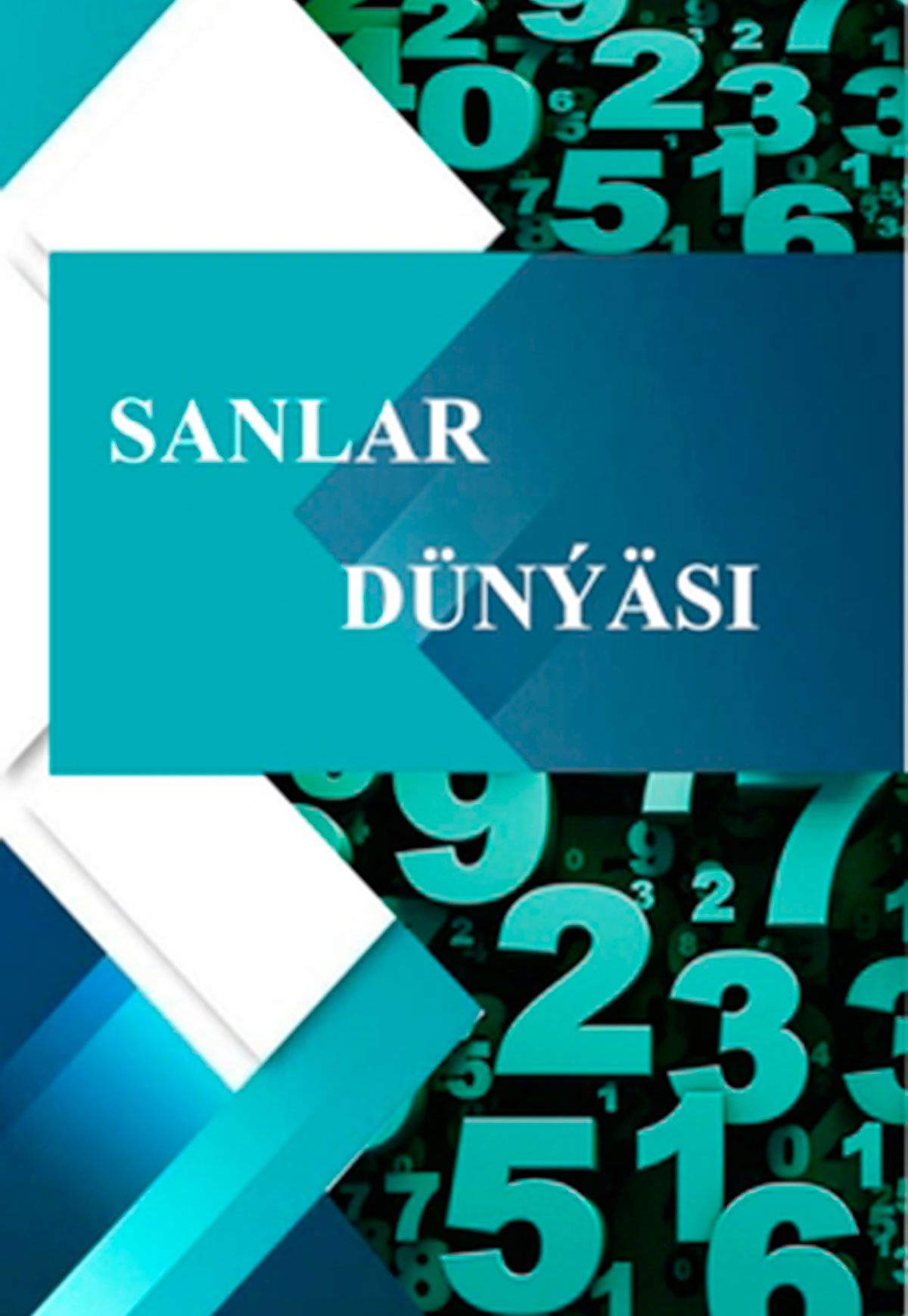 |
The guide presents information on early numerals and digit symbols, the development and improvement of counting methods, and the algorithm of performing calculations. The book is intended for university and school students, mathematics and informatics teachers, as well as readers interested in mathematics and its history.
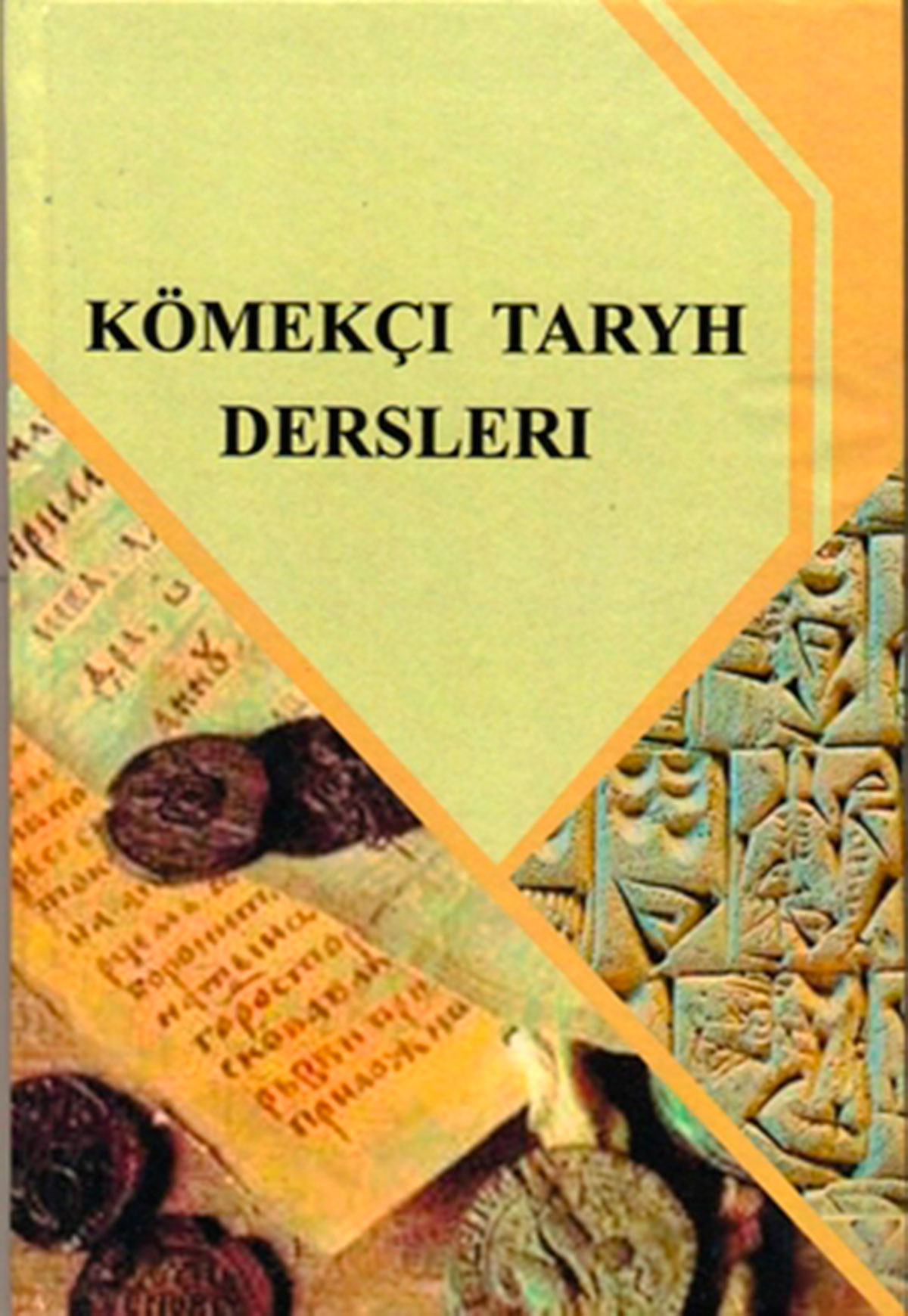
Thanks to the joint efforts of senior lecturer M. Agamyradova of the Department of World History and Methods of Teaching and J. Kullayeva, a teacher at Secondary School No. 1 in Ashgabat, a new textbook, “Auxiliary Historical Disciplines,” has been prepared for history students and university educators.
The textbook contains valuable information on auxiliary historical sciences such as paleography, metrology, chronology, numismatics, sphragistics, heraldry, genealogy, onomastics, ethnonymics, anthroponymics, toponymy, as well as their objects of study, methods of analysis, and their links to other scientific fields.
Another new study guide, “Practical Tasks on Speech Culture,” was prepared by senior lecturer M. Jumayeva of the Department of Turkmen Language and Methods of Teaching and published in electronic format.
The manual presents modern digital teaching methods and techniques for teaching students the orthoepic, orthographic, lexical, grammatical, and stylistic norms of the Turkmen literary language. Alongside the principles traditionally used in teaching the Turkmen language, special emphasis is placed on the principle of cultural integration.
The electronic study guide, intended for use with students of grades V–XII, will serve as a valuable resource for teachers of general secondary schools across the country.