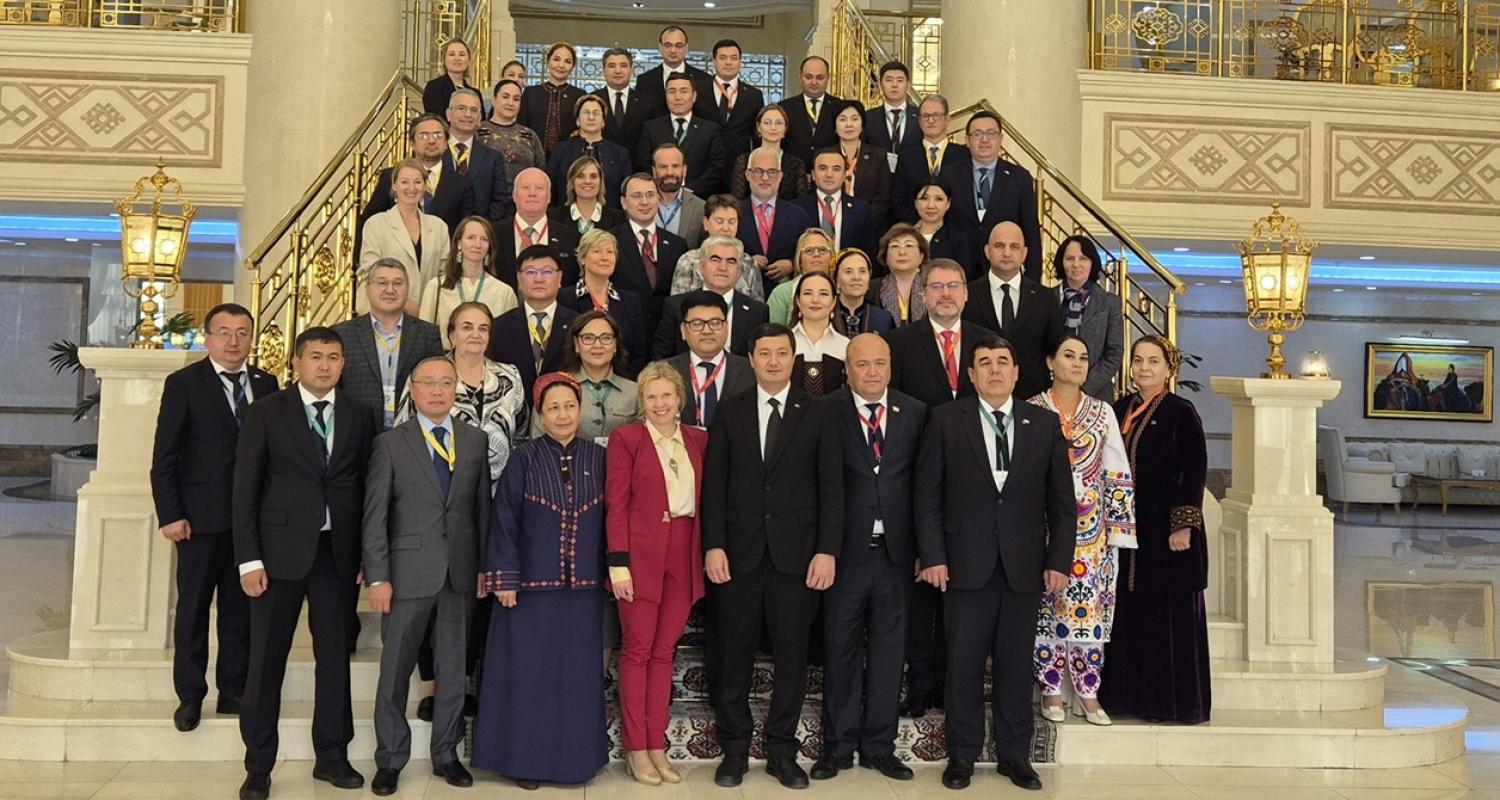



On the last day of April, the Central Asian forum was held in Dushanbe, the capital of Tajikistan. Representatives from analytical and research centres, international organisations, the expert community, and diplomatic missions from Central Asian countries gathered for the forum. This is far from the first large-scale conference organised by the Centre for Strategic Studies under the President of the Republic of Tajikistan in cooperation with the Konrad Adenauer Foundation.
This time, the agenda of the forum included a discussion of current regional security issues and a determination of their development in the near future. The main events of the forum included a plenary session and four thematic blocks that examined intraregional and transregional challenges and opportunities. The conference resulted in the development of practical recommendations aimed at strengthening regional cooperation, reducing risks and threats, and effectively leveraging the existing capabilities of countries in the region.
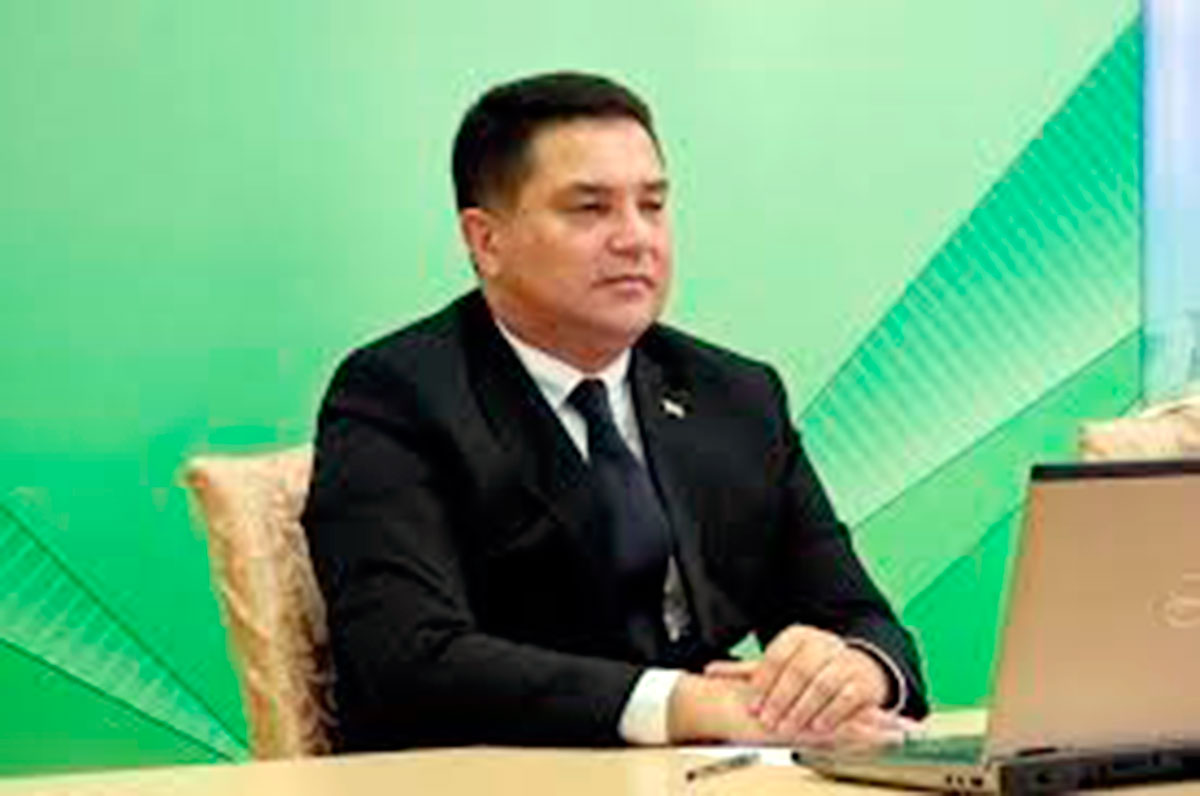
Speaking at one of the thematic sessions, Shiri Shiriyev, director of the Centre for Strategic Studies at the Institute of International Relations of the MFA of Turkmenistan, noted that «Central Asia, which has demonstrated a steady trend toward strengthening mutual understanding and expanding cooperation in recent years, is creating a qualitatively new foundation for the formation of a regional security architecture based on dialogue, trust, and consideration of the interests of all states». Sh. Shiriyev also noted that maintaining a balance of interests and adherence to the principles of mutual respect and equality remains a key condition for ensuring security and realising opportunities for countries in the region. The formation of a sustainable and balanced security architecture for the region will largely depend on how effectively the countries of the region can transform challenges and threats into opportunities.