


The 26th OSCE Central Asian media conference has concluded in Bishkek. This annual event, bringing together journalists, educators, international experts, and representatives of government bodies and civil society from Turkmenistan, Kazakhstan, Kyrgyzstan, Tajikistan, Uzbekistan, and Mongolia, serves as a platform for aligning perspectives and exchanging experiences in addressing the pressing challenges facing modern media and digital content creators.
In 2026, main theme of the forum is defined as «Building a shared reality: information integrity, media ethics, and trust in the digital age».
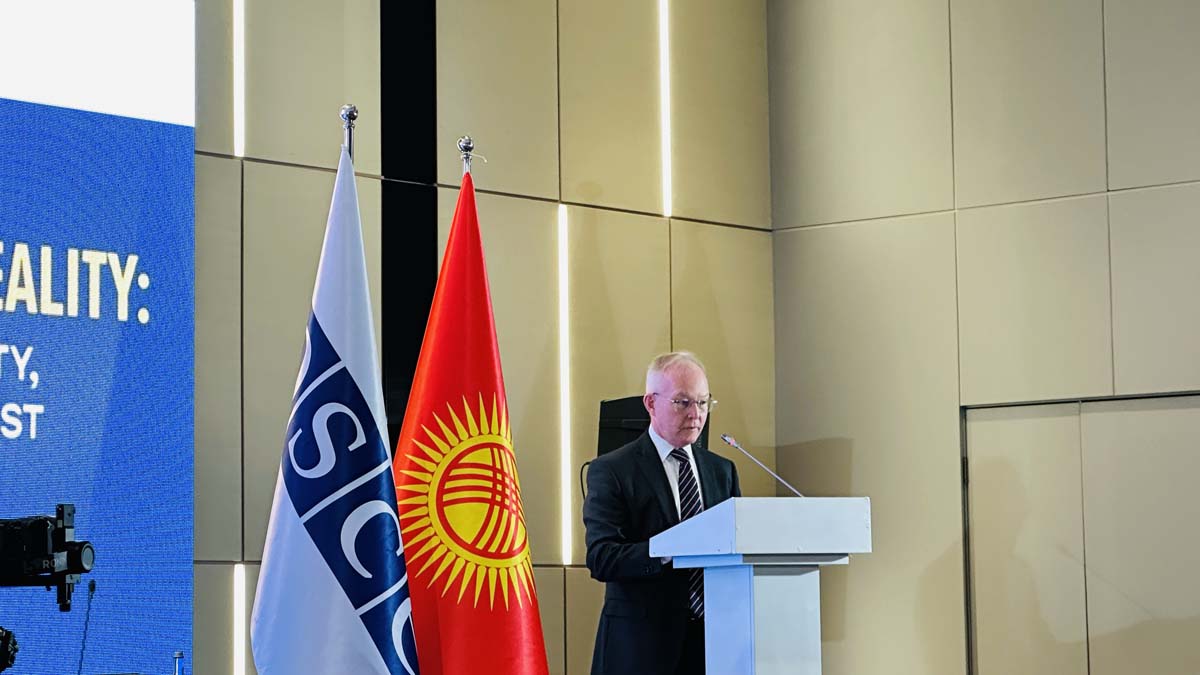
The conference was opened by the OSCE Representative on freedom of the media, ambassador Jan Braathu; the deputy minister of foreign affairs of Kyrgyzstan, Kairat Tursunkulov; the deputy minister of culture, information and youth policy, Salkyn Sarnogoyeva; and the head of the OSCE Programme office in Bishkek, ambassador Volker Frobarth.
In their welcoming remarks to the participants, the speakers noted that society today lives in a rapidly changing information landscape. Technological progress gives rise to new methods of producing, obtaining, and disseminating information. The majority of internet users consume content not from primary sources but through social platforms and messaging apps, which significantly undermines trust in mainstream media. Fragmentary news snippets and clickbait headlines often prevent the audience from objectively assessing the reliability of the information.
Given that information flows transcend national borders, effectively countering disinformation, fostering media literacy, and raising professional standards require active regional and international cooperation.
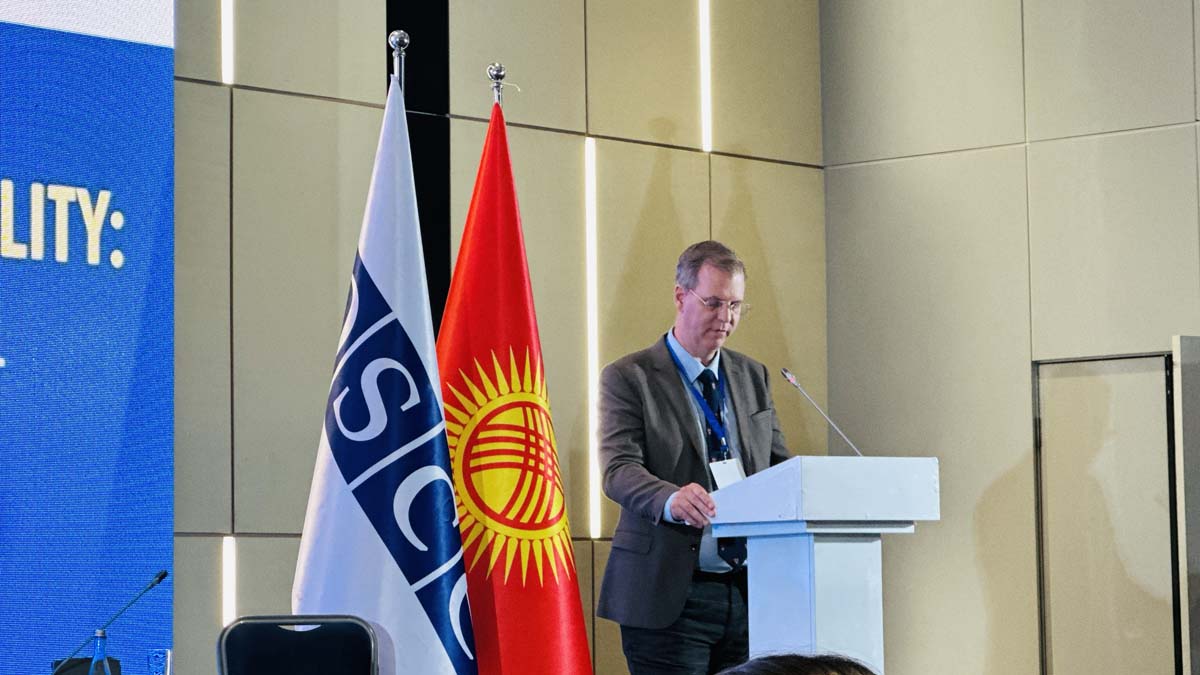
Over the two days of the conference, six sessions and a practical workshop took place. Participants discussed media self-regulation and the work of press councils, the legal framework for information integrity, journalist safety with a focus on gender, journalism education, and editorial policies regarding the use of AI. A separate session was dedicated to digital security and the protection of sources, data, and communications in high-risk environments.
Representatives of Turkmenistan delivered presentations at the sessions. Among them is Serdar Agayev, head of the department for the organisation of court activities at the Supreme Court of Turkmenistan. He noted that the country is actively studying international experience and advanced models of platform regulation, analysing both current and emerging challenges. Attention was also paid to identifying economic models that would help digital journalistic content remain sustainable as the methods of its distribution and consumption evolve. Attention was also paid to identifying economic models that would help digital journalistic content remain sustainable as the methods of its distribution and consumption evolve. The speaker specifically addressed the risks of the modern digital environment that require an immediate response such as cyberattacks, cyberbullying, deepfakes, and other vulnerabilities.
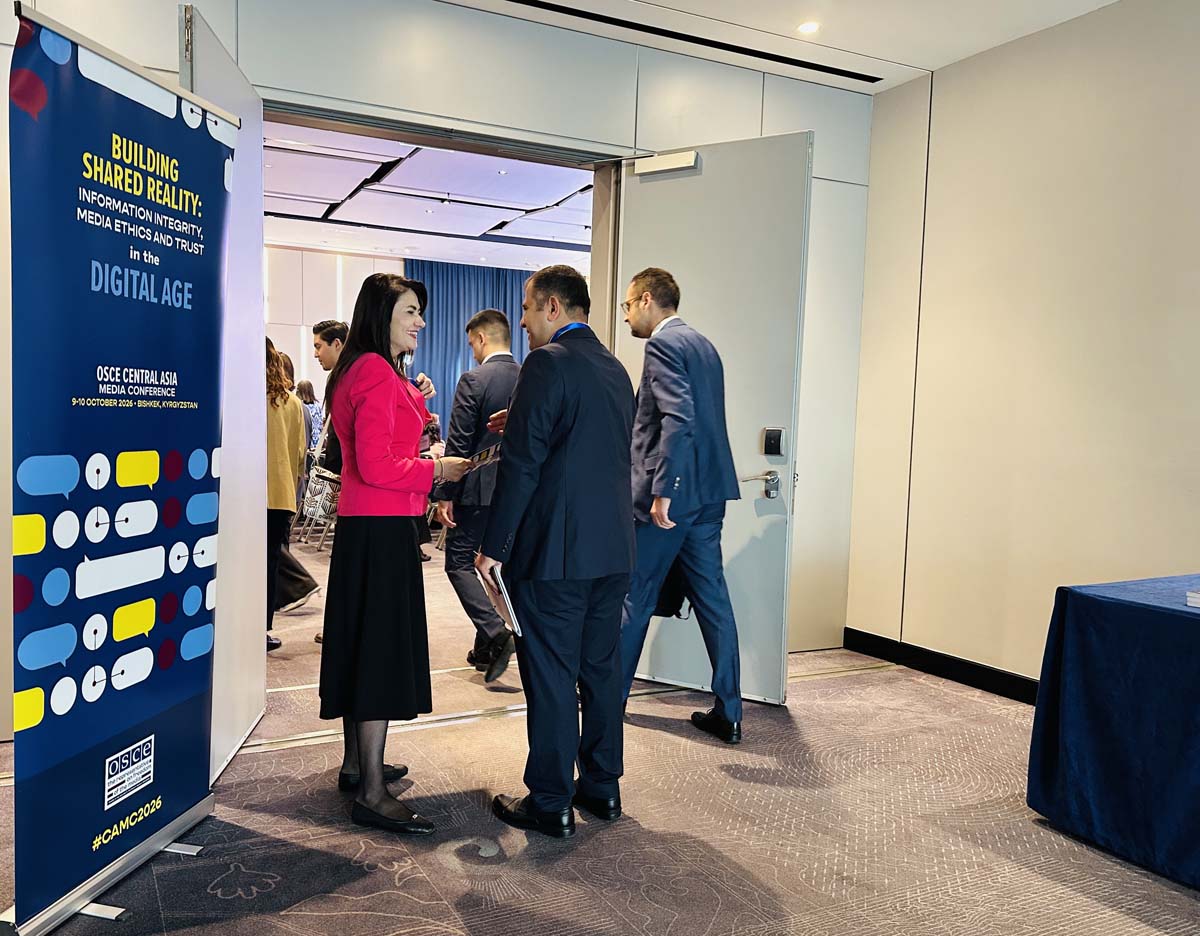
In addition, Azat Seyitmuhammedov, founder and CEO of the private online publication «Arzuw News» (Turkmenistan), shared his experience of editorial team in implementing advanced digital tools for content creation.
On the side-lines of the forum, the OSCE Guidelines on protecting media freedom in the epoch of Major technology platforms and AI published jointly with the Forum on information and democracy under the SAIFE project were presented. Session participants reviewed the roadmap for its implementation and practical application in the region.
The results of the media conference confirmed that journalists from Central Asian countries face common challenges in the global digital environment. The participants placed special emphasis on lifelong learning and the adaptation of specialists to transformational processes. OSCE training sessions and seminars play a significant role in professional development. In particular, programs implemented by the OSCE Centre in Ashgabat enable the regular development of practical skills and facilitate the creation of a national corps of media literacy trainers in Turkmenistan.