


Planting of greenery in Ashgabat (back then Ashabad) has started since the birth of the city. The first municipal public garden (nowadays – “Ashgabat” park) opened in 1887. It was located at the intersection of the Merv Street (Magtymguly Avenue), M.N. Annekov Street (S. Turkmenbasi Avenue) and Dashkepri Street (G. Kuliev Street). Young trees were grown there to be planted all around the country.
4,000 young ailanthus trees and 500 bushes of acacia were sent to the city of Kyzylarvat (Serdar) in 1889. In his report on the organization of a city garden in Ashgabat, the member of the Russian Society of Gardeners A.A. Chernoglazov noted: "The very nature of planting, except for decorative significance, will undoubtedly have a scientific interest with regard to acclimatization. There should be a nursery garden, several species of berry bushes - raspberries, gooseberries, strawberries, etc., different species of fruit trees, such as walnuts, figs, grapes and in addition, 100-120 species of decorative trees and shrubs that can adapt to local climatic conditions".
In 1890, the city garden was placed at the disposal of the Askhabad District Department. By that time, there were 17 species of trees and shrubs in the garden and nursery. The experimental plots of the Askhabad Botanical Acclimatization Station of the Russian Society for the Acclimatization of Plants and Animals, which was laid down in the spring of 1893, were located on the territory of the park. Since 1895, the work on the adaptation of plants was carried out by the head of the local department of the Trans-Caspian region D.A. Morozov.
With the construction of the first drainage ditches, the plantations of trees expanded. Squares were laid in different parts of the city in 1904. Unfortunately, the date of the foundation of the garden near the city railway station is not known, but judging by the age of the trees, it can be assumed that it was back to the XIX century. For example, it is known that 29 species of tree crops were there in 1957. This garden is famous for famous old tree, which was planted in 1896.
In the beginning of the 20th century there were two public gardens in Ashgabat: the square named after Alexander Pushkin with the area of 0.5 acres (founded in 1893) and the square named after Kozelkov with the area of 1 acre. In addition, a small garden of 1.5 hectares was located at the intersection of the streets – M.V. Frunze and N.I. Podvoyskogo (now Bitarap Turkmenistan Prospect). Seedlings of various trees were grown in a tree nursery in the square named after Kozelkov in 1892-1900.
The Archabil settlement (formerly Firyuza) is an amazing natural garden. According to the Askhabad" newspaper dated July 4, 1900 (No. 186), the Recreation and Entertainment Park was opened there: "... In the place of the ugly ruins of the former Karavan-Sarai and the Kurdish fortress, a public garden with beautiful flower beds and fountains was laid. An elegant pavilion with a rotunda for dancing was opened in the central zone in the garden.
The paths for walks and benches for rest of walkers were laid along the river. A magnificent spacious bathhouse - a stonework pool was opened there. The volume and depth of the bathhouse makes it possible not only to freshen up, but also to swim a lot. An uninterrupted water inflow and outflow was arranged and the pool is periodically emptied, cleaned and refilled".
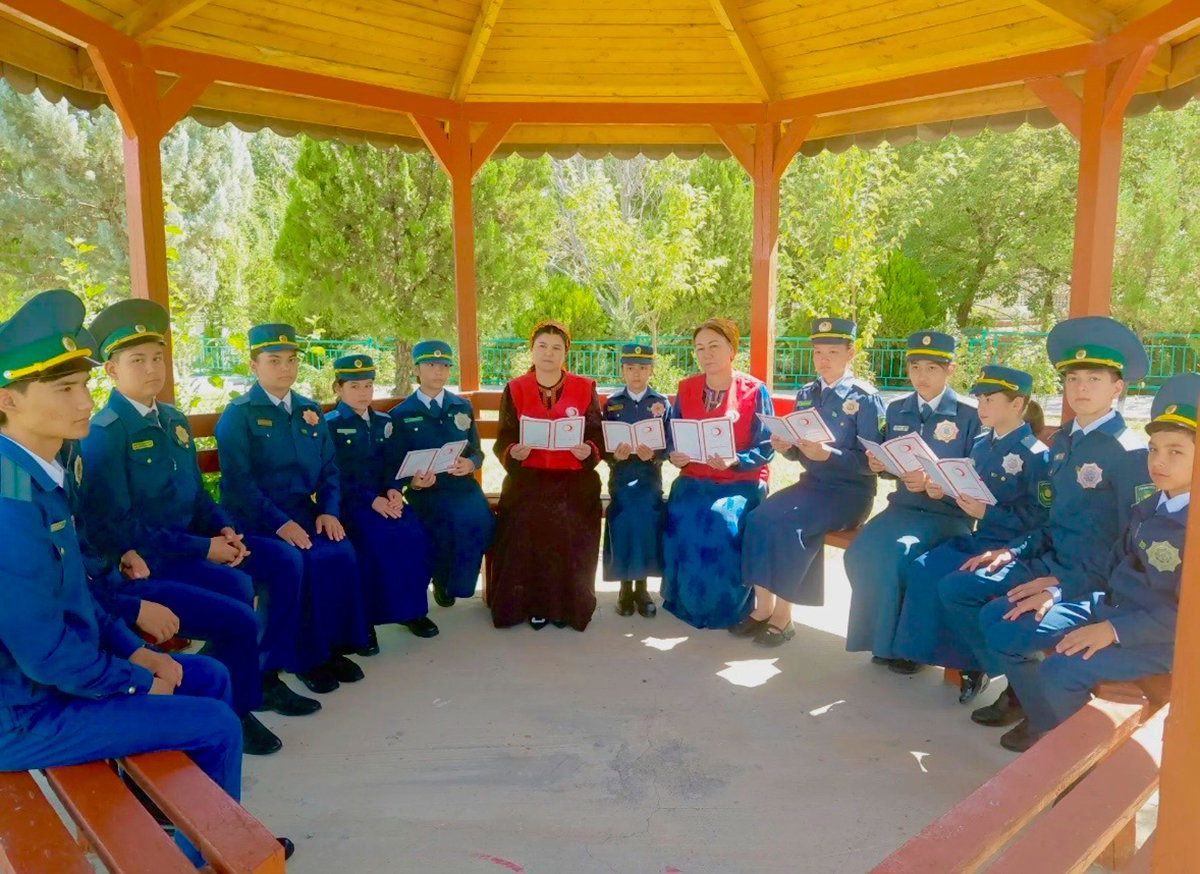
The first special and secondary vocational schools were opened in the Trans-Caspian region at the end of the XIX century to train gardeners. The Ashkhabad school of horticulture, melon growing and sericulture was opened in the village of Keshi in 1892. It was a secular educational institution, where children from different nationalities were trained. The school maintained contacts with various forestry in Russia, from where pine seedlings were supplied to Ashgabat. In turn, 1,150 species of ornamental trees and shrubs were sent from Ashgabat to Russia. The school established relations with France, Italy, the United States, Japan, Germany, and others, where seeds of various plants were purchased. The school was famous throughout the Trans-Caspian region, and often, the heads of local districts ordered the seedlings and seeds at the school.
The Ashkhabad school of horticulture, melon growing and sericulture participated in agricultural exhibitions and received awards at the exhibitions in Nizhny Novgorod (1896), Paris (1900), Tashkent (1909) among others. The school trained dozens of specialists for agriculture, including conspicuous statesmen A.Ilbaev, N.Sakhatmuradov, D.Mamadov, etc. At present, the Botanical Garden and the Turkmen Agricultural University are located on the territory of the school.
In 1897, travelers Olsufiev and Panayev described the city: "Look, Askhabad,- we were told - and we saw a large shady garden against the backdrop of high mountains. In some places flat roofs of houses flashed, and only the small bell tower of the local church somehow stood alone above the city, buried in verdure".
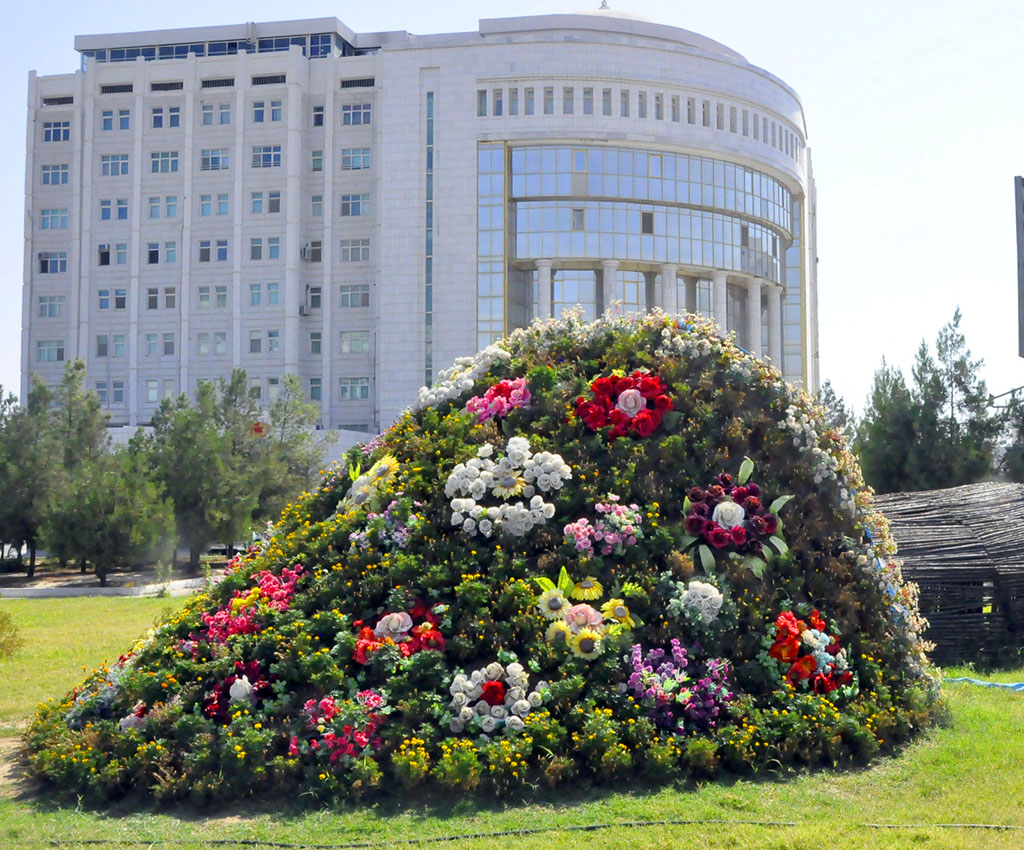
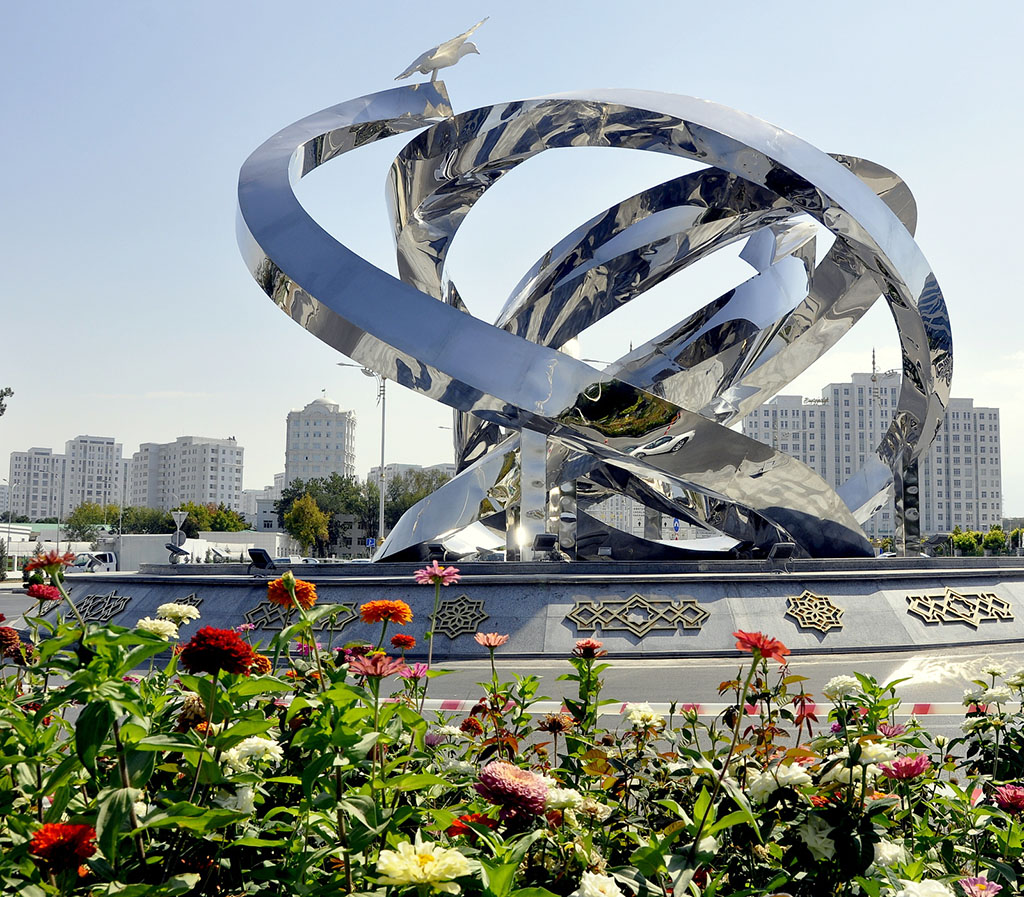
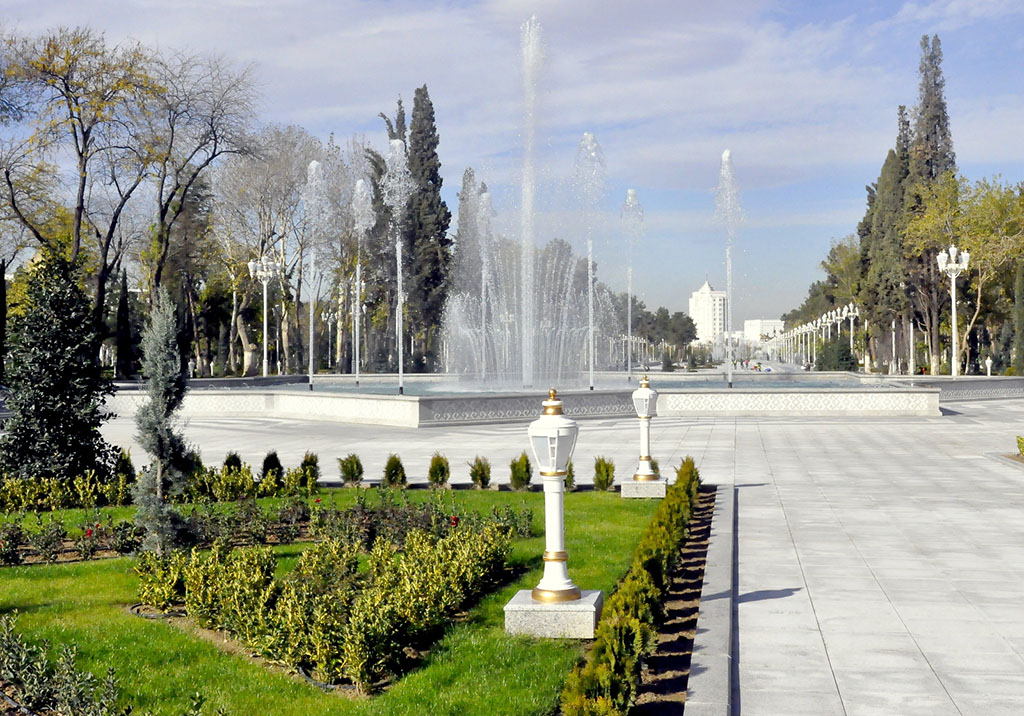
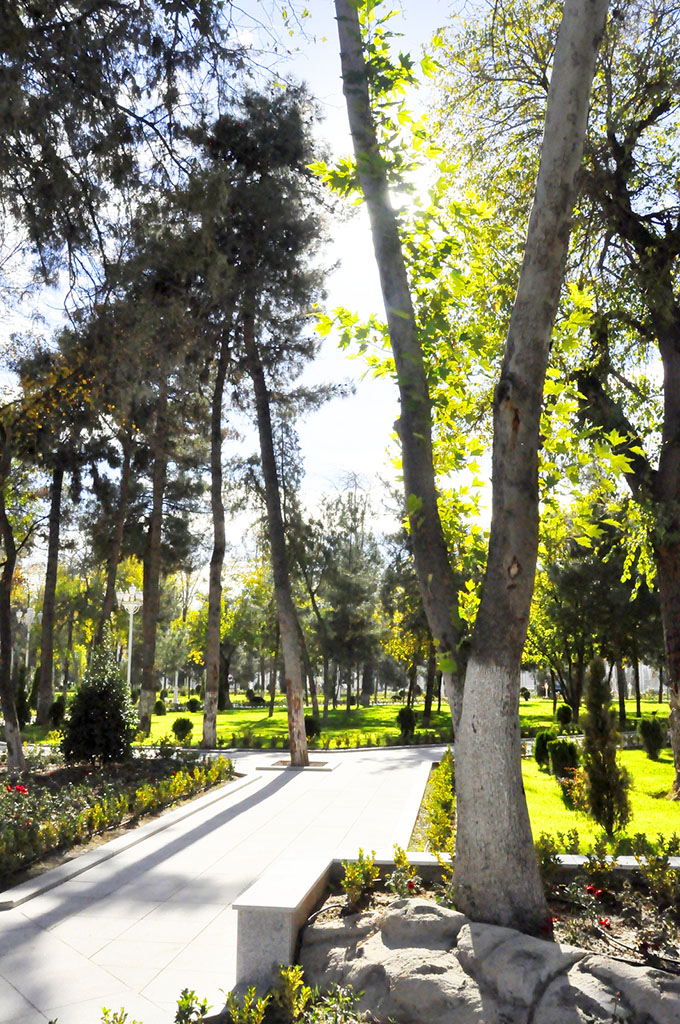
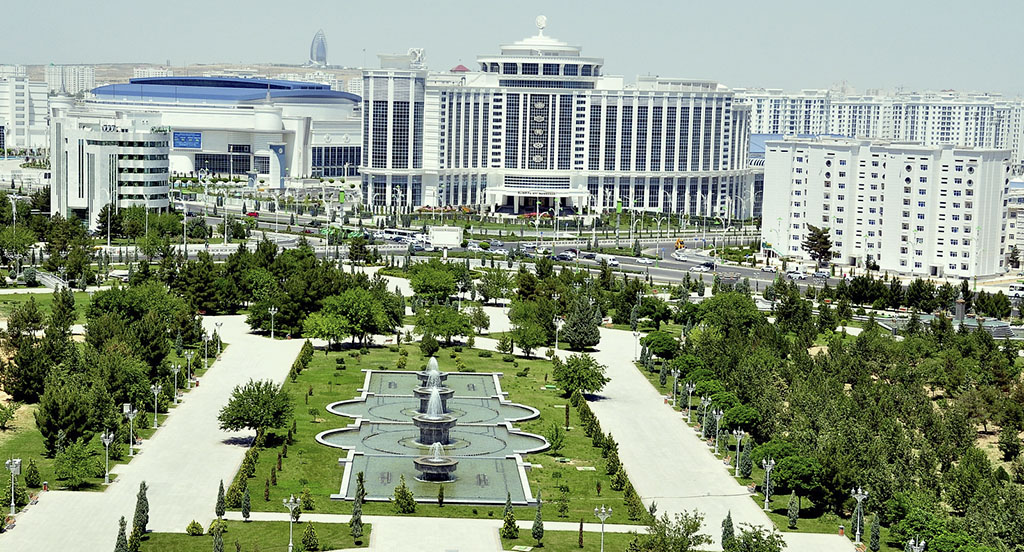
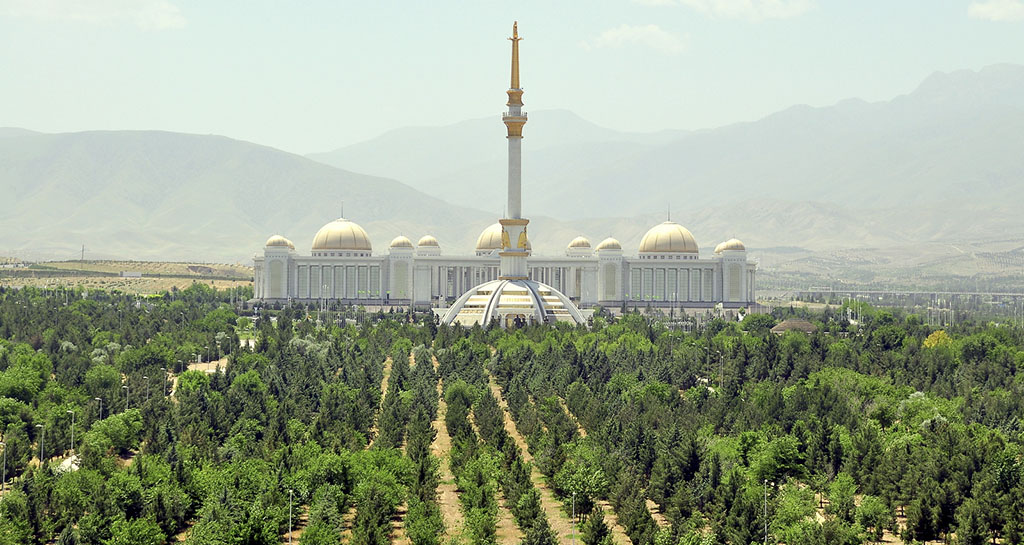
At present, the whit- marble beautiful Ashgabat is not only an architectural pearl, but also the city famous for an original park ensembles and man-made forests, surrounding the Turkmen capital that admires travelers with its green decor and fountain complexes.
4,000 young ailanthus trees and 500 bushes of acacia were sent to the city of Kyzylarvat (Serdar) in 1889. In his report on the organization of a city garden in Ashgabat, the member of the Russian Society of Gardeners A.A. Chernoglazov noted: "The very nature of planting, except for decorative significance, will undoubtedly have a scientific interest with regard to acclimatization. There should be a nursery garden, several species of berry bushes - raspberries, gooseberries, strawberries, etc., different species of fruit trees, such as walnuts, figs, grapes and in addition, 100-120 species of decorative trees and shrubs that can adapt to local climatic conditions".
In 1890, the city garden was placed at the disposal of the Askhabad District Department. By that time, there were 17 species of trees and shrubs in the garden and nursery. The experimental plots of the Askhabad Botanical Acclimatization Station of the Russian Society for the Acclimatization of Plants and Animals, which was laid down in the spring of 1893, were located on the territory of the park. Since 1895, the work on the adaptation of plants was carried out by the head of the local department of the Trans-Caspian region D.A. Morozov.
With the construction of the first drainage ditches, the plantations of trees expanded. Squares were laid in different parts of the city in 1904. Unfortunately, the date of the foundation of the garden near the city railway station is not known, but judging by the age of the trees, it can be assumed that it was back to the XIX century. For example, it is known that 29 species of tree crops were there in 1957. This garden is famous for famous old tree, which was planted in 1896.
In the beginning of the 20th century there were two public gardens in Ashgabat: the square named after Alexander Pushkin with the area of 0.5 acres (founded in 1893) and the square named after Kozelkov with the area of 1 acre. In addition, a small garden of 1.5 hectares was located at the intersection of the streets – M.V. Frunze and N.I. Podvoyskogo (now Bitarap Turkmenistan Prospect). Seedlings of various trees were grown in a tree nursery in the square named after Kozelkov in 1892-1900.
The Archabil settlement (formerly Firyuza) is an amazing natural garden. According to the Askhabad" newspaper dated July 4, 1900 (No. 186), the Recreation and Entertainment Park was opened there: "... In the place of the ugly ruins of the former Karavan-Sarai and the Kurdish fortress, a public garden with beautiful flower beds and fountains was laid. An elegant pavilion with a rotunda for dancing was opened in the central zone in the garden.
The paths for walks and benches for rest of walkers were laid along the river. A magnificent spacious bathhouse - a stonework pool was opened there. The volume and depth of the bathhouse makes it possible not only to freshen up, but also to swim a lot. An uninterrupted water inflow and outflow was arranged and the pool is periodically emptied, cleaned and refilled".
The first special and secondary vocational schools were opened in the Trans-Caspian region at the end of the XIX century to train gardeners. The Ashkhabad school of horticulture, melon growing and sericulture was opened in the village of Keshi in 1892. It was a secular educational institution, where children from different nationalities were trained. The school maintained contacts with various forestry in Russia, from where pine seedlings were supplied to Ashgabat. In turn, 1,150 species of ornamental trees and shrubs were sent from Ashgabat to Russia. The school established relations with France, Italy, the United States, Japan, Germany, and others, where seeds of various plants were purchased. The school was famous throughout the Trans-Caspian region, and often, the heads of local districts ordered the seedlings and seeds at the school.
The Ashkhabad school of horticulture, melon growing and sericulture participated in agricultural exhibitions and received awards at the exhibitions in Nizhny Novgorod (1896), Paris (1900), Tashkent (1909) among others. The school trained dozens of specialists for agriculture, including conspicuous statesmen A.Ilbaev, N.Sakhatmuradov, D.Mamadov, etc. At present, the Botanical Garden and the Turkmen Agricultural University are located on the territory of the school.
In 1897, travelers Olsufiev and Panayev described the city: "Look, Askhabad,- we were told - and we saw a large shady garden against the backdrop of high mountains. In some places flat roofs of houses flashed, and only the small bell tower of the local church somehow stood alone above the city, buried in verdure".
At present, the whit- marble beautiful Ashgabat is not only an architectural pearl, but also the city famous for an original park ensembles and man-made forests, surrounding the Turkmen capital that admires travelers with its green decor and fountain complexes.