


On June 22” the delegation of Turkmenistan took part in the Forum on the Development of Cooperation between China and Central Asia and the Third "Silk Road" International Communication Conference. The event, organized by the largest news agency of the People's Republic of China "Xinhua" together with the Television and Radio Complex of the President of the Republic of Kazakhstan, was also attended by heads and representatives of leading state news agencies, print and online media, media and expert centers of the People's Republic of China, Kazakhstan, Kyrgyzstan, Tajikistan and Uzbekistan.
The agenda included issues related to deepening media cooperation in the "Central Asia-China" format, expanding the new narrative of international communication, protecting cultural heritage, and continuing to write a new chapter in the history of the Silk Road civilization, as well as promoting Eurasian connectivity and creating a new narrative of international synergetic development.
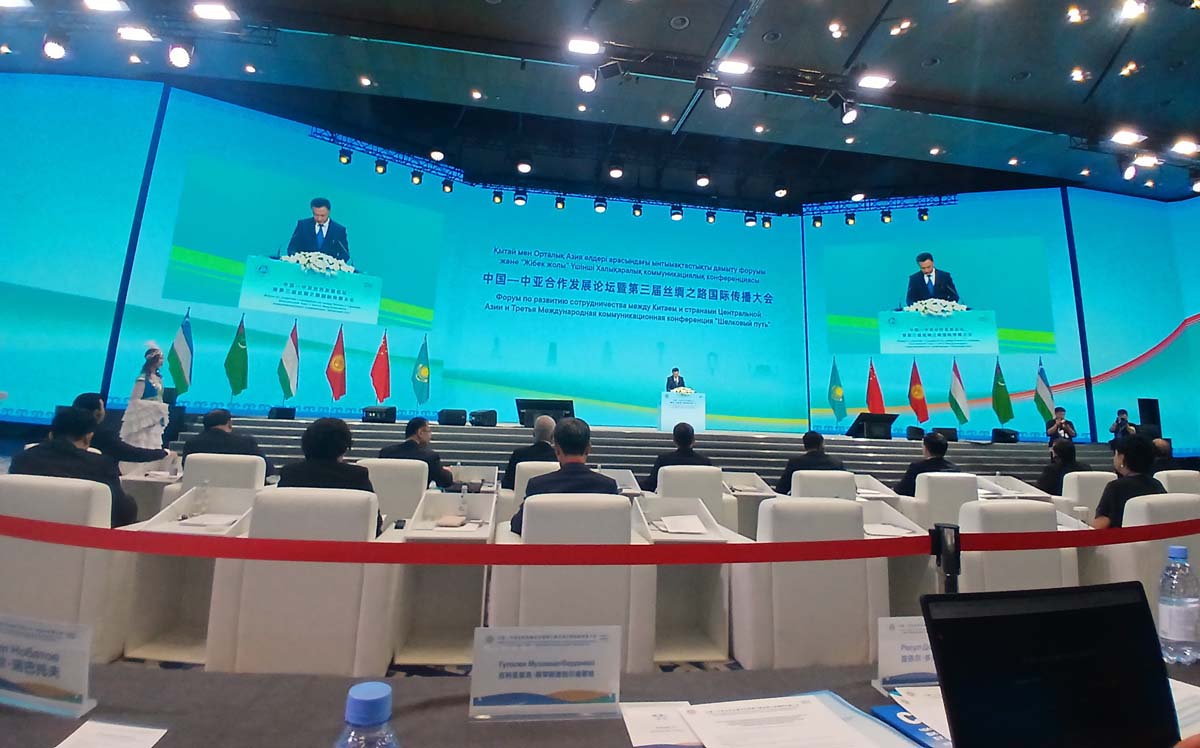
As noted in the speeches, the peoples of Central Asia and China have centuries-old friendly and good-neighborly relations, cooperation based on the principles of equality and mutual benefit, as well as extensive experience of interaction in various fields. The role of the Great Silk Road, which ran through Central Asia from China to Europe, was particularly emphasized, as it became a key factor in the development and progress of global civilization.
Today, the speakers stated, the dialogue between China and the Central Asian countries is successfully developing in all areas, which is largely facilitated by the trusting relations between the heads of state. In this context, the significance of the second Central Asia-China Summit held on June 17 with the participation of the heads of state and the importance of the reached agreements were emphasized.
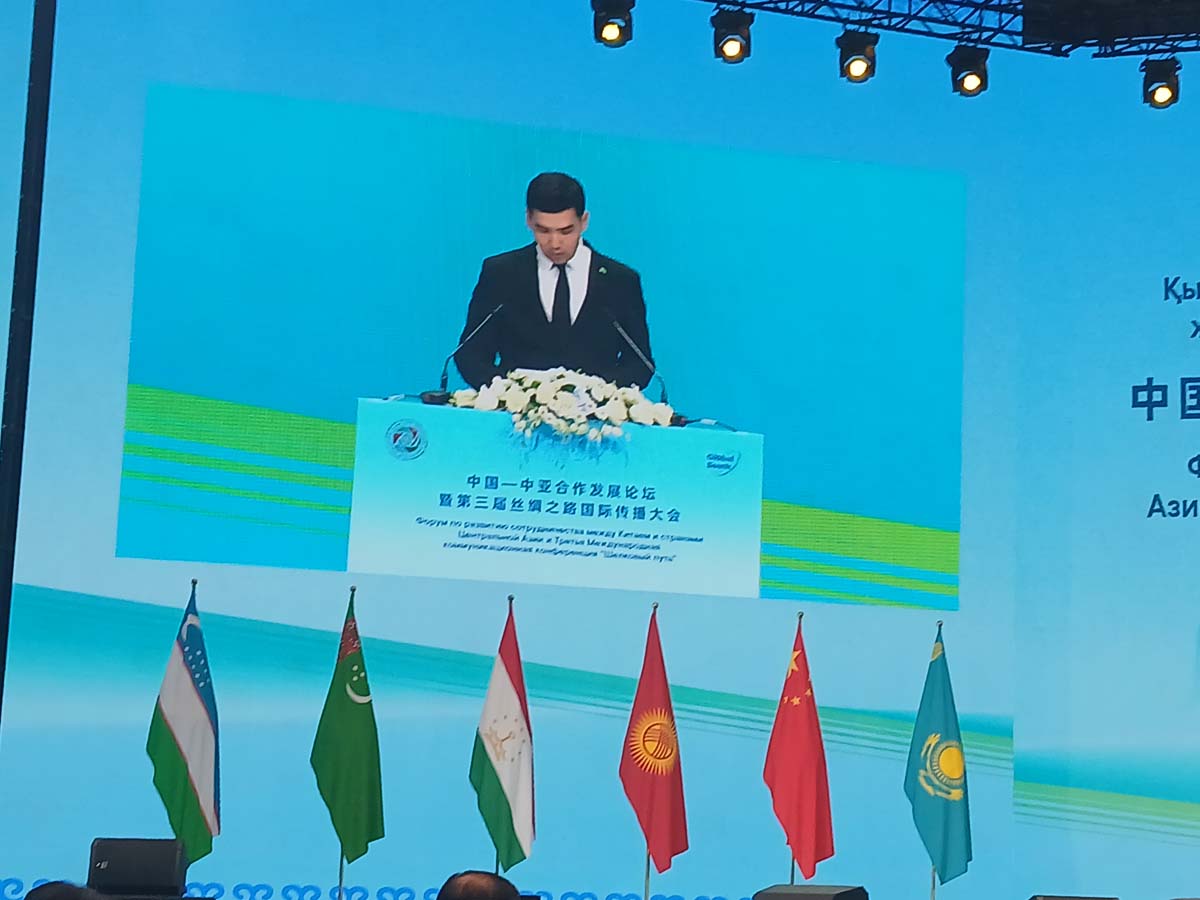
Assessing the current event, the speakers noted that the forum is not only an opportunity to analyze the level of partnership in the information sphere at the present stage, but also an opportunity to determine the degree of its development in the future and to specify new mechanisms of interaction.
The speeches of representatives from Turkmenistan noted that the Turkmen state, which is pursuing a constructive foreign policy based on the principles of positive neutrality under the leadership of President Serdar Berdimuhamedov, attaches special importance to the development of international cooperation in the information sphere. This area is also one of the priority vectors of multilateral partnership within the "Central Asia-China" format. As it was emphasized, the coverage of important events taking place in our countries and in the world, as well as the exchange of best practices in the media sphere, fully correspond to the high ideals of partnership, which has become dynamic in recent years.
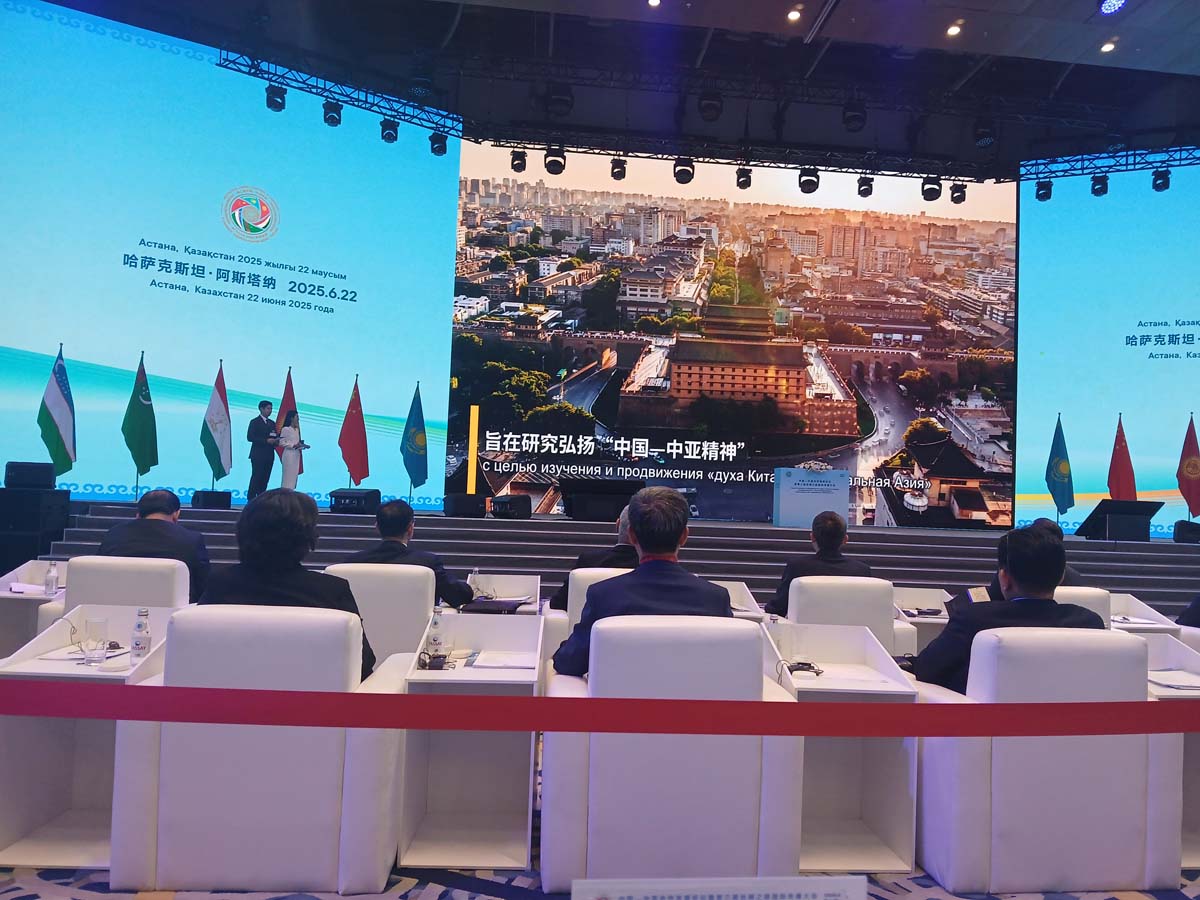
At the same time, the emphasis was placed on the importance of Turkmenistan's strategy "The Revival of the Great Silk Road" and the Chinese initiative "One Belt, One Road", which contributes to the implementation of large–scale projects of regional and interregional importance. In this context, it was emphasized that Turkmenistan's energy and transport diplomacy, as well as the diversification of cooperation areas, have a significant impact on the implementation of key infrastructure initiatives. The Turkmenistan–Uzbekistan–Kazakhstan–China gas pipeline and the "North–South" transport corridor are good examples of this.
During the forum, it was noted that in the era of digital transformation, when the global media space is facing unprecedented challenges, from fakes to a crisis of trust in traditional sources of information, collaboration is becoming particularly relevant. In this context, media cooperation is considered not as an auxiliary area, but as one of the main elements of sustainable development and mutual understanding between China and Central Asia. At the same time, the common goal of all participants is sustainable development and a common future.
As noted, the current Forum is intended to become an important page in the history of humanitarian exchanges between China and Central Asia and to lay a solid foundation for further deepening cooperation. In this regard, the importance of the joint desire to make a significant contribution to building a closer format of cooperation between China and Central Asia was noted.
Based on the importance of further strengthening cooperation in the field of mass media, the forum participants announced a number of specific initiatives. In particular, proposals were put forward for the implementation of joint media projects, including the creation of documentaries and analytical materials about the commonality of history and cultural heritage, and for coordinating activities within international organizations to promote coordinated information strategies. According to the unanimous opinion of the forum participants, the practical implementation of constructive ideas will contribute to strengthening the bonds of friendship and cooperation between the six states and the prosperity of the peoples of the region. In other words, the forum in Astana once again confirmed that the countries are striving not just for partnership, but for building a unified strategic architecture for the future.