




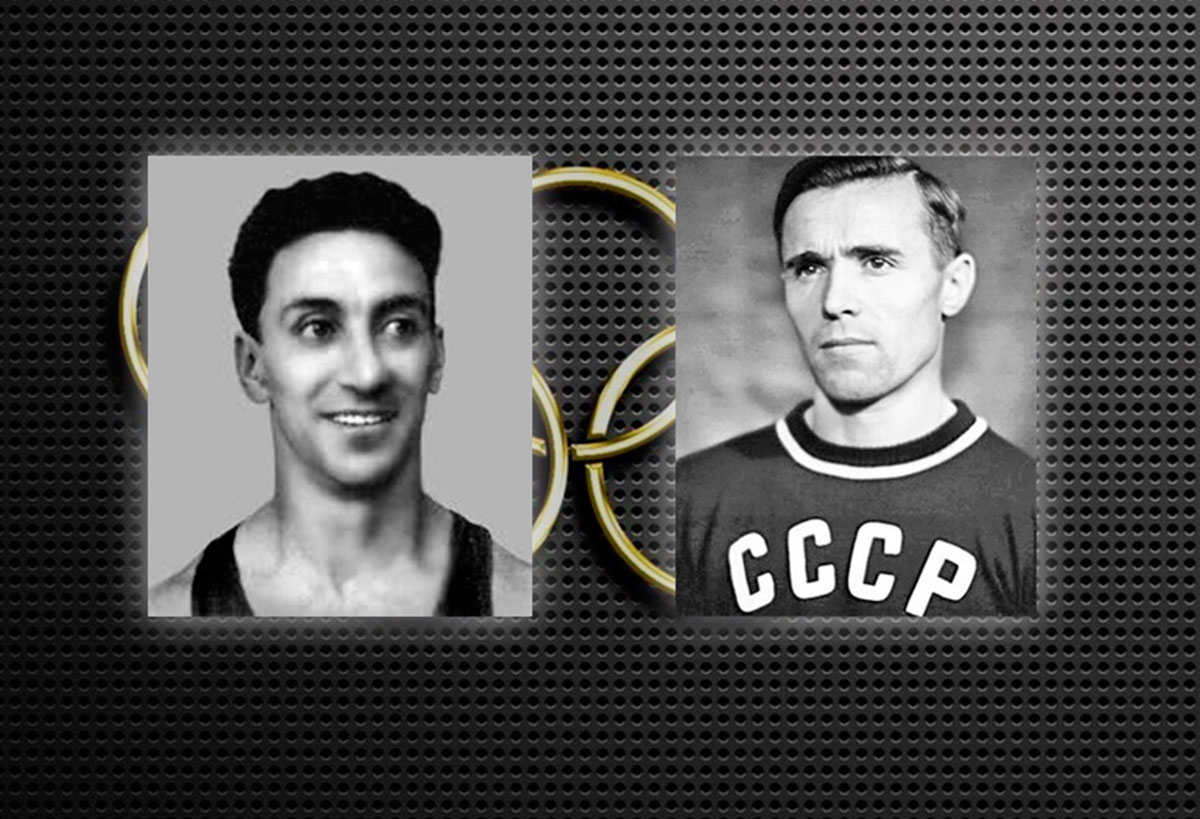
This year marks exactly 25 years since the passing of the famous gymnast Adjatulla Muradovich Ibadulaev. The editorial team of Zolotoy Vek (“Golden Age”) has often told the stories of natives of Ashgabat who became outstanding personalities, bringing fame both to themselves and to Turkmenistan. The name of Adjat Ibadulaev, new to today’s generation of readers, surfaced, as often happens, quite by chance.
In a Russian TV program about the celebrated gymnast Viktor Chukarin, it was revealed that one of his first coaches and close friends was a native of Ashgabat, the Turkmen gymnast Adjat Ibadulaev. For the author of these lines, who once practiced gymnastics, and for many Turkmen, the name of this celebrated compatriot came as a pleasant surprise, if not a revelation.
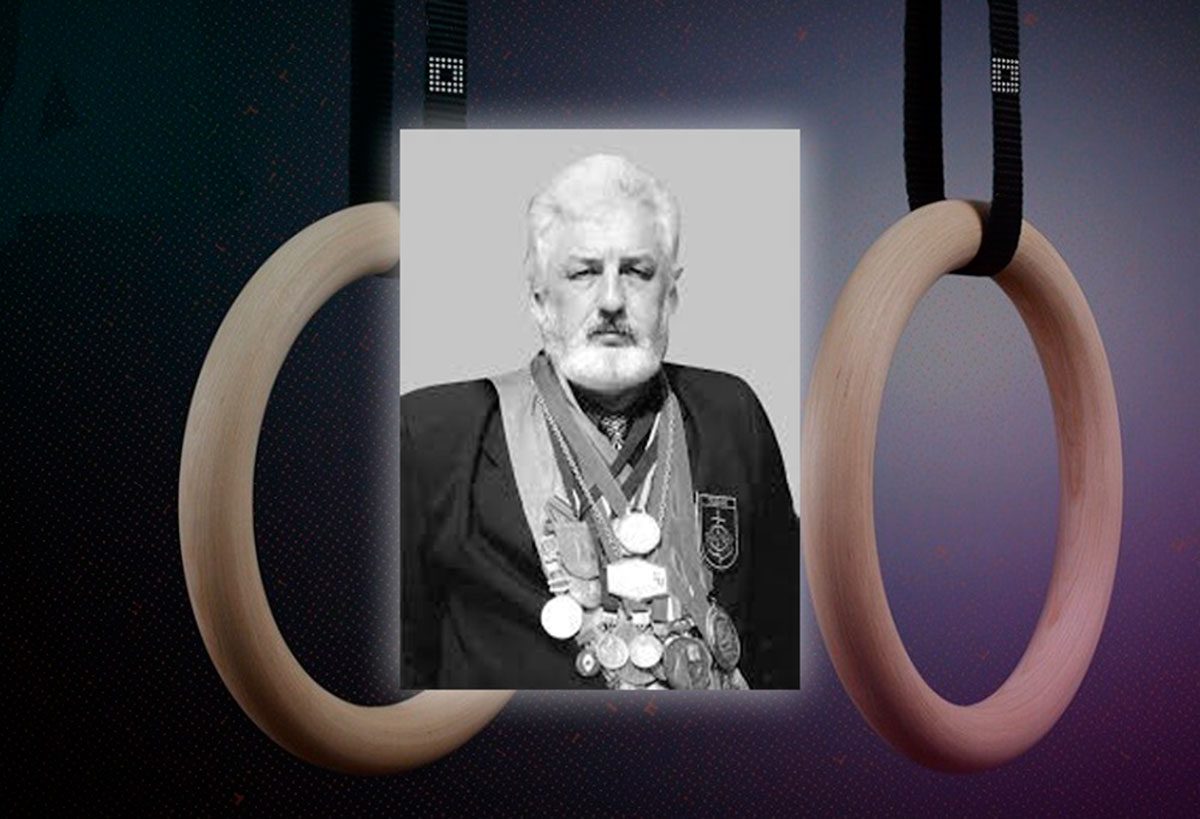
Researching our fellow countryman proved not easy. There were no records of his relatives, no photographs of Adjat Ibadulaev himself. Inquiries to sports organizations and archives were also unhelpful, but collecting even small pieces of information about him was essential. Internet searches helped restore some lost and almost forgotten details, and several photographs of Adjat—both in his youth and adulthood—were found.
Adjatulla Muradovich Ibadulaev was born on March 28, 1911, in Ashgabat. His full name, Adjatulla Muradovich Ibadulaev, reflects a blend of Turkic-Arab roots. The ancient Turkic element “ulla” is used in name formation, while “Ibadula” (derived from “Hibatulla” in Arabic, meaning “God’s gift”) suggests a long-awaited and cherished child. Over time, “Ibadul” became the family name Ibadulaev. This name seemed prophetic: Adjatulla was born with the gift of a champion—and he became one, repeatedly. Moreover, he trained protégés who, like him, remained undefeated.
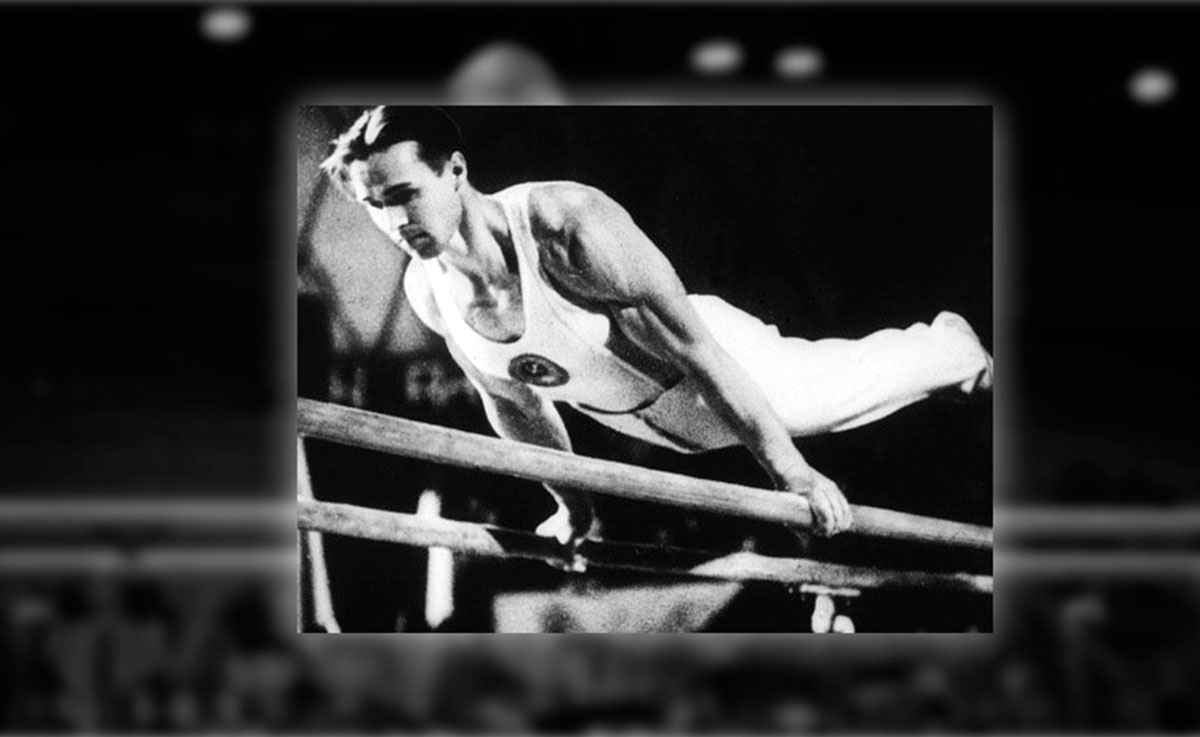
From childhood, Adjatulla, a strong-built boy, was drawn to sports. In his youth, Ashgabat’s sporting scene thrived, especially cycling and wrestling, but he chose gymnastics. His dedication paid off: by the age of 28, he became the Soviet Union champion on his favorite apparatus—the rings. Any gymnast knows the physical strain of performing on the rings. Adjatulla’s natural talent allowed him to remain undefeated on this apparatus, and the special strength exercises he developed would later help train his students. He also created a unique technical style for exercises on rings and the horizontal bar. Among the first gymnasts to use strength training, he enhanced endurance and pioneered two daily training sessions for his students.
From 1939 through the 1950s, Ibadulaev became a multiple-time champion of the Soviet Union on various apparatuses. He remained undefeated. After the war, circumstances led him to Ukraine, where he honed his coaching skills. There, fate brought him together with Viktor Chukarin, with whom he had often competed.
Chukarin’s life mirrored Ibadulaev’s in many ways: both came from difficult families, both survived the war, and both were passionate about gymnastics. From a young age, Chukarin practiced on a makeshift bar in a dusty yard, striving to master difficult exercises. After finishing school with excellent grades, he enrolled in the Kiev Physical Culture College, where he met Ibadulaev. By then, Ibadulaev was a two-time absolute Soviet champion. He trained with Chukarin, helping the young athlete adapt to rigorous demands.
Two daily training sessions brought rapid results. Ibadulaev encouraged him: “I am ten years older than you, but I never yield at the USSR championships. Build your strength—look at your weak muscles. You can become a leader. I will gladly give you a place on the podium.” In 1948, Chukarin won the Ukrainian championship, and the following year, he became the absolute champion of the Soviet Union, holding the title for over three years. This was the result of relentless training with Ibadulaev. Chukarin performed exercises of extraordinary difficulty with complete calmness—a near miracle, considering he had survived war, captivity, and concentration camps. His indomitable spirit also carried him through the Olympic Games, where opponents often said: “There’s no way to beat this guy…”
Chukarin went on to compete at the Helsinki 1952 and Melbourne 1956 Olympics, winning gold. After his stunning victory in Melbourne, he retired undefeated, with a total of 11 Olympic medals: seven gold, three silver, and one bronze.
These remarkable gymnasts—Ibadulaev and Chukarin—were and remain undefeated. Isn’t that alone reason enough for them to be remembered and honored?


