


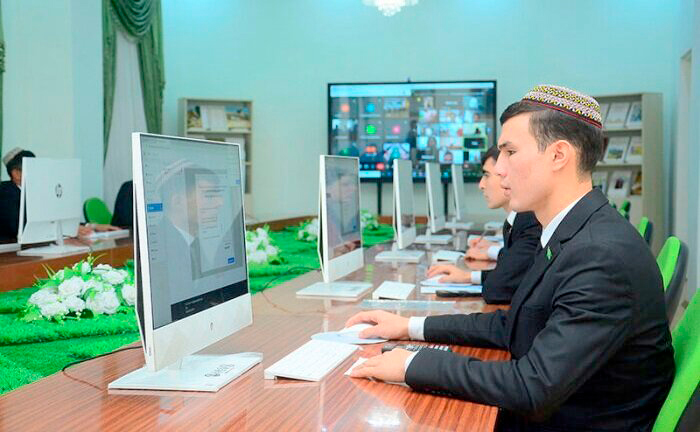
In the modern information society, where misinformation, fakes, and manipulation become everyday realities, it is important to be able to critically evaluate information and apply analytical skills.
The most vulnerable group in the context of the spread of radical ideologies is youth. The information environment significantly influences the formation of worldview, value systems, and life orientations of teenagers and young people. In this regard, the issue of raising the level of media literacy among the younger generation becomes particularly relevant.
How to reflect external threats, distinguish reliable media content, and resist propaganda of violent extremism — these questions became key topics in a training organized by the OSCE Centre in Ashgabat together with the OSCE Secretariat’s Action Against Terrorism Unit.
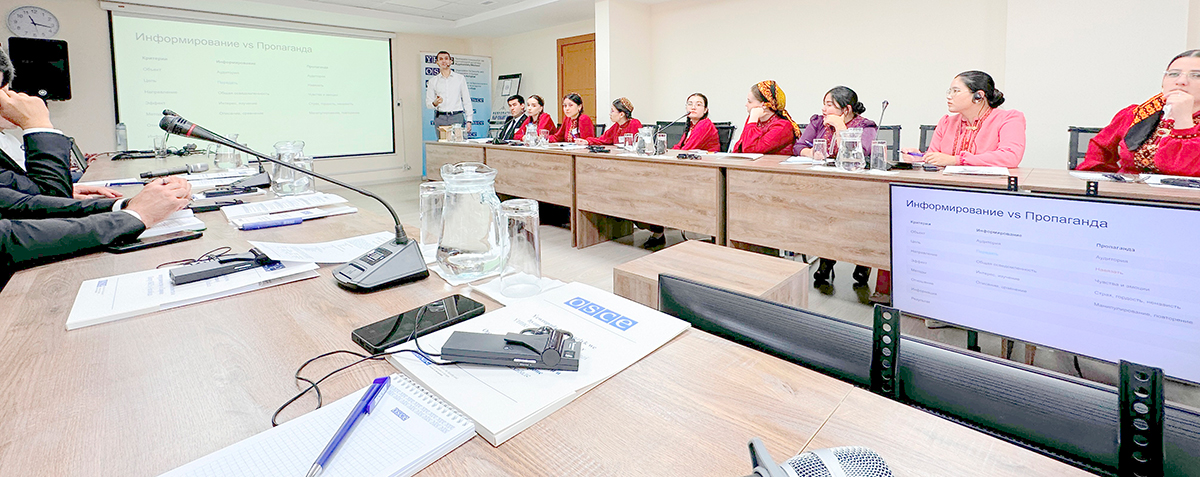
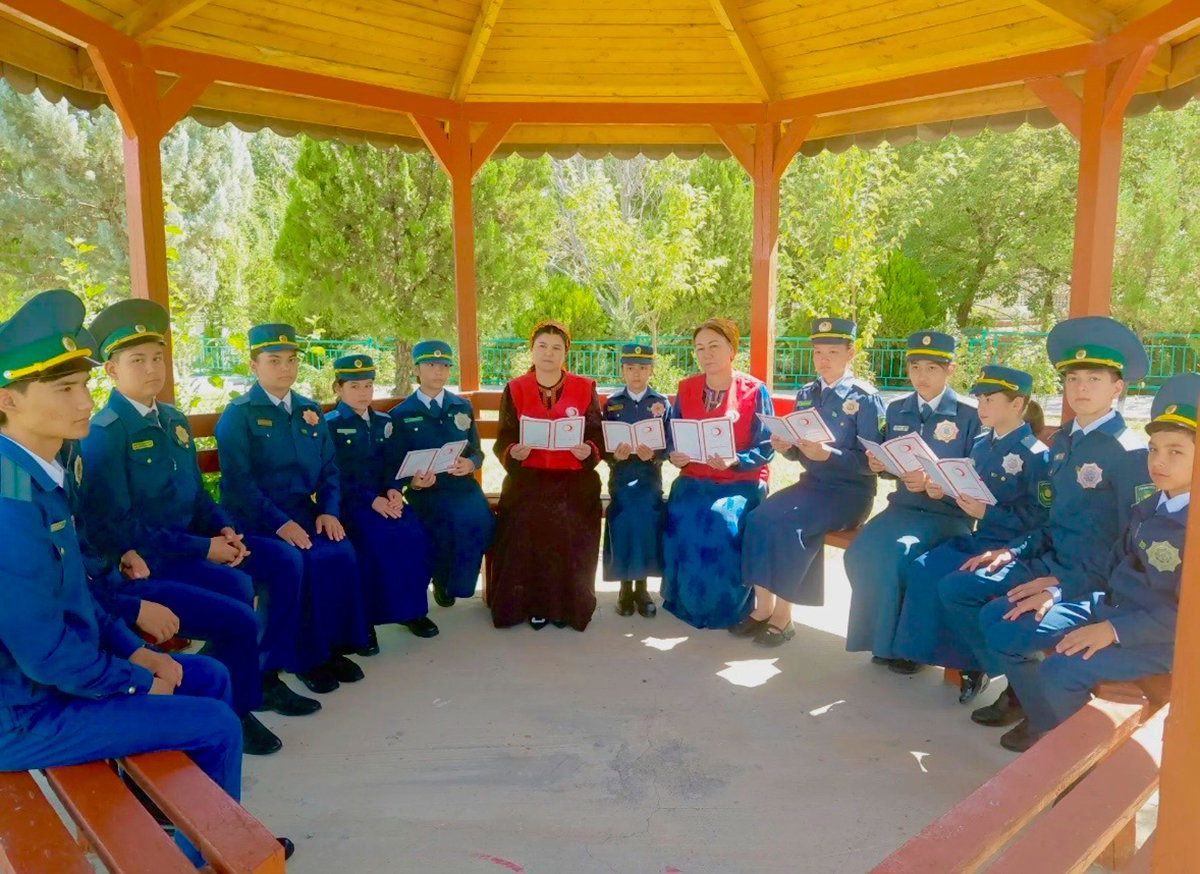
The training participants were students — future journalists and lawyers, as well as representatives of the Youth Organization, the National Red Crescent Society of Turkmenistan, and local public organizations.
Over the two days, attendees got acquainted with presentations by international and national experts, performed practical tasks in working groups, mastered tools to improve media literacy and analytical skills. They also studied methods to counter extremist and illegal content online with regard to fundamental human rights, including freedom of expression.
One of the most active sessions was the discussion of the importance of critical thinking in the context of the rapid development of artificial intelligence (AI) and its impact on the media space. The knowledge gained will help participants navigate the information flow more effectively and resist destructive influences.
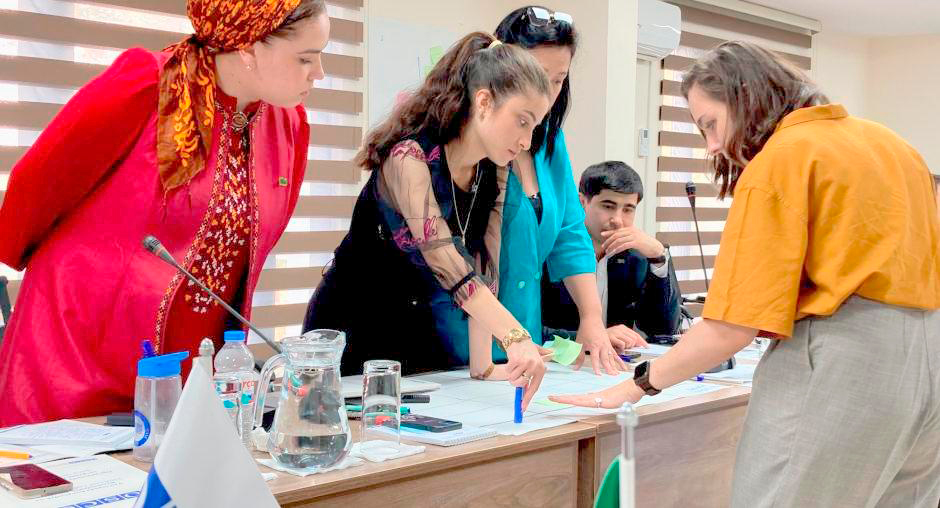
Invited experts — Dovran Halov (Turkmenistan) and Anastasia Reshetnyak (Kazakhstan) — noted that the ability to determine the reliability and trustworthiness of information, to distinguish facts from opinions, is a skill that can and should be developed.
The event was held following a media literacy course organized by the OSCE for representatives of national media and government institutions of Turkmenistan. The course focused on current trends in the media field. It is based on a curriculum developed within the framework of the project "INFORMED: Information and Media Literacy in Preventing Violent Extremism. Human Rights and Gender-Sensitive Approaches to Addressing the Digital Information Disorder."