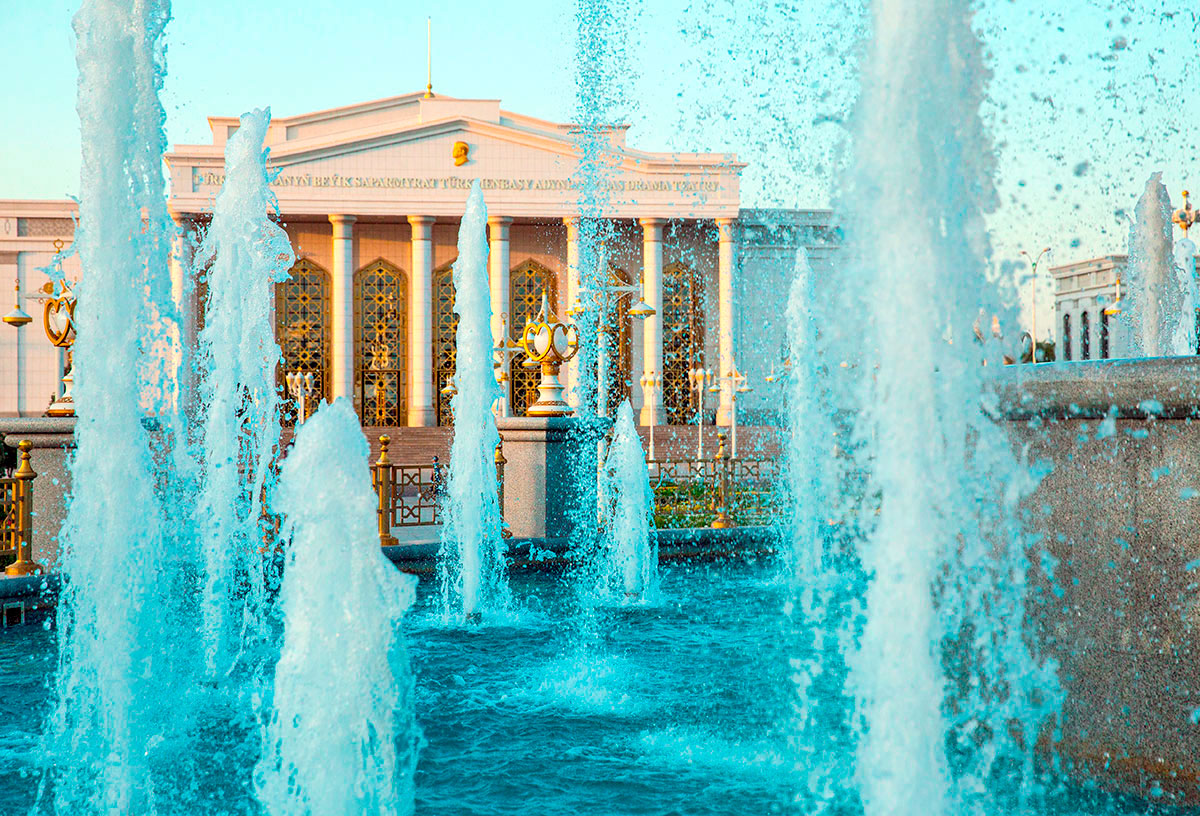



The National Magtymguly Music and Drama Theatre hosted a memorial evening for the beloved poet Gurbannazar Ezizov, who would have turned 85 this year. Yet fifty years ago, he tragically passed away—young and immensely talented. Despite his short life, he left behind a significant literary legacy.
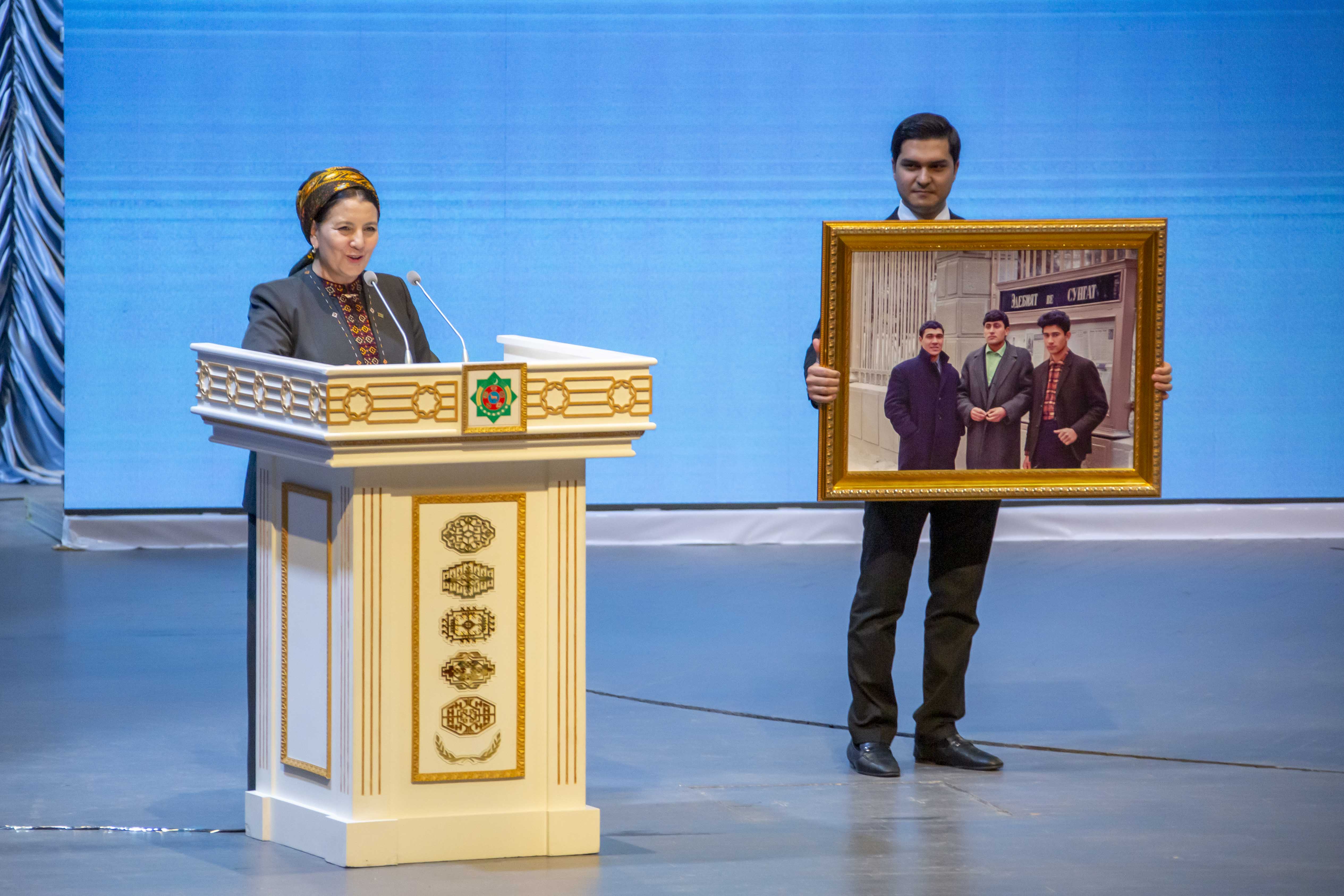
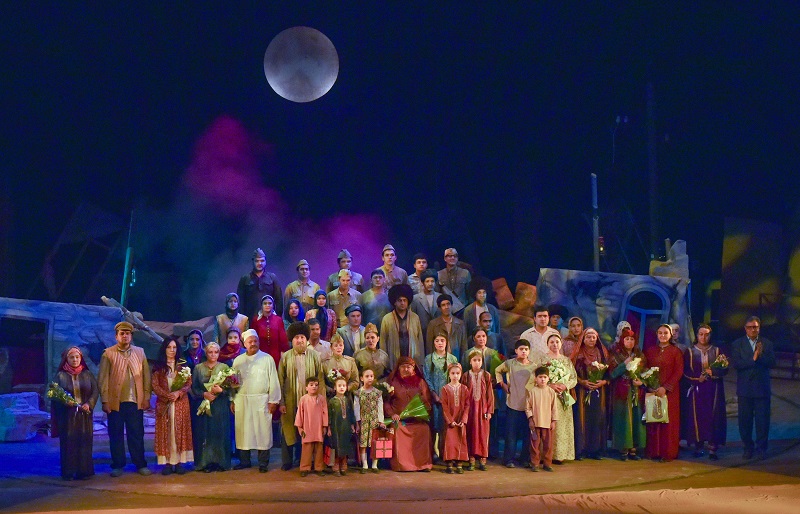
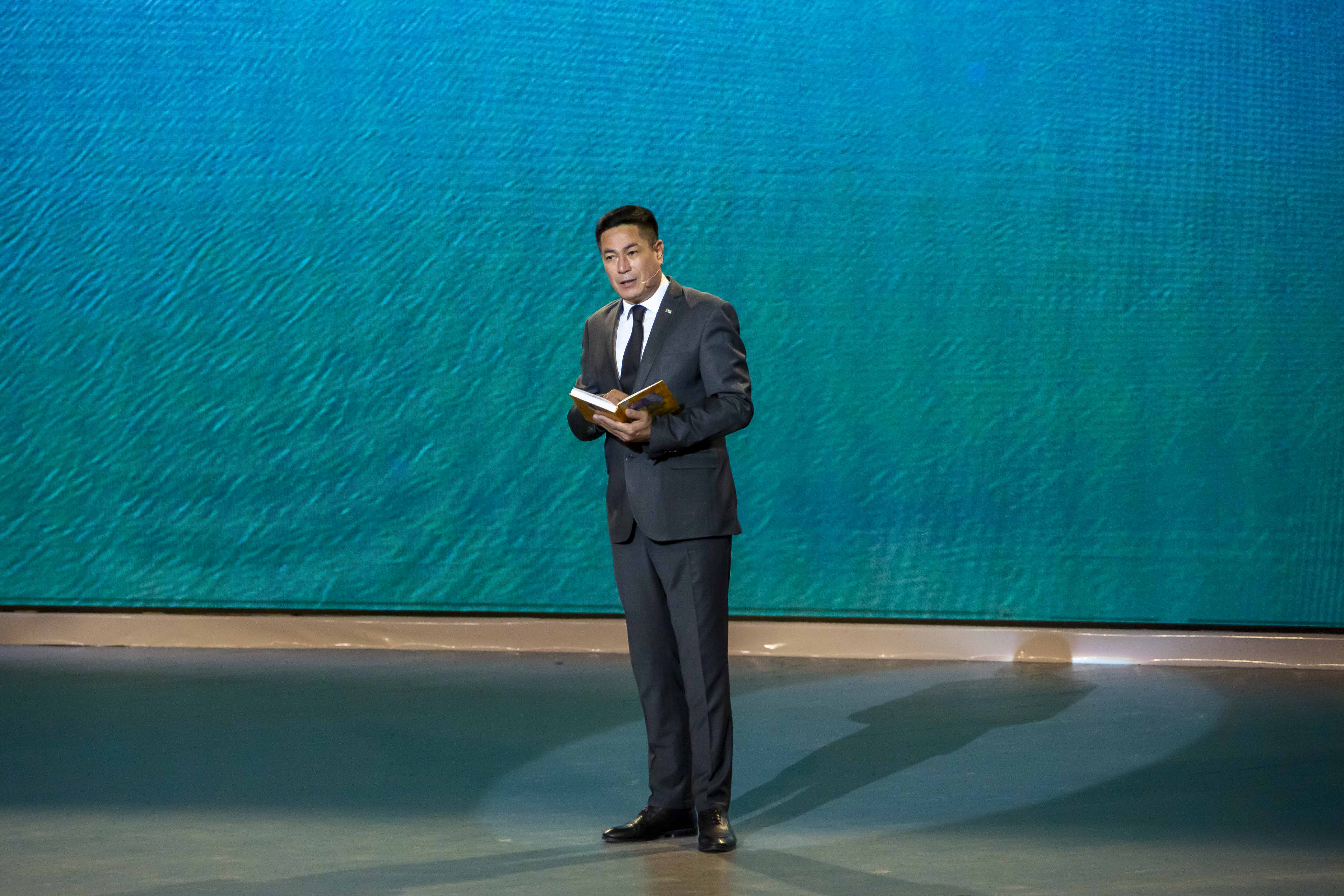
Students, cultural workers, and admirers of Gurbannazar Ezizov’s work gathered in the theatre hall to honor the poet’s memory. Actors from the Main Academic Drama Theatre and the National Magtymguly Music and Drama Theatre presented theatrical scenes from the poet’s life.
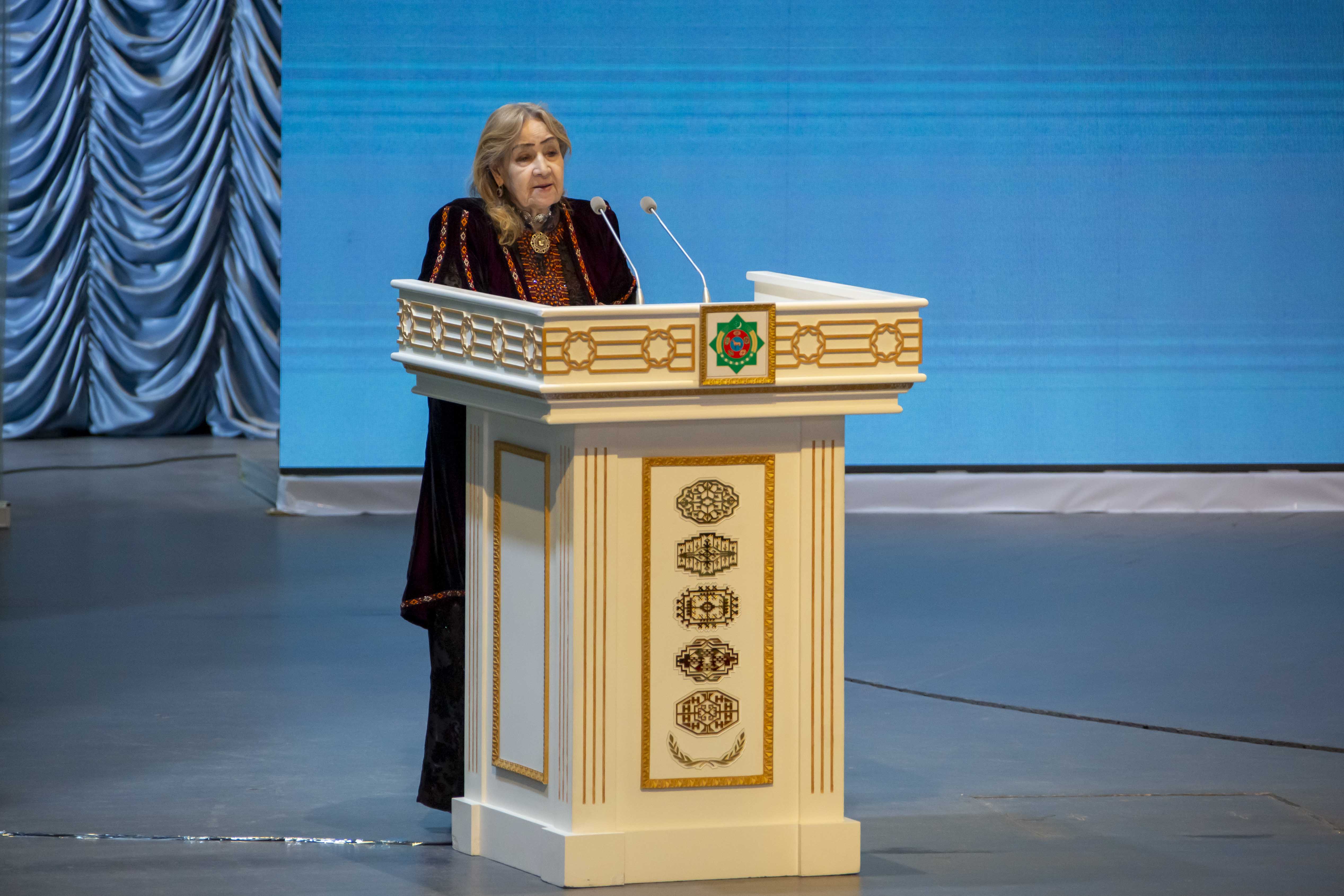
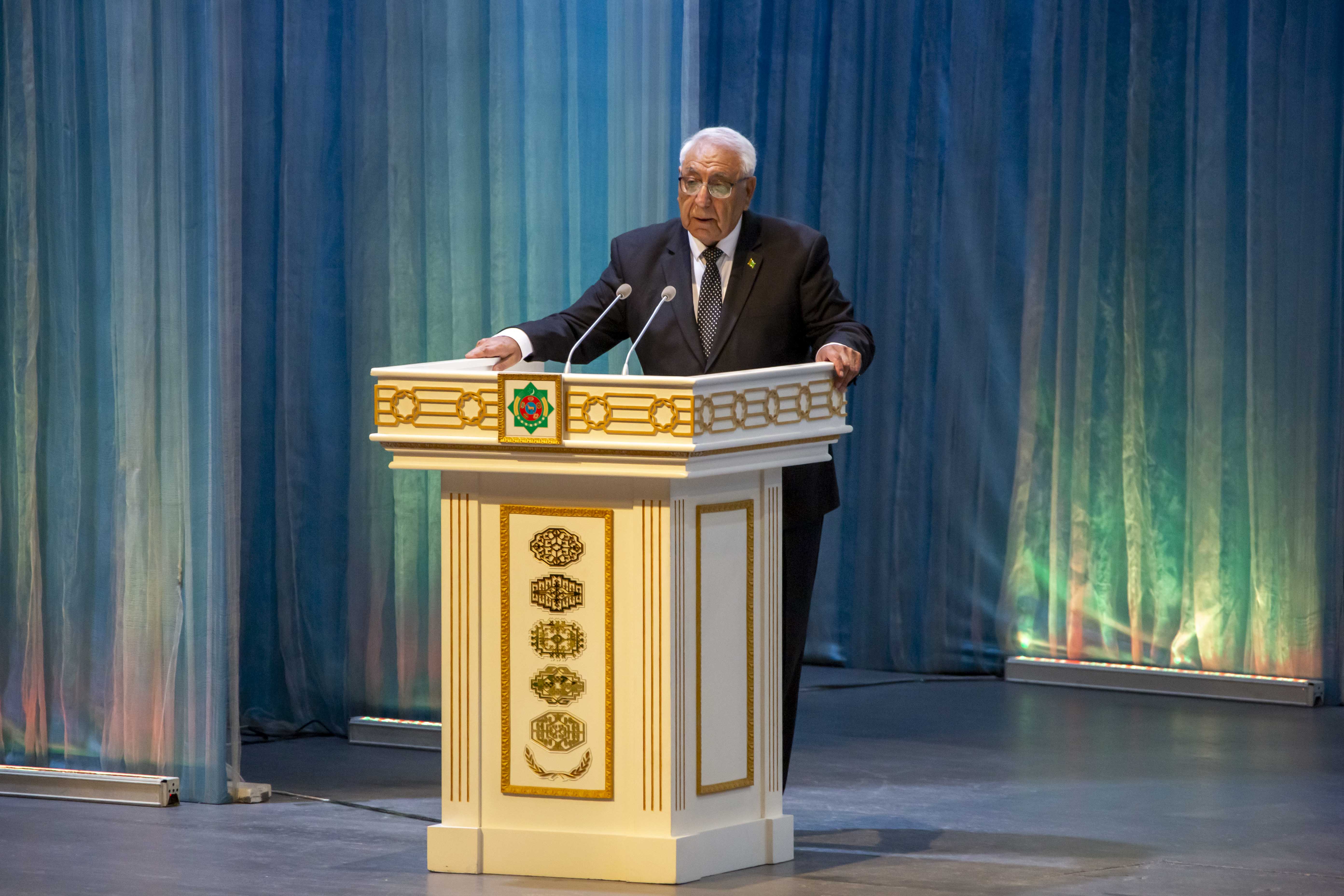
Warm words were heard from the stage in the stories of those who had the good fortune to study or work side by side with Gurbannazar Ezizov. Many of them are now over 80. Among the speakers was Hero of Turkmenistan GozeI Shagulyeva, who told the audience about the pivotal role Gurbannazar Ezizov played in her creative life. He carefully read the handwritten poems of the young housewife and believed in her talent. That faith helped GozeI Shagulyeva become an outstanding poetess.
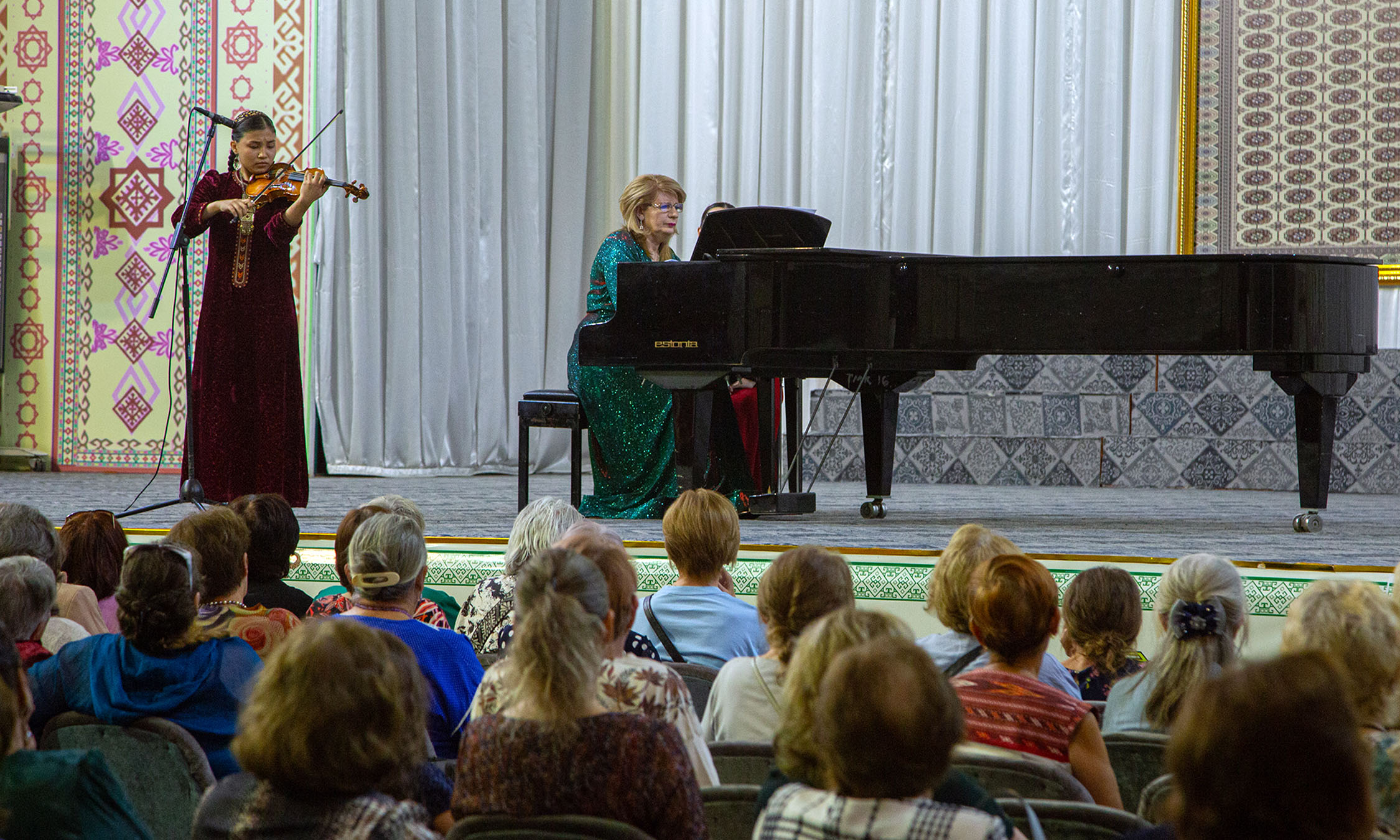
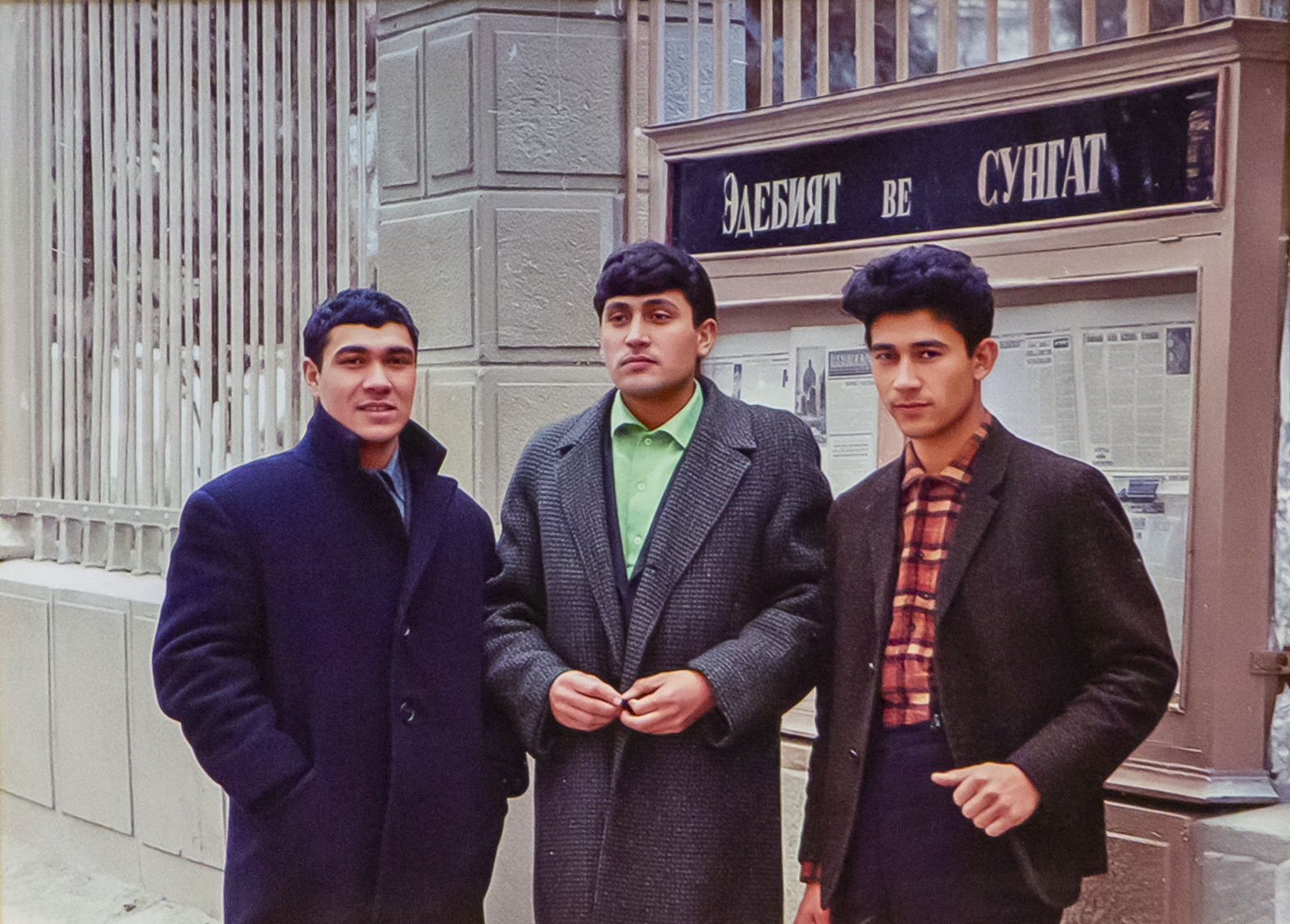
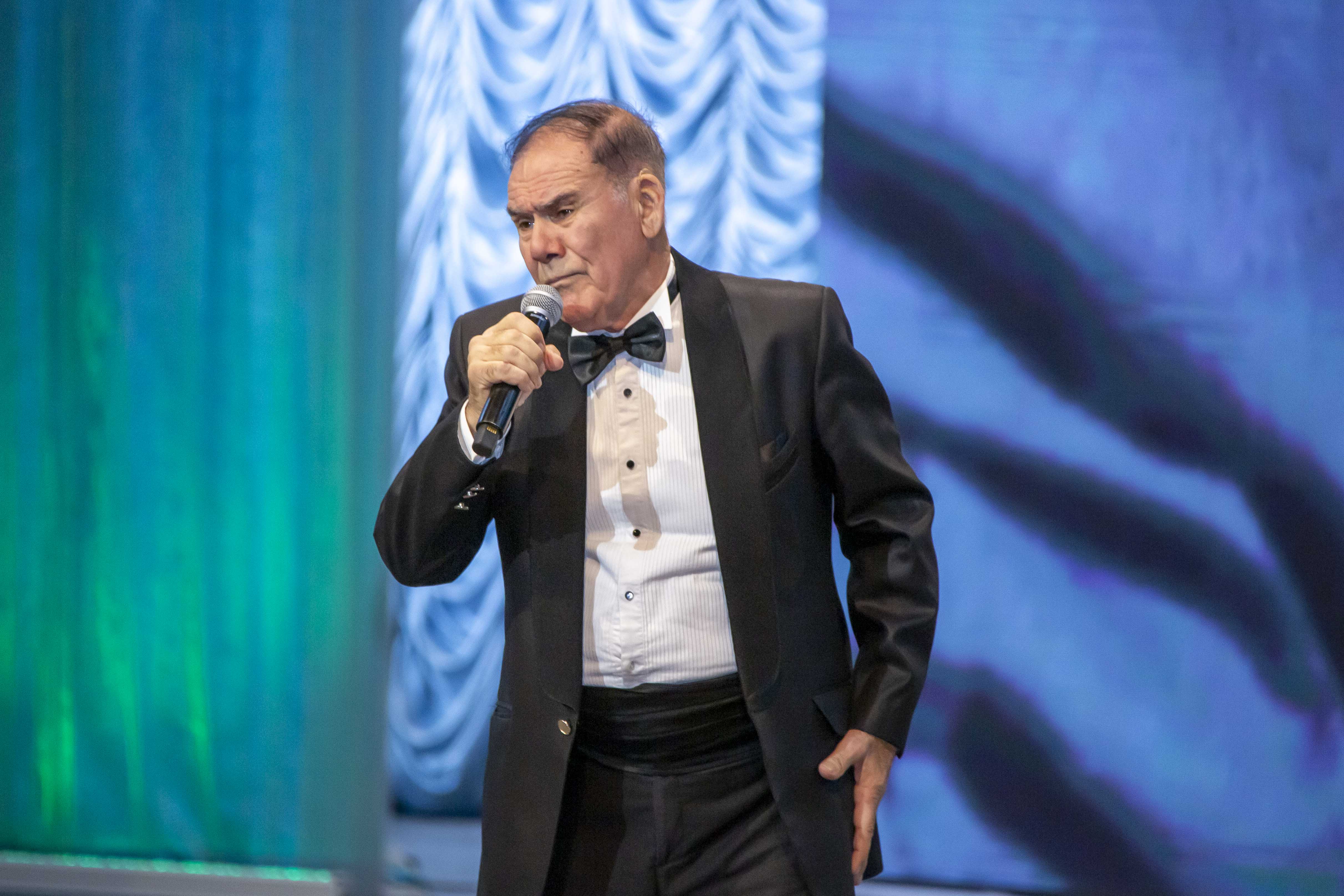
A video clip displayed photographs from the family archive. Particularly touching were the photos of the poet’s daughters, appearing on the screen accompanied by the song “Gyzlaryma” performed by People's Artist of Turkmenistan Atageldi Garyagdyyev. According to many listeners, in this poem Gurbannazar Ezizov expressed thoughts that live in the heart of every father of daughters.
During the evening, songs based on Gurbannazar Ezizov’s poems—“Uzak ýaýlada enäniň hümdisi”, “Dostlaryma”, and “Topragym”—were also performed. They were sung by People's Artists of Turkmenistan Lyale Begnazarova and Atajan Berdiyev, and Honored Artist of Turkmenistan Batyr Charyyev.

Often, in the video clip, the autumn sky was crossed by a wedge of cranes—birds that are associated with sorrow in folk tradition and that often found their way into the poet’s lines.
And yet, the evening dedicated to Gurbannazar Ezizov ended on an optimistic note. As the poet's daughter Yazgul Ezizova was sharing her memories of her father at the podium, two of her grandchildren approached with bouquets of flowers. These children, the great-grandchildren of Gurbannazar Ezizov, were warmly greeted with applause by the audience. Soon after, images of the grand construction projects in Turkmenistan appeared on the screen. Among the residents of the high-rise buildings, there are hardly any who are not familiar with the poetry of Gurbannazar Ezizov.
A bronze bust of Gurbannazar Ezizov has been installed in the historic center of Ashgabat—in the shady “Ylham” (“Inspiration”) Park. The bust holds a place among monuments to the celebrated sons of the Turkmen nation, of whom the people are proud.