


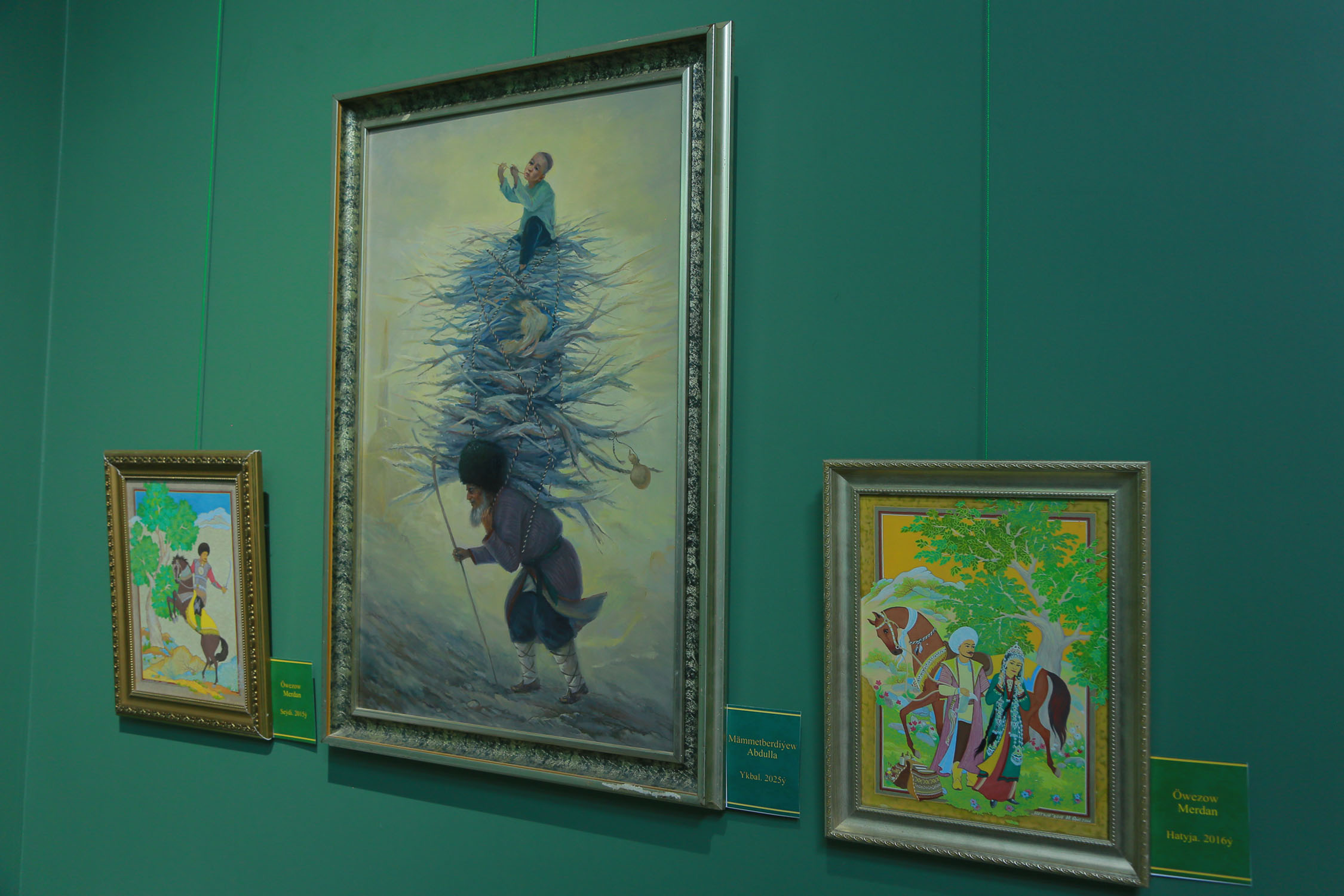
The Art Gallery of the Union of Artists of Turkmenistan opened an exhibition of Turkmen miniature art, dedicated to the 30th anniversary of Turkmenistan’s status of permanent neutrality. Five masters presented their creative works: Lachin Toyliyeva, Merdan Ovezov, Serdar Hudayberdiyev, Rovshen Chopanov, and Abdulla Mammetberdiyev.
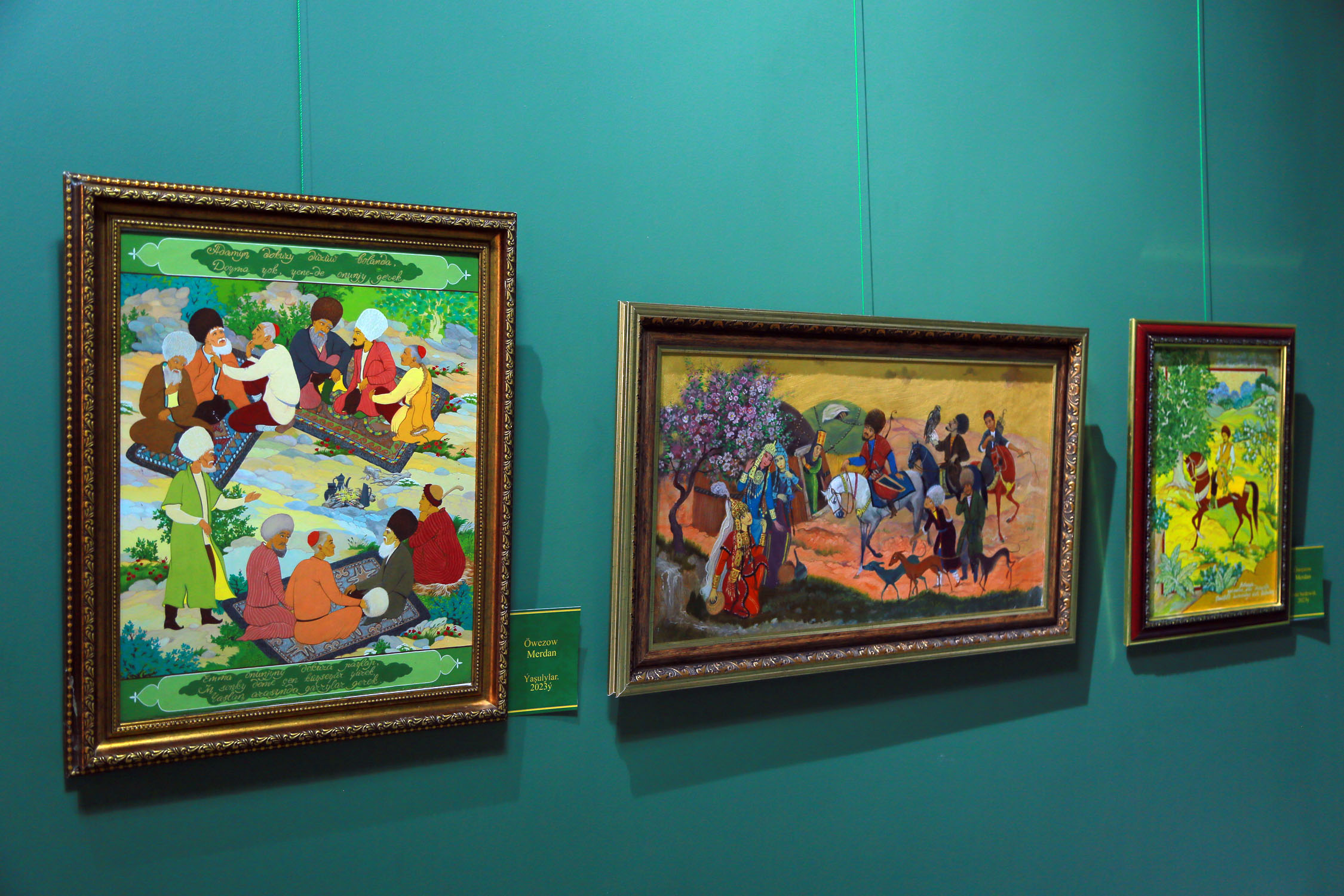
The artists’ works are executed in the techniques of classical and medieval miniature painting, yet they demonstrate a fresh vision and an innovative approach. The authors carefully observe ancient artistic canons while boldly bringing in new trends, experimenting both with materials and with techniques.
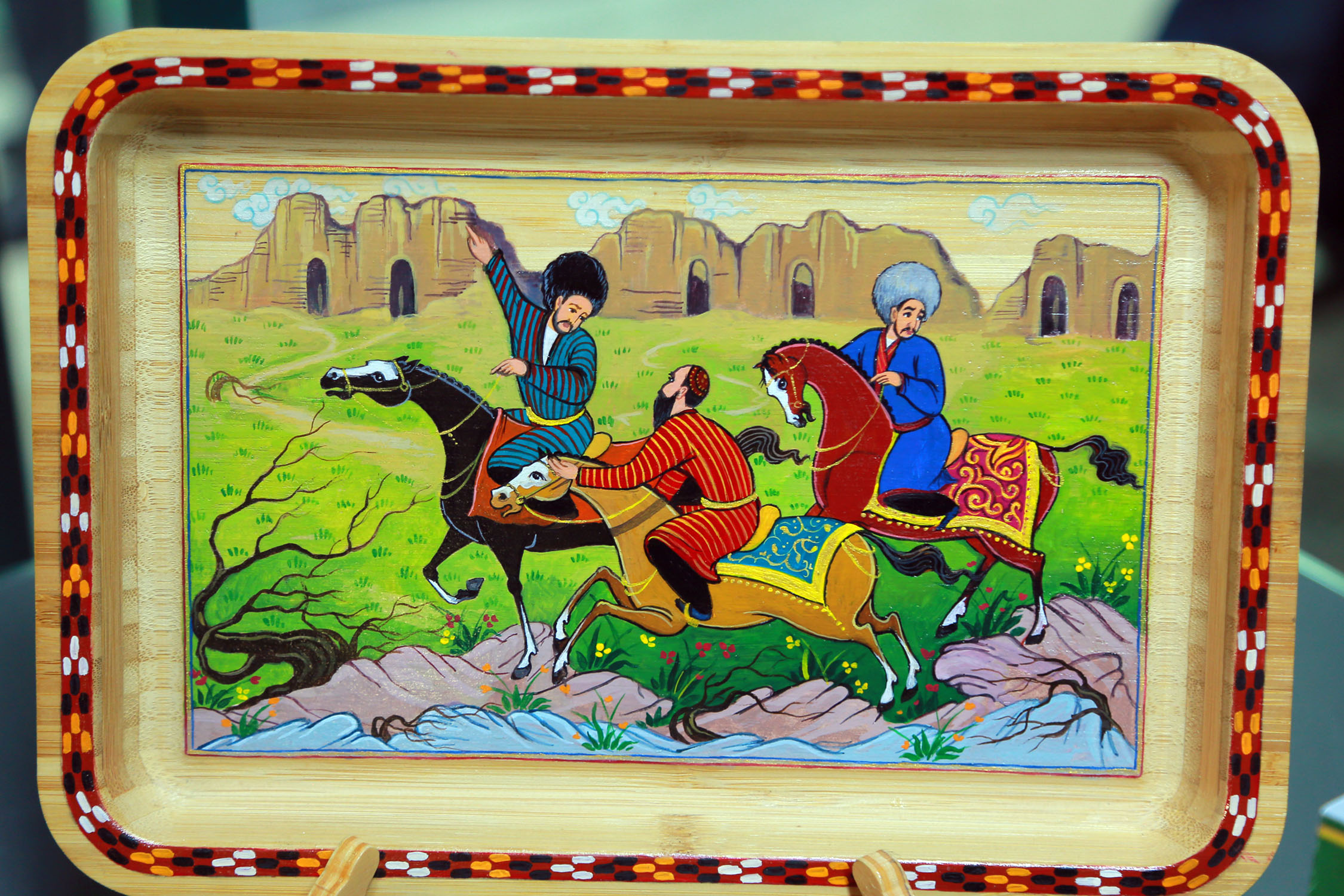
Traditionally, the primary material is paper, however modern Turkmen masters are expanding boundaries by working on parchment, cardboard, wood, and canvas.

For example, Lachin Toyliyeva and Abdulla Mammetberdiyev actively use treated wooden boards, creating independent pieces with a strong design accent. These works, often depicting scenes from Turkmen fairy tales and customs, are perfect for decorating contemporary interiors. The national patterns present in all the works serve as direct references to the rich historical and cultural heritage of the Turkmen people.
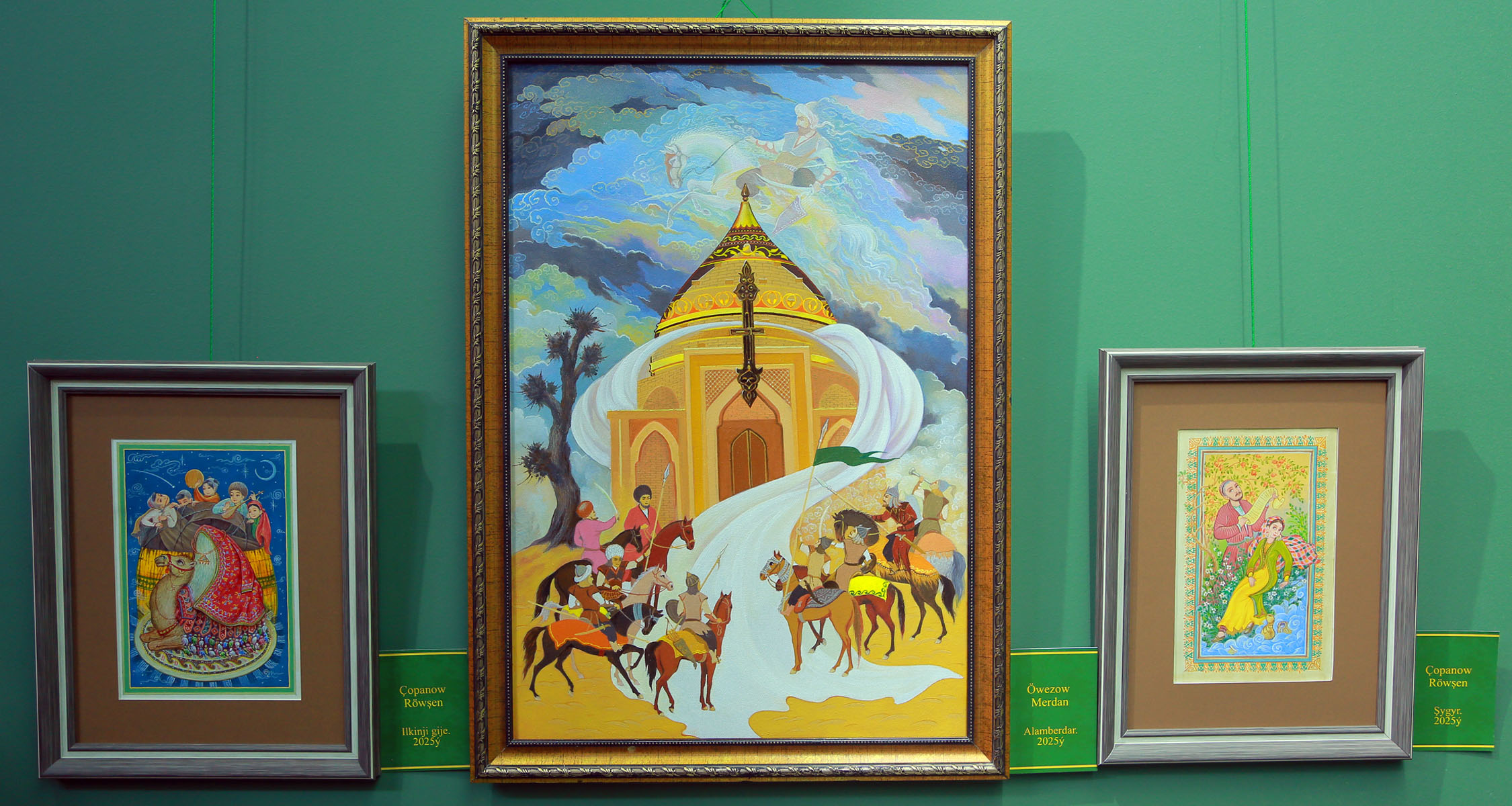
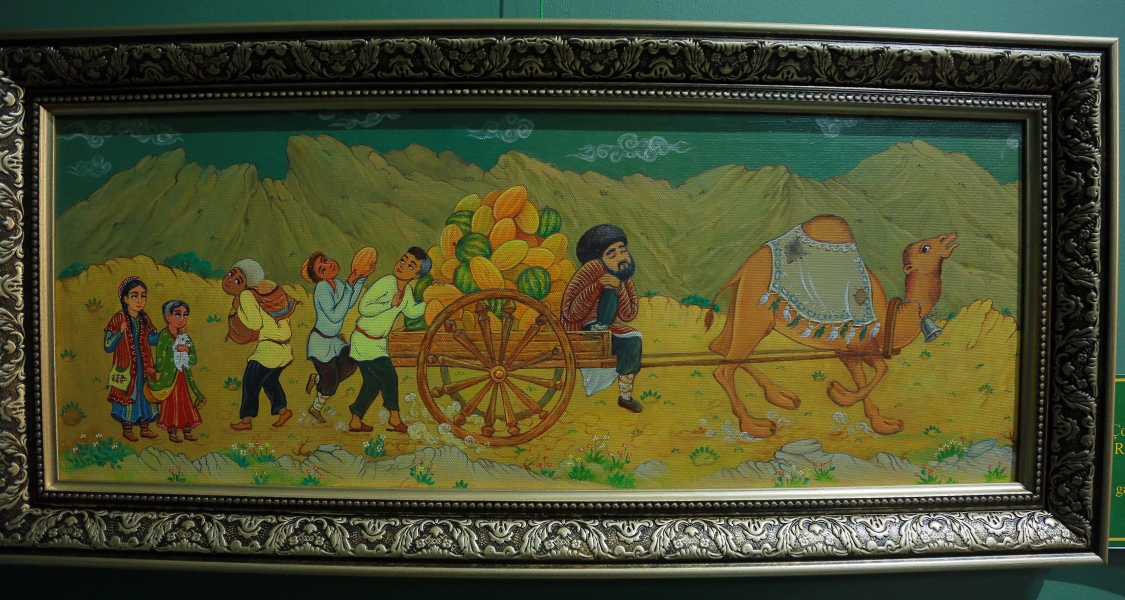
Turkmen artists are not limited to classic watercolor and gouache. They actively work with acrylic and oil paints, which, according to experts, can be considered an innovation introduced by Turkmen masters within the context of miniature art.
“Unlike the medieval practice of using tempera or oil paints only on wooden objects, modern artists show how these materials can enrich miniature painting as a whole. Turkmen miniature has its own unique style, recognized around the world. The famous English art historian and professor William Basil Robinson, who dedicated many works to Eastern art, distinguished it in his research. He called it the Turkmen style or the ‘apple-cheeks’ style,” says art historian Azat Annayev.
This style, which originated in the practices of Merv artists, is characterized by particularly fine detailing and modeling of faces, giving the cheeks a rounded volume. The use of a delicate pink color and its subtle transitions into other shades create the effect of “apple cheeks.”
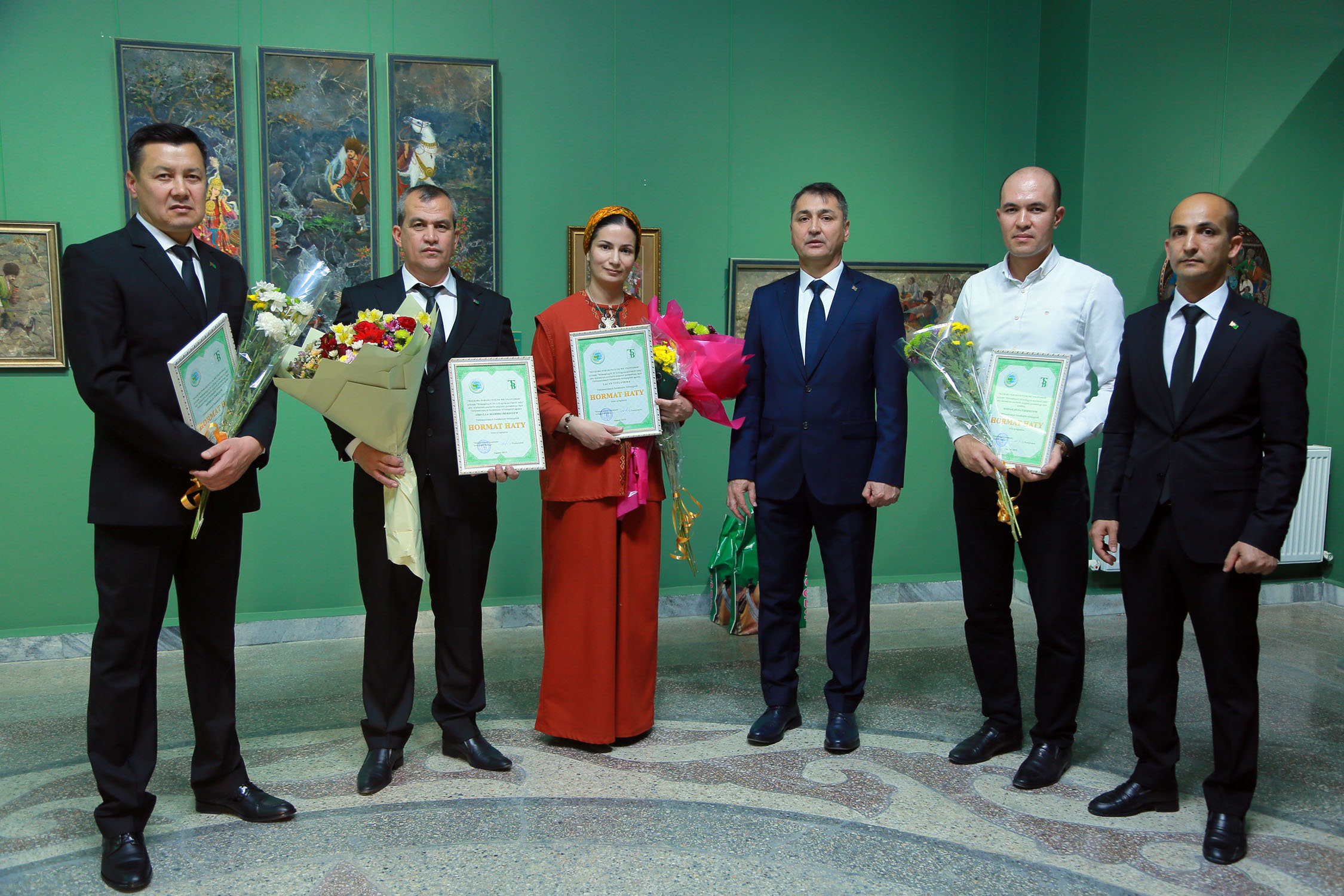
The art of miniature painting in Turkmenistan continues to actively develop and attract attention. This current exhibition, the second in succession, has sparked great interest among visitors and colleagues, who highly praised the mastery and subject matter of the works, which include epics, dastans, and portraits of historical figures.
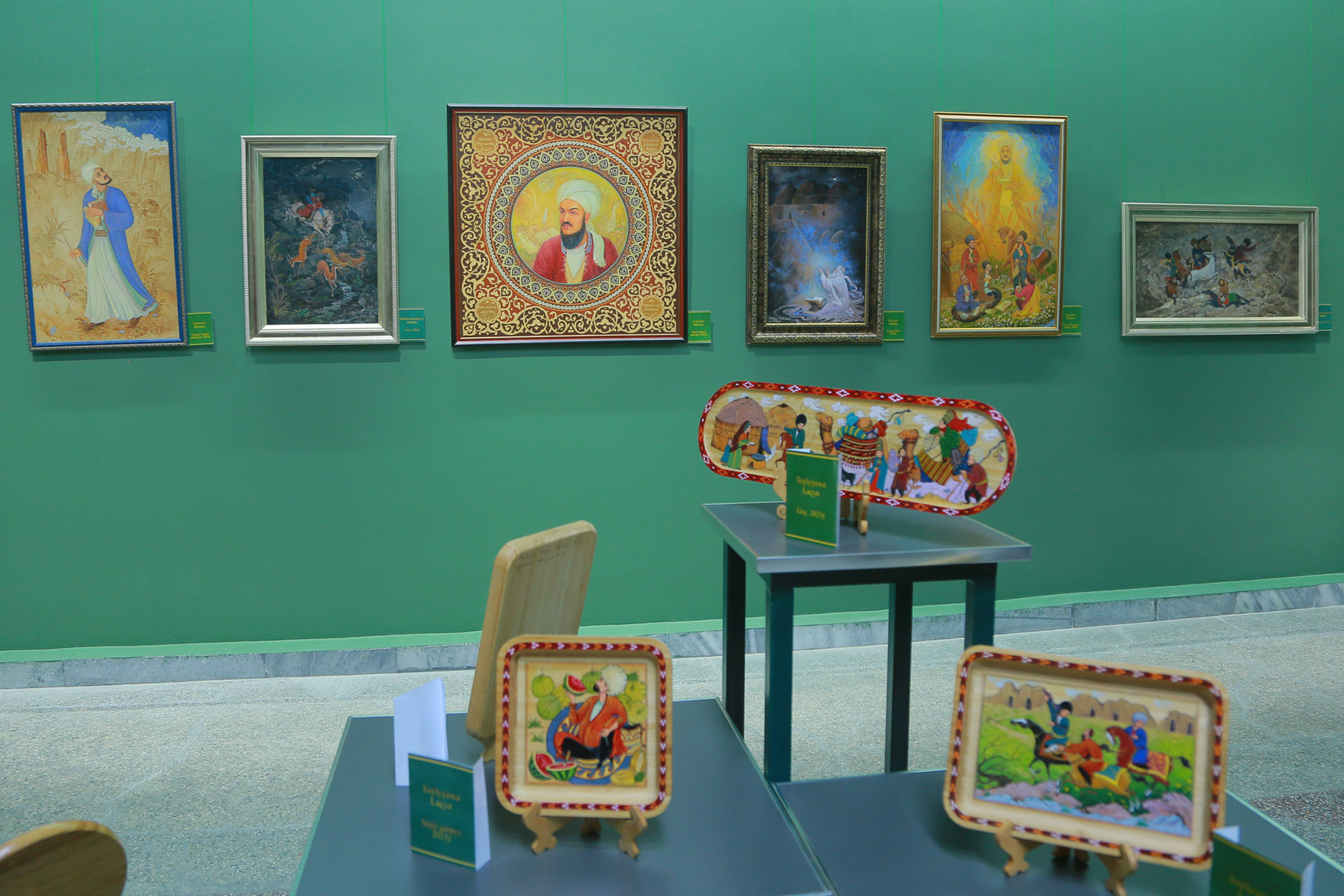
The diverse vernissage confirms that in Central Asia, and especially in Turkmenistan, the traditions of miniature painting are not only being preserved but are receiving new and inspiring development.