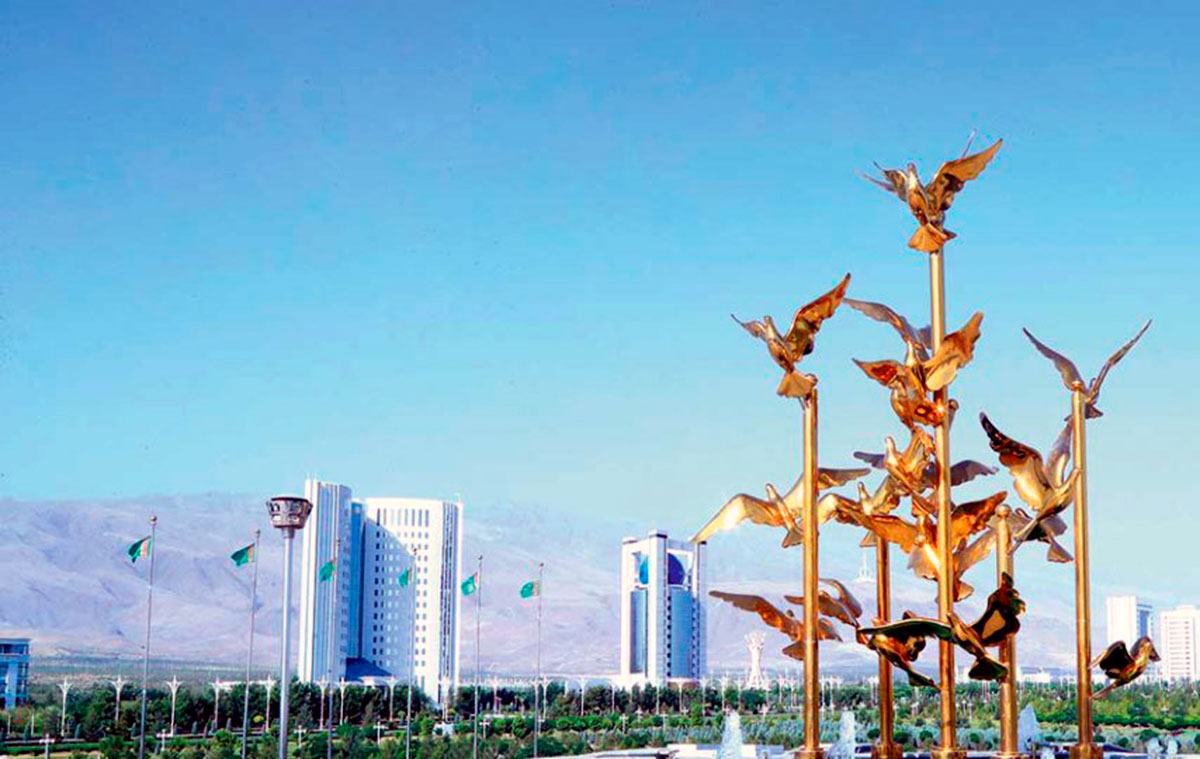



World Migratory Bird Day is celebrated twice a year—on the second Saturday of May and the second Saturday of October—symbolizing the spring and autumn migrations. During these periods, ancient migration routes stretch across cities, the sand dunes of the Garagum Desert, and the Kopetdag Mountains, along which millions of feathered travelers cross continental boundaries.
For the capital's Secondary School No. 55, this holiday, which is usually associated with the scientific and environmental community, has special significance. Under the guidance of biology teacher Anna Shamova, the school runs an environmental club called “Jesur’s Little Yard.” It brings together around 50 students from different grades who are passionate about climate issues, ecology, and environmental protection. A visit to the biology classroom immediately reveals the extent of their involvement. The room is decorated with realistic models and exhibits depicting local wildlife.
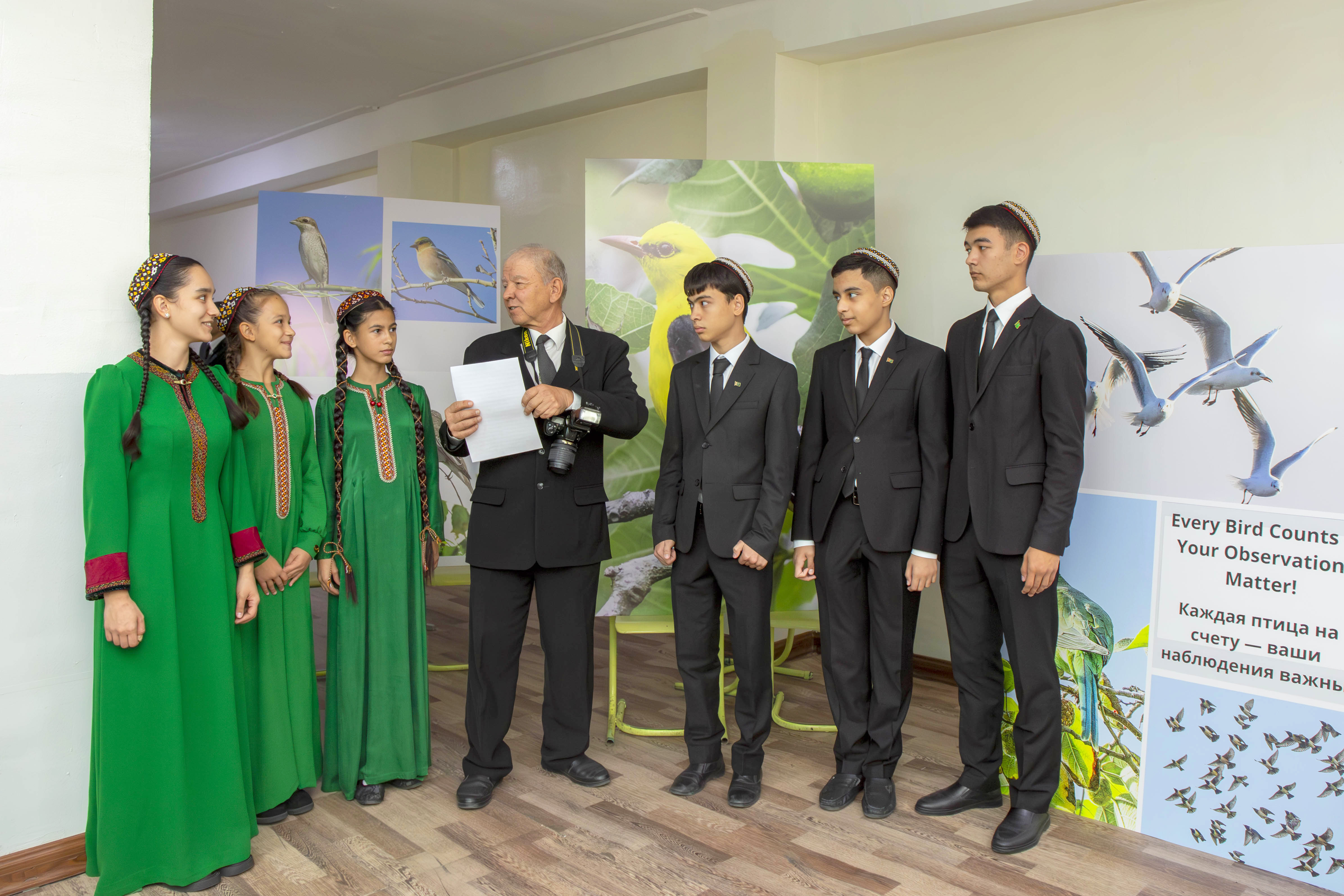
To mark the occasion, the school organized an educational intensive entitled “Every Bird Counts—Your Observations Matter!” The invited guest was Ahmet Tangrykuliev, a photojournalist for Diýar magazine and a well-known birdwatcher. His camera is always ready to capture rare birds that come to bask in the warm Turkmen sunshine. He was delighted to share his personal observations with the students and recount some of his most memorable encounters with birds.
Turkmenistan has nine nature reserves, offering plenty of opportunities for enthusiastic birdwatchers. On one occasion, Ahmet Kayumovich heard the enchanting song of a bird that stubbornly refused to reveal itself. The mystery continued to intrigue him until, during yet another stakeout, he finally caught sight of the songbird. It was an oriole.
As recently as the middle of the last century, this brightly colored bird was a rare visitor to Ashgabat, preferring the shady mountain gorges of the Kopetdag range. As the city developed, gained more green spaces, and became shaded by the crowns of tall plane trees and poplars, the oriole successfully adapted to the urban landscape. It became a beloved nesting symbol of summer in the capital, although its elusive nature means that ordinary city residents still rarely catch sight of it.
In this way, Ahmet Tangrykuliev’s collection, which contains photographs of more than 150 bird species, gained another image of a striking migratory bird, slightly larger than a starling and often called the “forest flute” because of its melodious voice.
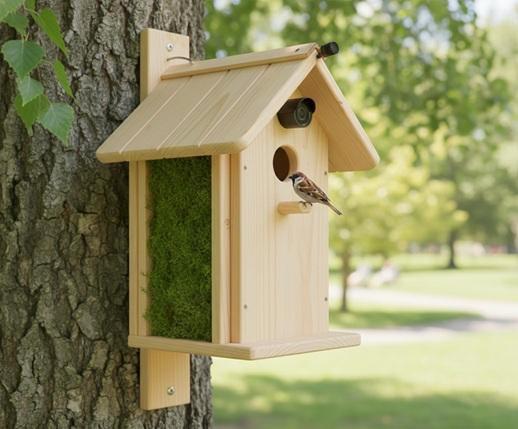
The students listened to Ahmet Kayumovich’s stories with great interest, and the classroom became noticeably more animated when the conversation turned to sparrows. It turned out that the environmental club “Jesur’s Little Yard” was named after a brave sparrow. While observing birds, the schoolchildren became concerned about the declining sparrow population in the urban environment. Wanting to help the birds, student Ovezmyrat Sapargeldiyev designed climate-resilient artificial nesting boxes equipped with thermal insulation and ventilation to protect chicks from the summer heat and dry winds.
Ovezmyrat’s project, “Nesting in Climate-Resilient Conditions,” was inspired and supported by the UNDP regional initiative “Climate Education to Advance the Sustainable Development Goals and Climate Action (Climate Box),” implemented with the support of the Russian Federation’s Target Fund.
In April 2026, the project was presented at the initiative’s final workshop, held at the United Nations building in Ashgabat. Ovezmyrat’s idea received an enthusiastic response and support as an example of successfully engaging young people in environmental action. The Embassy of the Russian Federation in Turkmenistan also highly praised the student’s work and confirmed its readiness to support the project’s further development, including through technical and financial assistance.
The meeting was drawing to a close, but the school bell announcing the break went unnoticed because the discussion had been so engaging and informative. Observing birds and taking the initiative are not activities reserved for professional ornithologists; everyone can take part. The most important things are to look closely at the world around us, genuinely love our homeland, and have the courage to turn good ideas into reality.