


The third issue of the Miras Quarterly published by the National Institute of Manuscripts of the Academy of Sciences of Turkmenistan begins with the address of President of Turkmenistan Gurbanguly Berdimuhamedov to the 66th session of the UN General Assembly in New York on September 23, 2011 in which the Turkmen leader set forth the key foreign policy principles of Turkmenistan including achieving lasting peace and strategic stability, building a stable and at the same time flexible and well-balanced framework of international relations in the political, economic and humanitarian spheres. Also the Turkmen leader put forward the new initiatives to enhance the role of the United Nations and address urgent problems and challenges of modern times on global scale.
The texts of the Turkmen leader’s address to citizens of independent and neutral Turkmenistan congratulating on the Ruhnama Day and the 10th anniversary of the Ruhnama Book and his welcome address to participants of the International Conference on the Harmony of National and Universal Values in the Epoch of New Revival.
The article The Data on Cultural Art on the Banks of the Middle Reaches of the Amu Darya River by Doctor, Professor A. A. Burkhanov (Russia) in which the author conducts the analysis of the small piece of terracotta sculpture found during the excavations in Lebap Velayat is presented in the New Discoveries and Developments section. The article Unique Culture of the Turkmen Diaspora in Lebanon by Professor O. A. Tedmuri (Lebanon) about the little-known groups of the ethnic Turkmen who have been living in this country in the Middle East since the time of the Ottoman Empire is also presented in this section. Doctor of History H. Yusupov (Turkmenistan) devoted his article to the origins of human civilization and its climate dependence in various geological epochs.
The article by a writer and poet M. M. Bayat (Iraq) providing the new data on the life and creative activity of a prominent Turkic languages poet Fizuli Al-Baghdadi (1480-1555) is presented in the Interaction of Cultures, Nations and Civilizations section. The author notes that the poet’s literary legacy stepped over the borders of his homeland even in the past centuries and became a phenomenon of world literature. Some literary critics call him ‘Shakespeare of the Orient’. The article The Plot of the Incorporeal Head in18th-century Turkmen literature by a researcher M. Ovlakulieva (Turkmenistan) is dedicated to Sufi motifs in the works by Afshar Kasym and Magtymguly. In his article Arrow and Bow in the Mythological Consciousness Candidate of Philology M. Mamedov (Azerbaijan) describes the significant role of arrow and bow as an attribute of power, diplomacy, religious cults and customs of the ancient Turkic people. A researcher A. Kurbanov (Turkmenistan) dwells upon the history of the Ephtalites, the ancient people who inhabited Central Asia in the early centuries A.D. and founded the state in the 5th century. According to the author, Afghan and Turkmen abdals are descendants of the Ephtalites.
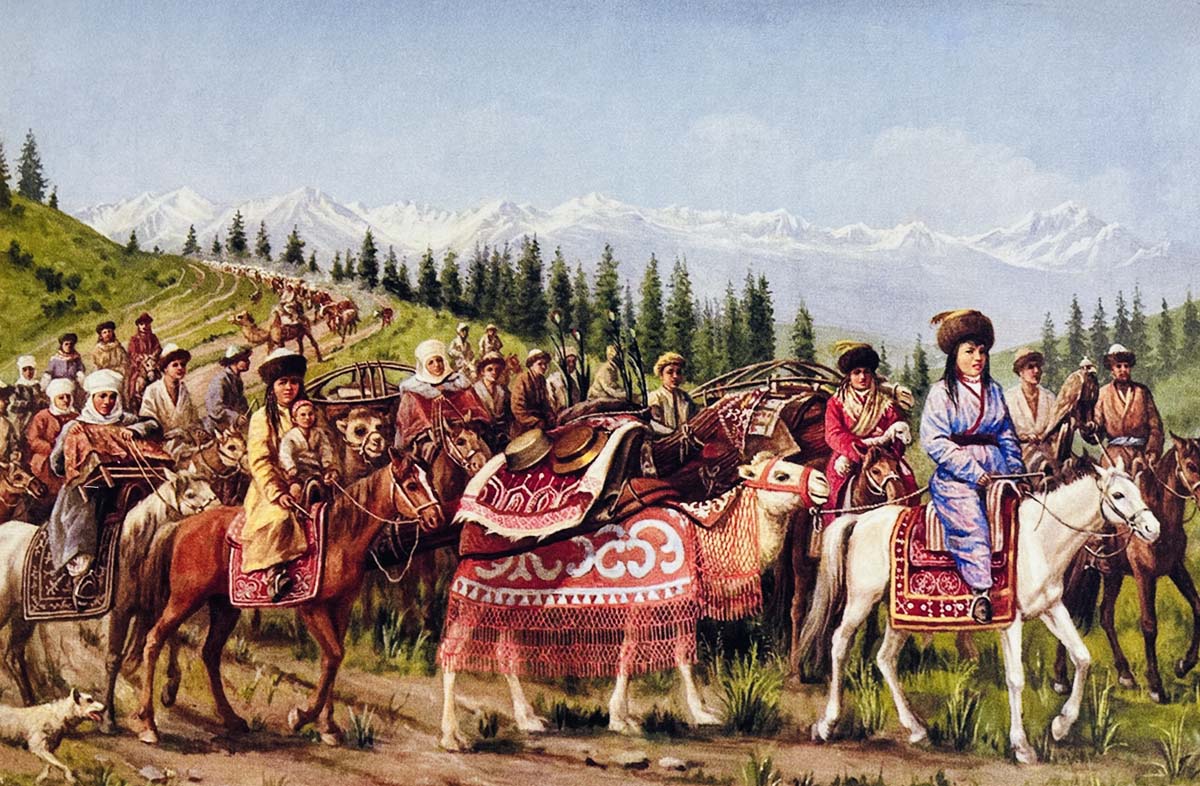
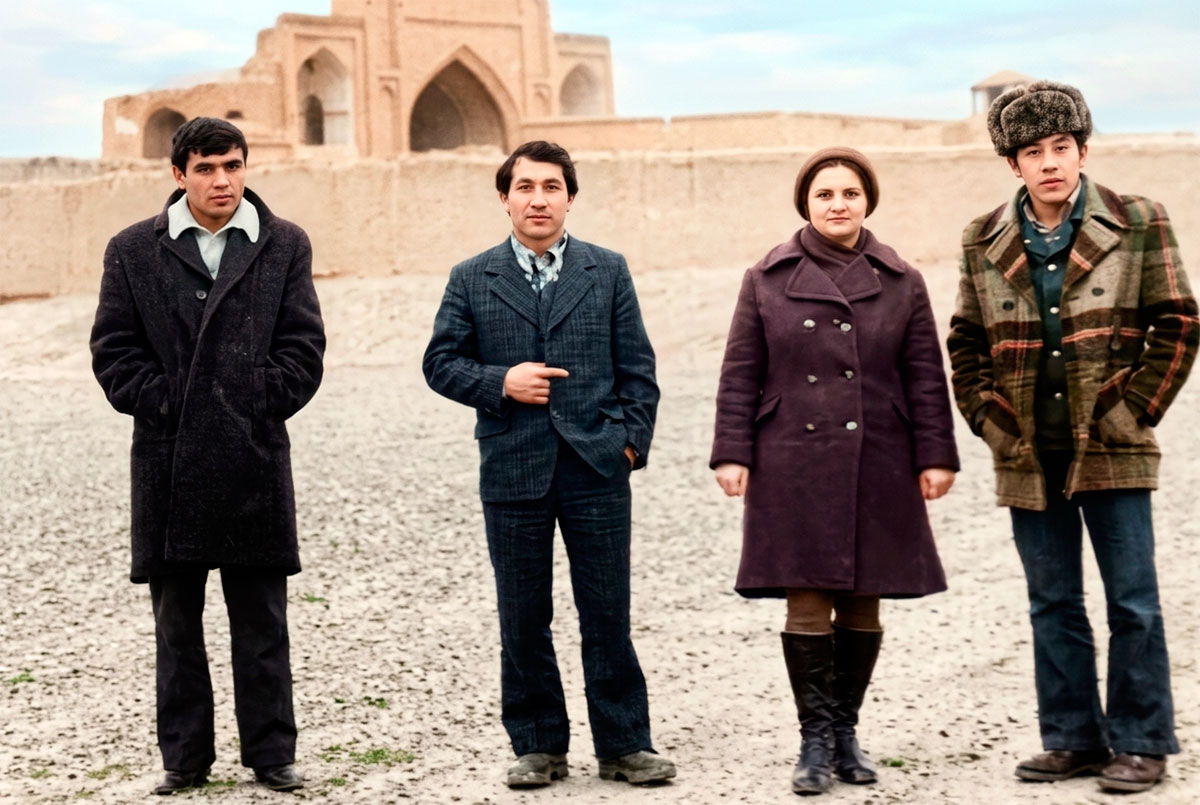
The overview of events of social, scientific and cultural life of Turkmenistan for the period from July to September 2011 is presented in the issue. It is colourfully illustrated with the reproductions of the works of mediaeval and modern artists and rare archival photographs and drawings.
The texts of the Turkmen leader’s address to citizens of independent and neutral Turkmenistan congratulating on the Ruhnama Day and the 10th anniversary of the Ruhnama Book and his welcome address to participants of the International Conference on the Harmony of National and Universal Values in the Epoch of New Revival.
The article The Data on Cultural Art on the Banks of the Middle Reaches of the Amu Darya River by Doctor, Professor A. A. Burkhanov (Russia) in which the author conducts the analysis of the small piece of terracotta sculpture found during the excavations in Lebap Velayat is presented in the New Discoveries and Developments section. The article Unique Culture of the Turkmen Diaspora in Lebanon by Professor O. A. Tedmuri (Lebanon) about the little-known groups of the ethnic Turkmen who have been living in this country in the Middle East since the time of the Ottoman Empire is also presented in this section. Doctor of History H. Yusupov (Turkmenistan) devoted his article to the origins of human civilization and its climate dependence in various geological epochs.
The article by a writer and poet M. M. Bayat (Iraq) providing the new data on the life and creative activity of a prominent Turkic languages poet Fizuli Al-Baghdadi (1480-1555) is presented in the Interaction of Cultures, Nations and Civilizations section. The author notes that the poet’s literary legacy stepped over the borders of his homeland even in the past centuries and became a phenomenon of world literature. Some literary critics call him ‘Shakespeare of the Orient’. The article The Plot of the Incorporeal Head in18th-century Turkmen literature by a researcher M. Ovlakulieva (Turkmenistan) is dedicated to Sufi motifs in the works by Afshar Kasym and Magtymguly. In his article Arrow and Bow in the Mythological Consciousness Candidate of Philology M. Mamedov (Azerbaijan) describes the significant role of arrow and bow as an attribute of power, diplomacy, religious cults and customs of the ancient Turkic people. A researcher A. Kurbanov (Turkmenistan) dwells upon the history of the Ephtalites, the ancient people who inhabited Central Asia in the early centuries A.D. and founded the state in the 5th century. According to the author, Afghan and Turkmen abdals are descendants of the Ephtalites.
The overview of events of social, scientific and cultural life of Turkmenistan for the period from July to September 2011 is presented in the issue. It is colourfully illustrated with the reproductions of the works of mediaeval and modern artists and rare archival photographs and drawings.