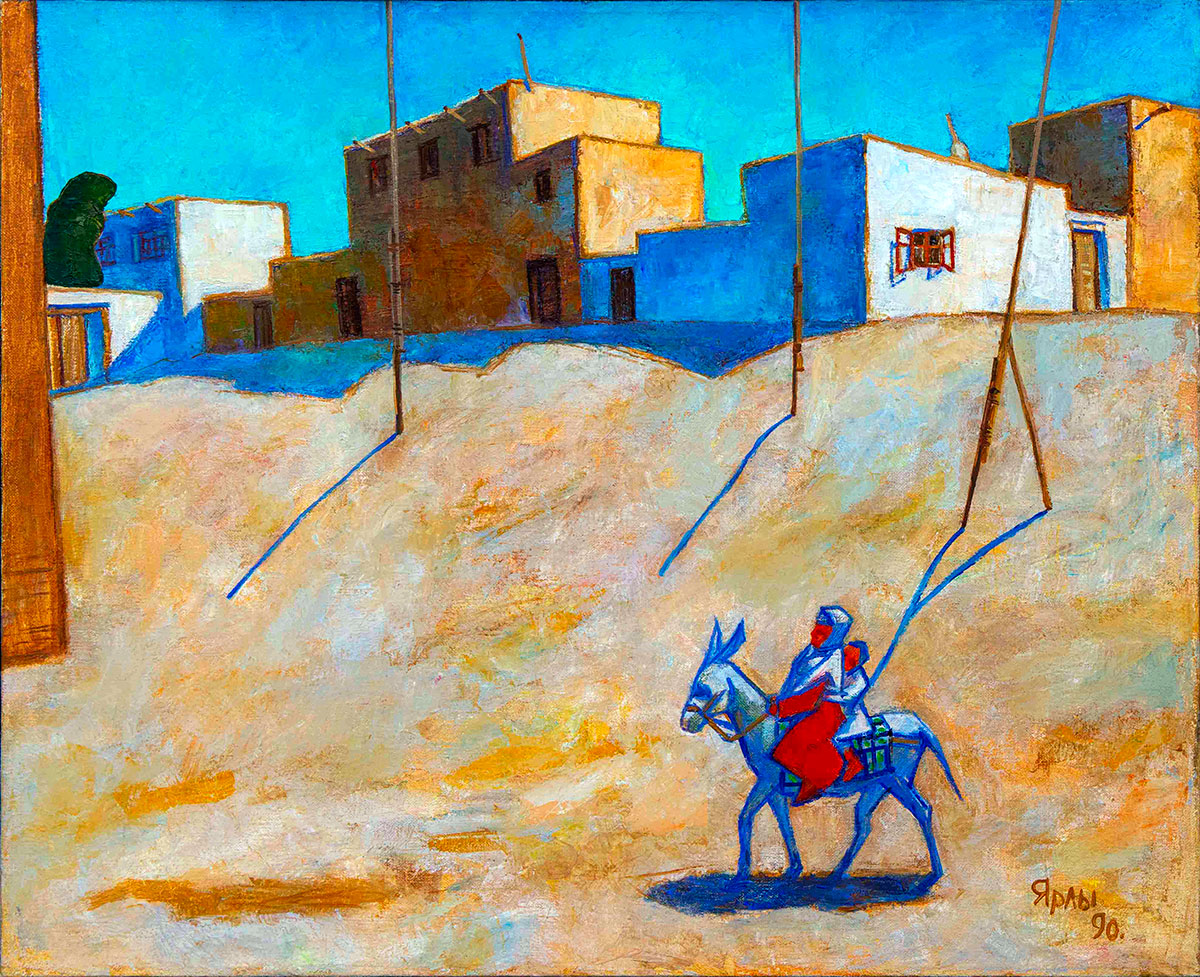



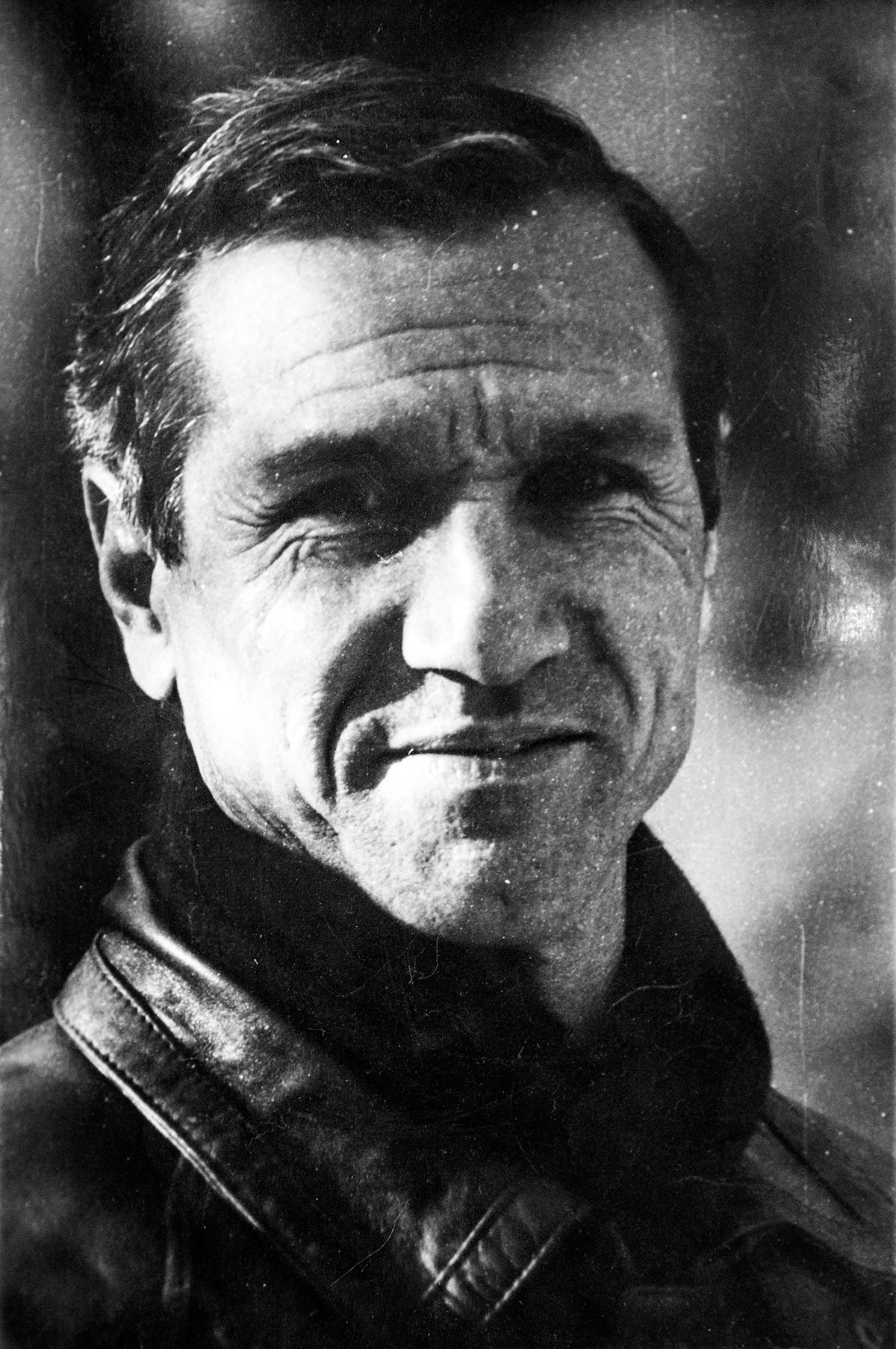
There is no doubt that Yarly Bayramov was a unique artist. In his work, he vividly celebrated the Turkmen countryside and its people. However, he did so in his own distinctive way, opposing his personal vision to the dominant doctrine of socialist realism. At that time, only artists with outstanding achievements were granted such creative freedom, and Yarly Bayramov was one of those rare exceptions.
All of the paintings by the People’s Artist of Turkmenistan, Yarly Bayramov, are devoted to village life. They are filled with the joy of existence, the charm of their subjects, abundant sunlight, and kindness. The paradox is that Yarly himself was not a rural resident. Born in 1942, he lost his mother at an early age. During the war years, survival in a large family headed only by his father was difficult, so the young boy was placed in an orphanage.
Yarly Bayramov was undoubtedly gifted with extraordinary natural talent, and although his fate was difficult in many respects, it also contributed positively to the development of his abilities. After graduating from a boarding school in Ashgabat, he enrolled in the Turkmen State Art College. Upon completing his studies there, Y. Bayramov went to Moscow to continue his artistic education at the Painting Faculty of the All-Union State Institute of Cinematography (VGIK). This period marked his formation as an artist. During his years at VGIK, Yarly combined his studies with frequent visits to museums and libraries. “Institute–museum–library” became the routine of his student life. In museums, he found what the institute itself could not provide. The curious student from Turkmenistan went beyond the university curriculum and independently explored the masterpieces of world art.
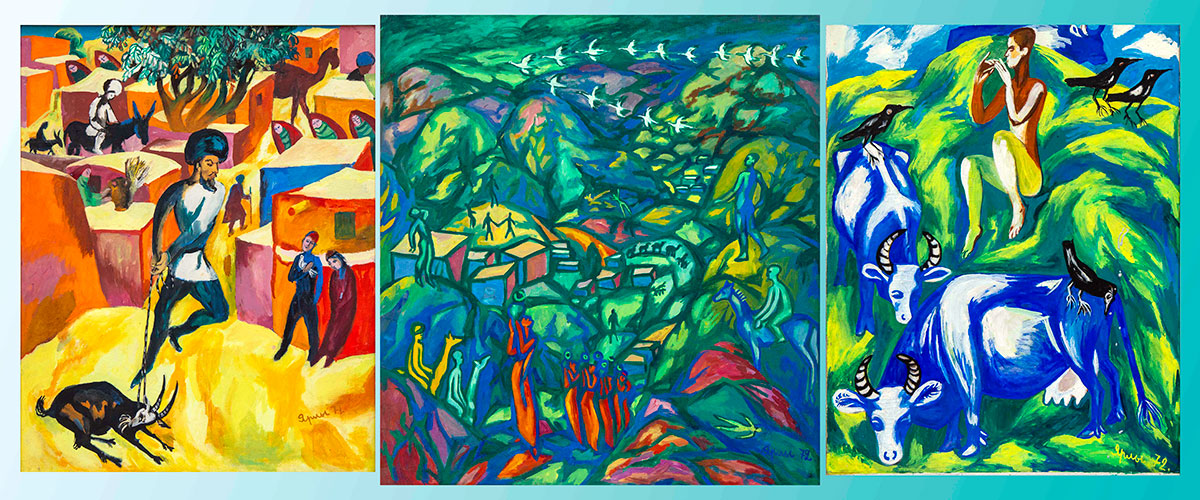
From the great masters of painting, he learned originality and simplicity of expression, principles that became his artistic credo. It should be noted that the modern art reflected in his works remained deeply national in character. One example is his painting “Tolkuchka” (“The Market Crowd”). The Eastern bazaar is one of the most popular themes among Turkmen artists, but only Yarly interpreted it in the style of Neo-Impressionism. The artist employed a bird’s-eye perspective, depicting the crowd primarily through a multitude of heads. There are so many people that they seem to extend beyond the boundaries of the canvas. The meaning of this abundance becomes clear only when one learns the title of the work—“The Market Crowd.” Apparently, when Bayramov visited a bustling market, he was impressed not by the abundance of goods or the skill of the vendors, but by the sheer number of people gathered in one place.
The sun shines brightly as six young women dressed in red walk in the same direction. Judging by their identical dresses, one may assume they are sisters. Most likely, they are heading to their parents’ home. Some family occasion has brought together these women who long ago left their parental nest. This painting is called “They Are Coming.” It captivates viewers with its simplicity, purity of color, and graceful execution.
At first glance, the painting “Yashuly” seems to carry little narrative significance. An elderly man walks with a stick in one hand and a small bundle in the other, and nothing more appears to happen. Yet Yarly Bayramov possessed a unique ability to present ordinary things as something profound. To achieve this effect, he placed a yellow background behind the elder and added a fragment of a red sun disk. Suddenly, the painting speaks: the old man may have accumulated little material wealth during his lifetime—everything he owns fits into a small bundle—but he has preserved his moral values and therefore continues his journey through life with the dignity of a righteous man.
The painting “Meeting” depicts two horsemen. One rides forward while the other approaches him. Each is accompanied by his son. In one case, the son holds onto his father; in the other, the father holds onto his son. Through this image, the artist reminds viewers that first a father guides his son through life, and later their roles are reversed.
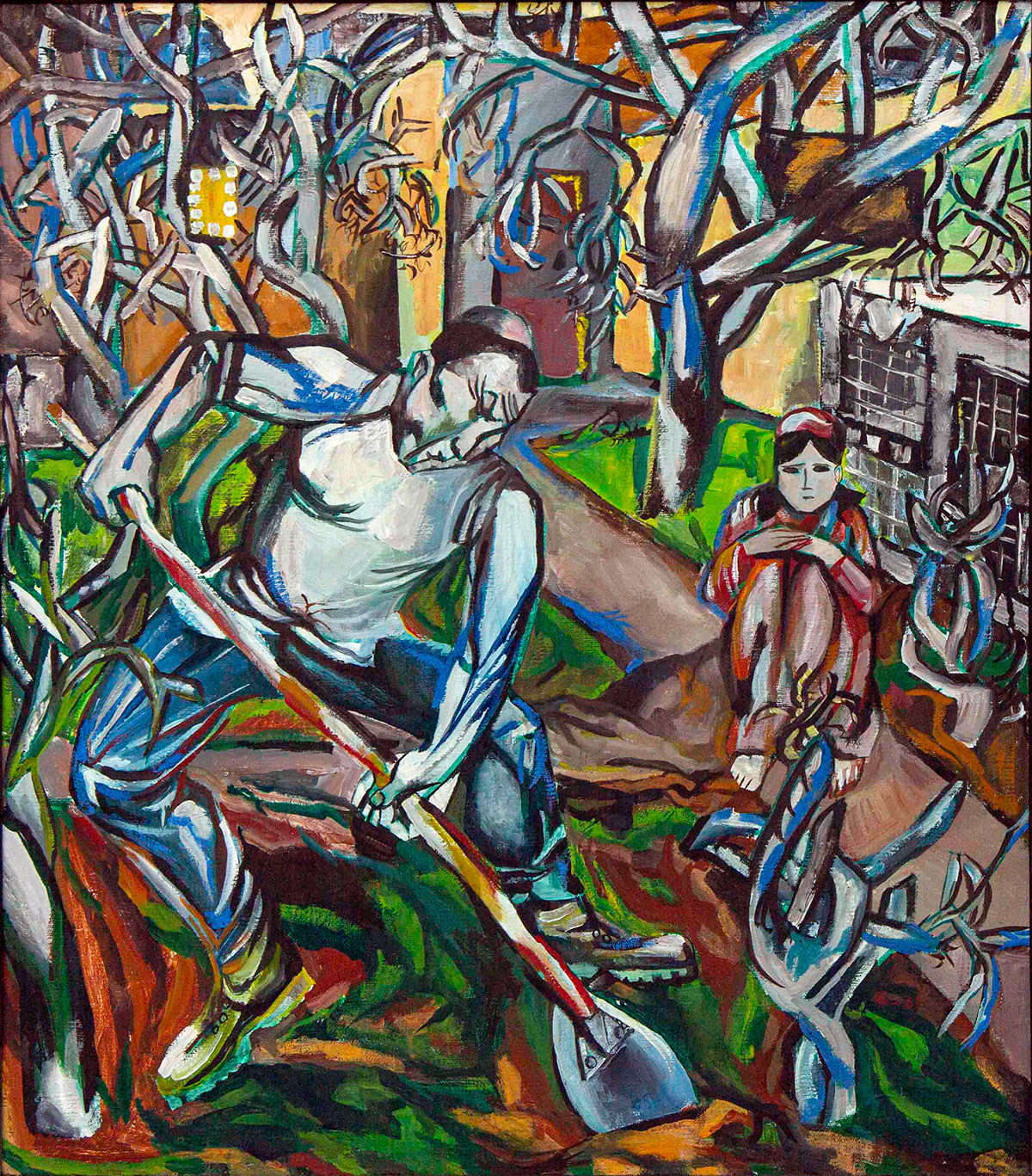
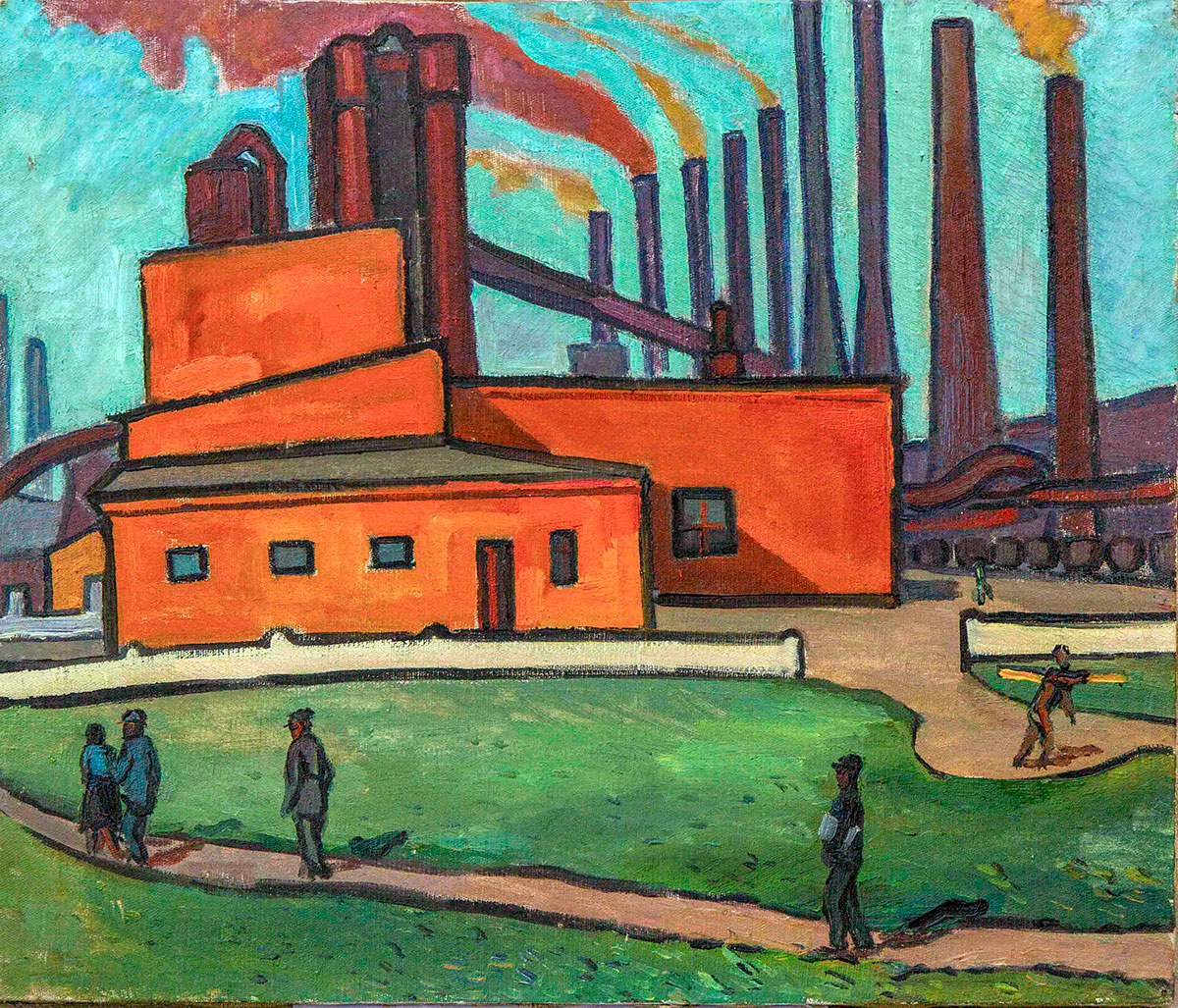
The painting “Working in the Garden” is executed in a distinctly Post-Impressionist style. If it were not signed by Yarly Bayramov, it could easily be mistaken for a work by Paul Cézanne. It possesses the same energy, strength, and confidence, but the setting is not a suburb of Paris—it is a Turkmen village.
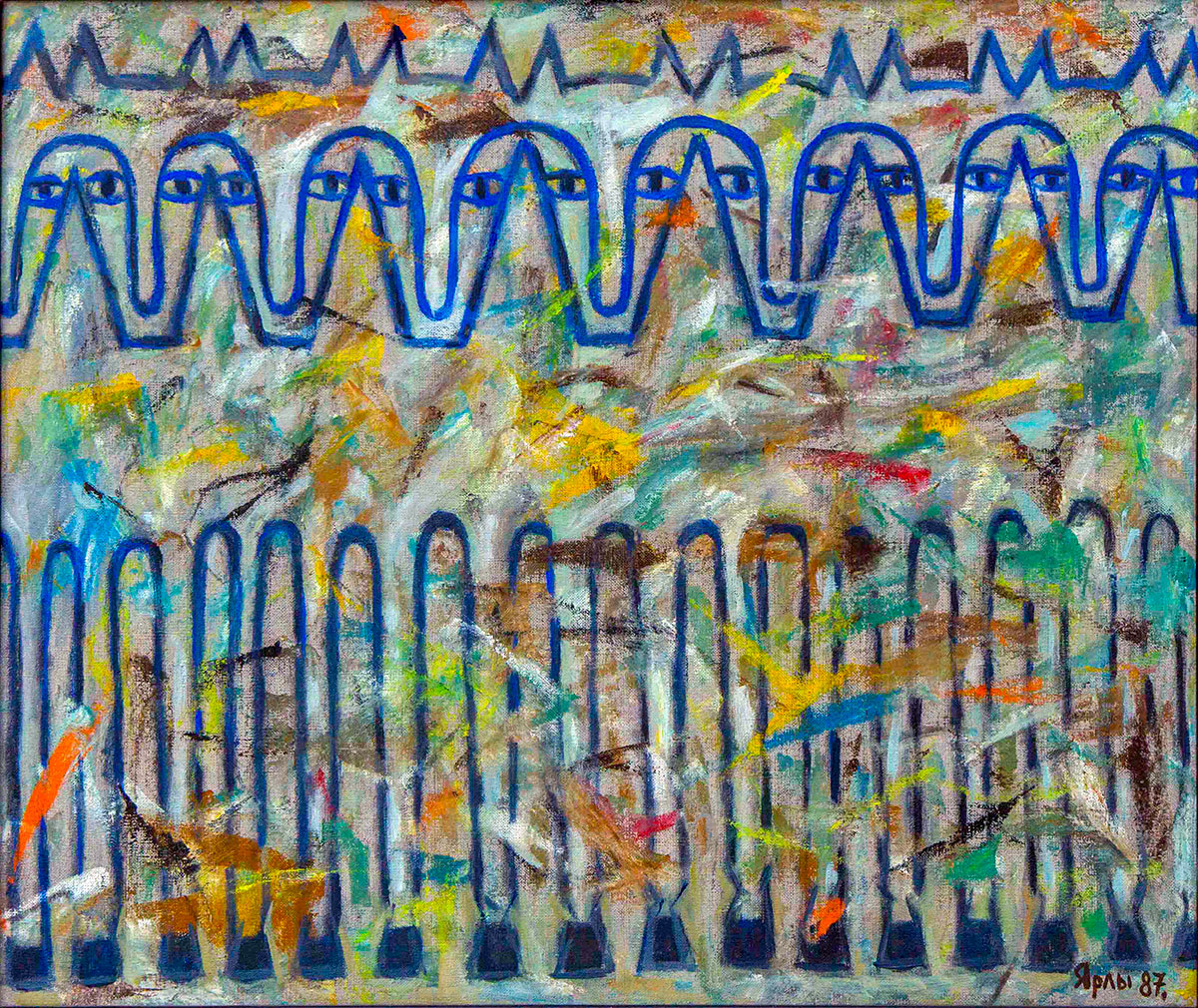
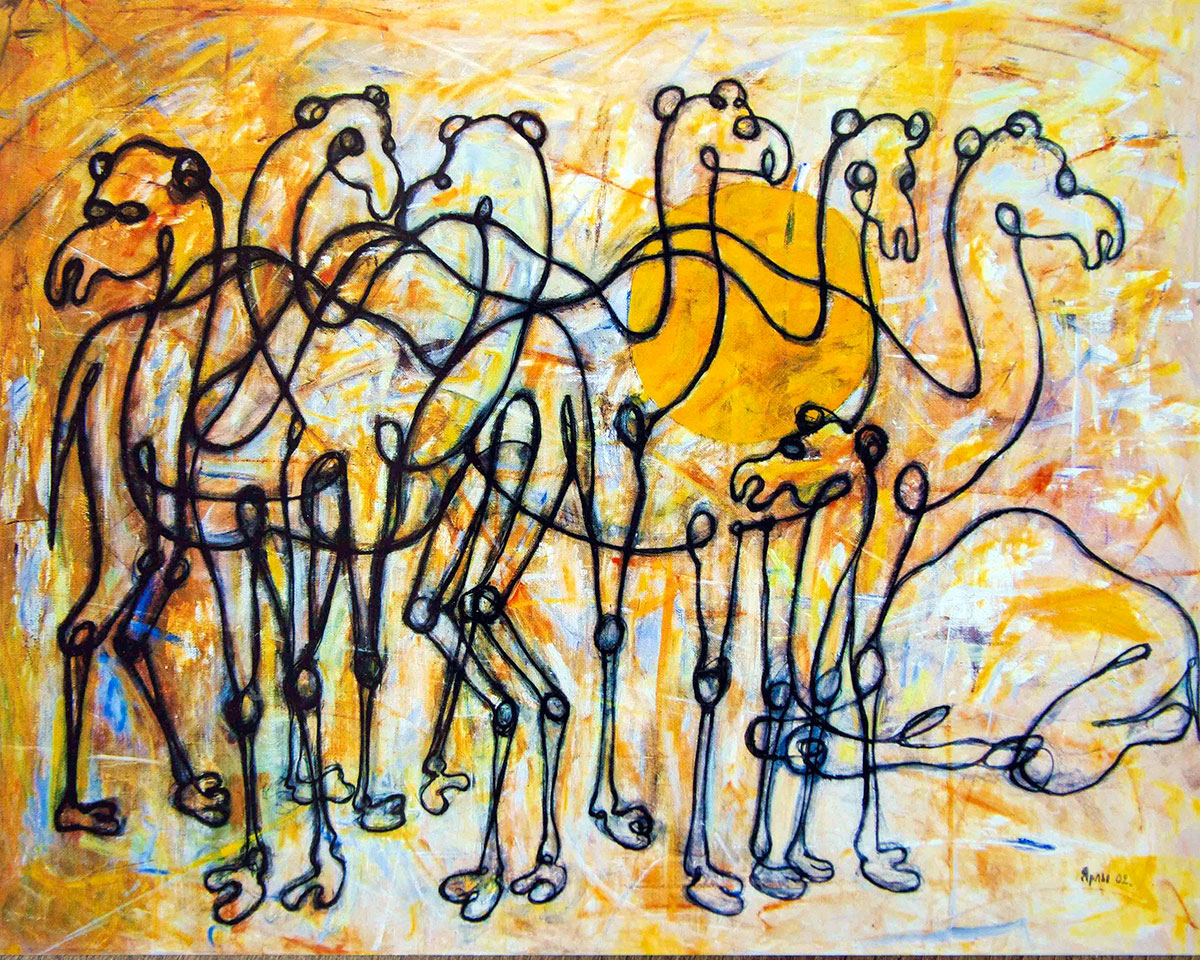
Two other works worthy of mention are “Horses” and “Camels.” Both paintings depict herds, but what makes them remarkable is that the artist drew the outlines of the animals without lifting his pencil from the paper. This technique is neither a trick nor a playful gesture. Rather, it is a tribute to the expressive power of the line, which in painting is capable of conveying everything.
Exhibitions of Bayramov’s works were successfully held in Argentina, Turkiye, Iran, and Moscow. In 1990, the name of the Turkmen artist Yarly Bayramov was included in the Artists of the World published in Leipzig, Germany. In 1993, he became a member of the Artists’ Association affiliated with UNESCO in Moscow.
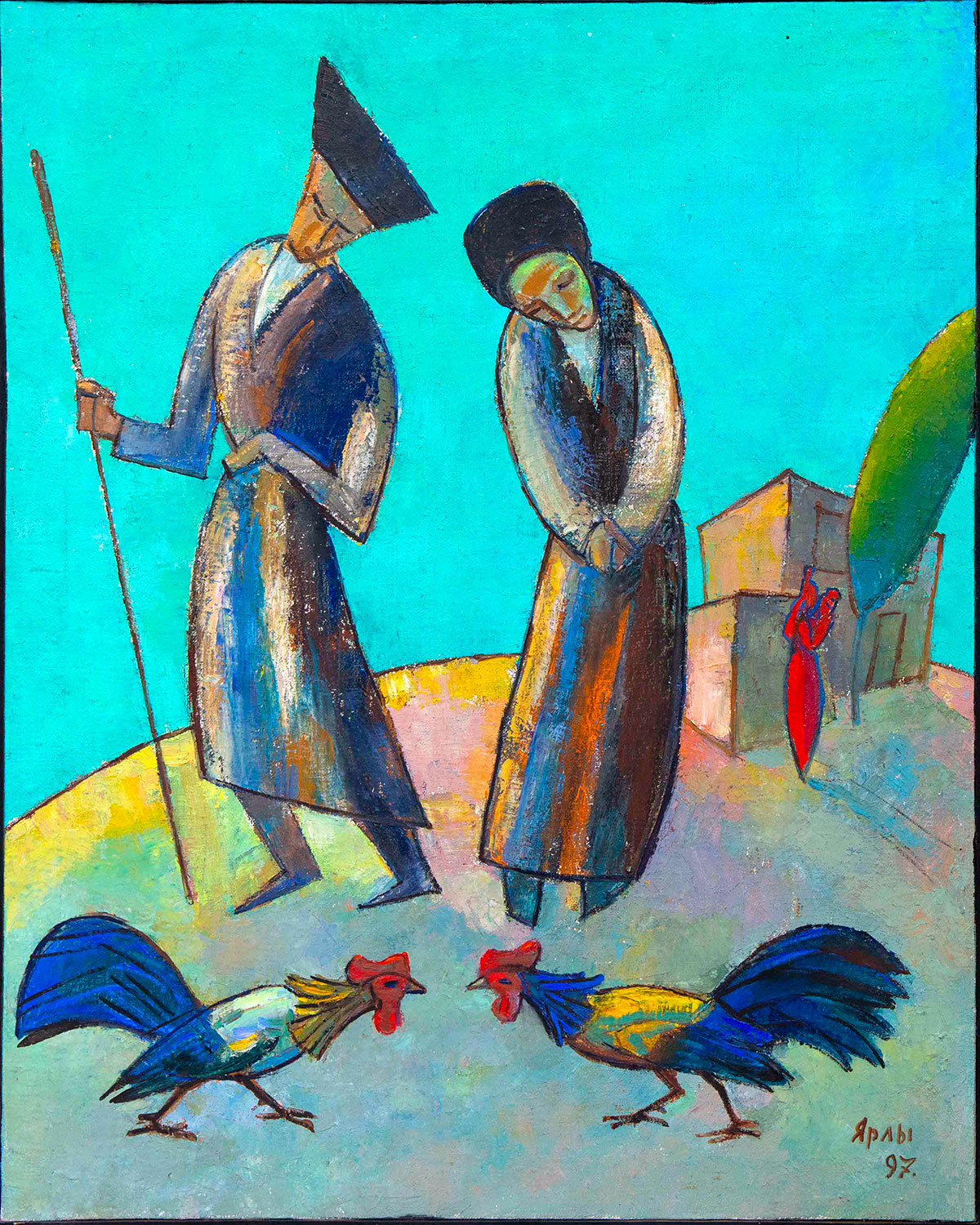
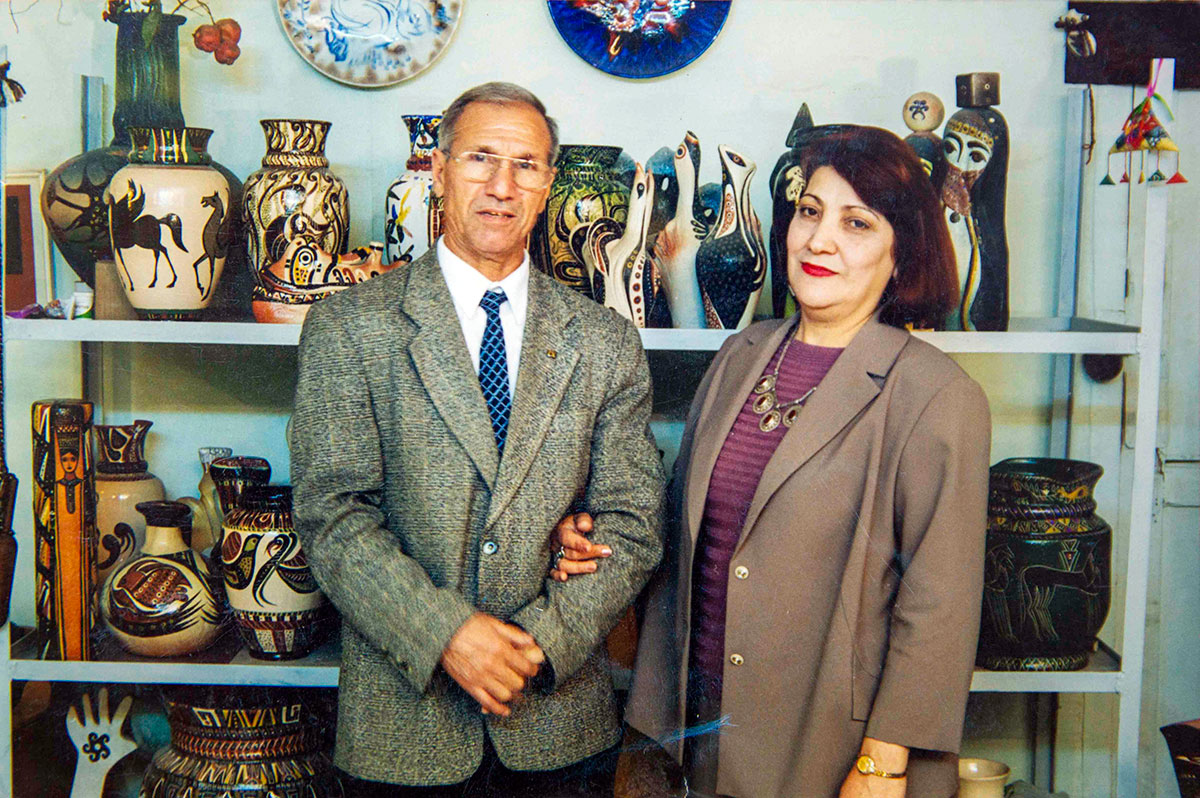
Every painting created by Yarly Bayramov is unique; there are no weak works among them. More than ten years have passed since the artist’s death, yet the plaque bearing his name still hangs on the door of his studio. His wife and devoted companion, People’s Artist of Turkmenistan and ceramic artist Maral Ataeva, has arranged his paintings within the studio, transforming it into a remarkable miniature museum. Artists who knew Yarly Bayramov, as well as visitors who simply appreciate fine art, come here to enjoy its romantic atmosphere.